
A Complex and Enduring Legacy in the Northeast
The question of whether Connecticut had slavery might surprise many who associate the institution primarily with the Southern states. However, the historical reality is far more nuanced. Slavery existed in Connecticut for over two centuries, deeply intertwined with the colony’s and later the state’s economic, social, and political development. While it never reached the scale or intensity seen in the agrarian South, its presence left an indelible mark on the region, shaping its demographics, legal frameworks, and the lives of countless individuals. Understanding Connecticut’s history with slavery is crucial for a complete picture of American history and the enduring struggle for freedom and equality.

The Genesis and Growth of Slavery in Connecticut
The roots of slavery in Connecticut can be traced back to the earliest days of English colonization in the 17th century. Like other New England colonies, Connecticut initially participated in the transatlantic slave trade, importing enslaved Africans and Native Americans. The economic drivers were varied, though distinct from the vast plantation economies of the South.
Early Forms of Enslavement
- Indigenous Enslavement: In the initial decades, enslaved Native Americans constituted a significant portion of the enslaved population. Captives taken during conflicts, such as the Pequot War, were often sold into servitude. This practice predated the widespread arrival of Africans and was a brutal facet of colonial expansion.
- Introduction of Africans: As the 17th century progressed, enslaved Africans began to arrive in Connecticut. They were brought through the established trade routes, often via ports in the Caribbean or directly from Africa. Unlike the large-scale plantations that characterized the South, slavery in Connecticut was more often integrated into smaller-scale agricultural operations, household labor, skilled trades, and maritime activities.
Economic Integration
The economy of colonial Connecticut was diverse. While agriculture, particularly small-scale farming, was prevalent, maritime trade, shipbuilding, and manufacturing also played vital roles. Enslaved individuals were integral to these sectors:
- Domestic Service: Many enslaved people served as domestic laborers in the homes of merchants, artisans, and prosperous farmers. This included cooking, cleaning, childcare, and general household management.
- Skilled Trades: Some enslaved men possessed valuable skills as carpenters, blacksmiths, shoemakers, and tailors, contributing to the colonial economy.
- Maritime Labor: The bustling ports of Connecticut, such as New Haven and New London, relied on enslaved labor for shipbuilding, dock work, and crewing vessels. This connected Connecticut directly to the broader Atlantic economy and the slave trade.
- Agriculture: While not on the scale of Southern plantations, enslaved people worked on farms, contributing to the production of crops and the general upkeep of agricultural estates.
The legal framework surrounding slavery in Connecticut evolved over time. Early laws established the legality of enslavement and defined the status of enslaved individuals and their descendants. These laws reinforced racial hierarchies and vested significant power in slave owners.
The Gradual Abolition of Slavery
The movement towards abolition in Connecticut was a slow and protracted process, spanning decades. It was fueled by a combination of moral arguments, religious awakenings, and the changing economic and political landscape.
The Gradual Abolition Act of 1784
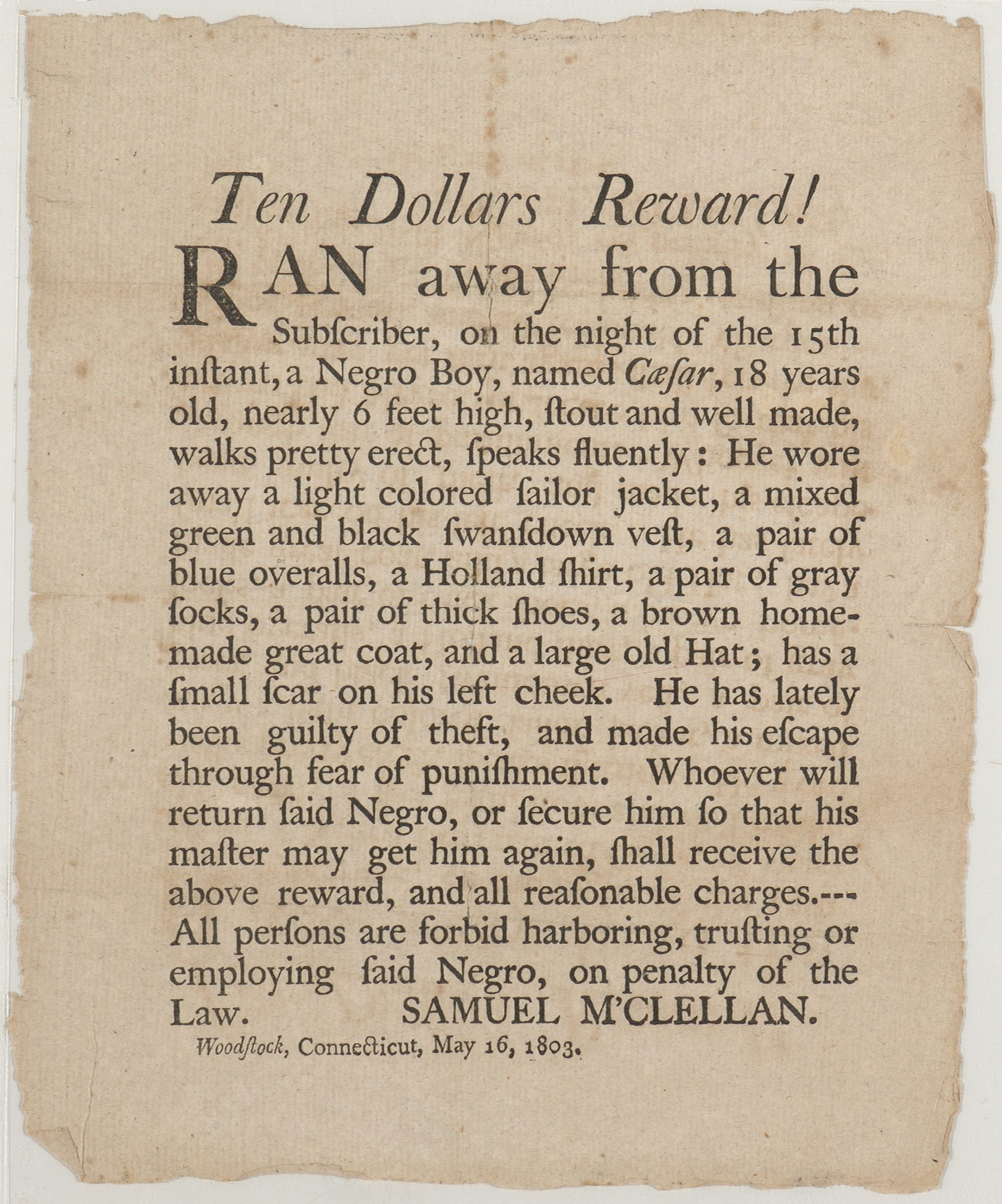
The most significant legislative milestone was the passage of the Gradual Abolition Act in 1784. This act did not immediately abolish slavery but rather decreed that no child born to an enslaved mother after March 1, 1784, would be enslaved for life. These children would remain servants until they reached a certain age (typically 21 or 25, depending on gender).
This law was a compromise, reflecting the deep entrenchment of slavery and the economic interests tied to it. It acknowledged the injustice of perpetual enslavement while allowing for the gradual phasing out of the institution over generations.
The Slow Erosion of the Institution
Despite the 1784 act, slavery persisted in Connecticut for nearly fifty more years.
- “Seasoned” Slaves: Individuals already enslaved before the 1784 act remained in bondage. Their freedom was not immediate, and the transition for them was often a lifetime in servitude.
- Indentured Servitude: The lines between slavery and various forms of indentured servitude could sometimes blur, making the legal status of individuals complex.
- Continued Legal Scrutiny: Legal challenges and debates continued, chipping away at the foundations of slavery. Abolitionist sentiment grew, particularly within religious communities like the Quakers.
- State Constitutions: Amendments to the Connecticut Constitution and further legislative acts gradually tightened the screws on the institution.
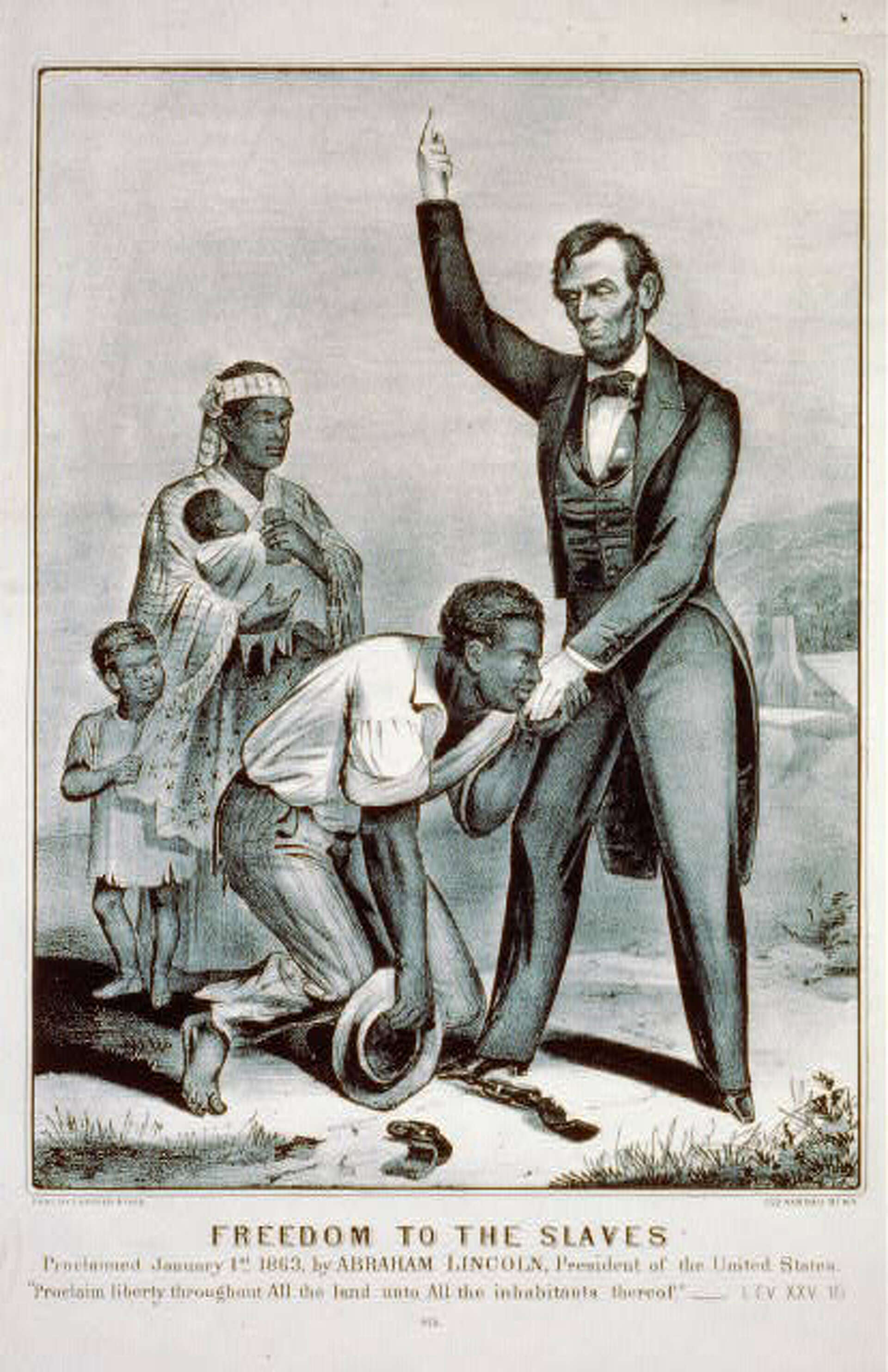
The final abolition of slavery in Connecticut occurred in 1848, when the state constitution was amended to explicitly prohibit slavery and involuntary servitude, bringing its legal framework into line with the broader national trend towards abolition, though the Civil War would ultimately solidify it nationwide.
The Lasting Impact of Slavery on Connecticut’s Landscape and Society
While Connecticut eventually abolished slavery and is often seen as part of the “free North,” the legacy of this period remains embedded in its history and social fabric.
Demographic Shifts and Community Formation
The presence of slavery, even in its more limited form, contributed to the racial demographics of Connecticut. Enslaved Africans and their descendants formed communities, often in the shadows of the dominant society. These communities navigated the complexities of their enslaved status, developing unique cultural practices and networks of mutual support.
- African American Communities: Over time, free Black communities emerged, often centered around churches and mutual aid societies. These communities played a vital role in the ongoing struggle for civil rights and social justice.
- Family Legacies: The history of enslaved families in Connecticut is one of immense resilience and hardship. Families were often separated by sale, and the legal system offered little protection. Tracing these histories can be challenging but offers profound insights into the human cost of slavery.
Architectural and Historical Sites
While Connecticut does not boast grand plantation homes like those found in the South, evidence of slavery can still be found in its historical architecture and sites.
- Seaport Towns: Towns like Mystic, New London, and Stonington were integral to the maritime economy, which was directly or indirectly linked to the slave trade. Historic homes of merchants and ship captains may have housed enslaved individuals.
- Local Historical Societies: Many local historical societies and museums across Connecticut are increasingly dedicated to uncovering and presenting the stories of enslaved people and the impact of slavery on their communities. These institutions are invaluable resources for understanding this often-overlooked aspect of regional history.
- Cemeteries and Burial Grounds: Older cemeteries may contain unmarked graves or segregated sections that reflect the racial dynamics of the time, including the burial places of enslaved or formerly enslaved individuals.
The Continued Struggle for Recognition and Reconciliation
The history of slavery in Connecticut is not merely a relic of the past but a part of the ongoing narrative of race and inequality in the United States.
- Revisiting Narratives: There is a continuous effort to re-examine and enrich historical narratives to include the experiences of all inhabitants, particularly those who were marginalized and oppressed.
- Educational Initiatives: Educational institutions and historical organizations are working to incorporate a more comprehensive understanding of slavery into curricula and public programming.
- Preserving Memory: The preservation of historical sites and the commemoration of individuals who endured slavery are crucial steps in acknowledging the past and fostering a more just future.
In conclusion, Connecticut indeed had slavery. Its presence, though different in scale and character from the Southern model, played a significant role in shaping the state’s history. From its early colonial days through its gradual abolition, the institution left a complex and enduring legacy that continues to inform our understanding of the American experience and the persistent pursuit of liberty and justice for all.
LifeOutOfTheBox is a participant in the Amazon Services LLC Associates Program, an affiliate advertising program designed to provide a means for sites to earn advertising fees by advertising and linking to Amazon.com. Amazon, the Amazon logo, AmazonSupply, and the AmazonSupply logo are trademarks of Amazon.com, Inc. or its affiliates. As an Amazon Associate we earn affiliate commissions from qualifying purchases.