
Unveiling the Myth of a Frozen Frontier
The question of whether South Dakota harbors tundra landscapes often sparks curiosity, particularly among those who envision the state as solely prairie or rolling hills. While the popular image of South Dakota conjures vast grasslands, rugged badlands, and the iconic granite faces of Mount Rushmore, the reality of its natural environments is far more nuanced. Tundra, characterized by its treeless plains, permafrost, and low-growing vegetation, is typically associated with arctic and alpine regions. Examining South Dakota’s geographical and climatic conditions reveals that while it shares some environmental similarities with certain tundra-like areas, it does not possess true arctic or alpine tundra in the classic sense. Instead, its ecological tapestry is woven with a unique blend of grassland, woodland, and unique geological formations that, at times, can evoke a sense of stark, windswept beauty reminiscent of more northerly climes.

Defining Tundra: A Global Perspective
Before delving into South Dakota’s specific environment, it’s crucial to establish a clear understanding of what constitutes tundra. The term “tundra” originates from the Finnish word “tunturi,” meaning treeless plain. Geographically, tundra is broadly categorized into two main types: arctic tundra and alpine tundra.
-
Arctic Tundra: This biome is found in the high northern latitudes, encircling the Arctic Ocean. Key characteristics include extremely cold temperatures, low precipitation, a short growing season, and permafrost – a layer of soil that remains frozen for at least two consecutive years. Vegetation is limited to low-growing plants such as mosses, lichens, grasses, sedges, and dwarf shrubs. Trees are absent due to the harsh conditions and shallow active soil layer. Examples include the tundra found in Alaska, Canada, and Siberia.
-
Alpine Tundra: This type of tundra exists at high elevations in mountainous regions worldwide, above the treeline. While it shares the characteristic treelessness and low-growing vegetation of arctic tundra, it differs in the absence of permafrost. Alpine tundra environments are shaped by steep slopes, intense solar radiation, and dramatic temperature fluctuations. Famous examples can be found in the Rocky Mountains, the Alps, and the Himalayas.
South Dakota’s Climatic and Geographic Realities
South Dakota is situated in the north-central United States, a region defined by its continental climate. This climate is characterized by significant variations in temperature between seasons, with hot summers and cold winters. Average annual precipitation is moderate, supporting a landscape dominated by grasslands, particularly in the eastern parts of the state, and more arid conditions in the west. The geological makeup of South Dakota is diverse, ranging from fertile agricultural lands in the east to the dramatic erosion formations of the Badlands and the Black Hills in the west.
Crucially, South Dakota lacks the defining characteristics of true tundra:
-
Permafrost: The presence of permafrost is virtually nonexistent across the state. The ground freezes during winter, but it thaws completely during the warmer months. This allows for deeper root systems and the growth of larger vegetation, including forests, which are incompatible with permafrost.
-
Extreme Cold and Short Growing Seasons: While South Dakota experiences cold winters, its temperatures do not consistently reach the extreme lows of arctic regions. Furthermore, its growing season, though variable, is sufficiently long to support a wider range of plant life than typically found in tundra environments.
-
Absence of True Arctic/Alpine Zones: South Dakota does not possess the high-latitude, polar conditions of arctic tundra, nor does it have mountain ranges that reach the extreme altitudes required for alpine tundra above the treeline. The Black Hills, while elevated, are not high enough to create a distinct alpine tundra zone.
Exploring South Dakota’s Unique Biomes
While South Dakota may not be home to tundra, its diverse ecosystems offer their own distinct forms of stark beauty and unique natural phenomena. Understanding these biomes helps to appreciate the state’s varied landscapes.
The Grasslands: A Prairie Tapestry
The eastern two-thirds of South Dakota is dominated by prairie grasslands. This vast expanse, once a sea of tallgrass and mixed-grass prairie, is characterized by its rolling hills, open skies, and a rich diversity of grasses, wildflowers, and native fauna. While not treeless in the tundra sense, the dominance of grasses creates a sweeping, open landscape that can feel expansive and somewhat austere, especially during certain seasons.
-
Tallgrass Prairie: Found in the more humid eastern regions, this ecosystem features grasses that can grow several feet tall, creating dense ground cover. Though agricultural development has significantly reduced its extent, remnants of the tallgrass prairie can be explored in protected areas, offering a glimpse into a once-dominant landscape.
-
Mixed-Grass Prairie: Moving westward, the precipitation decreases, giving way to mixed-grass prairie. This ecosystem blends shorter and taller grasses, adapted to drier conditions. The transition to the more arid west offers a visual shift in the landscape, with sparser vegetation and a more rugged feel.
The Black Hills: An Island of Forests and Peaks
The western part of South Dakota is dramatically defined by the Black Hills, a unique mountain range that rises abruptly from the surrounding plains. These hills are not merely rocky outcrops; they are characterized by dense forests of ponderosa pine, aspen, and spruce, interspersed with granite peaks and clear, cool streams.
-
Forest Ecosystems: The elevation and cooler temperatures within the Black Hills support a different array of flora and fauna than the prairies. Hikers and visitors can explore trails winding through these forests, experiencing a more enclosed and varied environment.
-
Elevated Areas and Sparse Vegetation: While the majority of the Black Hills are forested, some higher elevations, particularly on exposed slopes and ridges, can feature sparser vegetation. These areas might include hardy grasses, low shrubs, and exposed rock formations. While these areas are not tundra, their windswept nature and limited plant growth can evoke a sense of remoteness and starkness, perhaps drawing a tangential comparison to the visual austerity of tundra landscapes. However, the absence of permafrost and the presence of deeper soils supporting shrubs and small trees differentiate them from true tundra.
The Badlands: A Landscape of Otherworldly Beauty
Perhaps the most visually striking and seemingly “otherworldly” landscape in South Dakota is the Badlands National Park. This region is a testament to the power of erosion, featuring dramatic pinnacles, buttes, spires, and canyons carved by wind and water over millions of years. The vegetation here is sparse, adapted to arid conditions, consisting primarily of short grasses, sagebrush, and scattered yucca.
-
Arid and Eroded Terrain: The stark, layered geological formations and the limited vegetation create a landscape that is often described as alien or otherworldly. The exposed rock layers, the absence of significant tree cover, and the vast, open vistas can give a sense of encountering a raw, untamed environment.
-
Seasonal Color and Texture: During different times of the year, the Badlands offer varying visual experiences. After rain, the short grasses can turn a vibrant green, contrasting with the muted tones of the sedimentary rock. In winter, frost can highlight the textures of the eroded landforms. While not tundra, the sheer exposure to the elements and the limited plant life in some areas might contribute to a feeling of rugged, elemental beauty that some might associate with the starkness of treeless landscapes.
Why the Confusion? Perceived Similarities and Natural Phenomena
The persistent question about South Dakota and tundra likely stems from a few understandable points of overlap in perception:
-
Vast, Open Landscapes: Much of South Dakota is characterized by wide-open spaces with expansive skies. This visual vastness, especially in the prairies or the more exposed areas of the Badlands, can sometimes evoke a sense of remoteness and exposure that might be loosely associated with the feel of tundra.
-
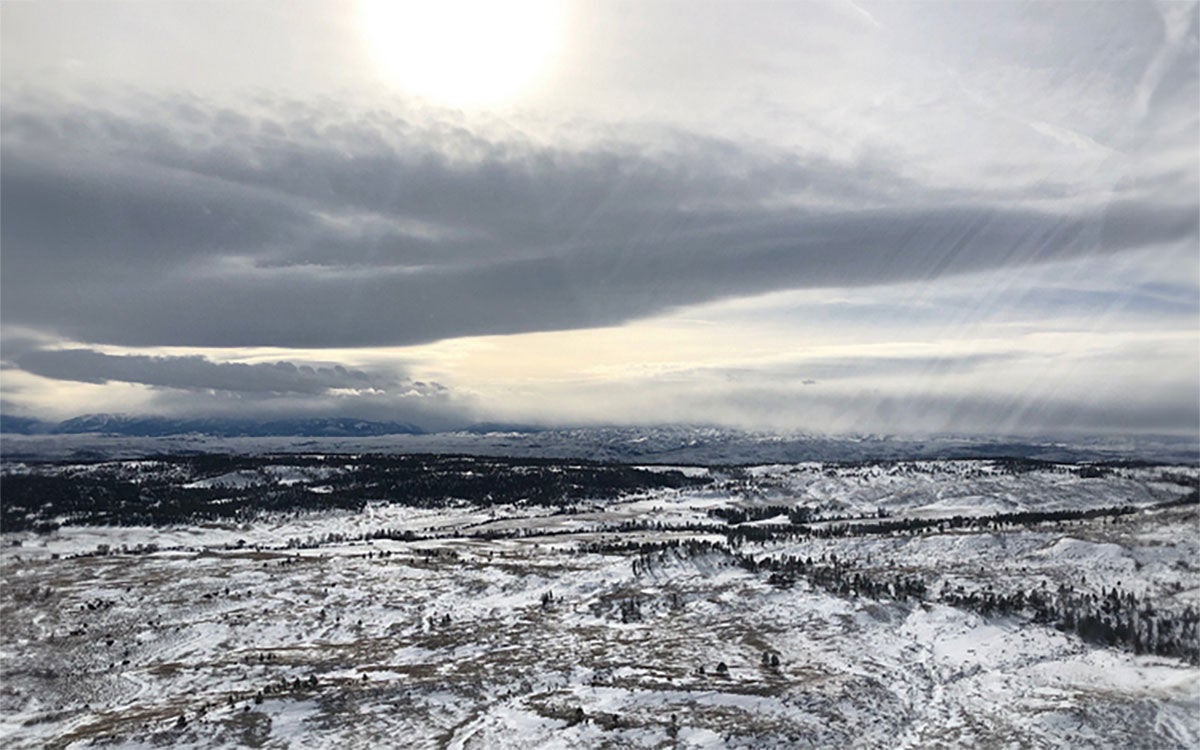
Harsh Winter Conditions: South Dakota does experience harsh, cold winters with significant snowfall and freezing temperatures. These conditions, while not indicative of permafrost, can lead to a landscape that appears frozen and barren for extended periods, a superficial similarity to tundra during its winter phase.
-
Unique Geological Formations: The dramatic, eroded landscapes of the Badlands and the rugged terrain of the Black Hills can present environments that are stark, windswept, and not heavily forested. These features, particularly the limited vegetation and exposed terrain, might lead to comparisons with the aesthetic of tundra environments, even if the underlying ecological conditions are fundamentally different.
-
High Altitude Areas (Black Hills): While not alpine tundra, the higher elevations within the Black Hills can experience cooler temperatures and exhibit more exposed rock and sparser vegetation than the surrounding lowlands. This elevated, windswept character might contribute to the perception of a tundra-like quality for some visitors, distinct from the typical prairie image.

Conclusion: A Land of Prairies, Peaks, and Peculiar Beauty
In conclusion, while South Dakota does not possess true arctic or alpine tundra landscapes, it offers a remarkable diversity of natural environments. From the sweeping grasslands of its eastern plains to the dramatic geological wonders of the Badlands and the forested heights of the Black Hills, the state presents a unique tapestry of ecosystems. The perception of tundra-like qualities might arise from the sheer openness of its prairies, the starkness of its eroded badlands, or the ruggedness of its higher elevations. However, a closer examination of its climate, geology, and botanical characteristics confirms that South Dakota’s natural heritage lies in its own distinct and captivating biomes, offering visitors a rich and varied exploration of the American landscape.
LifeOutOfTheBox is a participant in the Amazon Services LLC Associates Program, an affiliate advertising program designed to provide a means for sites to earn advertising fees by advertising and linking to Amazon.com. Amazon, the Amazon logo, AmazonSupply, and the AmazonSupply logo are trademarks of Amazon.com, Inc. or its affiliates. As an Amazon Associate we earn affiliate commissions from qualifying purchases.