
Interstate 90, the longest interstate highway in the United States, carves a path across the northern tier of the nation, and a significant portion of its journey unfolds through the vast landscapes of South Dakota. For travelers traversing this iconic route, a seemingly minor detail can become a source of confusion: the change in time zones. Understanding where and when the clock ticks forward or backward along I-90 in South Dakota is crucial for seamless travel, ensuring you arrive at your destinations on time and avoid any temporal surprises.
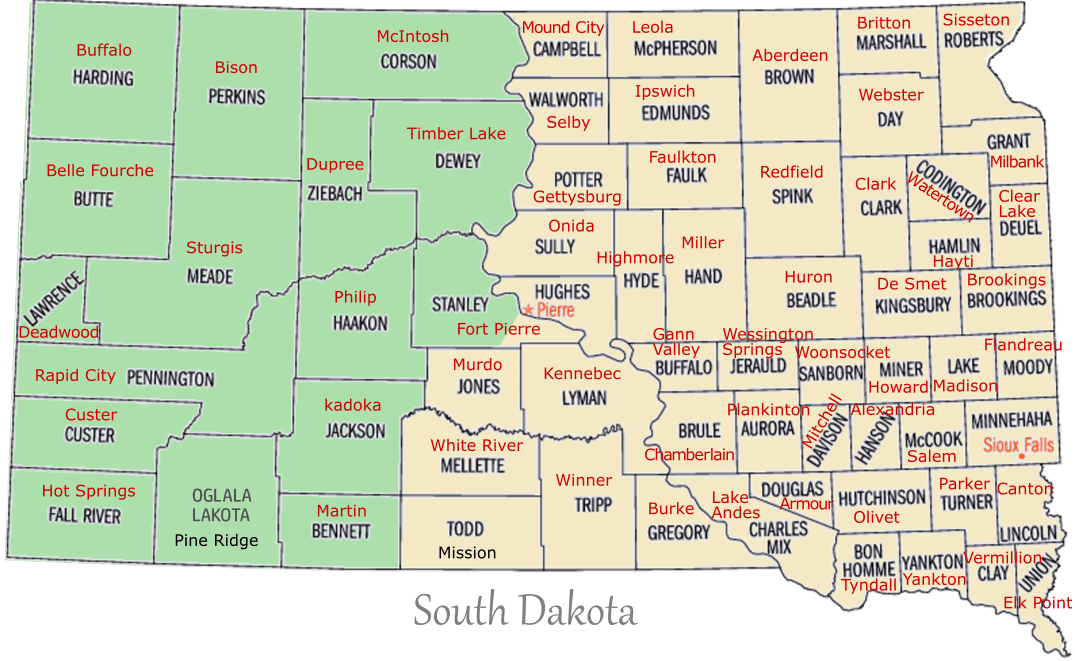
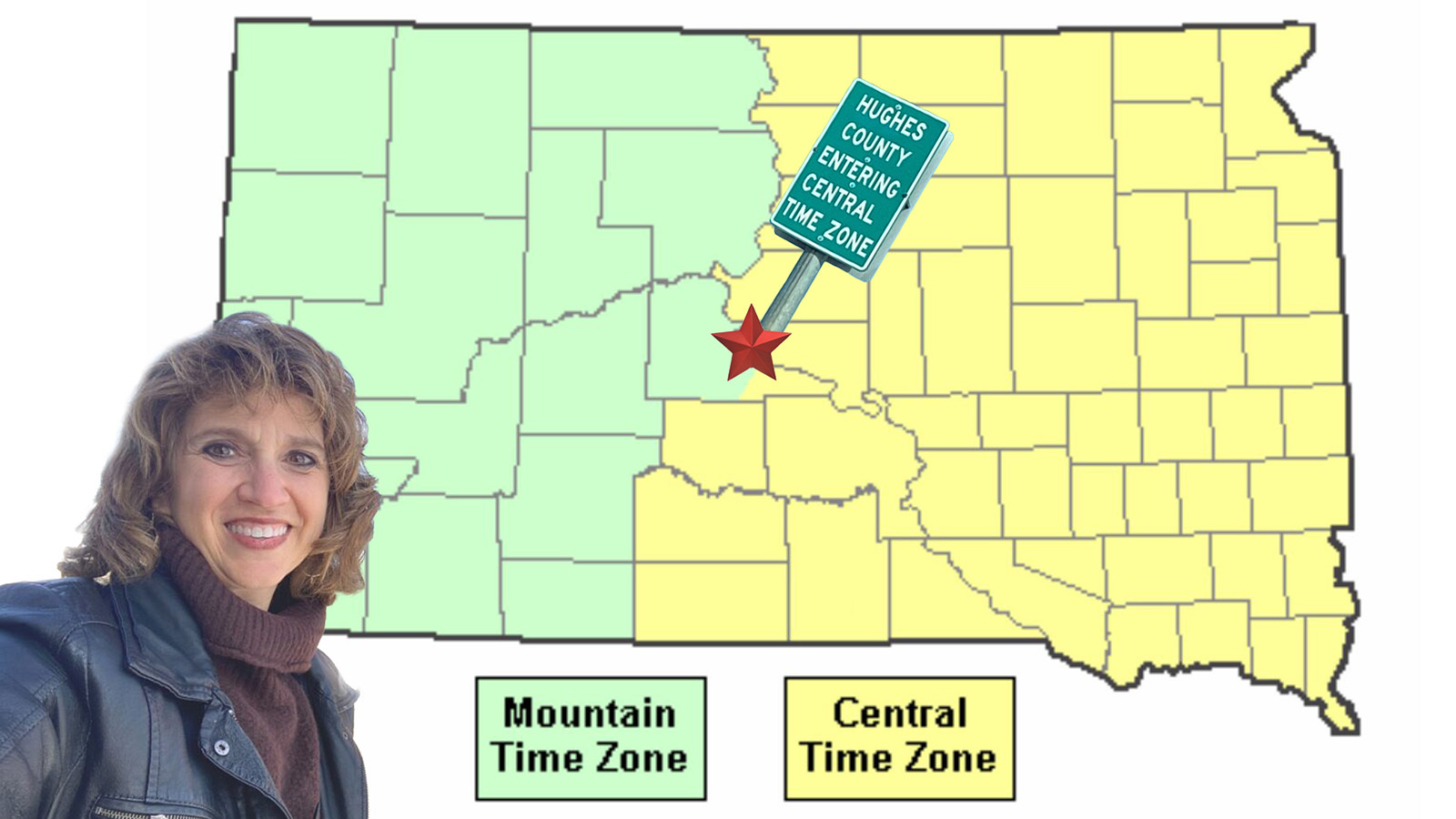
South Dakota is unique in that it straddles two of the United States’ continental time zones: the Central Time Zone (CT) and the Mountain Time Zone (MT). This division has a direct impact on the experience of driving along I-90, as the highway acts as a de facto boundary for these zones within the state.
The Temporal Divide: Central vs. Mountain Time
The key to understanding the time change on I-90 in South Dakota lies in recognizing the geographical division dictated by the state’s time zone boundary.
Eastern South Dakota: Central Time Dominance
The majority of South Dakota, including the eastern third of the state, observes Central Time. This zone encompasses prominent cities and attractions that travelers on I-90 will encounter before reaching the temporal transition.
Cities and Regions in Central Time
Travelers entering South Dakota on I-90 from the east will first find themselves in the Central Time Zone. This includes areas around:
- Sioux Falls: While I-90 bypasses the immediate downtown core of Sioux Falls, it passes through its outer regions. As the state’s largest city, Sioux Falls is a common entry point for eastbound travelers and is firmly situated in CT.
- Mitchell: Known for its Corn Palace, Mitchell is a popular stop for I-90 travelers and operates on Central Time.
- Chamberlain: This city, situated on the Missouri River, is a significant landmark and a point of interest for many travelers. It also falls within the Central Time Zone.
Essentially, any significant portion of your I-90 journey through the eastern half of South Dakota will be under Central Time. This means that when it is, for example, 12:00 PM CT, it is also 12:00 PM in Chicago and 10:00 AM in Denver.
Western South Dakota: Embracing Mountain Time
As I-90 progresses westward across the vast prairies and into the iconic Black Hills region, it eventually crosses into the Mountain Time Zone. This shift marks the western boundary of Central Time in South Dakota.
The Transition Point
The precise geographical line separating the Central and Mountain Time Zones in South Dakota is not marked by an obvious physical barrier but rather by a designated longitude. However, for practical travel purposes along I-90, the transition is most noticeably associated with the area west of the Missouri River.
The official boundary runs roughly north-south through the state, with Chamberlain being one of the last major towns on I-90 in the Central Time Zone. Shortly after passing Chamberlain and continuing west, drivers will enter the Mountain Time Zone.
Cities and Regions in Mountain Time
Once you cross into the western part of the state on I-90, you will be operating under Mountain Time. This zone includes some of South Dakota’s most renowned attractions.
- Murdo: Located further west from Chamberlain, Murdo is a service town that falls within the Mountain Time Zone.
- Wall: Famous for the iconic Wall Drug Store, Wall is a crucial I-90 exit and is located in the Mountain Time Zone. This is a popular stop for many travelers exploring the region.
- Rapid City: The largest city in western South Dakota, Rapid City, serves as a gateway to many of the state’s most famous landmarks and is situated in the Mountain Time Zone.
- Spearfish: As I-90 continues its westward trajectory toward the Wyoming border, Spearfish is one of the last major South Dakota cities on the interstate, firmly within the Mountain Time Zone.
Therefore, if you are visiting attractions such as the Mount Rushmore National Memorial, Badlands National Park, or the Black Hills National Forest, you will be in the Mountain Time Zone. When it is 12:00 PM MT, it is 1:00 PM CT in the eastern part of the state, and 1:00 PM in cities like Denver or Salt Lake City.
Navigating the Time Change on Your Journey

For travelers driving I-90 across South Dakota, the time change is a practical consideration that requires awareness.
When Does the Change Occur?
The transition from Central to Mountain Time occurs as you drive westward on I-90. There isn’t a sign that explicitly declares “You are now entering Mountain Time.” However, the general area west of the Missouri River is where you will cross the time zone boundary.
- Practical Tip: Pay attention to your watch or phone as you pass through towns like Chamberlain. If you notice the time on digital signs at gas stations or restaurants suddenly adjust by one hour backward, you have likely crossed the boundary. Many modern smartphones automatically adjust to the local time zone, which can be a helpful indicator.
Implications for Travelers
Understanding this temporal shift has several practical implications for your I-90 adventure:
- Flight and Hotel Bookings: If you are flying out of an airport in western South Dakota (like Rapid City Regional Airport) after traveling from the east, remember that your departure time will be based on Mountain Time. Conversely, if you are arriving from the west, your arrival time will be adjusted accordingly. Similarly, hotel check-in and check-out times will adhere to the local time zone of the accommodation.
- Activity Planning: Many attractions in western South Dakota, such as guided tours in the Black Hills or visiting national parks, operate on Mountain Time. Knowing this will help you schedule your visits and ensure you don’t miss any opening or closing times. For example, a tour departing at 9:00 AM in Rapid City will be at 9:00 AM MT, which is 10:00 AM CT.
- Driving Times: When estimating your arrival times, factor in the one-hour difference. If you are aiming to reach Deadwood from Mitchell, remember that your destination is in the Mountain Time Zone. A journey that might seem to end at 5:00 PM CT will actually conclude at 4:00 PM MT.
- Communication: If you are coordinating with people on both sides of the time zone divide, always clarify which time zone you are referring to. This avoids potential misunderstandings.
The Historical and Practical Rationale
The division of South Dakota into two time zones is not arbitrary. It reflects historical patterns of settlement, commerce, and transportation that have shaped the state.
Historical Context
The establishment of standardized time zones in the United States, primarily driven by the railroad industry in the late 19th century, led to the division of states and regions. Many states chose to align their time zones with the predominant flow of commerce and communication. For South Dakota, the Missouri River historically served as a significant transportation and cultural divide.
- Eastern Influence: The eastern part of the state had stronger economic and social ties with the Midwest and the Central Time Zone, which is aligned with major hubs like Chicago.
- Western Alignment: The western part of the state, particularly the Black Hills region, developed closer ties with states to the west, aligning with the Mountain Time Zone, which is more synchronous with Denver and other Rocky Mountain cities.
Practical Considerations for a Modern Highway
I-90, a modern superhighway, now serves as a convenient conduit for travel across the state. The time zone boundary it traverses is a remnant of this historical division, and for travelers, it’s a curious quirk of geography.
- Understanding the Flow: Drivers moving east to west on I-90 will “gain” an hour as they transition from CT to MT. Conversely, those traveling west to east will “lose” an hour when they move from MT to CT.
- No State Mandate for DST: It’s also worth noting that while both time zones observe Daylight Saving Time (DST) in the United States, South Dakota does not have a statewide mandate for it. However, the vast majority of the state, including the areas along I-90, does observe DST, meaning the clocks will still move forward and backward by an hour with the rest of the country during those periods.
Planning Your I-90 South Dakota Time Zone Experience
When planning your road trip along Interstate 90 in South Dakota, being aware of the time zone change can enhance your travel experience.
Pre-Trip Preparation
- Map Familiarity: Study a map of South Dakota that clearly indicates the time zone boundary. This will give you a visual reference point.
- Inform Your Contacts: If you are meeting people or have commitments on both sides of the time zone, communicate your travel plans clearly, specifying the time zones involved.
- Check Your Devices: Ensure your phone and other electronic devices are set to automatically update their time zone. This is the most reliable way to stay synchronized with local time.
On the Road
- Observe Station Signs: Pay attention to the time displayed on clocks at gas stations, restaurants, and tourist information centers, especially as you approach the central part of the state.
- GPS Accuracy: While GPS devices are generally very accurate, they rely on receiving time signals from satellites, which are based on UTC. Their display should reflect the local time zone.
- Enjoy the Journey: The time zone change is a small but interesting aspect of exploring South Dakota. Embrace it as part of the adventure and ensure it doesn’t cause any unnecessary stress. The stunning scenery and rich history of the state are the true stars of the show, from the rolling plains of the east to the majestic peaks of the Black Hills in the west.
By understanding the temporal geography of South Dakota and its implications for travel along Interstate 90, you can navigate this impressive cross-country route with confidence and make the most of every moment of your journey.
LifeOutOfTheBox is a participant in the Amazon Services LLC Associates Program, an affiliate advertising program designed to provide a means for sites to earn advertising fees by advertising and linking to Amazon.com. Amazon, the Amazon logo, AmazonSupply, and the AmazonSupply logo are trademarks of Amazon.com, Inc. or its affiliates. As an Amazon Associate we earn affiliate commissions from qualifying purchases.