
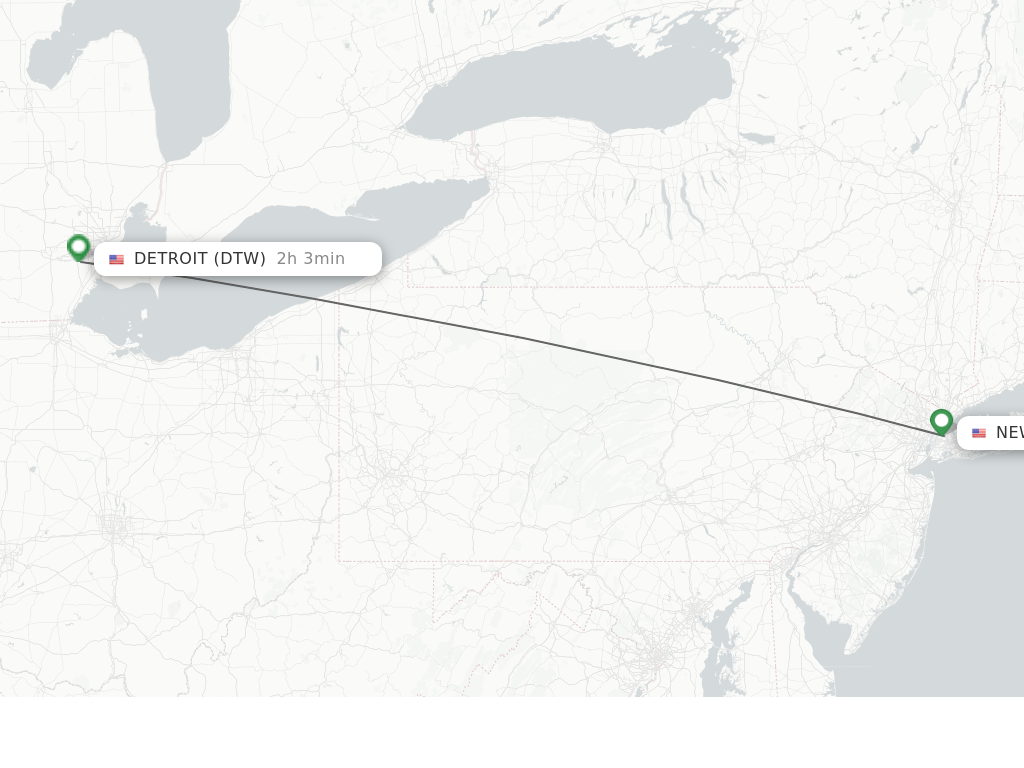
Embarking on a journey between two iconic American metropolises, Detroit and New York City, offers a compelling exploration of distance, time, and the diverse landscapes that bridge them. While the crow flies, the distance is a mere 500 miles, the practicalities of travel introduce a fascinating array of options, each with its own unique appeal and set of considerations for the modern traveler. Whether you’re planning a swift business trip, a leisurely road adventure, or a convenient flight, understanding these distances and the methods to traverse them is paramount to a well-executed itinerary.

Navigating the Miles: Modes of Transport
The journey from the Motor City to the Big Apple is not defined by a single distance but by the cumulative experience of your chosen mode of transport. Each method offers a different perspective on the American heartland and the transition from the industrial past of Detroit to the bustling present of New York City.
By Air: The Swift Transcontinental Flight
For those prioritizing speed and efficiency, air travel presents the most direct route. Numerous airlines operate daily flights connecting Detroit Metropolitan Wayne County Airport (DTW) to the various airports serving New York City, including John F. Kennedy International Airport (JFK), LaGuardia Airport (LGA), and Newark Liberty International Airport (EWR).
The actual flight time typically ranges from 1 hour and 45 minutes to 2 hours, making it a remarkably efficient way to cover the geographical expanse. However, it’s crucial to factor in the additional time required for travel to and from airports, check-in procedures, security screening, and baggage claim. When all is accounted for, a journey from door-to-door by air can realistically span between 4 to 6 hours. This allows for same-day travel, enabling business professionals to attend meetings or tourists to maximize their time exploring Manhattan or other New York City boroughs.
By Road: The Classic American Road Trip
The allure of the open road beckons many, offering a more immersive and flexible way to travel between Detroit and New York City. The most common driving route spans approximately 650 to 700 miles, depending on the specific path taken. This journey typically traverses through states like Michigan, Ohio, Pennsylvania, and New Jersey, each offering its own unique glimpses of American culture and landscapes.
Driving non-stop, with minimal breaks for fuel and refreshments, would likely take around 10 to 12 hours. However, this is rarely the ideal approach for such a significant distance. A more enjoyable and practical road trip would involve at least one overnight stop. Popular stopping points include cities like Cleveland, Pittsburgh, or even smaller towns along the way, allowing travelers to break up the journey, explore local attractions, and rest adequately. This transforms the drive into a multi-day experience, typically lasting 2 to 3 days, offering opportunities to discover roadside diners, historic sites, and charming communities.
By Rail: A Scenic and Relaxing Alternative
For those who prefer to eschew the stresses of driving or airport security, the train offers a compelling and often scenic alternative. Amtrak provides passenger rail services connecting Detroit and New York City. The journey typically involves a transfer, often in cities like Chicago or Toledo, before continuing eastward.
The total travel time by train can be substantial, often ranging from 18 to 24 hours or even more, depending on the specific route and connections. While significantly longer than flying, train travel offers a unique opportunity to relax, work, or simply enjoy the changing scenery from the comfort of your seat or private sleeper car. It’s an experience that allows for a slower pace, the ability to move around, and the enjoyment of meals served onboard, making the journey itself a part of the travel adventure. This option is ideal for travelers who value the experience of the trip as much as the destination.

Planning Your Passage: Key Considerations
Regardless of the chosen mode of transport, meticulous planning is key to a successful transition between Detroit and New York City. Understanding the nuances of each travel option will help you select the most suitable method for your needs and preferences.
Budgetary Differences
The cost of traveling between these two major cities varies considerably. Flights, while fast, can be expensive, especially if booked last minute or during peak travel seasons. However, with advance booking and flexibility with dates, competitive fares can often be found. Road trips involve expenses such as fuel, tolls, accommodation, and food, which can be managed more effectively by those on a tighter budget or traveling in groups. The train, while often more costly than driving, provides a middle ground, with ticket prices fluctuating based on the type of accommodation booked and the timing of the reservation.
Time Management
When time is of the essence, flights are undoubtedly the quickest option for covering the considerable distance. However, the total travel time, including airport procedures, can rival or even exceed a significant portion of a driving day if one were to drive directly. For those with ample time and a desire to explore, the road trip offers a slower, more deliberate pace, allowing for spontaneous stops and deeper exploration of the regions in between. Train travel, with its extended duration, is best suited for those who can afford to dedicate more time to the journey itself, viewing it as an integral part of their travel experience.
Comfort and Experience
Comfort levels also play a crucial role in decision-making. Air travel, while efficient, can sometimes feel cramped and restrictive. Road trips offer the ultimate freedom and control over your environment, allowing for personalized comfort stops and the ability to carry more luggage. Train travel provides a unique blend of comfort and the ability to move about, with the added benefit of panoramic views and a more relaxed atmosphere compared to air travel. Choosing the right mode of transport can significantly enhance the overall travel experience, turning a simple transit into a memorable part of your adventure.
The Journey’s End: Arrival in New York City
Upon arrival in New York City, whether by air, car, or train, you are immediately immersed in the vibrant energy of one of the world’s most dynamic cities. From the transportation hubs, reaching your final destination within the city requires further planning.
If you arrive by air at JFK, LGA, or EWR, options include taxis, ride-sharing services, airport shuttles, and public transportation like the AirTrain and subway systems, which provide an economical way to reach various parts of the city.
Arriving by car means navigating the often-congested streets of New York City, a challenge in itself. Parking in Manhattan and other popular boroughs can be notoriously expensive and difficult to find. Therefore, many visitors opt to park at their hotel or a designated parking garage upon arrival and then utilize the city’s extensive public transit system.
Those arriving by train at Penn Station in Manhattan are centrally located, with immediate access to subway lines and a short walk or taxi ride to numerous hotels and attractions. The ease of transition from the train station to the heart of the city makes it a convenient arrival point for many travelers.
Ultimately, the question of “How Far Is Detroit From New York City?” is best answered not just by mileage, but by the journey itself, and the myriad of ways one can bridge the geographical and experiential divide between these two significant American hubs.
LifeOutOfTheBox is a participant in the Amazon Services LLC Associates Program, an affiliate advertising program designed to provide a means for sites to earn advertising fees by advertising and linking to Amazon.com. Amazon, the Amazon logo, AmazonSupply, and the AmazonSupply logo are trademarks of Amazon.com, Inc. or its affiliates. As an Amazon Associate we earn affiliate commissions from qualifying purchases.