
Planning a road trip across the great state of Michigan offers a wealth of diverse experiences, from the vibrant urban pulse of Detroit to the artistic heart of Grand Rapids. Understanding the distances between these key destinations is crucial for efficient travel planning, whether you’re embarking on a scenic drive, a quick business trip, or a leisurely exploration of the state’s attractions. This guide delves into the various aspects of traveling between Grand Rapids and Detroit, covering driving routes, estimated travel times, and considerations for different modes of transportation.
Navigating the Routes: Driving from Grand Rapids to Detroit
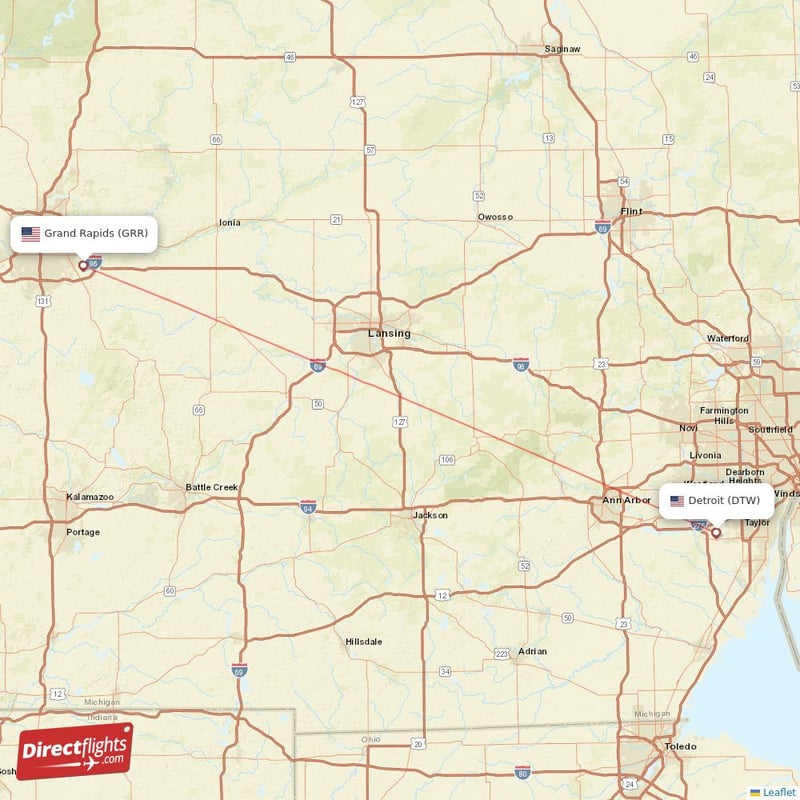
The most common and practical way to travel between Grand Rapids and Detroit is by car. The journey primarily utilizes the interstate highway system, offering a relatively straightforward drive. The most direct route typically involves heading east on I-96 for the majority of the trip.

The Primary Interstate Route: I-96 East
The Interstate 96 (I-96) East corridor is the backbone of this journey. Starting in Grand Rapids, you’ll merge onto I-96 East and follow it for approximately 130-140 miles, depending on your exact starting and ending points within each city. This stretch of highway is well-maintained and offers a consistent speed limit, generally allowing for efficient travel.
Key Considerations for I-96 East:
- Traffic Patterns: Be mindful of traffic, especially as you approach Detroit and its surrounding suburbs. Rush hour periods, typically in the morning (6:00 AM – 9:00 AM) and afternoon (3:00 PM – 6:00 PM) on weekdays, can significantly increase travel time.
- Construction Zones: Like any major highway, I-96 can experience construction delays. It’s advisable to check real-time traffic conditions and potential closures before you depart. Apps like Google Maps or Waze can provide valuable updates.
- Rest Stops and Amenities: Along I-96, you’ll find numerous rest areas and exits with gas stations, fast-food restaurants, and convenience stores. Plan for these stops to ensure a comfortable journey.
Alternative Routes and Scenic Detours
While I-96 East is the most direct, alternative routes exist, which might be preferable depending on your interests or if you wish to avoid certain sections of the highway.
- M-14 East: In some instances, particularly closer to Ann Arbor, portions of M-14 East can be utilized as an alternative to or in conjunction with I-96. This can sometimes offer a slightly different perspective of the landscape.
- Southern Routes: For those with more time or an interest in exploring southern Michigan, routes involving I-94 could be considered. However, this would significantly increase the overall mileage and travel time.
The most commonly recommended and efficient route remains the direct path along I-96 East.
Estimating Travel Time: Factors Influencing Your Journey
The estimated driving time between Grand Rapids and Detroit can vary. On average, under ideal conditions with minimal traffic and no significant delays, the drive can take approximately 2.5 to 3 hours.
However, several factors can influence this estimate:
1. Time of Day and Day of Week
- Weekday Rush Hour: As mentioned, traveling during peak commuting hours on weekdays will almost certainly add 30 minutes to an hour, or even more, to your journey, especially as you get closer to Detroit.
- Weekend Travel: Weekends can also see increased traffic, particularly on Friday afternoons as people head out of the city and Sunday afternoons as they return.
- Holidays: Major holidays often coincide with heavy travel, so expect longer travel times during these periods.
2. Weather Conditions
Michigan weather can be unpredictable.
- Winter Storms: Snowfall, ice, and reduced visibility during winter months can dramatically slow down travel. Snow emergencies and road closures are not uncommon, necessitating significant detours or delays.
- Heavy Rain and Fog: Severe rain or dense fog can also impact driving conditions, requiring slower speeds and increasing travel time.
3. Road Construction and Detours
Seasonal road maintenance and ongoing construction projects are a reality of highway travel. Check local and state Department of Transportation websites for current information on I-96 and surrounding routes. Unexpected detours can add substantial time to your trip.
4. Stops and Breaks
The estimated 2.5 to 3 hours generally assumes a continuous drive. If you plan to stop for gas, meals, or to stretch your legs, factor in additional time. A typical 15-30 minute stop for each necessity will extend your total travel duration.
Beyond the Car: Alternative Transportation Options
While driving is the most prevalent method of transit, other options exist for traveling between Grand Rapids and Detroit.
1. Bus Services
Several intercity bus companies operate routes connecting Grand Rapids and Detroit. These services can be a cost-effective alternative to driving, especially for solo travelers.
- Providers: Companies like Greyhound and others may offer daily departures.
- Travel Time: Bus journeys are typically longer than driving due to multiple stops and the nature of bus travel. Expect travel times to range from 3.5 to 4.5 hours, sometimes more, depending on the specific route and number of stops.
- Depot Locations: Be aware of the departure and arrival locations in each city. In Grand Rapids, the bus station is usually centrally located. In Detroit, the primary bus terminal is often located downtown or in a well-connected area.
2. Ridesharing Services
For a more flexible, albeit potentially more expensive, option, ridesharing services can be considered.
- Availability: Services like Uber and Lyft do operate between Grand Rapids and Detroit. However, booking a direct long-distance ride can be subject to driver availability and significant cost.
- Cost: The fare for such a trip would be considerably higher than a bus ticket or the cost of gas for a personal vehicle. It’s advisable to get a quote in advance.
- Convenience: The primary advantage is door-to-door service and flexibility in departure times.
3. Rail Travel (Limited Direct Options)
Direct passenger rail service between Grand Rapids and Detroit is not a readily available option. Amtrak routes primarily focus on other corridors within Michigan and do not offer a convenient direct connection for this specific journey. Travelers seeking rail would likely need to connect through other cities, making it a less practical choice compared to driving or bus travel.
Making the Most of Your Transit Experience
Regardless of the method you choose to travel between Grand Rapids and Detroit, optimizing your journey is key to a positive experience.
Pre-Trip Planning
- Check Traffic and Weather: Before you leave, use navigation apps to check real-time traffic conditions and the weather forecast. This allows you to adjust your departure time or route if necessary.
- Vehicle Maintenance: If driving, ensure your vehicle is in good condition. Check tire pressure, oil levels, and fluid levels. A breakdown can be a significant inconvenience and delay.
- Pack Essentials: Whether driving or taking a bus, pack essentials such as snacks, water, a portable charger for your devices, and entertainment (books, music, podcasts).

During Your Journey
- Stay Alert: If driving, remain alert and aware of your surroundings. Take breaks every few hours to avoid fatigue.
- Utilize Navigation: Rely on GPS navigation for the most efficient routes and to receive real-time updates on traffic and road closures.
- Enjoy the Scenery: While the primary focus might be the destination, take some time to appreciate the changing landscapes of Michigan as you travel from the west side of the state to the east.
By understanding the distances, typical travel times, and available transportation options, you can confidently plan your transit between the dynamic city of Grand Rapids and the historic metropolis of Detroit, ensuring a smooth and enjoyable travel experience.
LifeOutOfTheBox is a participant in the Amazon Services LLC Associates Program, an affiliate advertising program designed to provide a means for sites to earn advertising fees by advertising and linking to Amazon.com. Amazon, the Amazon logo, AmazonSupply, and the AmazonSupply logo are trademarks of Amazon.com, Inc. or its affiliates. As an Amazon Associate we earn affiliate commissions from qualifying purchases.