
The question of distance between two major North American cities, Toronto, Canada and Detroit, Michigan, is a frequent one for travelers, business professionals, and those with family ties. While seemingly close on a map, the precise mileage, travel times, and the most efficient ways to traverse this international border are crucial for planning any journey. Understanding the nuances of this cross-border trip can significantly impact your travel experience, from navigating customs to optimizing your itinerary.
The Direct Distance and Driving Routes
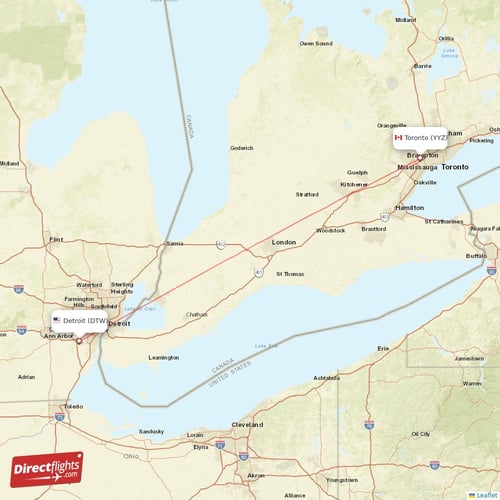
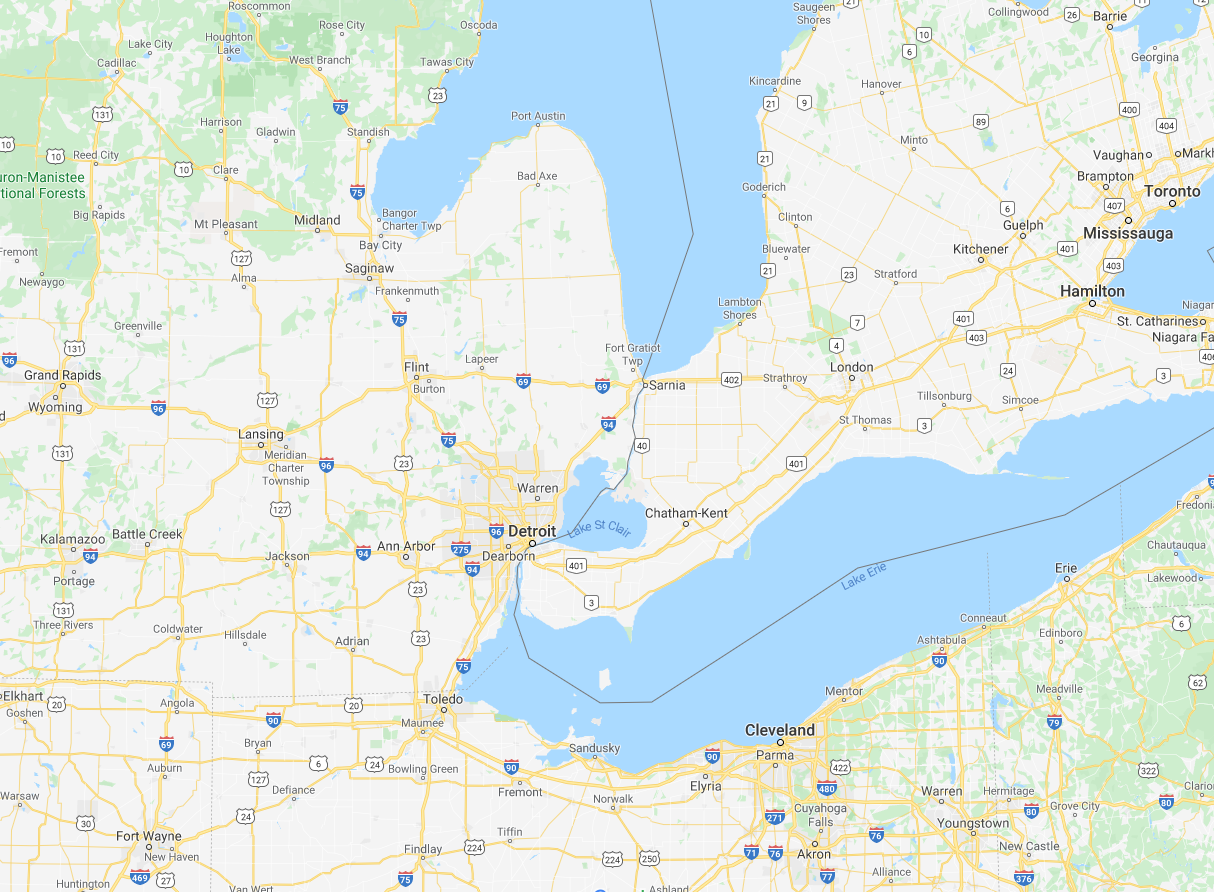
The most straightforward answer to “how far is Toronto from Detroit?” involves measuring the shortest driving distance. This route typically takes drivers across the Ambassador Bridge or through the Detroit-Windsor Tunnel, both of which connect Detroit, Michigan to Windsor, Ontario, a Canadian city directly across the Detroit River from its American counterpart.
Driving Mileage and Time Estimates
The total driving distance from downtown Detroit to downtown Toronto is approximately 380 to 400 kilometers (about 235 to 250 miles), depending on the specific start and end points within each city and the chosen route. This distance translates into a significant travel time, typically ranging from 3.5 to 4.5 hours of pure driving, excluding any stops or potential delays.
It is imperative to factor in additional time for crossing the international border. Both the Ambassador Bridge and the Detroit-Windsor Tunnel are major international crossings, and wait times can vary considerably based on the time of day, day of the week, and current border security protocols. Peak travel times, such as Friday evenings or Sunday afternoons, can see wait times extend by 30 minutes to well over an hour. Travelers are advised to check real-time border crossing wait times online before departing to make informed decisions about which crossing to use.
The drive itself is generally straightforward, with well-maintained highways. From Detroit, drivers will typically take I-75 North to get to the border crossing. After crossing into Canada via Windsor, the route follows Highway 401 East, which is the main artery connecting Southwestern Ontario to the Greater Toronto Area. Highway 401 is a multi-lane expressway for the majority of the journey, making for relatively swift travel when traffic conditions are favorable.
Factors Affecting Travel Time
Several variables can significantly influence the actual travel time between these two cities:
- Border Crossing Delays: As mentioned, this is often the most unpredictable element. Weekends, holidays, and periods of increased security can lead to substantial wait times.
- Traffic Congestion: Both Detroit and the Greater Toronto Area are large metropolitan regions. Navigating through these urban centers, especially during rush hour, can add considerable time to the journey. Highway 401 approaching Toronto can experience significant backups.
- Road Conditions and Construction: Seasonal weather, particularly during winter months, can impact road conditions and driving speeds. Road construction projects are also common on major highways like Highway 401 and can lead to lane closures and detours, slowing down traffic.
- Time of Day: Driving during off-peak hours, such as mid-morning or late at night, generally results in shorter travel times and fewer traffic-related delays.
Alternative Travel Methods: Flights and Buses
While driving is a popular method for many, alternative transportation options exist for those seeking different travel experiences or prioritizing speed.
Flying Between Detroit and Toronto
Direct flights between Detroit Metropolitan Wayne County Airport (DTW) and Toronto Pearson International Airport (YYZ) are available, offering the quickest travel time for the distance covered.
Flight Durations and Logistics
The actual flight time between Detroit and Toronto is remarkably short, typically around 1 hour to 1 hour and 15 minutes. However, when considering the entire process of air travel, the total time commitment increases substantially. This includes:
- Travel to the Airport: Getting to DTW from your location in Detroit can take anywhere from 30 minutes to over an hour, depending on traffic and distance.
- Airport Procedures: Arriving at DTW at least two hours before an international flight is recommended to allow ample time for check-in, baggage drop, and security screening.
- Boarding and Flight: The flight itself is brief.
- Arrival and Customs: Upon landing at YYZ, passengers must disembark, proceed through Canadian customs and immigration, and collect any checked baggage. This process can also take a considerable amount of time, especially during busy periods.
- Travel from the Airport: From YYZ, travel to your final destination in Toronto can take another 30 minutes to an hour or more, depending on traffic and your specific location within the city.
Considering these factors, while the flight is short, the total door-to-door travel time for flying can often rival or even exceed the time spent driving, especially if border crossing wait times are minimal for drivers. Air travel also generally comes with a higher cost.
Bus Services Between the Cities
Intercity bus services offer a more budget-friendly option for traveling between Detroit and Toronto. Companies like FlixBus and Megabus operate routes that connect these two major hubs.
Bus Travel Experience and Time Commitment

Bus journeys between Detroit and Toronto are typically the longest in terms of duration. The total travel time can range from 5 to 7 hours, sometimes longer, depending on the specific route, the number of stops, and border crossing procedures.
The advantages of bus travel include:
- Cost-Effectiveness: Bus tickets are often the most affordable option for this route.
- Comfort and Amenities: Modern buses often come equipped with Wi-Fi, power outlets, and reclining seats, making the longer journey more bearable.
- Convenience: Bus stations are usually located in city centers, offering easy access to public transportation upon arrival.
However, travelers should be prepared for the extended travel time and potential for delays, particularly at the border. Unlike driving where you have more control over your stops, bus schedules are fixed.
Navigating the Border Crossing: Essential Information
Crossing the border between the United States and Canada requires proper documentation and an understanding of the regulations in place.
Required Documentation for Crossing
For U.S. citizens and permanent residents traveling from Detroit to Toronto, the following are generally accepted for entry into Canada:
- U.S. Passport: This is the most common and recommended form of identification.
- Passport Card: A more wallet-friendly alternative to a full passport for land and sea travel.
- Enhanced Driver’s License (EDL): Available in some U.S. border states, an EDL is a valid WHTI-compliant document for crossing into Canada.
- Trusted Traveler Program Cards: NEXUS cards are specifically designed for expedited crossing between the United States and Canada.
For Canadian citizens and permanent residents traveling from Toronto to Detroit, similar documentation will be required for re-entry into Canada and entry into the United States.
It is crucial to ensure all documents are valid and not expired. Individuals traveling with minors should also carry proof of guardianship or parental consent if not all parents are present.
Customs Declarations and Restrictions
Upon arrival at the border, travelers will be interviewed by a border services officer who will ask about the purpose of their visit, the duration of their stay, and what goods they are bringing into the country. Be prepared to declare any items that may be subject to duties or restrictions, such as alcohol, tobacco, firearms, and large amounts of currency. U.S. Customs and Border Protection (CBP) and the Canada Border Services Agency (CBSA) have specific guidelines regarding what can and cannot be brought across the border. Familiarizing yourself with these regulations beforehand can prevent delays and potential confiscations. Prohibited items include certain food products, plants, and animals.
Planning Your Trip: Tips for a Smooth Journey
Whether you’re planning a weekend getaway, a business trip, or a visit to friends and family, thoughtful planning can ensure a seamless travel experience between Toronto and Detroit.
Best Times to Travel
To minimize travel disruptions, consider these optimal travel windows:
- Avoid Peak Times: Steering clear of Friday evenings, Sunday afternoons, and holiday weekends can significantly reduce border wait times and traffic congestion.
- Mid-Week Travel: Tuesdays, Wednesdays, and Thursdays are often the least busy days for cross-border travel.
- Off-Peak Hours: Traveling early in the morning (before 7 AM) or late at night (after 9 PM) can also result in shorter waits at the border.
Vehicle Preparation and Border Crossing Tools
If driving, ensure your vehicle is in good condition, especially if traveling during inclement weather. Check tire pressure, fluids, and brakes. Carry a basic emergency kit. For navigation, reliable GPS or mapping apps are essential. Consider downloading offline maps in case of spotty cell service. For real-time border wait times, resources like the cbp.gov website for U.S. crossings and the cbsa-asfc.gc.ca website for Canadian crossings, along with various third-party apps, can be invaluable.
Accommodation and Activities in Toronto
Once you’ve determined the travel time and mode of transport, it’s time to consider your stay and activities in Toronto. The city offers a diverse range of accommodations, from luxury hotels in the downtown core like the Fairmont Royal York to boutique hotels in trendy neighborhoods and budget-friendly options. Popular attractions include the CN Tower, the Royal Ontario Museum, and the vibrant Distillery District. Don’t forget to explore diverse culinary scenes, catch a Toronto Raptors or Toronto Maple Leafs game at the Scotiabank Arena, or take a ferry to the Toronto Islands for stunning city views. Understanding the distance and travel time from Detroit is the first step in unlocking the many experiences Toronto has to offer.
LifeOutOfTheBox is a participant in the Amazon Services LLC Associates Program, an affiliate advertising program designed to provide a means for sites to earn advertising fees by advertising and linking to Amazon.com. Amazon, the Amazon logo, AmazonSupply, and the AmazonSupply logo are trademarks of Amazon.com, Inc. or its affiliates. As an Amazon Associate we earn affiliate commissions from qualifying purchases.