
Navigating the skies between Detroit and Las Vegas involves understanding flight durations, which can fluctuate based on several key factors. This journey, a popular route connecting the industrial heartland of Michigan with the glittering entertainment capital of Nevada, typically falls into the category of a transcontinental flight. While the direct distance might suggest a certain timeframe, the actual time spent in the air is influenced by airline scheduling, aircraft type, and importantly, prevailing wind conditions. For travelers planning this trip, gaining a clear picture of potential flight times is crucial for effective itinerary management and setting realistic expectations for their travel day.
Understanding Flight Duration Metrics
When discussing flight times, it’s important to differentiate between scheduled duration and actual flight time. Scheduled duration is the time allocated by the airline for the flight, encompassing taxiing, takeoff, the flight itself, and landing procedures. Actual flight time, often referred to as “wheels-up to wheels-down,” is the time the aircraft is airborne. This distinction is vital because ground operations can add significant minutes to the overall journey.
Scheduled Flight Time vs. Actual Flight Time
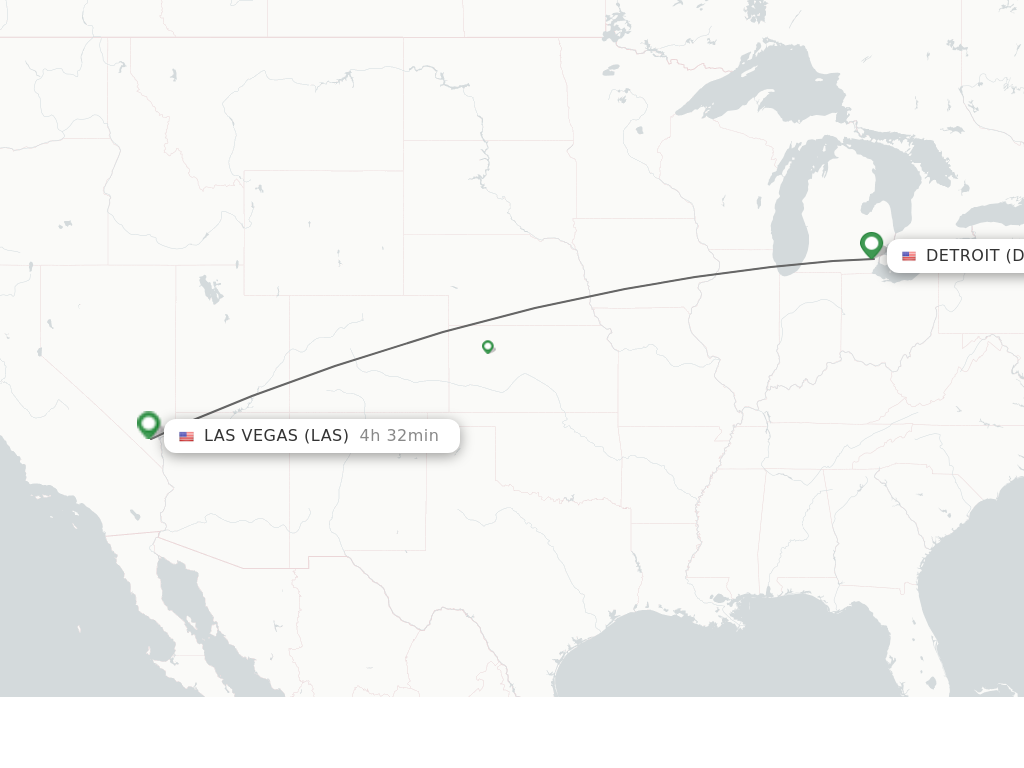
A typical non-stop flight from Detroit Metropolitan Wayne County Airport (DTW) to McCarran International Airport (LAS) is scheduled to be approximately 4 hours and 30 minutes. However, this figure is an average. Actual flight times can be shorter or longer. For instance, a tailwind can significantly reduce the airborne time, while a headwind can extend it. Airlines factor these possibilities into their scheduling, but on any given day, the experience can vary.
Factors Influencing Flight Duration
Several elements contribute to the variability of flight times:
- Wind Conditions: This is perhaps the most significant variable for transcontinental flights. Flying eastward (from Las Vegas to Detroit) often involves headwinds due to the prevailing westerly jet stream, potentially lengthening the flight. Conversely, flying westward typically benefits from tailwinds, shortening the flight duration. The specific strength and direction of the jet stream on any given day play a critical role.
- Aircraft Type: Different aircraft have varying cruising speeds. While most commercial jets on this route will be similar in speed, slight differences can account for a few minutes here and there. Larger aircraft might also have slightly longer taxi times at busy airports.
- Airline Scheduling: Airlines create schedules based on historical data and projected conditions. They aim to provide reliable departure and arrival times, but these are often estimates.
- Air Traffic Control (ATC) and Flight Path: While direct routes are generally preferred, air traffic congestion, weather patterns along the route, or temporary airspace restrictions can necessitate deviations, leading to longer flight paths and thus, longer flight times.
Typical Non-Stop Flight Durations
For travelers seeking a direct journey, the convenience of a non-stop flight is paramount. The absence of layovers drastically simplifies travel plans and reduces the overall time commitment.
The Average Non-Stop Journey
On average, a non-stop flight from Detroit to Las Vegas will hover around the 4.5-hour mark. This means that from the moment the aircraft leaves the gate at Detroit Metropolitan Wayne County Airport until it arrives at McCarran International Airport, the entire process, including taxiing, will take approximately this amount of time. The actual time spent in the air, from takeoff to landing, is usually a bit less, closer to 4 hours, depending on the factors mentioned.
Potential Variations for Non-Stop Flights
It’s not uncommon for the actual flight time to be as short as 4 hours or extend to 4 hours and 45 minutes, even on a non-stop service. For example, favorable tailwinds from the west could see an inbound flight from Las Vegas to Detroit complete its airborne journey in under 4 hours. Conversely, strong headwinds might push the duration closer to the 4-hour 45-minute mark. Passengers should always check their specific flight details for the most accurate scheduled time provided by the airline.
Flights with Layover: Extended Travel Times
While non-stop flights offer efficiency, flights with layovers are often more common or may present a more budget-friendly option. These journeys, however, introduce additional travel time and complexity.
Common Layover Cities
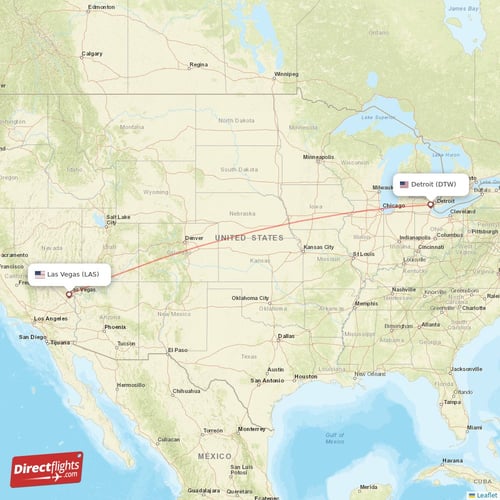
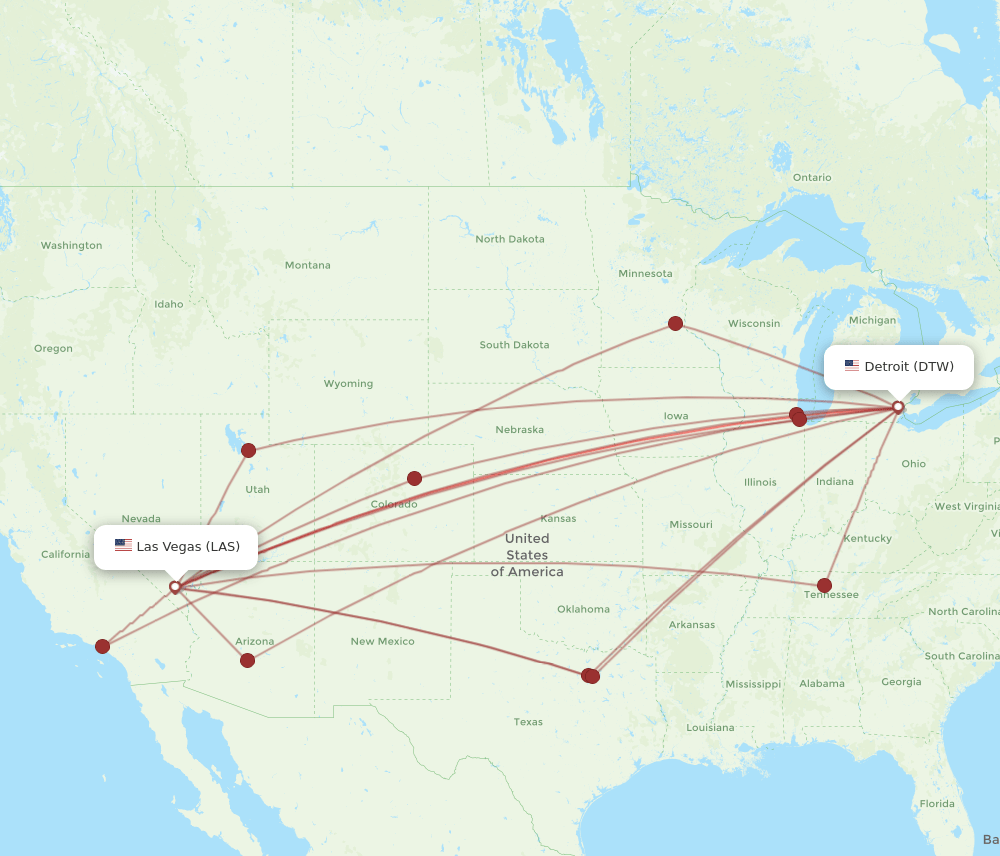
Flights from Detroit to Las Vegas with layovers typically stop in major hubs. Common cities for connections include:
- Chicago (O’Hare International Airport – ORD or Midway International Airport – MDW)
- Denver (Denver International Airport – DEN)
- Dallas/Fort Worth (Dallas/Fort Worth International Airport – DFW)
- Atlanta (Hartsfield-Jackson Atlanta International Airport – ATL)
- Salt Lake City (Salt Lake City International Airport – SLC)
Calculating Total Travel Time with Layovers
The total travel time for a flight with a layover is the sum of the flight durations for each leg, plus the layover time. A typical layover duration can range from 1 hour to several hours, depending on the airline’s schedule and the airport.
-
Example Scenario:
- Flight 1: Detroit to Chicago (approx. 1.5 hours flight time + taxiing)
- Layover: 2 hours at Chicago O’Hare
- Flight 2: Chicago to Las Vegas (approx. 3 hours flight time + taxiing)
In this hypothetical scenario, the total travel time would be roughly 1.5 hours + 2 hours + 3 hours = 6.5 hours. However, this is a simplified calculation. The actual scheduled travel time provided by the airline will account for all these elements, including taxiing and gate-to-gate time. Thus, a flight with one layover can easily extend the total travel time to anywhere from 6 to 9 hours, or even more, depending on the length of the layover and the specific flight segments.
Planning Your Trip: Practical Considerations
When booking a flight, understanding the nuances of flight duration is essential for a smooth travel experience. It allows for better planning of airport arrival times, connection management, and overall itinerary.
Booking and Researching Flights
When searching for flights on booking websites or directly with airlines, pay close attention to the listed “duration” or “total travel time.” This figure usually represents the scheduled gate-to-gate time. For non-stop flights, this will be close to the flight time. For flights with layovers, it will include all flight segments and the layover period.
Strategies for Managing Travel Time
- Prioritize Non-Stop: If time is a critical factor, opt for non-stop flights. These are generally more expensive but offer the most efficient travel.
- Choose Shorter Layovers Wisely: If a layover is necessary, look for options with layover times that are not excessively long but still provide ample time to navigate the airport and catch the connecting flight. A layover of 1 to 2 hours is generally sufficient for domestic connections in major airports.
- Consider Time Zone Changes: Remember that Las Vegas is in the Pacific Time Zone (PT), which is three hours behind the Eastern Time Zone (ET) where Detroit is located. This means that even if your flight duration is 4.5 hours, you will arrive in Las Vegas 7.5 hours after your departure time when accounting for the time difference. For example, a 10:00 AM ET departure from Detroit (which is 7:00 AM PT) would land in Las Vegas around 1:30 PM PT, assuming a 4.5-hour scheduled flight.
By understanding these elements, travelers can better prepare for their journey from Detroit to the vibrant city of Las Vegas, ensuring a more predictable and less stressful travel experience.
LifeOutOfTheBox is a participant in the Amazon Services LLC Associates Program, an affiliate advertising program designed to provide a means for sites to earn advertising fees by advertising and linking to Amazon.com. Amazon, the Amazon logo, AmazonSupply, and the AmazonSupply logo are trademarks of Amazon.com, Inc. or its affiliates. As an Amazon Associate we earn affiliate commissions from qualifying purchases.