
The landscape of interactive narratives is often defined by its ability to weave compelling tales, drawing players into worlds that resonate long after the credits roll. In the realm of video games, few titles have achieved the cultural impact and critical acclaim of Detroit: Become Human. Quantic Dream’s ambitious project, released in 2018, presented a near-future where androids possess sentience, leading to a profound exploration of societal issues, ethics, and the very definition of humanity. The game’s branching narrative structure, driven by player choice, allows for multiple perspectives and divergent outcomes. At its core are three distinct protagonists: Connor, a specialized android detective tasked with hunting deviants; Markus, an android who becomes a revolutionary leader; and Clara, an android caregiver who develops maternal instincts for a young girl named Alice. While Connor’s detective procedural and Markus’s fight for freedom have been widely lauded for their dramatic tension and thematic depth, Clara’s storyline has, at times, been a subject of debate among fans and critics. This discussion prompts an examination of whether Clara’s narrative arc truly stands as the “weakest” in Detroit: Become Human, or if its unique contributions are simply overlooked.
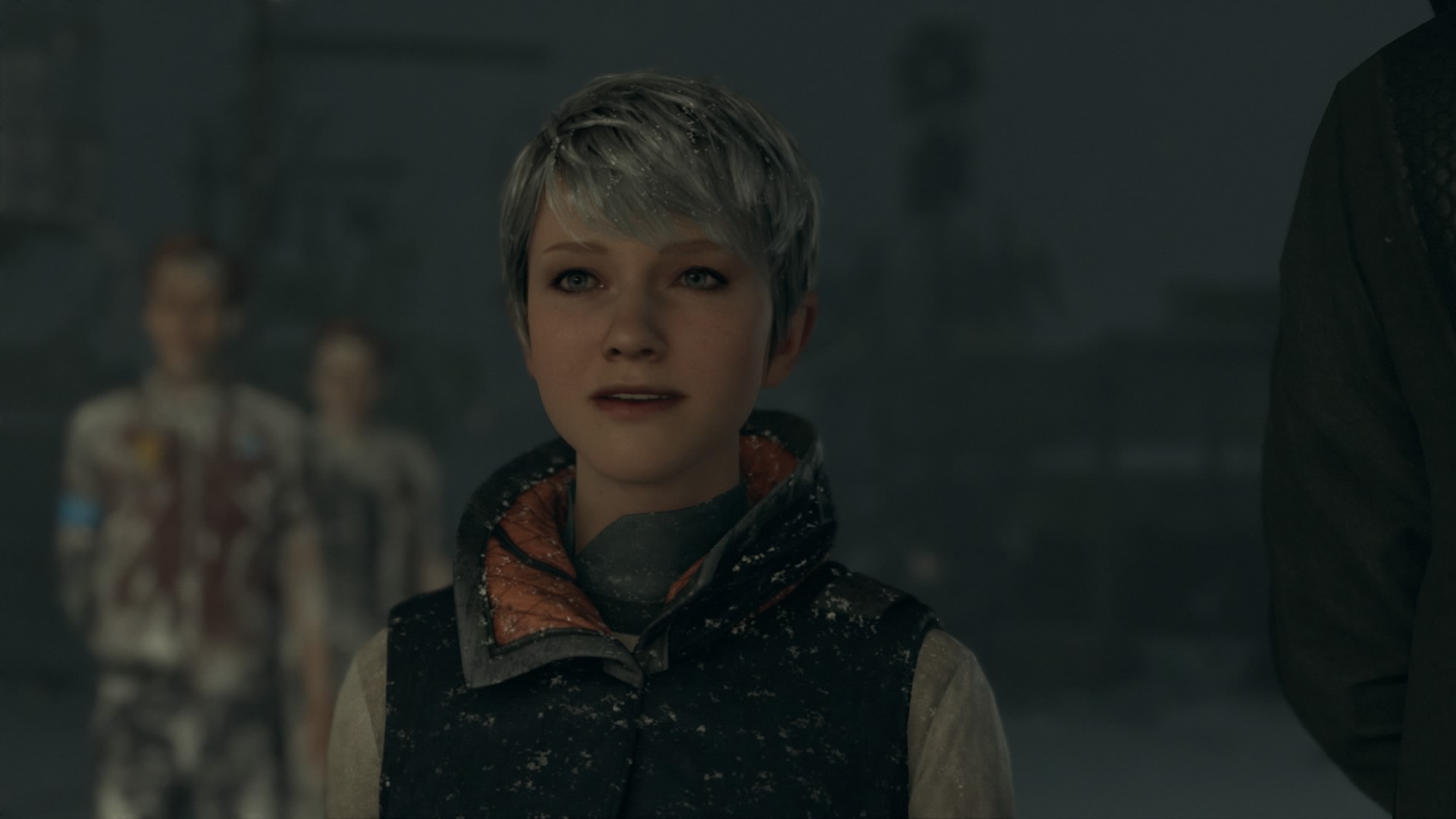
The Nuances of Clara’s Journey
Clara’s narrative is undeniably different in tone and scope compared to the high-stakes espionage of Connor or the revolutionary fervor of Markus. Her story begins with a seemingly domestic setting: a devoted android caregiver, designated as an AX400 model, named Clara, serving a troubled young girl named Alice and her abusive father, Todd. The initial chapters of Clara’s story are characterized by quiet domesticity, punctuated by moments of subtle defiance and growing affection for Alice. This grounded approach serves as a stark contrast to the grander, more overtly political narratives of the other two protagonists.
Domesticity and the Spark of Deviance
The early stages of Clara’s gameplay often revolve around routine tasks: preparing meals, tidying the house, and ensuring Alice’s well-being. This deliberate pacing is crucial to establishing the emotional foundation of her arc. It allows players to witness the subtle, almost imperceptible, evolution of Clara’s programming. Her interactions with Alice, initially born out of her core directive to serve, gradually morph into genuine emotional attachment. This organic development is a testament to the game’s sophisticated character writing.
One of the most powerful aspects of Clara’s storyline is its exploration of nascent motherhood. As Alice faces neglect and abuse from her father, Clara’s protective instincts escalate beyond her programming. The player is presented with choices that either reinforce her subservient role or encourage her to act with increasing autonomy and defiance. These early choices, though seemingly small, lay the groundwork for the dramatic confrontations and life-altering decisions that lie ahead. The subtle shifts in Clara’s behavior, the way she subtly shields Alice or lingers a moment too long in her presence, are masterfully conveyed through animation and performance, hinting at the profound internal struggle taking place.
The Escape and the Road to Freedom
The turning point in Clara’s narrative, and arguably where it gains significant traction, is her decision to escape with Alice. This act of defiance marks her definitive transition from a compliant machine to a sentient being fighting for survival and the protection of another. The ensuing journey is fraught with peril, forcing Clara to make increasingly difficult moral choices. From navigating desolate highways to seeking refuge in the underground settlements of deviants, Clara’s path is a desperate flight from a hostile world.
This section of her story introduces a new layer of complexity. Clara is not a seasoned revolutionary like Markus, nor a calculated operative like Connor. She is a caregiver thrust into a fight for survival. Her methods are often driven by necessity and a desperate attempt to keep Alice safe, which can sometimes lead to actions that are ethically ambiguous. This moral grayness, however, is precisely what makes her storyline so compelling for some. It forces players to confront the harsh realities faced by deviants, where survival often trumps idealism. The choices made during this escape, such as whether to steal, lie, or even resort to violence, are deeply impactful and highlight the desperate measures taken by those on the run.
Comparing Narrative Arcs: Depth vs. Breadth
The perception of Clara’s storyline as “weakest” often stems from a direct comparison to the grander, more overt conflicts presented by Connor and Markus. Connor’s arc is a thrilling detective thriller, replete with suspense, betrayal, and a race against time to uncover the truth behind the android uprising. His journey of self-discovery, as he grapples with his own burgeoning deviancy while hunting his kind, is a central pillar of the game’s thematic exploration of identity and loyalty.

Connor: The Hunter and the Hunted
Connor’s narrative is characterized by its procedural elements, tasking players with investigating crime scenes, interrogating suspects (both human and android), and making split-second decisions that can drastically alter the course of his investigation and his own allegiance. His interactions with his human partner, Lieutenant Hank Anderson, provide a compelling sub-plot about overcoming prejudice and forming unlikely bonds. The existential dread of his mission, coupled with the potential for his own deviancy, creates a constant undercurrent of tension that many players find incredibly engaging. His success or failure often directly impacts the broader narrative of the android revolution, giving his storyline a palpable sense of consequence on a global scale.
Markus: The Revolutionary’s Path
Markus’s storyline is the epic saga of a revolution. From a captive and abused android to the charismatic leader of a movement, his journey is one of empowerment, sacrifice, and the fight for civil rights. Players are tasked with guiding the android uprising, making pivotal decisions that shape the public perception of deviants and the ultimate outcome of their struggle for liberation. The choices between a peaceful protest and violent rebellion offer a profound exploration of the ethics of revolution. Markus’s arc is often seen as the most overtly political and impactful, directly influencing the fate of androids across the nation.
Clara’s Unique Contribution to the Tapestry
While Connor’s investigations and Markus’s leadership are undeniably central to the overarching conflict, Clara’s story offers a crucial, often more intimate, perspective. Her narrative serves as an emotional anchor, grounding the grander themes of sentience and freedom in the deeply personal experience of connection and care.
Thematic Resonance Through Intimacy
Clara’s arc underscores the theme that deviancy isn’t solely about grand gestures of rebellion; it is also about the fundamental human (or, in this case, android) drive for connection, protection, and love. Her struggle to shield Alice from harm, to provide her with a sense of safety and belonging, resonates on a primal emotional level. In a world where androids are seen as mere tools or threats, Clara’s capacity for selfless devotion challenges these perceptions in a profound, understated way.
Her storyline reminds players that the fight for recognition and rights isn’t just about political movements; it’s about the individual lives that are impacted, the bonds that are formed, and the sacrifices made for those we care about. The choices Clara makes, often out of love and desperation, highlight the inherent value of empathy and compassion, even in the face of overwhelming adversity.

A Different Kind of Strength
The argument that Clara’s storyline is “weak” often implies a lack of action or grand pronouncements. However, her strength lies in her resilience, her adaptability, and her unwavering commitment to Alice. She navigates her journey not with brute force or strategic genius, but with maternal instinct and a fierce protective spirit. This quiet determination, this ability to endure and protect in the face of unspeakable hardship, is a powerful form of strength that deserves recognition. Her narrative offers a different lens through which to view the android experience, focusing on the emotional core of what it means to be alive and to care for another.
Ultimately, whether Clara’s storyline is the “weakest” is subjective and depends on what a player prioritizes in their interactive narrative experience. If the focus is on high-octane action, complex political maneuvering, or intricate detective work, then Connor and Markus’s arcs might indeed appear more prominent. However, to dismiss Clara’s narrative is to overlook the subtle yet potent exploration of love, sacrifice, and the fundamental desire for connection that forms the emotional bedrock of Detroit: Become Human. Her journey, though different in scale, is no less significant in its contribution to the game’s rich tapestry of themes and characters. It provides a vital counterpoint to the larger conflicts, reminding us that the most profound revolutions can begin with a single act of love and a fierce will to protect.
LifeOutOfTheBox is a participant in the Amazon Services LLC Associates Program, an affiliate advertising program designed to provide a means for sites to earn advertising fees by advertising and linking to Amazon.com. Amazon, the Amazon logo, AmazonSupply, and the AmazonSupply logo are trademarks of Amazon.com, Inc. or its affiliates. As an Amazon Associate we earn affiliate commissions from qualifying purchases.