
Navigating the temporal landscape of a city is often a secondary concern for travelers, overshadowed by the allure of its attractions, the taste of its cuisine, or the comfort of its accommodations. However, for those planning a trip to Detroit, understanding its time zone is not merely a technical detail; it’s a foundational element that impacts everything from flight arrivals and hotel check-ins to the scheduling of local culture events and attractions. The question, “Is Detroit Central Time Zone?” is more than a geographical query; it’s a practical concern for ensuring a seamless travel experience.

Understanding Time Zones in the United States
The United States is divided into six primary time zones, each observing a standard time relative to Coordinated Universal Time (UTC). These are, from east to west: Atlantic Standard Time (AST), Eastern Standard Time (EST), Central Standard Time (CST), Mountain Standard Time (MST), Pacific Standard Time (PST), and Hawaii-Aleutian Standard Time (HST). The boundaries between these zones are not strictly defined by state lines but rather follow complex geographical and historical demarcations. Daylight Saving Time (DST) further complicates this by shifting clocks forward by one hour during warmer months, leading to Eastern Daylight Time (EDT), Central Daylight Time (CDT), and so on.
The Great Lakes Region’s Temporal Alignment
The placement of Detroit within the American temporal framework is intrinsically linked to its geographical position within the Great Lakes region and its historical ties to the Eastern Time Zone. While some states in the Midwest observe Central Time, Michigan, and consequently Detroit, have long been firmly anchored in the Eastern Time Zone. This alignment is not arbitrary; it reflects economic, social, and communication patterns that have historically linked the city to major hubs like New York City and Chicago (which does observe Central Time).
The decision for a state or region to adopt a particular time zone is often influenced by its primary trading partners, transportation networks, and media markets. For Detroit, its industrial heritage and its integration into the broader economic engine of the Northeast and Midwest have solidified its position in Eastern Time. This means that when it’s noon in New York City, it is also noon in Detroit.
Daylight Saving Time in Detroit
Like most of the United States, Detroit observes Daylight Saving Time (DST). This means that from the second Sunday in March to the first Sunday in November, the city operates on Eastern Daylight Time (EDT). During these months, clocks are moved forward by one hour. For example, if it is 2:00 PM Eastern Standard Time (EST) in the winter, it becomes 3:00 PM Eastern Daylight Time (EDT) in the summer. This practice is intended to make better use of daylight during the longer days of spring and summer, impacting activities from early morning commutes to evening attractions.
The observance of DST is a national practice, though a few states and territories opt out. For travelers, it’s crucial to remember that while the standard time zone might be Eastern, the effective time during DST is EDT. This distinction can be particularly important when coordinating with individuals or businesses in regions that might have different DST observance rules or no DST at all. However, within the continental United States, the primary consideration for Detroit is its Eastern Time Zone status.
Practical Implications for Travelers
The confirmation that Detroit is indeed in the Eastern Time Zone has several practical implications for visitors. Understanding this temporal anchor point is key to managing itineraries, booking accommodations, and experiencing the city’s vibrant offerings without temporal confusion.
Flight and Transportation Scheduling
For anyone flying into Detroit Metropolitan Airport (DTW), all flight schedules will be listed in Eastern Time. This includes arrival and departure times. When booking flights, it’s essential to double-check that you are factoring in the correct time difference, especially if you are coming from a Central Time Zone location. For instance, if you are traveling from Chicago to Detroit, and your flight departs Chicago at 10:00 AM CST, it will arrive in Detroit at 11:00 AM EST (or EDT, depending on the season). This one-hour difference is significant when planning onward travel or immediate connections.
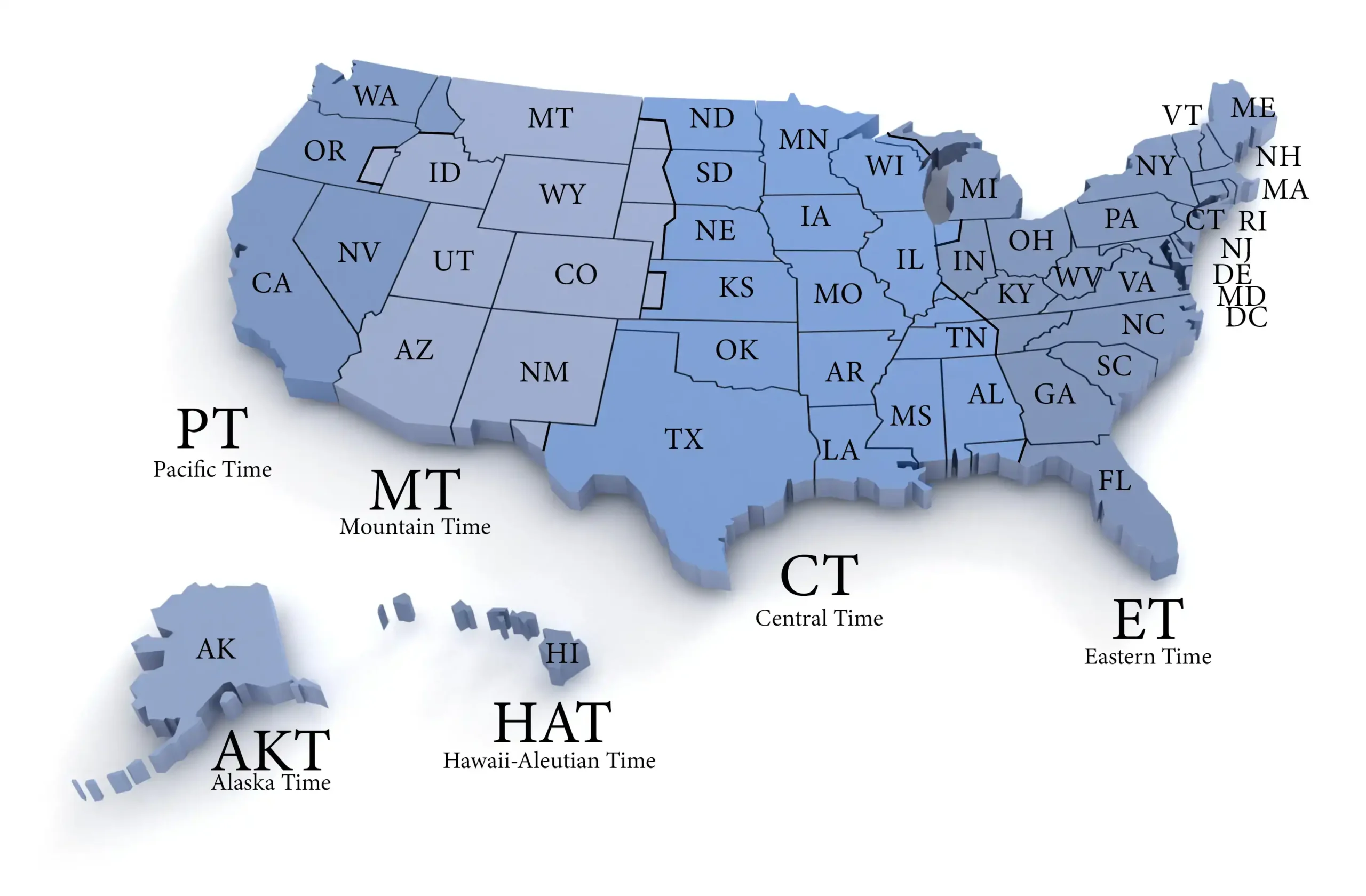
Similarly, train schedules, bus services, and even ride-sharing services operating within Detroit will adhere to Eastern Time. Planning your airport transfers, hotel check-ins, and any pre-booked tours or dining reservations will all hinge on accurate time zone awareness.
Coordinating with Local Businesses and Events
Detroit boasts a rich tapestry of local culture, from world-class museums like the Detroit Institute of Arts to a thriving live music scene and an evolving culinary landscape. When you plan to visit these attractions, attend a performance, or make a restaurant reservation at establishments such as The Henry or Cusino’s, all operating hours and reservation times will be listed in Eastern Time.
For business travelers, coordinating meetings with local companies requires an understanding of the time zone. A meeting scheduled for 9:00 AM in Detroit means 9:00 AM Eastern Time, not Central Time. This can prevent misunderstandings and ensure punctuality, especially when dealing with clients or partners in different time zones.
Experiencing the City’s Rhythms
The daily rhythm of a city is dictated by its time zone. Whether it’s catching the sunrise over the Detroit River, enjoying an early evening stroll through Belle Isle Park, or catching a show at the historic Fox Theatre, these experiences are framed by Eastern Time. Knowing that Detroit is in EST/EDT helps in planning your days to maximize daylight hours and evening activities, aligning your personal schedule with the city’s operational flow. For example, many museums close around 5:00 PM, and restaurants typically start their dinner service around 5:30 or 6:00 PM. These times are all relative to the local Eastern Time.
Time Zone Differences and Travel Planning
The most significant impact of Detroit’s time zone is in its relation to areas that observe Central Time. Many neighboring states and a substantial portion of the central United States fall under CST/CDT. Understanding this difference is crucial for efficient travel planning.
Traveling from CST/CDT to Detroit
If you are traveling to Detroit from a city like Chicago, St. Louis, or New Orleans (all in the Central Time Zone), you will gain one hour upon arrival. This means if it’s 2:00 PM CST in Chicago, it’s already 3:00 PM EST in Detroit. This time difference needs to be factored into any immediate plans upon arrival. For example, if you have a dinner reservation at 7:00 PM in Detroit, and you’re coming from CST, you should aim to leave your hotel by 6:00 PM Central Time, or more precisely, by 7:00 PM Detroit time.
Traveling from Detroit to CST/CDT
Conversely, if your journey takes you from Detroit to a Central Time Zone location, you will lose one hour. This is important for planning return flights or onward travel. If you depart Detroit at 4:00 PM EST, and your destination is in the Central Time Zone, you will arrive at 4:00 PM CST, effectively giving you an extra hour of daylight or an earlier arrival time relative to your departure zone.
The most straightforward way to manage this is to consistently set your watch or device to the local time of your destination. Most smartphones and digital watches automatically adjust to the local time zone upon arrival, but it’s always wise to verify. When making calls or scheduling virtual meetings, always confirm the time zone of the person you are communicating with to avoid any confusion.

Acknowledging the Temporal Anchor
In conclusion, the answer to the question, “Is Detroit Central Time Zone?” is a definitive no. Detroit operates squarely within the Eastern Time Zone, observing both Eastern Standard Time (EST) and Eastern Daylight Time (EDT). This temporal alignment is a crucial piece of practical information for any traveler planning a visit to this dynamic Midwestern metropolis. From coordinating flights into Detroit Metropolitan Airport (DTW) to scheduling visits to iconic landmarks like the Motown Museum or enjoying the city’s rich culinary scene, understanding and respecting Detroit’s temporal position will ensure a smoother, more enjoyable, and less stressful travel experience. By keeping this simple fact in mind, visitors can better immerse themselves in all that Detroit has to offer, from its industrial history to its modern resurgence.
LifeOutOfTheBox is a participant in the Amazon Services LLC Associates Program, an affiliate advertising program designed to provide a means for sites to earn advertising fees by advertising and linking to Amazon.com. Amazon, the Amazon logo, AmazonSupply, and the AmazonSupply logo are trademarks of Amazon.com, Inc. or its affiliates. As an Amazon Associate we earn affiliate commissions from qualifying purchases.