
The question of whether Detroit belongs to the Midwest is more than a geographical quibble; it touches upon regional identity, cultural perceptions, and even economic implications. While its precise placement within the broader United States is often debated, a closer examination of historical, geographical, and cultural factors reveals that Detroit is, indeed, a quintessential Midwestern city. This exploration delves into the characteristics that define the Midwest and illustrates how Detroit embodies these traits, offering a rich tapestry of experiences for travelers and enthusiasts of local culture.
Defining the Midwest: A Multifaceted Region
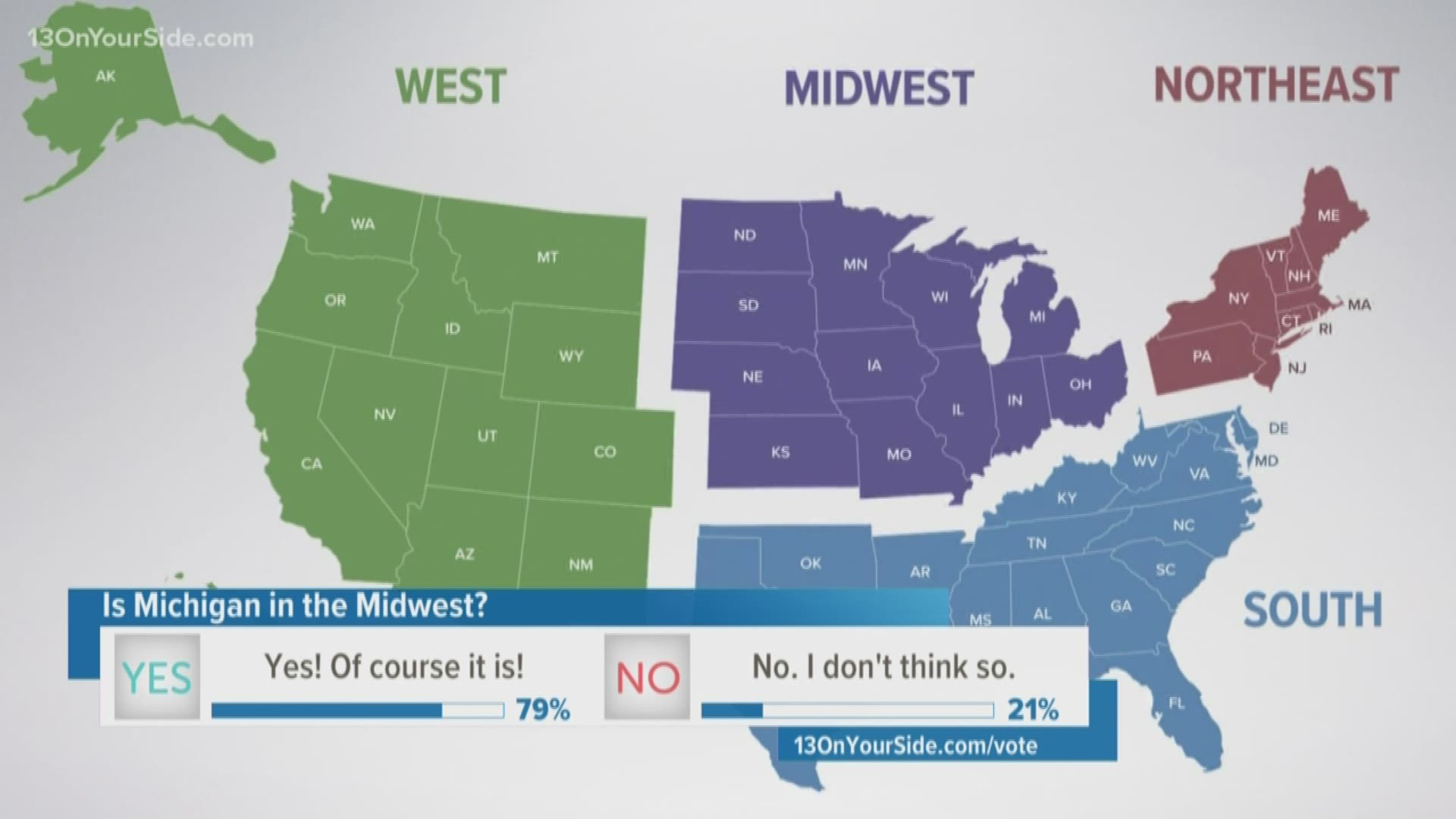
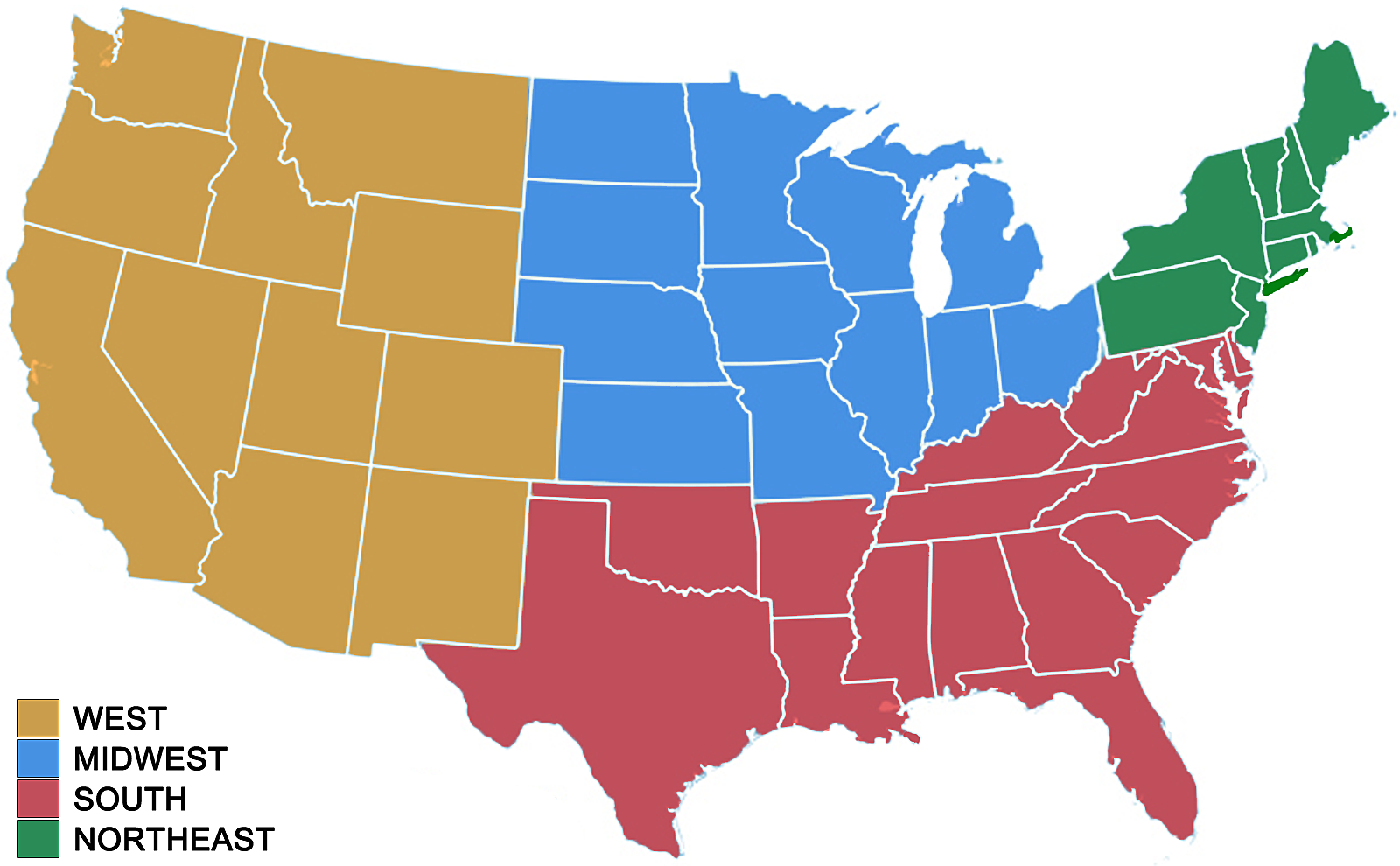
The Midwest is not a monolith, but rather a collection of states sharing a common heritage, economic base, and cultural ethos. Traditionally, the U.S. Census Bureau defines the Midwest as encompassing twelve states: Illinois, Indiana, Iowa, Kansas, Michigan, Minnesota, Missouri, Nebraska, North Dakota, Ohio, South Dakota, and Wisconsin. Michigan, the state in which Detroit resides, is unequivocally part of this definition.
Geographic Proximity and Connectivity
Geographically, Detroit is situated in the eastern portion of the Great Lakes region, a core area of the Midwest. Its location on the Detroit River, directly across from Windsor, Ontario, Canada, places it within a significant industrial and transportation corridor. The city is easily accessible via major interstate highways, connecting it to other key Midwestern hubs like Chicago, Cleveland, and Indianapolis. This interconnectedness is a hallmark of the Midwest, facilitating trade, travel, and cultural exchange.
Economic Pillars: Industry and Innovation
Historically, the Midwest has been recognized as the industrial heartland of the United States. Detroit, famously known as the “Motor City,” is inextricably linked to the rise of the American automotive industry. This industrial heritage, characterized by manufacturing prowess, engineering innovation, and a strong labor force, is a defining feature of the Midwest. While the industry has evolved, the legacy of Detroit as a center for automotive innovation and production firmly anchors it within the regional narrative. Beyond automobiles, the broader Midwest is also a vital agricultural producer, contributing significantly to the nation’s food supply.
Detroit’s Cultural Resonance with the Midwest
Beyond its geographical and economic ties, Detroit shares a distinct cultural identity with its Midwestern neighbors. This includes shared values, a particular brand of resilience, and a significant impact on American popular culture.
The Midwestern Ethos: Grit and Resilience
A common thread running through Midwestern communities is a sense of pragmatism, hard work, and a quiet resilience in the face of economic and social shifts. Detroit has faced considerable challenges throughout its history, from deindustrialization to urban decline. However, the city’s persistent spirit and ongoing revitalization efforts are emblematic of this Midwestern characteristic. Residents often exhibit a down-to-earth demeanor and a strong sense of community pride, values that resonate across the region.
A Crucible of American Music and Arts
The cultural contributions of Detroit are globally recognized and deeply intertwined with American heritage. The city is the birthplace of Motown music, a genre that transcended racial and social barriers and continues to influence music worldwide. The iconic sounds of artists like The Supremes, Stevie Wonder, and Marvin Gaye are a testament to Detroit’s creative powerhouse status. This musical legacy, alongside its contributions to visual arts, architecture, and literature, positions Detroit as a significant cultural anchor within the Midwest and the nation. The vibrant arts scene, from galleries like the Detroit Institute of Arts to the burgeoning street art movement, reflects a dynamic cultural landscape that mirrors the creativity found in other Midwestern cities.
Culinary Traditions and Flavors
While the Midwest is known for its comfort food and hearty fare, Detroit offers a unique culinary landscape influenced by its diverse population and industrial past. The city’s culinary scene has seen a significant resurgence, embracing both traditional Midwestern staples and global flavors. From Coney Islands, a beloved local institution, to innovative restaurants showcasing farm-to-table ingredients from surrounding agricultural areas, Detroit’s food culture reflects the broader regional appreciation for quality, sustenance, and community. The influence of various immigrant communities, particularly Middle Eastern populations, has added distinct and celebrated flavors to the city’s gastronomic offerings, further enriching the Midwestern culinary mosaic.

Exploring Detroit: A Midwestern Travel Experience
Understanding Detroit as a Midwestern destination allows travelers to approach its attractions with a nuanced perspective, appreciating its unique character within the broader regional context.
Landmarks and Historical Sites
Detroit is replete with landmarks that narrate its industrial past and cultural evolution. The historic buildings downtown, such as the Guardian Building and the Fisher Building, showcase stunning Art Deco architecture, a style that also graces other prominent Midwestern cities. The Henry Ford Museum of American Innovation and Greenfield Village in nearby Dearborn offer an immersive journey into American industrial history and ingenuity, themes that are central to the Midwest. For those interested in music history, the Motown Museum is an essential stop, providing an intimate look at the empire that shaped popular music.
Arts, Culture, and Entertainment
The vibrant cultural scene in Detroit offers a wealth of experiences. The Detroit Institute of Arts houses an impressive collection, including the celebrated Diego Rivera murals, a significant artistic achievement within the region. Beyond traditional museums, the city’s dynamic live music venues, theaters, and burgeoning street art corridors provide a contemporary cultural pulse. Exploring neighborhoods like Midtown and Downtown reveals a thriving arts community that reflects the creative spirit found across the Midwest. The resurgence of professional sports, with teams like the Detroit Tigers and the Detroit Lions, also contributes to the city’s lively atmosphere, a common characteristic of major Midwestern urban centers.
Outdoor Activities and Natural Beauty
While often associated with its industrial past, Detroit and its surrounding areas offer opportunities to connect with nature. The proximity to the Great Lakes provides access to stunning waterfronts and recreational activities. Belle Isle Park, a jewel in the heart of the Detroit River, offers a range of attractions including the Belle Isle Aquarium, the Detroit Boat Club, and beautiful green spaces for relaxation and recreation. Further afield, the Michigan landscape unfolds with forests, lakes, and trails, characteristic of the natural beauty found throughout the Midwest.
Accommodation and Hospitality in Detroit
Travelers visiting Detroit will find a diverse range of accommodation options that cater to various preferences and budgets, further enhancing its appeal as a Midwestern destination. The city has seen a significant investment in its hospitality sector, with historic buildings being transformed into boutique hotels and modern establishments offering comfortable stays.
Historic Hotels and Boutique Stays
From grand dames of the past to contemporary boutique establishments, Detroit offers hotels that capture the city’s evolving spirit. The Shinola Hotel, for instance, embodies a modern Midwestern aesthetic, blending industrial design with a sense of craftsmanship. Other options include hotels situated in beautifully restored historic buildings, offering a glimpse into the city’s architectural heritage. The Detroit Club, though a private club, represents the city’s storied past and the elegance that can still be found. These accommodations provide a comfortable and stylish base from which to explore the city’s many attractions.
Modern Hotels and Convention Centers
For business travelers and those attending events, Detroit offers a range of modern hotels equipped with state-of-the-art amenities. The presence of large convention centers, such as the Huntington Place, is characteristic of major Midwestern cities that serve as hubs for business and industry. These hotels provide convenient access to convention facilities and city attractions, ensuring a seamless travel experience.
Neighborhood Stays and Local Charm
Beyond the downtown core, exploring accommodation options in neighborhoods like Corktown or The Cass Corridor can offer a more local and intimate experience. These areas often feature charming guesthouses, apartments for rent, and smaller hotels that allow visitors to immerse themselves in the daily life of Detroit, experiencing the unique character of each district. This trend towards diverse lodging options is a hallmark of evolving Midwestern cities that are increasingly attracting a global audience.
In conclusion, the question of whether Detroit is in the Midwest is definitively answered by its geographical location, historical development, economic ties, and cultural identity. It is a city that not only resides within the geographical boundaries of the Midwest but also embodies its spirit, contributing significantly to its rich and diverse tapestry. For travelers seeking authentic Midwestern experiences, Detroit offers a compelling blend of history, culture, innovation, and resilience that is both unique and profoundly representative of the region.
LifeOutOfTheBox is a participant in the Amazon Services LLC Associates Program, an affiliate advertising program designed to provide a means for sites to earn advertising fees by advertising and linking to Amazon.com. Amazon, the Amazon logo, AmazonSupply, and the AmazonSupply logo are trademarks of Amazon.com, Inc. or its affiliates. As an Amazon Associate we earn affiliate commissions from qualifying purchases.