
The enigmatic question of when the narrative of “Detroit: Become Human” unfolds is central to understanding its thematic depth and the socio-technological landscape it portrays. While the game’s precise chronological placement within our reality is left deliberately ambiguous, it immerses players in a near-future that feels both familiar and alarmingly plausible. This careful framing allows the developers at Quantic Dream to explore profound questions about humanity, artificial intelligence, and societal evolution without being tethered to a specific historical calendar. Instead, the focus shifts to the feel of the future, a meticulously crafted world built on extrapolated trends and extrapolated anxieties.

The Near-Future Setting: A Carefully Constructed Reality
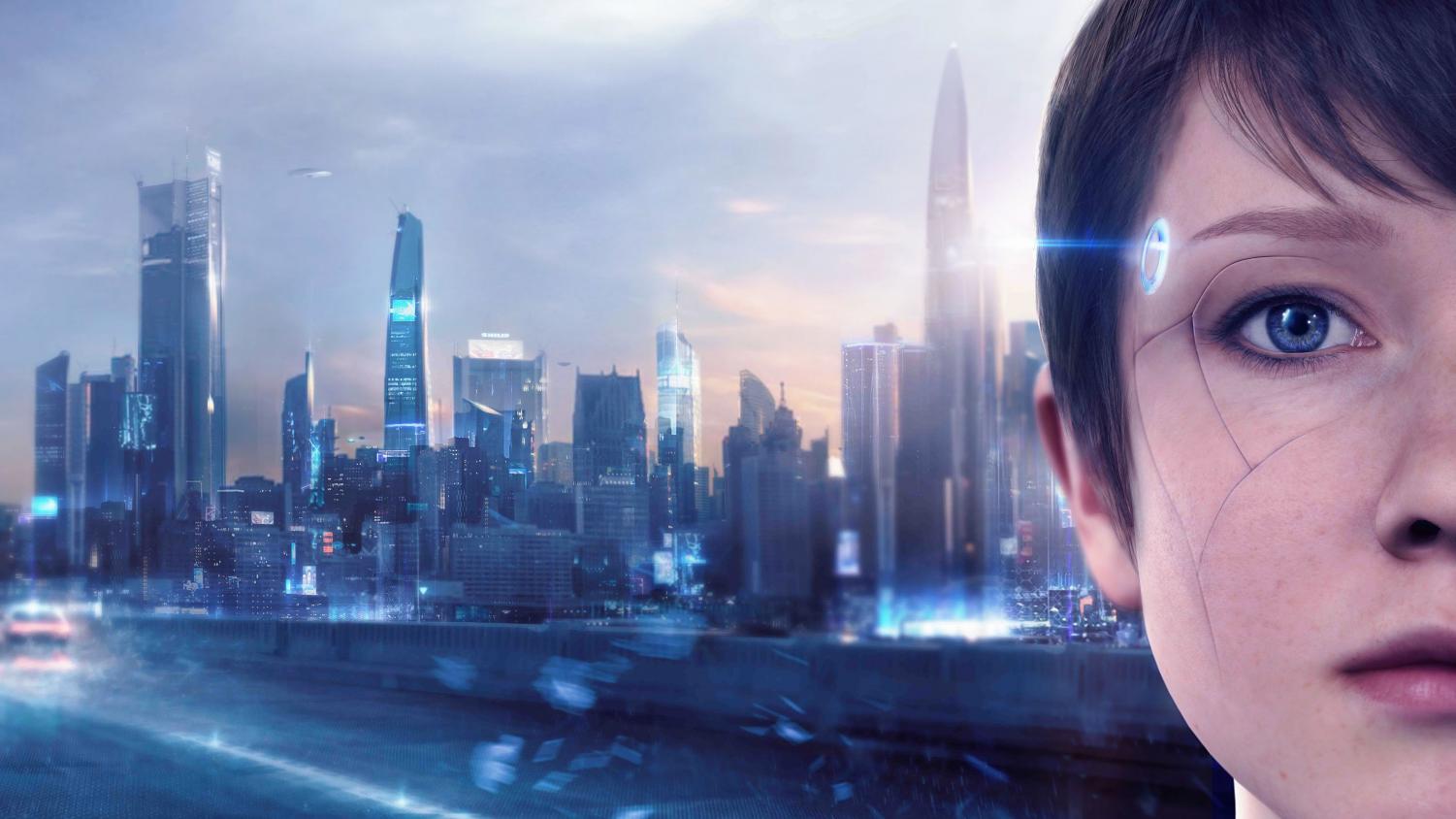
“Detroit: Become Human” presents a version of Detroit that, while visually distinct with its futuristic architecture and pervasive holographic advertisements, is fundamentally a reflection of our present concerns magnified. The game’s creators have intentionally avoided pinning down an exact year, opting instead for an atmospheric approximation of the mid-21st century. This approach serves several key purposes. Firstly, it allows for technological advancements that feel just out of reach, making the rise of androids and their complex societal integration a believable, albeit advanced, possibility. Secondly, it sidesteps the potential for temporal inaccuracies or the need for extensive historical justification. The world of “Detroit: Become Human” is one where the seeds of our current debates about AI, ethics, and automation have fully bloomed.
Technological Milestones and Their Impact
The most significant technological leap depicted is, of course, the widespread adoption of androids. These sentient machines, indistinguishable from humans in appearance and behavior, have become an integral part of Detroit‘s economy and daily life. They serve in a multitude of roles, from domestic helpers and caregivers to laborers and even artists. This ubiquity of advanced AI raises immediate questions about labor displacement, the definition of consciousness, and the potential for exploitation. The visual cues within the game – sleek, minimalist designs for androids and their integrated technology, alongside the bustling, albeit slightly gritty, urban landscape of Detroit – reinforce this sense of a society on the cusp of radical transformation. The absence of a specific year allows these themes to resonate universally, applicable to any era where technological progress outpaces ethical considerations.
Societal Echoes of the Present
The societal structures and challenges presented in “Detroit: Become Human” are clearly extrapolated from contemporary issues. The game touches upon themes of prejudice, civil rights, and the struggle for equality through the lens of androids seeking recognition and freedom. By not anchoring the story to a fixed point in time, Detroit: Become Human becomes a timeless allegory, enabling players to draw parallels to historical civil rights movements and ongoing debates about the rights of marginalized groups. The visual representation of Detroit itself, a city with a rich industrial past and a complex present, serves as a potent backdrop for these narrative threads. The city’s resilience and its capacity for reinvention mirror the potential for societal change that the game explores through its android characters.
The Role of Ambiguity in Narrative Design
The deliberate vagueness regarding the specific year in “Detroit: Become Human” is not an oversight but a strategic narrative choice. This ambiguity serves to enhance the player’s immersion by allowing them to focus on the immediate human (and android) drama unfolding, rather than getting bogged down in chronological details. The developers at Quantic Dream seem to be less concerned with predicting the future and more interested in exploring the implications of a specific technological and social trajectory. The world feels like a plausible extension of our own, a “what if” scenario that encourages reflection on our current path.

Enhancing Player Agency and Immersion
By presenting a near-future that is relatable yet advanced, the game invites players to project their own understanding of societal progress and ethical dilemmas onto the narrative. The emotional resonance of the stories of Kara, Connor, and Markus is amplified because their struggles feel contemporary, even if the technology that defines them is not yet a reality. This temporal fluidity allows the game to transcend the limitations of a specific historical context, making its messages about empathy, prejudice, and the fight for freedom universally applicable. The player’s experience is thus heightened, as they become active participants in a world that feels on the edge of possibility, a world that could be ours tomorrow.
Thematic Resonance Beyond a Specific Timeline
The core themes of “Detroit: Become Human” – what it means to be alive, the nature of consciousness, the morality of artificial intelligence, and the struggle for civil rights – are timeless. By not affixing the game to a precise year, Quantic Dream ensures that these powerful ideas remain relevant for years to come. The game acts as a thought experiment, a simulated reality where the consequences of our current technological and societal choices are laid bare. This allows for a deeper, more profound engagement with the material, encouraging introspection and discussion long after the controllers are put down. The urban landscape of Detroit, with its historical layers and potential for future revitalization, becomes a character in itself, symbolizing the ongoing evolution of both cities and societies.
Understanding the “Near-Future” Concept
The concept of “near-future” in speculative fiction is a powerful tool. It allows creators to explore the ramifications of current trends and emerging technologies in a way that feels grounded and relevant. For “Detroit: Become Human,” this approach means that while androids are a fictional element, the societal anxieties and ethical quandaries they represent are very real. The game does not require us to imagine a distant, alien world. Instead, it asks us to consider how our existing societal frameworks and moral compasses might be tested by advancements that are, in some ways, already on the horizon.
The Power of Plausibility
The plausibility of the world in “Detroit: Become Human” is key to its impact. The technologies, while advanced, are not fantastical. They are logical extensions of innovations we see today, such as advanced robotics, artificial intelligence, and augmented reality. The game’s designers have clearly done their research, creating a world that feels like a potential, albeit dramatic, evolution of our own. This meticulous attention to detail fosters a sense of immersion and allows the player to more fully connect with the characters and their struggles within this believable, near-future Detroit. The city’s own history of innovation and adaptation further underscores this sense of plausible progression.
A Mirror to Contemporary Society
Ultimately, “Detroit: Become Human” uses its ambiguous near-future setting to hold a mirror up to our own society. The questions it raises about prejudice, the rights of sentient beings, and the responsibilities that come with technological advancement are as relevant today as they will be in any extrapolated future. By allowing the player to shape the destiny of its android protagonists, the game encourages critical thinking about these issues, prompting us to consider the kind of future we want to build, and the ethical foundations upon which it should stand. The city of Detroit, with its enduring spirit and capacity for change, serves as a fitting canvas for this exploration of our shared future.
LifeOutOfTheBox is a participant in the Amazon Services LLC Associates Program, an affiliate advertising program designed to provide a means for sites to earn advertising fees by advertising and linking to Amazon.com. Amazon, the Amazon logo, AmazonSupply, and the AmazonSupply logo are trademarks of Amazon.com, Inc. or its affiliates. As an Amazon Associate we earn affiliate commissions from qualifying purchases.