
The Detroit International Auto Show, often referred to by its acronym NAIAS (North American International Auto Show), is a cornerstone event in the automotive world, drawing enthusiasts, industry professionals, and media from across the globe. While its timing has seen some evolution in recent years, understanding its traditional placement and current schedule is key for anyone planning to attend or cover this significant exhibition. Historically, the show has been a winter fixture, a time when automakers traditionally unveiled their latest models and concepts to a captivated audience. However, a strategic shift has repositioned the event, aiming to align it more closely with consumer buying cycles and to offer a more dynamic, potentially less weather-dependent experience.

Navigating the Calendar: The Shifting Dates
For many years, the Detroit International Auto Show was synonymous with the cold embrace of January. This traditional slot served several purposes. It provided a much-needed boost to Detroit’s economy during the typically slower winter months, and it offered a consistent, predictable date on the global auto show circuit. Automakers would meticulously prepare their reveals, often using the January show as a platform to set the tone for the automotive year ahead. The crisp winter air of Michigan would be filled with the buzz of new technology, sleek designs, and the promise of automotive innovation. Visitors would bundle up, eager to escape the cold and immerse themselves in the gleaming displays of the world’s leading car manufacturers. This period also allowed for a focused media preview, giving journalists ample time to experience the new vehicles before the public days began. The exclusivity and focused nature of this winter debut contributed to the show’s prestige and its reputation as a serious industry event.
However, the automotive landscape is constantly evolving, and so too are the strategies for showcasing new products. Recognizing the need to adapt, the organizers of the Detroit International Auto Show made a significant decision to move the show to a fall date. This shift, implemented to align with consumer interest and to offer a distinct experience from other major international auto shows, fundamentally altered the visitor and participant calendar. The move to September was intended to capitalize on a period when consumers might be more actively considering new vehicle purchases, following summer holidays and before the end-of-year rush. It also sought to leverage the more pleasant autumnal weather in Detroit, potentially making travel and the overall experience more comfortable for attendees. This change represented a bold step, demonstrating the show’s commitment to remaining relevant and engaging in a rapidly changing industry. The fall timing also allows for different types of outdoor activations and showcases, which were less feasible in the winter months.
The Rationale Behind the Seasonal Shift
The decision to move the Detroit International Auto Show from its long-held January slot to September was not made lightly. It was a strategic response to several factors influencing both the automotive industry and the broader event landscape. One primary driver was the desire to differentiate NAIAS from other major auto shows that also occur in the winter or early spring, such as those in Geneva or Chicago. By creating a distinct calendar position, the show aimed to capture greater attention and provide automakers with a unique platform to present their innovations without competing for headlines.

Furthermore, the move was partly influenced by an effort to create a more visitor-centric experience. September in Detroit generally offers milder weather compared to the harsh winters, which can be a significant deterrent for international and domestic travelers. This shift aimed to enhance accessibility and comfort, encouraging higher attendance and a more relaxed engagement with the exhibits. The organizers also sought to align the show with a period of increased consumer interest in purchasing new vehicles, potentially impacting sales leads and brand engagement more effectively. The fall season often sees a natural uptick in consumer interest as people plan for the coming year and consider upgrades. This strategic repositioning underscores the commitment to evolving the Detroit International Auto Show into a dynamic and responsive event that caters to the modern automotive market.
Planning Your Visit to the Auto Show
When planning a visit to the Detroit International Auto Show, understanding the current timing is paramount. Gone are the days of bundled-up January visits; the event now typically unfolds in the early fall. This means prospective attendees should consult the official Detroit International Auto Show website or reputable automotive news sources for the precise dates of the upcoming event. These dates will typically span several days, often starting with exclusive media and industry preview days, followed by public exhibition days. The duration allows for in-depth exploration of the show floor, providing ample opportunity to see the latest concept cars, production models, and groundbreaking technologies from a wide array of manufacturers.
What to Expect in Detroit
Beyond the automotive displays, attending the Detroit International Auto Show offers a chance to experience Detroit itself. The city, known for its rich automotive heritage, has undergone significant revitalization. Visitors can explore the impressive architecture, delve into the city’s musical history at the Motown Museum, or enjoy the vibrant culinary scene. The Detroit Institute of Arts is another world-class attraction that offers a cultural counterpoint to the technological marvels of the auto show. When considering accommodation, Detroit offers a range of options, from luxury hotels downtown, such as the The Detroit Club, to more boutique establishments. Booking accommodation well in advance is advisable, especially as the auto show is a major draw for visitors from across the United States and internationally. The venue for the show, Huntington Place (formerly Cobo Center), is centrally located and easily accessible, making it a convenient hub for exploring the city’s attractions.
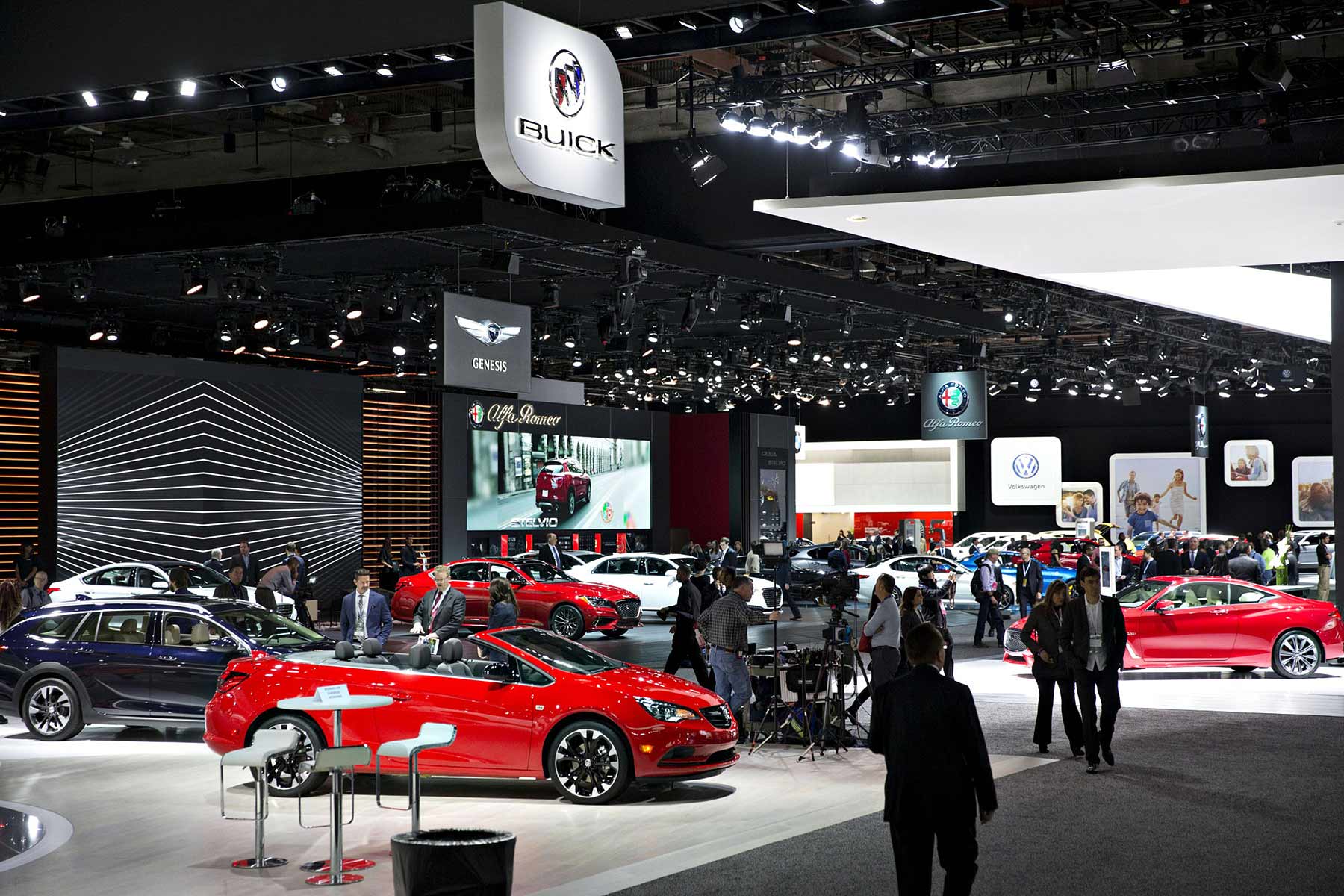
Beyond the Show Floor: Experiencing Detroit
The Detroit International Auto Show is more than just an exhibition of vehicles; it’s an opportunity to immerse oneself in the city that is the very soul of American automotive innovation. While the main event takes place at Huntington Place, the surrounding area and the broader Detroit metropolitan area offer a wealth of experiences that complement the automotive theme. For those with a passion for the history of the automobile, a visit to the Henry Ford Museum of American Innovation in nearby Dearborn is an absolute must. This expansive museum chronicles America’s industrial past, with a particular emphasis on the evolution of the automobile and the transformative impact of figures like Henry Ford.
For a taste of local culture and gastronomy, visitors can explore the diverse neighborhoods of Detroit. The Eastern Market, one of the oldest and largest farmers’ markets in the United States, offers a vibrant atmosphere and a chance to sample local produce and artisanal goods. The city’s burgeoning restaurant scene features everything from classic Detroit-style pizza to upscale dining experiences. Attendees might also consider venturing to Belle Isle Park, a picturesque island park in the Detroit River, offering stunning city views and home to the Belle Isle Aquarium and the Dossin Great Lakes Museum. These ancillary attractions provide a well-rounded experience, allowing visitors to appreciate Detroit’s resilience, innovation, and rich cultural tapestry, all against the backdrop of its enduring legacy in the automotive industry. Engaging with these local elements enhances the overall value of attending the Detroit International Auto Show, transforming a trip focused on cars into a comprehensive cultural exploration.
LifeOutOfTheBox is a participant in the Amazon Services LLC Associates Program, an affiliate advertising program designed to provide a means for sites to earn advertising fees by advertising and linking to Amazon.com. Amazon, the Amazon logo, AmazonSupply, and the AmazonSupply logo are trademarks of Amazon.com, Inc. or its affiliates. As an Amazon Associate we earn affiliate commissions from qualifying purchases.