
As the gears of the National Basketball Association (NBA) churn, the identity of the head coach for any given team is a pivotal piece of information for fans, analysts, and the league itself. For the passionate fanbase of the Detroit Pistons, a franchise steeped in basketball history, the question of “Who Is Detroit Pistons Coach?” resonates deeply, especially during periods of transition or as new seasons dawn. Understanding the coaching lineage and current leadership provides insight not only into the team’s strategic direction but also into the vibrant cultural fabric of Detroit itself, a city known for its resilience and sporting fervor.

The Coaching Legacy of the Detroit Pistons
The Detroit Pistons have seen a distinguished line of coaches steer their ship through the turbulent waters of the NBA. Each has left an indelible mark, contributing to the team’s storied past and shaping its present identity. From championship architects to developmental specialists, the coaching role has always been a focal point of the team’s narrative.
Championship Eras and Strategic Masterminds
The golden age of the Detroit Pistons is inextricably linked to the coaching prowess of individuals who galvanized the team into a championship force. The “Bad Boys” era, in particular, is etched into NBA lore, with Chuck Daly at the helm. Daly, a tactical genius and master motivator, instilled a brand of gritty, tenacious basketball that saw the Pistons capture back-to-back NBA titles in 1989 and 1990. His ability to blend individual talent with a cohesive team philosophy was remarkable, creating a defensive juggernaut that overwhelmed opponents. His coaching style, characterized by discipline and a deep understanding of player psychology, set a benchmark for success.
Later, the early 2000s saw another championship banner raised in Detroit under the guidance of Larry Brown. Brown, a seasoned veteran of the coaching ranks, inherited a talented roster and quickly molded them into a championship-contending unit. His emphasis on team defense, unselfish play, and strategic adjustments during games proved to be the winning formula. The 2004 NBA Championship, a testament to his coaching acumen, remains a cherished memory for Pistons fans, showcasing a team that defied expectations and played with incredible unity and heart.
Navigating Transitions and Rebuilding Phases
Beyond the championship highs, the Detroit Pistons have also experienced periods of rebuilding, where coaches were tasked with developing young talent and laying the foundation for future success. These roles often demand a different set of skills, focusing on player development, fostering a positive team culture, and implementing long-term strategic visions. Coaches like Rick Carlisle and Lawrence Frank during their tenures faced the challenge of transitioning the team and implementing new systems.
The selection of a coach during these times is crucial, as it signals the organization’s direction. A coach who can effectively mentor emerging stars, implement an adaptive offensive and defensive scheme, and instill a winning mentality is invaluable. These periods, while often challenging for fans, are vital for the sustained health of a franchise, and the coaches appointed play a critical role in shaping the team’s trajectory.
The Current Tenure: Unveiling the Present Coach
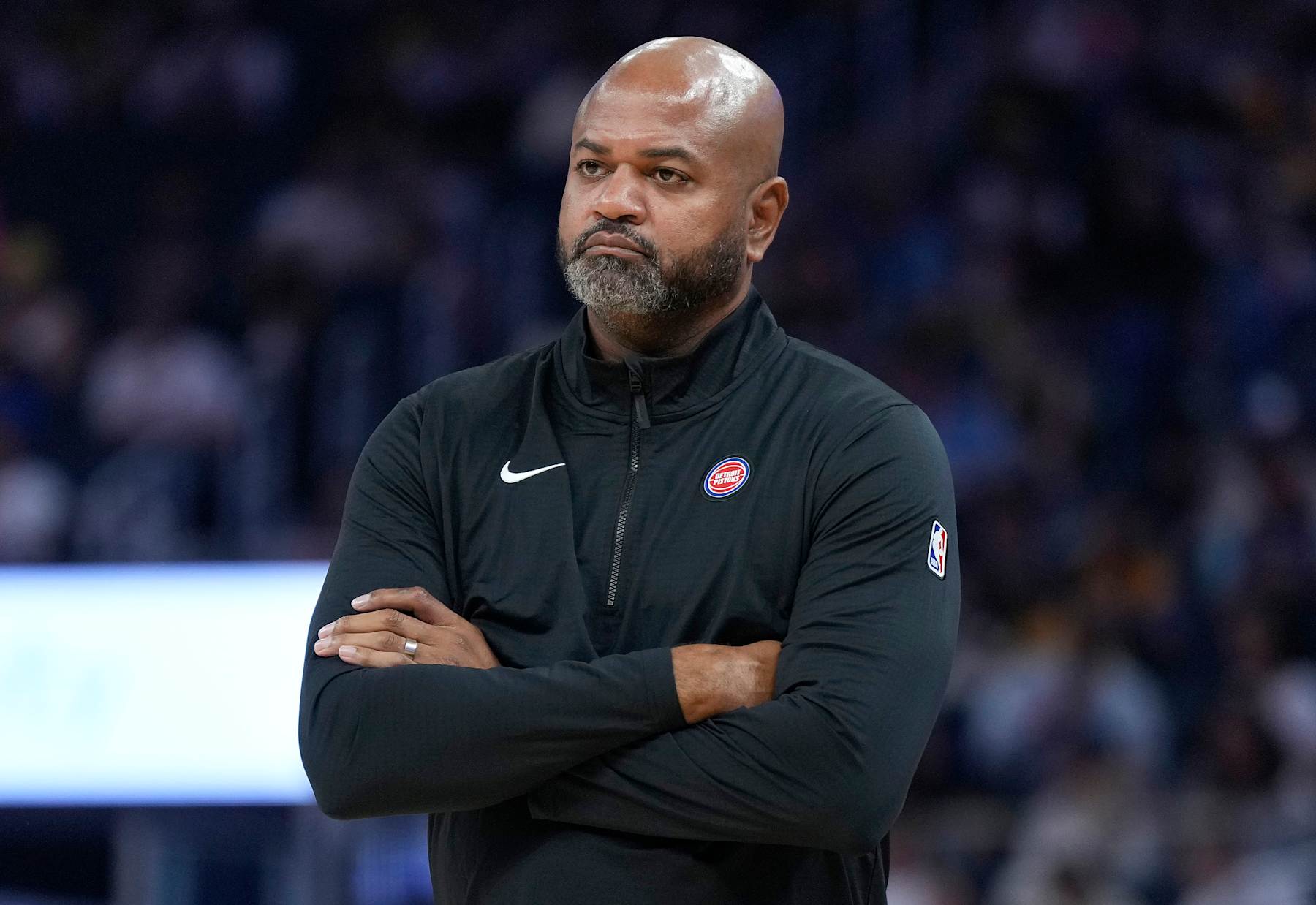
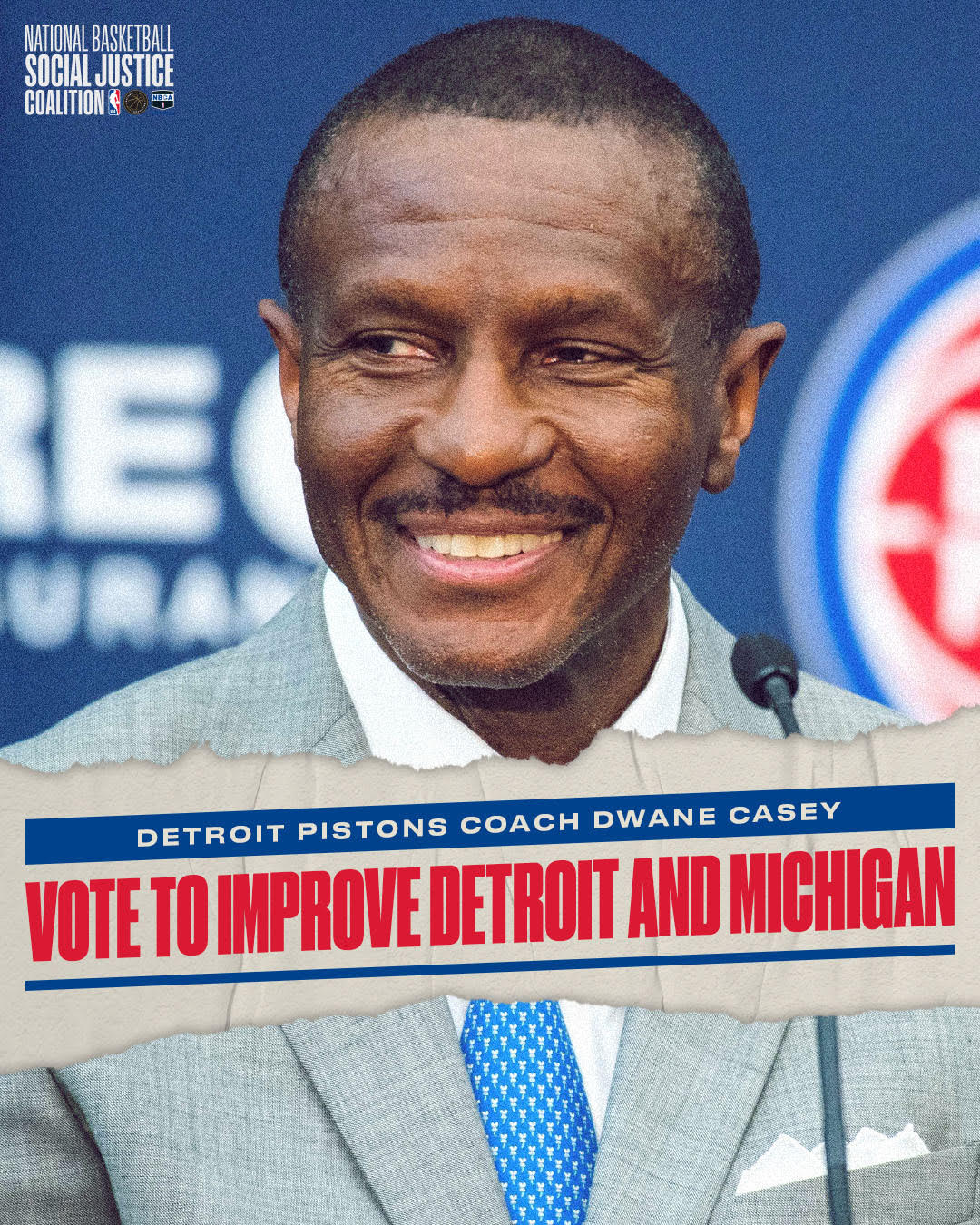
The question of “Who Is Detroit Pistons Coach?” brings us to the present day and the individual currently entrusted with leading the team. The appointment of a head coach is a significant decision, reflecting the organization’s current goals and philosophy. This individual is not just a tactical leader on the court but also a public face of the team, representing Detroit and its basketball aspirations.
Strategic Vision and Player Development
The current coach of the Detroit Pistons is tasked with a multifaceted mission. This includes developing a cohesive team identity, implementing an effective offensive and defensive scheme, and fostering the growth of the team’s young core. In a league that constantly evolves, a coach must be adaptable, willing to experiment with different strategies, and adept at integrating new talent while maximizing the potential of established players.
Player development is a cornerstone of modern NBA success, and the coach plays a pivotal role in this process. This involves not only refining technical skills on the court but also nurturing mental toughness, basketball IQ, and leadership qualities. A coach’s ability to connect with players on a personal level, understand their individual needs, and create an environment of trust and accountability is paramount to unlocking their full potential. This focus on development is particularly important for a team like the Detroit Pistons as they aim to build a sustainable winning culture.
Impact on Team Culture and Fan Engagement
The head coach’s influence extends far beyond the Xs and Os. They are instrumental in shaping the team’s culture – the shared values, beliefs, and behaviors that define how the team operates. A coach who instills a culture of hard work, resilience, and mutual respect can significantly impact team chemistry and on-court performance. This culture permeates through every level of the organization, from the players to the coaching staff and even the front office.
Furthermore, the coach is a key figure in fan engagement. Their demeanor, press conference interactions, and on-court presence can greatly influence how the fanbase perceives the team. A coach who connects with the city and its passionate supporters, demonstrating a commitment to winning and playing with pride, can foster a deeper sense of community and loyalty. For Detroit, a city with a proud sports history, this connection is particularly vital. The coach, in many ways, becomes an ambassador for the team, embodying the spirit and determination of Detroit.
The Coaching Journey and Future Outlook
The path to becoming an NBA head coach is often a long and arduous one, filled with years of experience as an assistant, extensive scouting, and a deep understanding of the game’s nuances. Each coach brings their unique background and coaching philosophy to the forefront, shaped by their playing days, mentors, and continuous learning.
Scouting and Recruitment
A coach’s influence begins even before games are played, extending into the crucial areas of scouting and recruitment. While the General Manager and front office ultimately make personnel decisions, the coach’s input is invaluable. They must identify players whose skill sets, work ethic, and personality align with the team’s strategic vision and cultural ideals. This collaborative process ensures that the team is built with both present and future success in mind. The coach’s ability to articulate their vision for player development and team strategy can also be a significant factor in attracting top talent to Detroit.
Developing a Winning Philosophy
The ultimate goal for any coach and team is to achieve sustained success. This requires developing a winning philosophy that is consistently applied across all aspects of the game. For the Detroit Pistons, this involves building a team that is competitive, exciting to watch, and capable of contending for championships. The current coach’s philosophy will dictate the team’s style of play, its defensive identity, and its offensive approach. Whether it’s a fast-paced, high-octane offense or a stifling, disciplined defense, the coach’s vision will be the guiding force.
The future outlook for the Detroit Pistons hinges significantly on the effectiveness of their coaching staff. As the league continues to evolve, with new strategies and player archetypes emerging, the ability of the coach to adapt and innovate will be paramount. The synergy between the coach, the players, and the front office is crucial for navigating the challenges of the NBA and ultimately bringing success back to Detroit. The continuous evaluation of strategies, player performance, and coaching effectiveness is a dynamic process, ensuring that the team remains competitive and poised for growth in the ever-changing landscape of professional basketball.
LifeOutOfTheBox is a participant in the Amazon Services LLC Associates Program, an affiliate advertising program designed to provide a means for sites to earn advertising fees by advertising and linking to Amazon.com. Amazon, the Amazon logo, AmazonSupply, and the AmazonSupply logo are trademarks of Amazon.com, Inc. or its affiliates. As an Amazon Associate we earn affiliate commissions from qualifying purchases.