
The question of whether airports are open in Florida is a critical one for travelers, especially during periods of unpredictable weather or significant events. Florida, a state renowned for its vibrant tourism and popular travel hubs, relies heavily on its airport infrastructure to facilitate the constant flow of visitors and residents. Understanding the operational status of these airports is paramount for anyone planning a trip, making flight arrangements, or navigating travel logistics.
Understanding Airport Operations in Florida
Florida’s airports are designed with resilience in mind, capable of handling a diverse range of conditions. However, their operational status is dynamic and can change rapidly. The primary factors influencing airport openings and closings are weather-related events, most notably hurricanes. The state’s geographical location makes it susceptible to tropical storms and hurricanes, which can necessitate temporary closures for safety reasons.
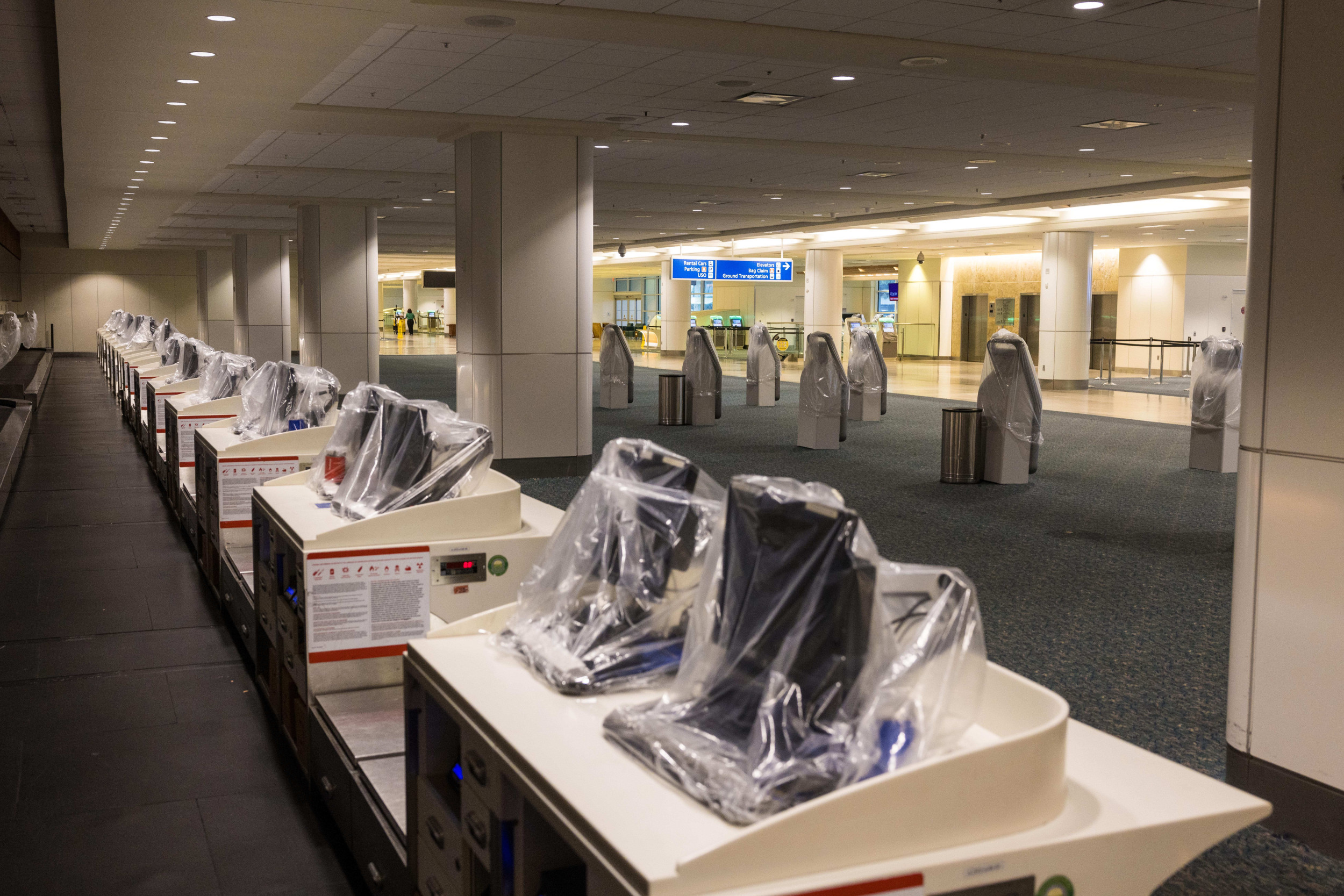
Beyond weather, other factors can impact airport operations. Air traffic control issues, security concerns, or infrastructure maintenance can also lead to temporary disruptions. Major events, such as air shows or significant sporting events that draw large crowds, might also see adjusted operational schedules, though this is less common for standard passenger flights.
Key Factors Influencing Airport Status
- Weather Events: Hurricanes, tropical storms, and severe thunderstorms are the most common reasons for airport closures in Florida. During these events, runways can be compromised, visibility can be drastically reduced, and the risk of damage to aircraft and facilities increases significantly. Airports typically issue advisories well in advance of anticipated closures, allowing airlines and passengers to make necessary adjustments.
- Air Traffic Control: Air Traffic Control (ATC) systems are the backbone of airport operations. Any disruption to ATC, whether due to technical failures, staffing shortages, or external factors, can lead to ground stops or delays at affected airports.
- Security and Safety: Paramount to all airport operations is the safety and security of passengers and staff. Any credible security threat, or a situation that compromises the physical safety of the airport environment, will lead to immediate and often prolonged closures until the situation is resolved.
- Infrastructure and Maintenance: While less frequent for complete closures, ongoing construction or essential maintenance on runways, taxiways, or terminals can sometimes lead to partial closures or significant delays. Airports strive to minimize impact, often scheduling such work during off-peak hours.
Navigating Airport Status During Emergencies
When an emergency, particularly a hurricane, is anticipated, airports in Florida begin a phased approach to managing their operations. The primary goal is the safety of everyone associated with the airport, from passengers and crew to ground staff and air traffic controllers.
Hurricane Preparedness and Closures
During hurricane season, which runs from June 1st to November 30th, Florida’s airports are on high alert. Major airports like Orlando International Airport, Miami International Airport, and Tampa International Airport have robust contingency plans in place.
- Advance Warnings and Advisories: As a storm approaches, the National Hurricane Center provides tracking and intensity forecasts. Airports monitor these closely and issue public advisories through their official channels, airline websites, and local news media. These advisories will detail anticipated closure times and conditions under which operations will cease.
- Phased Closures: Typically, airports will not close abruptly unless an immediate, extreme threat arises. Instead, they will halt incoming flights first to allow departing flights to clear the airspace and ground. Then, operations will cease for all flights, both inbound and outbound, as conditions become unsafe.
- Securing Facilities: Before a mandatory closure, airport personnel work to secure the facilities. This includes boarding up windows, moving aircraft to safe hangars, and securing any loose equipment that could become a hazard.
- Post-Storm Assessment: Following the passage of a storm, a thorough assessment of the airport infrastructure is conducted. This involves checking runways for debris, assessing the integrity of navigation aids, and ensuring that all safety systems are operational. This assessment dictates when flights can safely resume.
Communication Channels for Travelers
Staying informed is crucial. Travelers should utilize multiple sources for real-time updates:
- Airline Websites and Apps: Airlines are the first point of contact for flight status. They will communicate directly with passengers about cancellations, delays, and rebooking options.
- Airport Official Websites and Social Media: Most major Florida airports maintain active websites and social media presences (e.g., on X, formerly Twitter) where they post operational updates, advisories, and emergency information.
- Local and National News Outlets: Reputable news sources provide continuous coverage of weather events and their impact on travel infrastructure.
- Federal Aviation Administration (FAA): The Federal Aviation Administration often provides national-level advisories and alerts regarding air traffic control situations and widespread disruptions.
Reopening Procedures and Traveler Considerations
The reopening of an airport after a closure, especially after a significant weather event, is a methodical process. It prioritizes safety and operational readiness.
Resumption of Flights
Once an airport is cleared for operation, the process of resuming flights is gradual.
- Safety Inspections: As mentioned, extensive inspections are completed before any aircraft are permitted to land or take off. This includes visual inspections of runways, taxiways, and the surrounding airspace.
- Air Traffic Control Resumption: Air traffic control personnel must be in place and fully operational. Navigation systems need to be confirmed as accurate and functioning.
- Airline Preparations: Airlines will then begin repositioning their aircraft and crews. This can take time, as aircraft may have been moved to remote locations for safekeeping or are awaiting inspection themselves.
- Gradual Ramp-Up: Airports and airlines typically implement a staggered approach to bringing operations back online. This prevents overwhelming the airport’s capacity and allows for a smooth transition back to normal schedules. Initial flights may be limited in number, and delays are still possible as the system recalibrates.
What Travelers Can Expect
- Patience is Key: Even after an airport officially reopens, it will take time for normal operations to resume. Travelers should anticipate potential delays and cancellations as airlines work through backlogs.
- Rebooking Challenges: During widespread disruptions, rebooking can be a challenge. Airlines will prioritize passengers whose flights were canceled, but options may be limited due to high demand and reduced capacity. Flexibility with travel dates and times can be advantageous.
- Travel Insurance: For those who have purchased travel insurance, this is the time to review your policy. Coverage for weather-related disruptions, trip cancellations, or delays can provide financial relief.
- Check Flight Status Regularly: Do not assume your flight is operating as scheduled until you have verified it with the airline on the day of travel.
Major Florida Airports and Their Operational Considerations
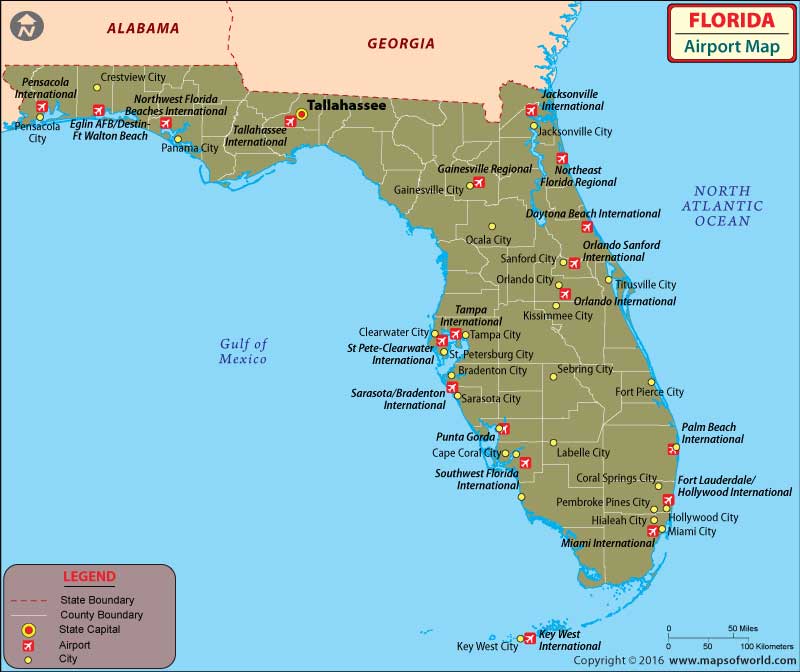
Florida is home to numerous airports, catering to a vast array of travel needs. Each major airport, while adhering to general safety protocols, has specific considerations based on its location and volume of traffic.
South Florida Hubs
- Miami International Airport (MIA): As a primary gateway to Latin America and the Caribbean, MIA handles a significant volume of international and domestic traffic. Its coastal location makes it particularly vulnerable to hurricanes. The airport has invested heavily in flood mitigation and robust storm preparedness protocols.
- Fort Lauderdale-Hollywood International Airport (FLL): Located north of Miami, FLL is another major South Florida gateway. It shares many of the same weather-related vulnerabilities as MIA and has parallel emergency response plans.
- Palm Beach International Airport (PBI): Serving the affluent Palm Beach area, PBI also implements comprehensive hurricane preparedness measures, ensuring its facilities and operations are secured when necessary.
Central Florida Attractions
- Orlando International Airport (MCO): A critical nexus for tourists visiting the theme parks and attractions of Orlando, MCO is one of the busiest airports in the state. Its inland location offers some protection from direct storm surges, but it is still susceptible to heavy rains, high winds, and associated flight disruptions.
- Tampa International Airport (TPA): Situated on the west coast of Florida, TPA is highly exposed to hurricanes making landfall in the Tampa Bay area. The airport has a well-established history of effective storm preparation and has implemented significant resilience upgrades over the years.
Other Key Airports
- Jacksonville International Airport (JAX): Located in Northeast Florida, JAX is susceptible to tropical systems impacting the Atlantic coast. Its operational status will be dictated by the severity of the storm and its path.
- Southwest Florida International Airport (RSW): Serving the rapidly growing Southwest Florida region, including cities like Fort Myers and Naples, RSW is directly in the path of many Gulf Coast storms. Its operational status is heavily influenced by severe weather warnings.
- Sanford-Orlando International Airport (SFB): Often used by budget airlines and charter flights, SFB operates under similar weather advisories as MCO, its larger counterpart.

Conclusion
Florida’s airports are integral to the state’s identity as a premier travel destination. While they are built and managed with a strong emphasis on safety and operational continuity, they are not immune to the impacts of severe weather and other unforeseen events. Travelers are strongly advised to stay informed through official channels and to be prepared for potential disruptions, especially during hurricane season. By understanding the procedures and communication strategies employed by airports and airlines, travelers can navigate their journeys more effectively, ensuring their plans are as seamless as possible, even when faced with the unpredictable nature of Florida’s climate.
LifeOutOfTheBox is a participant in the Amazon Services LLC Associates Program, an affiliate advertising program designed to provide a means for sites to earn advertising fees by advertising and linking to Amazon.com. Amazon, the Amazon logo, AmazonSupply, and the AmazonSupply logo are trademarks of Amazon.com, Inc. or its affiliates. As an Amazon Associate we earn affiliate commissions from qualifying purchases.