
The captivating allure of Florida draws millions of visitors each year, eager to explore its sun-drenched beaches, vibrant cities, and abundant natural wonders. From the bustling streets of Miami to the tranquil Everglades, a diverse array of wildlife shares this picturesque landscape. Among these creatures, the coyote has become an increasingly visible inhabitant, prompting a natural question among those planning a visit or considering a permanent move: “Are Florida coyotes dangerous?” While often painted with a broad brush of apprehension, understanding the true nature of these adaptable canids is crucial for fostering coexistence and ensuring a safe and enriching experience for both residents and tourists.

Understanding the Florida Coyote
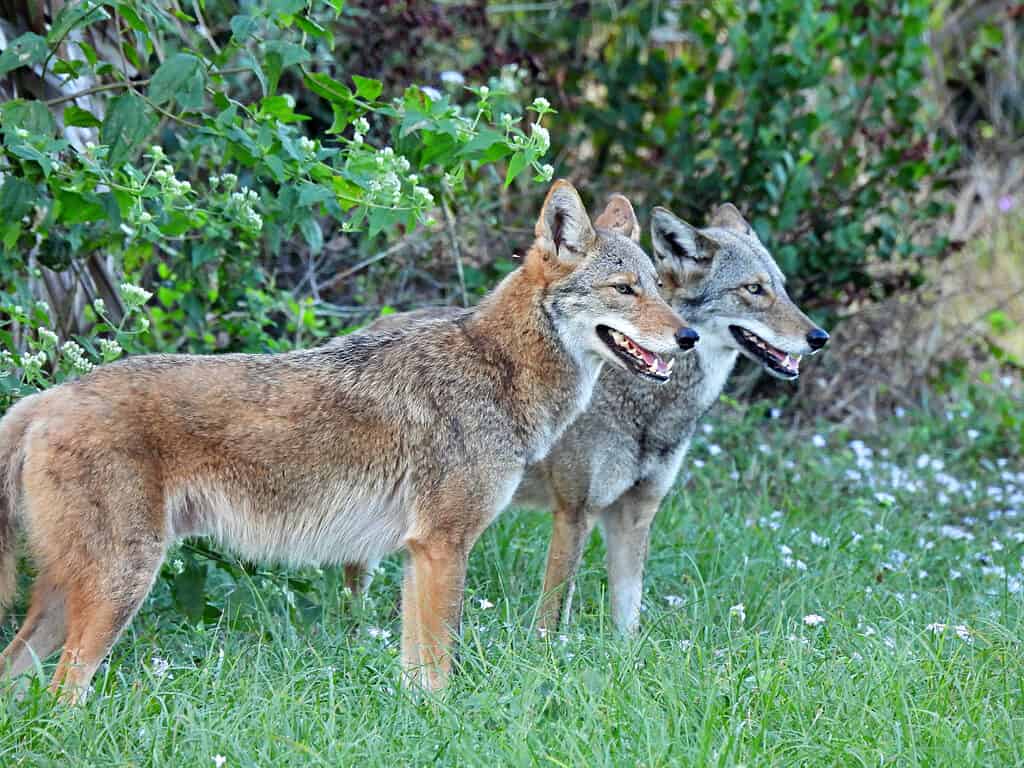
The eastern coyote, also known as the coyote or brush wolf, is a subspecies that has successfully adapted to a wide range of environments, including the varied ecosystems found across the Sunshine State. Unlike their western counterparts, which are typically smaller and more solitary, eastern coyotes are often larger, exhibiting a more social structure and a broader diet. This adaptability has allowed them to thrive in urban, suburban, and rural settings alike, often sharing spaces with human populations.
Habitat and Distribution
Coyotes in Florida are not confined to a single biome. They can be found in coastal marshes, pine flatwoods, cypress swamps, agricultural lands, and even within the manicured landscapes of suburban neighborhoods. Their ability to exploit diverse food sources and find shelter in both natural and man-made environments has facilitated their widespread distribution. This means that encountering a coyote, particularly during dawn or dusk when they are most active, is a real possibility for anyone exploring the state, from the Everglades National Park to the outskirts of cities like Orlando.
Diet and Behavior
The diet of a Florida coyote is opportunistic and highly varied, reflecting their adaptability. They are omnivores, feasting on small mammals such as rodents, rabbits, and raccoons. They also consume birds, insects, fruits, and berries. In urban and suburban areas, their diet can extend to include fallen fruit from trees, garbage, and unfortunately, pets. Their behavior is generally secretive and avoids direct confrontation with humans. Coyotes are naturally wary creatures, and their primary instinct is to flee when approached.
Assessing the Risk: Coyotes and Human Interaction
The question of danger is intrinsically linked to the nature of interactions between humans and wildlife. While coyotes are wild animals and should always be treated with respect and caution, the perception of them as inherently dangerous predators of humans is largely unfounded. The vast majority of encounters are non-threatening, with coyotes prioritizing evasion.
Documented Incidents of Aggression
Instances of coyotes directly attacking humans are exceptionally rare, especially in Florida. When such incidents do occur, they are often linked to specific circumstances, such as a coyote that has become habituated to human presence due to frequent feeding, or a mother protecting her pups. Habituation, where animals lose their natural fear of humans, is a significant factor that can increase the risk of negative interactions. This often stems from people intentionally or unintentionally feeding coyotes, providing them with easy access to food sources.
Prey vs. Predator Dynamics
It is crucial to understand the predator-prey dynamics at play. Humans are not considered natural prey for coyotes. Their primary focus is on securing food for survival, which typically involves smaller, more readily available animals. While the instinct to protect their young can make them more defensive, this is usually directed towards perceived threats to their immediate den or pups, not a general predatory urge towards humans. The size difference alone between a human and a coyote is a significant deterrent for any predatory attempt.
Protecting Pets and Livestock
The most significant concern regarding coyotes in residential areas often revolves around the safety of pets, particularly small dogs and cats, and to a lesser extent, small livestock. Coyotes are opportunistic hunters, and unattended pets can be mistaken for natural prey. This is a crucial area where responsible pet ownership becomes paramount. Keeping pets indoors, especially during dawn and dusk, or supervised when outdoors in yards, significantly mitigates this risk. Secure enclosures for smaller livestock like chickens or rabbits are also essential.
Living Safely Alongside Florida Coyotes
The presence of coyotes in Florida is a testament to their remarkable adaptability. Coexisting peacefully with these animals requires understanding their behavior and taking proactive measures to minimize potential conflicts. This is not about instilling fear, but about fostering respect and awareness.
Responsible Practices for Residents and Visitors
For residents and visitors alike, the guiding principle should be to maintain a respectful distance and never approach or attempt to feed a coyote.
- Never Feed Coyotes: This is the most critical rule. Feeding coyotes, whether intentionally or unintentionally by leaving pet food outdoors or unsecured garbage, leads to habituation. Habituated coyotes lose their natural fear and may begin to associate humans with food, increasing the likelihood of problematic encounters.
- Secure Garbage: Ensure that garbage cans are tightly sealed and placed out for collection on the designated day. This prevents coyotes from accessing a readily available food source.
- Supervise Pets: As mentioned, keep pets, especially small ones, under direct supervision when outdoors. Consider keeping them indoors during peak coyote activity times (dawn and dusk).
- Leash Dogs: Always keep dogs on a leash when walking them in areas where coyotes may be present. This not only protects your pet but also prevents potential confrontations.
- Educate Children: Teach children to never approach or tease wildlife, including coyotes. If a coyote is spotted, they should calmly back away and inform an adult.
- Secure Small Livestock: If you raise small livestock such as chickens or rabbits, ensure their enclosures are robust and secure to prevent access by coyotes.
What to Do If You Encounter a Coyote
Encounters with coyotes are common, especially in areas where their habitat overlaps with human settlements. The key is to react calmly and decisively to reinforce their natural wariness.
- Maintain Distance: Do not approach the animal. Observe from a safe distance.
- Make Noise: If a coyote approaches too closely or appears too bold, make loud noises. Clap your hands, shout, or bang pots and pans. This can startle the animal and encourage it to leave.
- Appear Larger: Stand tall, wave your arms, and make yourself appear as large as possible.
- Do Not Run: Running can trigger a chase response. Instead, slowly back away, keeping the coyote in sight.
- Report Unusual Behavior: If you encounter a coyote that appears sick, injured, or unusually aggressive, report it to the Florida Fish and Wildlife Conservation Commission (FWC). This helps authorities monitor wildlife health and address potential issues.
Myth vs. Reality: Dispelling Coyote Concerns
The portrayal of coyotes in popular culture often fuels unnecessary fear and misunderstanding. It is vital to separate fact from fiction to foster a more balanced perspective on these fascinating animals.
The “Wolf-Coyote Hybrid” Fear
A common concern, particularly in the southeastern United States, is the prevalence of coyotes with suspected wolf ancestry, often referred to as “coywolves.” While genetic studies have indicated some level of hybridization in certain populations, the impact on their behavior towards humans is complex and not a clear-cut indicator of increased danger. Eastern coyotes themselves are a distinct subspecies that has evolved to coexist with humans, and the presence of wolf genes does not automatically translate to increased aggression towards people.
Coyotes as an Integral Part of the Ecosystem
Coyotes play a vital role in maintaining the health of Florida’s ecosystems. They help control populations of rodents and other small animals that can damage crops or spread disease. Their presence can also influence the behavior of other wildlife, contributing to a more balanced and resilient environment. Understanding this ecological role underscores the importance of their conservation and the need for human actions that support their survival rather than provoke conflict.

A Shared Environment
Florida is a diverse state with a rich tapestry of life. From the iconic alligators of the Everglades to the manatees of its coastal waters, its wildlife is a significant part of its appeal. Coyotes are simply another thread in this complex ecological fabric. By embracing knowledge, practicing responsible behavior, and fostering respect, visitors and residents can enjoy the unique experiences that Florida has to offer, while ensuring a safe and harmonious coexistence with its wild inhabitants. The question of whether Florida coyotes are dangerous is best answered by understanding that they are wild animals whose behavior is largely dictated by human interaction and environmental factors. With careful observation and responsible practices, the potential for danger can be significantly minimized, allowing us to appreciate these adaptable creatures for the wild and intriguing part of the Florida landscape that they are.
LifeOutOfTheBox is a participant in the Amazon Services LLC Associates Program, an affiliate advertising program designed to provide a means for sites to earn advertising fees by advertising and linking to Amazon.com. Amazon, the Amazon logo, AmazonSupply, and the AmazonSupply logo are trademarks of Amazon.com, Inc. or its affiliates. As an Amazon Associate we earn affiliate commissions from qualifying purchases.