
While the quintessential image of cherry blossoms evokes images of temperate climates, often associated with romanticized notions of spring in places like Japan or Washington D.C., the question of whether these beloved fruit-bearing trees can thrive in the unique subtropical environment of Florida presents an intriguing horticultural challenge. For those with a deep appreciation for nature’s bounty and the beauty of blooming landscapes, understanding the specific needs of cherry trees and how they align with [Florida]’s climate is crucial for successful cultivation.
The answer isn’t a simple yes or no. It hinges on understanding that not all cherry trees are created equal, and their suitability for a particular region depends heavily on their chilling hour requirements and adaptability to heat and humidity. For most traditional sweet and tart cherry varieties, commonly grown in colder climates, the answer is likely a discouraging “no.” These cultivars typically require a significant number of “chill hours” – periods of cold temperatures below 45°F (7°C) during winter – to properly set fruit and bloom. [Florida]’s mild winters, especially in the southern and central parts of the state, generally do not provide sufficient chilling hours for these varieties to flourish. However, this doesn’t entirely close the door on experiencing cherry trees in the Sunshine State.
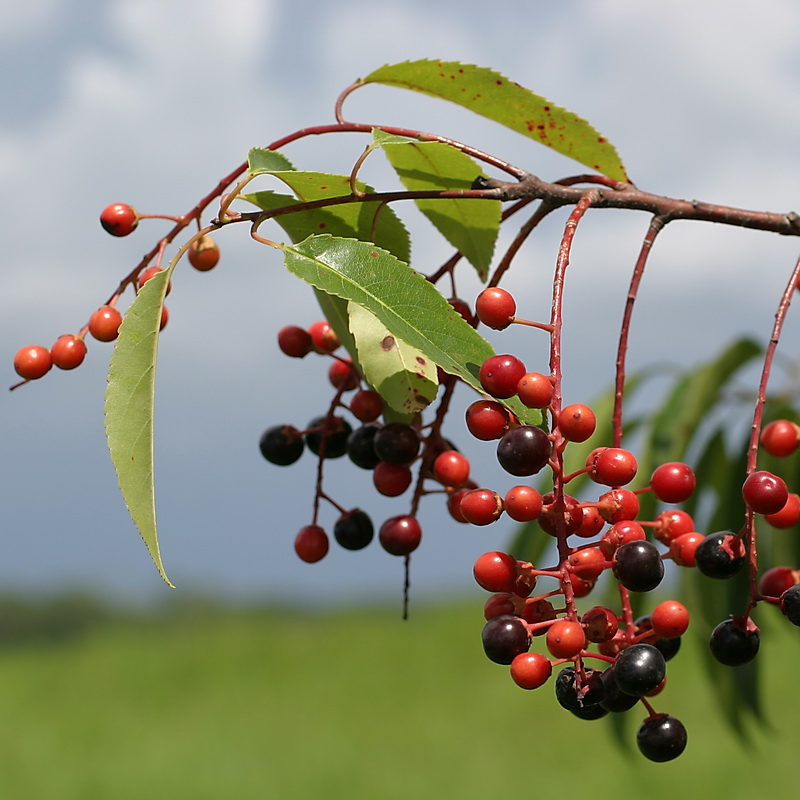
Understanding Chill Hours and Cherry Varieties
The concept of “chill hours” is paramount when considering fruit tree cultivation in warmer climates. It refers to the cumulative number of hours that a plant is exposed to temperatures between 32°F (0°C) and 45°F (7°C) during the dormant season, typically from late fall through early spring. This period of cold is essential for breaking the dormancy of flower buds, allowing them to develop and eventually bloom in the spring. Without adequate chilling, trees may exhibit delayed or erratic blooming, reduced fruit set, and overall poor vigor.
Traditional cherry cultivars, such as ‘Bing’ or ‘Montmorency’, often require anywhere from 800 to 1,200 chill hours or more. Comparing this to [Florida]’s average winter chill hours – which can range from as low as 0-100 in South Florida to perhaps 200-400 in the northern panhandle – it becomes clear why these popular varieties struggle. The heat and humidity that characterize [Florida]’s climate also present challenges, increasing susceptibility to fungal diseases and pests that are less prevalent in drier, colder regions.
Low-Chill Cherries: A Glimmer of Hope
Fortunately, horticulturalists have developed and identified certain cherry varieties that are better suited to warmer climates and have lower chilling requirements. These “low-chill” or “tropical” cherries are the key to potentially growing cherry trees in Florida. These varieties have been bred or selected for their ability to produce fruit with significantly fewer chill hours, often requiring as little as 100-400 hours.
One of the most promising candidates is the Prunus avium x Prunus pseudocerasus hybrid, commonly known as the Southern Cherry or Taiwan Cherry (Prunus campanulata). This species is native to Taiwan and parts of southern China and has a natural adaptation to warmer climates. It requires minimal chilling and can produce small, tart cherries that are often used for preserves or ornamental purposes. The tree itself is beautiful, offering a spectacular display of pink or red bell-shaped flowers in late winter or early spring, long before many other fruit trees bloom. While not the large, sweet cherries typically found in supermarkets, they offer a unique local harvest and an attractive ornamental feature.
Another consideration for low-chill regions are certain varieties of Jujube (Ziziphus jujuba), sometimes referred to as Chinese dates. While not technically a cherry, they are a popular fruit-bearing tree that thrives in warm climates and has low chilling requirements. They produce small, sweet fruits that can be eaten fresh or dried. Additionally, some ornamental cherry varieties, like the Flowering Plum (Prunus cerasifera) or certain types of Nanking Cherry (Prunus tomentosa), might tolerate [Florida]’s climate better than traditional fruiting cherries, offering beautiful spring blooms without the expectation of significant fruit production. However, true cherry fruit production requires careful selection of low-chill varieties.
Site Selection and Planting in [Florida]
Even with the selection of a low-chill cherry variety, successful cultivation in Florida demands careful attention to site selection and planting techniques. The goal is to mimic the conditions that are most favorable to the tree while mitigating the challenges posed by the subtropical environment.
Soil and Drainage: The Foundation of Success
Florida soils can be notoriously sandy and lacking in nutrients, or conversely, heavy clay that retains too much moisture. Both extremes can be detrimental to cherry trees, which prefer well-drained, fertile soil with a slightly acidic pH (around 6.0-6.5). Poor drainage is particularly a concern, as cherry tree roots are susceptible to root rot in waterlogged conditions, a risk amplified by [Florida]’s frequent rainfall.
To address this, it is highly recommended to plant cherry trees on raised mounds or beds. This elevated planting ensures that water drains away from the root zone, preventing the stagnation that can lead to disease. Amending the native soil with organic matter, such as compost or well-rotted manure, can improve soil structure, fertility, and water retention without compromising drainage. When planting, digging a wide hole and mounding the amended soil can create an optimal environment for the young tree’s root system to establish.
Sunlight and Air Circulation: Battling the Heat and Humidity
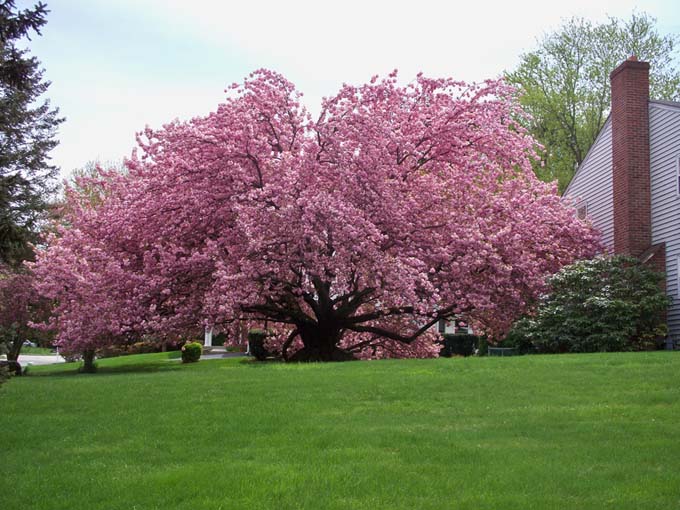
Cherry trees, even low-chill varieties, require ample sunlight for healthy growth and fruit production. A location that receives at least six to eight hours of direct sunlight daily is ideal. However, in Florida’s intense summer heat, some afternoon shade might be beneficial for younger trees to prevent sunburn and stress.
Adequate air circulation is another critical factor, especially in combating the high humidity that contributes to fungal diseases. Planting the tree in an open area, away from dense structures or other large plants that might impede airflow, is important. Pruning the tree to maintain an open canopy also enhances air circulation throughout the branches, helping to dry foliage more quickly after rain or dew and reducing the incidence of diseases like brown rot or powdery mildew.
Protection from Pests and Diseases
The warm and humid conditions of Florida can create a favorable environment for a range of pests and diseases that can attack cherry trees. Vigilance and proactive management are key to protecting your investment. Common issues include:
- Fungal Diseases: Brown rot, powdery mildew, and leaf spot are prevalent in humid climates. Maintaining good air circulation, proper watering practices (avoiding overhead watering), and promptly removing any diseased plant material can help prevent outbreaks. Fungicidal sprays may be necessary during periods of high risk.
- Insects: Aphids, spider mites, and certain borers can infest cherry trees. Regular inspection of the tree for signs of infestation is recommended. Organic pest control methods, such as insecticidal soaps or neem oil, can be effective for minor infestations. For more serious problems, targeted treatments may be required.
- Birds and Other Wildlife: As with many fruit-bearing trees, birds and other local wildlife may be attracted to ripening cherries. Netting can provide a physical barrier to protect the fruit.
Maintenance and Harvesting Your Florida Cherries
Once your low-chill cherry tree is established in its Florida home, ongoing maintenance will ensure its health, productivity, and longevity. This includes proper watering, fertilization, and pruning.
Watering and Fertilization Regimen
Newly planted trees require consistent watering to establish their root systems. Water deeply and regularly, allowing the soil to dry slightly between waterings. As the tree matures, watering needs will decrease, but it’s still important to provide adequate water during dry spells, especially when the tree is flowering and fruiting. Avoid overwatering, which can lead to root rot.
Fertilization should be based on the tree’s needs and the soil’s nutrient content. A balanced, slow-release fertilizer applied in early spring before new growth begins is typically sufficient. Avoid excessive nitrogen, which can promote leafy growth at the expense of fruit production and make the tree more susceptible to diseases. Soil testing can provide specific recommendations for fertilization.
Pruning for Health and Productivity
Pruning is an essential practice for cherry trees, particularly in Florida. The primary goals of pruning are to:
- Shape the tree: Develop a strong structural framework that can support fruit.
- Improve air circulation: Reduce the risk of fungal diseases.
- Remove dead or diseased wood: Maintain tree health.
- Encourage fruit production: Thinning out crowded branches can direct the tree’s energy towards producing larger, higher-quality fruit.
The best time to prune most fruit trees, including cherries, is during their dormant season. However, for low-chill varieties in Florida, some light pruning may also be done after fruiting to manage size and shape, and to remove any suckers that emerge from the base of the tree.

Harvesting Your Cherries
The reward for your horticultural efforts comes during the harvest. Low-chill cherry varieties typically ripen in late spring or early summer, often before traditional varieties in cooler climates. The exact timing will depend on the specific cultivar and the local Florida microclimate. Cherries are ready to harvest when they are fully colored and slightly soft to the touch. They should pull away from the stem easily. Enjoying freshly picked cherries, even if they are smaller and tarter than commercial varieties, is a unique and satisfying experience for any gardener in the Sunshine State. For those who appreciate the beauty and potential bounty of fruit trees, exploring the possibility of growing cherry trees in Florida offers a rewarding journey into adaptive horticulture.
LifeOutOfTheBox is a participant in the Amazon Services LLC Associates Program, an affiliate advertising program designed to provide a means for sites to earn advertising fees by advertising and linking to Amazon.com. Amazon, the Amazon logo, AmazonSupply, and the AmazonSupply logo are trademarks of Amazon.com, Inc. or its affiliates. As an Amazon Associate we earn affiliate commissions from qualifying purchases.