
The allure of Florida’s waterways is undeniable. From the tranquil mangroves of the Ten Thousand Islands to the vibrant coral reefs off the coast of Key West, boating is an integral part of the Sunshine State’s identity and a cornerstone of its tourism industry. For many, owning an outboard motor is the key to unlocking these aquatic adventures. After a day spent exploring the Gulf Coast or navigating the Intracoastal Waterway, a thorough cleaning of your outboard motor is essential for its longevity and optimal performance. This naturally leads many to consider pressure washing as a quick and effective solution. But can you, or more importantly, should you, pressure wash your outboard motor in Florida? The answer is nuanced, and understanding the potential risks and benefits is crucial for maintaining your marine investment.

Understanding the Pressure Washing Dilemma
Pressure washing, when done correctly, can be an excellent method for removing salt, sand, grime, and other corrosive elements that are ubiquitous in the Florida environment. The high-pressure stream of water can effectively dislodge stubborn deposits and leave your outboard looking as good as new. However, outboard motors are complex pieces of machinery with intricate electrical components, seals, and moving parts that can be susceptible to damage from excessive pressure or improper technique. The saline environment of Florida, with its constant exposure to saltwater, exacerbates these risks, as salt residue can accelerate corrosion if not removed properly. Therefore, a blanket “yes” or “no” is insufficient; the real question is how to approach pressure washing an outboard motor in Florida safely and effectively.
The Appeal of Pressure Washing for Marine Equipment
The primary draw of pressure washing for outboard motors is efficiency. Florida’s climate, while beautiful, presents unique challenges for boat owners. Salt spray from the ocean, brackish water from the numerous rivers and estuaries, and the sheer amount of sand and dirt encountered can quickly degrade engine components. Traditional hand-washing, while thorough, can be time-consuming and labor-intensive. A pressure washer offers a powerful and rapid way to strip away these contaminants, especially after a long day out on the water near popular destinations like Clearwater Beach or exploring the waters around Miami. This speed and perceived effectiveness make it an attractive option for busy boat owners who want to get back on the water quickly or simply want to maintain their vessel’s aesthetic appeal.
Potential Risks and Drawbacks
Despite its advantages, pressure washing an outboard motor carries significant risks if not executed with precision. The high-pressure water can:
- Damage Seals and Gaskets: Water forced into areas it shouldn’t be can compromise seals on bearings, gearcases, and other critical components, leading to water intrusion and subsequent corrosion or mechanical failure.
- Dislodge Electrical Connectors: The force of the water can loosen or dislodge electrical connectors, leading to intermittent or complete loss of power, or damage to sensitive electronic components.
- Strip Paint and Finishes: Excessive pressure can strip away the protective paint or decals on the motor cowling and lower unit, leaving the underlying metal exposed and vulnerable to corrosion.
- Force Water into Inaccessible Areas: Water can be pushed into cavities and crevices where it may not easily drain, creating a breeding ground for mold and mildew or contributing to internal corrosion.
- Damage Cooling Passages: While less common with lower pressure settings, there’s a theoretical risk of damaging the delicate water cooling passages if the nozzle is held too close or at an incorrect angle.
Given Florida’s humid climate and the inherent saltiness of its waters, any damage that compromises seals or exposes metal can lead to accelerated corrosion, a persistent adversary for marine equipment.
Best Practices for Pressure Washing Outboard Motors in Florida
If you decide to proceed with pressure washing your outboard motor, it’s imperative to adopt a cautious and informed approach. This is not a task to be undertaken without understanding the specific vulnerabilities of your marine engine. The key lies in moderation, technique, and appropriate equipment.
Preparation is Paramount
Before even reaching for the pressure washer, proper preparation is essential to protect your outboard and ensure the cleaning process is as safe as possible.
- Cool the Engine: Never pressure wash a hot engine. Allow it to cool down completely to prevent thermal shock.
- Flush with Fresh Water (Crucial First Step): Always perform a thorough fresh-water flush of the cooling system before any high-pressure cleaning. This removes the bulk of the salt and debris from the internal waterways, which is far more critical than exterior cleaning. Most outboard motors have a flush port for this purpose, requiring a garden hose connection and running the engine at idle for several minutes. This step is arguably the most important maintenance task for any boat used in saltwater.
- Protect Sensitive Areas: Cover or shield sensitive electrical components, such as the control box, ignition system, and any exposed wiring, with plastic bags and tape. Pay close attention to the area around the spark plugs and any vents.
- Lower the Motor: Tilt the outboard motor to its lowest position or a position that allows for easy access and drainage.
The Right Equipment and Settings
The type of pressure washer and its settings play a critical role in preventing damage.
- Choose the Right Pressure Washer: Opt for a lower-PSI (pounds per square inch) pressure washer. For outboard motors, a unit delivering between 1000 and 1500 PSI is generally considered safe, provided the nozzle is used correctly. Avoid industrial-grade machines with much higher PSI ratings unless you have extensive experience.
- Select the Appropriate Nozzle: Use a wide-angle nozzle, typically a 40-degree (white) or 25-degree (green) tip. These nozzles spread the water over a larger area, reducing the direct impact force. Never use a zero-degree (red) or 15-degree (yellow) nozzle, as these concentrate the pressure and can easily cause damage.
- Maintain a Safe Distance: The most critical aspect of pressure washing is the distance from the surface. Always maintain a minimum distance of 12-18 inches (30-45 cm) from the motor. Start further away and gradually move closer if necessary, but never get so close that you feel the pressure is excessive or hear any concerning noises.
The Washing Process
With preparation complete and the right equipment at the ready, the actual washing process requires careful attention to detail.
- Work Systematically: Start from the top of the motor and work your way down. This allows dirty water to run off the surfaces you have yet to clean.
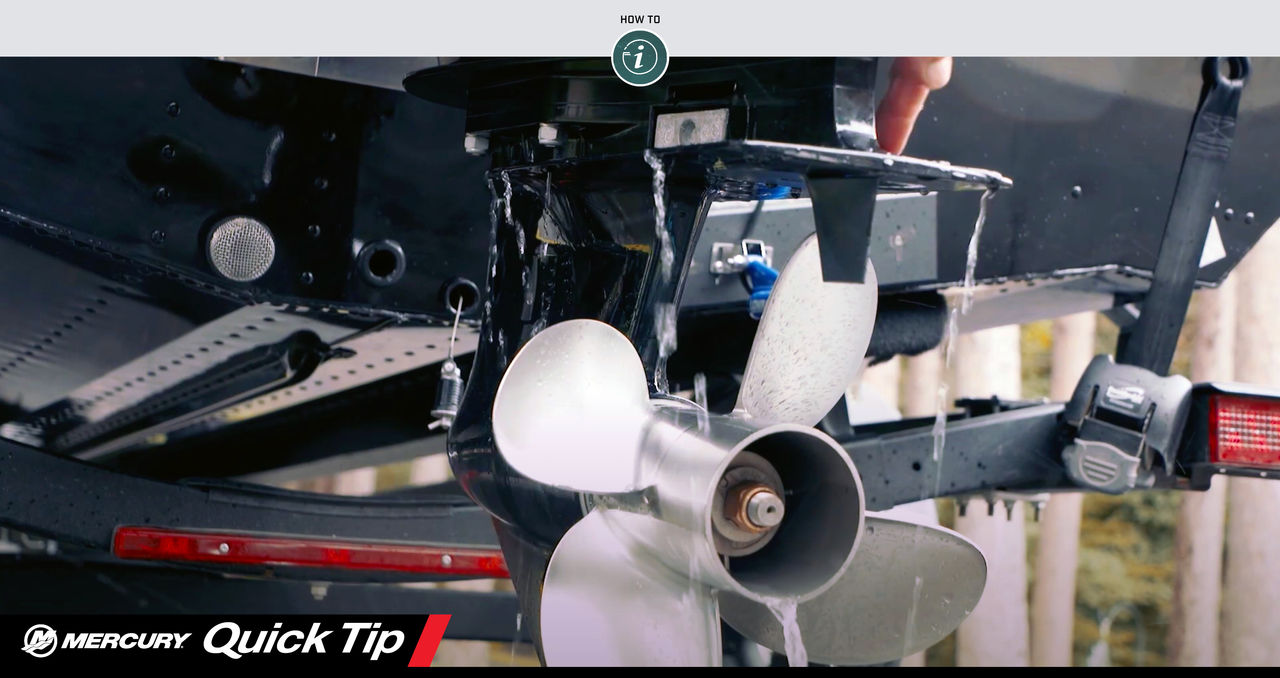
- Avoid Direct Spray on Critical Areas: Be extremely careful not to spray water directly into any openings, vents, or electrical connections. Focus on the cowling, lower unit, and propeller.
- Rinse Thoroughly: After applying any cleaning solution (if used), rinse the motor thoroughly with fresh water to remove all traces of detergent and loosened grime.
- Dry the Motor: After rinsing, it’s essential to dry the motor as much as possible. You can use clean towels, compressed air, or even allow it to air dry thoroughly, especially in Florida’s sunny climate. Pay attention to crevices and hard-to-reach areas.
When to Consider Professional Help or Alternatives
While pressure washing can be a viable option for some, there are situations where it might be best to avoid it altogether or seek professional assistance.
Alternatives to Pressure Washing
If you are hesitant about the risks associated with pressure washing, or if your outboard is particularly old or has visible signs of wear, consider these alternatives:
- Hose and Brush Method: A thorough wash with a garden hose, a marine-specific boat soap, and soft brushes is a safe and effective way to clean your outboard. This method allows for more control and reduces the risk of water intrusion.
- Salt-Away or Similar Products: Many marine cleaning products are designed to neutralize salt and protect against corrosion. These can be used in conjunction with a hose and bucket for a highly effective and safe cleaning.
- Commercial Boat Washes: Some marinas or boat detailing services offer pressure washing services. If you opt for this, ensure they have experience with marine engines and use appropriate techniques.
Signs Your Outboard May Not Be a Good Candidate for Pressure Washing
Certain conditions can make your outboard motor a poor candidate for pressure washing:
- Visible Corrosion: If your motor already exhibits significant rust or corrosion, the high pressure could exacerbate these issues by flaking off weakened metal.
- Damaged Seals or Gaskets: Any visible damage to seals or gaskets around the lower unit or engine cowling is a red flag. Water intrusion is already a risk, and pressure washing could worsen it.
- Older Engines: Older outboard motors may have less robust sealing and more susceptible components. Exercising extreme caution or opting for manual cleaning is advisable.
- Lack of Confidence: If you are not confident in your ability to perform the task safely and effectively, it’s always best to err on the side of caution and seek professional help or use a gentler cleaning method.
Maintaining Your Outboard for Florida’s Waters
Owning a boat in Florida means embracing the sea, but it also means committing to vigilant maintenance. The unique environment of the Sunshine State – with its warm waters, high humidity, and abundant salt – demands specific care for your outboard motor. Beyond cleaning, regular maintenance is key to ensuring your engine performs reliably and lasts for years to come.
Beyond the Exterior Wash
A clean exterior is important for aesthetics and for spotting potential issues, but the real work happens internally.
- Regular Flushing: As mentioned, flushing the cooling system with fresh water after every use in saltwater is non-negotiable. This is the single most important step to prevent internal corrosion and maintain proper engine temperature.
- Lubrication: Regularly lubricate all moving parts, including steering components, throttle and shift linkages, and the propeller shaft. Use marine-grade lubricants designed to withstand saltwater and extreme conditions.
- Checking for Leaks: Periodically inspect for any signs of water intrusion, oil leaks, or fuel leaks. Addressing minor issues promptly can prevent major problems down the line.
- Propeller Maintenance: Inspect your propeller for nicks, bends, or corrosion. A damaged propeller can affect performance and fuel efficiency.
- Anode Replacement: Sacrificial anodes (zincs) are designed to corrode instead of your engine components. Check them regularly and replace them when they are significantly worn.

Professional Servicing in the Sunshine State
For many boat owners, particularly those who are less mechanically inclined or who own high-value, complex engines, professional servicing is the most reliable way to ensure their outboard motor is in peak condition. Marinas and marine service centers throughout Florida, from the Panhandle to the Keys, are equipped to handle the specific challenges of maintaining boats in a saltwater environment. They can perform thorough inspections, identify potential issues early, and execute maintenance tasks with the expertise that comes from years of experience. When considering services, look for those that specialize in your brand of outboard and have a solid reputation within the local boating community. For example, a reputable service center near Fort Lauderdale might offer specialized packages for boats frequently used in the Atlantic.
Ultimately, the decision to pressure wash your outboard motor in Florida hinges on a careful assessment of risks versus rewards, and a commitment to executing the task with the utmost care and precision. For many, the traditional hose and brush method, combined with meticulous fresh-water flushing and professional servicing when needed, offers the safest and most reliable path to keeping their marine engine in optimal condition for countless adventures on Florida’s magnificent waterways.
LifeOutOfTheBox is a participant in the Amazon Services LLC Associates Program, an affiliate advertising program designed to provide a means for sites to earn advertising fees by advertising and linking to Amazon.com. Amazon, the Amazon logo, AmazonSupply, and the AmazonSupply logo are trademarks of Amazon.com, Inc. or its affiliates. As an Amazon Associate we earn affiliate commissions from qualifying purchases.