
Boston, Massachusetts, is a city steeped in history, a vibrant tapestry woven with the threads of the past and the dynamic spirit of the present. For travelers seeking to immerse themselves in the origins of the United States, there is no finer destination. Its cobblestone streets, historic landmarks, and world-class museums offer an unparalleled journey through time, revealing the pivotal moments that shaped a nation. Among these seminal events, the Boston Massacre stands as a stark and tragic reminder of the tensions that simmered between colonial citizens and British authorities, ultimately igniting the fires of the American Revolution.
While the term “massacre” might conjure images of widespread slaughter, the reality of the Boston Massacre is far more nuanced, yet no less impactful. Understanding this event is crucial for anyone walking the Freedom Trail today, seeking to grasp the true essence of Boston’s revolutionary spirit. It’s a moment that transformed a street brawl into a rallying cry for independence, changing the course of North American history forever.
The Seeds of Discontent: Pre-Massacre Tensions in Colonial Boston
To truly understand the Boston Massacre, travelers must first appreciate the volatile atmosphere that pervaded Boston in the late 1760s. After decades of relative autonomy, the thirteen American colonies found themselves increasingly under the thumb of Great Britain’s Parliament and King George III. The costly French and Indian War (Seven Years’ War) had left Britain with a massive debt, prompting Parliament to impose a series of taxes and acts designed to raise revenue from the colonies.
British Occupation and Colonial Grievances
The most significant of these were the Stamp Act of 1765 and, following its repeal, the Townshend Acts of 1767. These acts levied duties on goods such as tea, glass, paper, and lead, and critically, established the right of British customs commissioners to enforce these laws, often with little regard for colonial rights. The colonists, who had no representation in Parliament, viewed these taxes as unjust, famously coining the phrase “no taxation without representation.”
Boston, a bustling port city and a hotbed of revolutionary sentiment, bore the brunt of these policies. Merchants and ordinary citizens alike chafed under the economic restrictions and the constant presence of British soldiers. The Quartering Act further exacerbated tensions, forcing colonists to provide housing and provisions for these soldiers, many of whom were seen as an occupying force rather than protectors. By 1768, thousands of British troops had been stationed in Boston, ostensibly to maintain order and protect customs officials, but in reality, they created an ever-present source of friction.
The soldiers, often poorly paid and competing with colonists for odd jobs, were viewed with contempt. Skirmishes between soldiers and citizens became increasingly common, fueled by economic hardship, political grievances, and cultural clashes. The atmosphere was a powder keg, waiting for a spark.
The Tragic Evening of March 5, 1770: A Fateful Confrontation
The fateful evening of March 5, 1770, began, ironically, with a relatively minor incident. A young British officer, Captain Lieutenant John Goldfinch, refused to pay a wigmaker’s apprentice, Edward Garrick, for a haircut. This seemingly trivial dispute quickly escalated, drawing in a crowd of angry colonists who confronted a lone British sentry stationed outside the Customs House on King Street (present-day State Street, where the Old State House stands).
The Shots Fired and the Immediate Casualties
As the crowd grew larger and more agitated, pelting the sentry with snowballs, ice, and verbal abuse, additional British soldiers arrived on the scene, led by Captain Thomas Preston. Eight soldiers formed a defensive semicircle, bayonets fixed, facing the increasingly hostile throng. The colonists, numbering in the hundreds, continued their taunts, daring the soldiers to fire. Bells began to ring, usually a signal of fire, drawing even more people into the street.
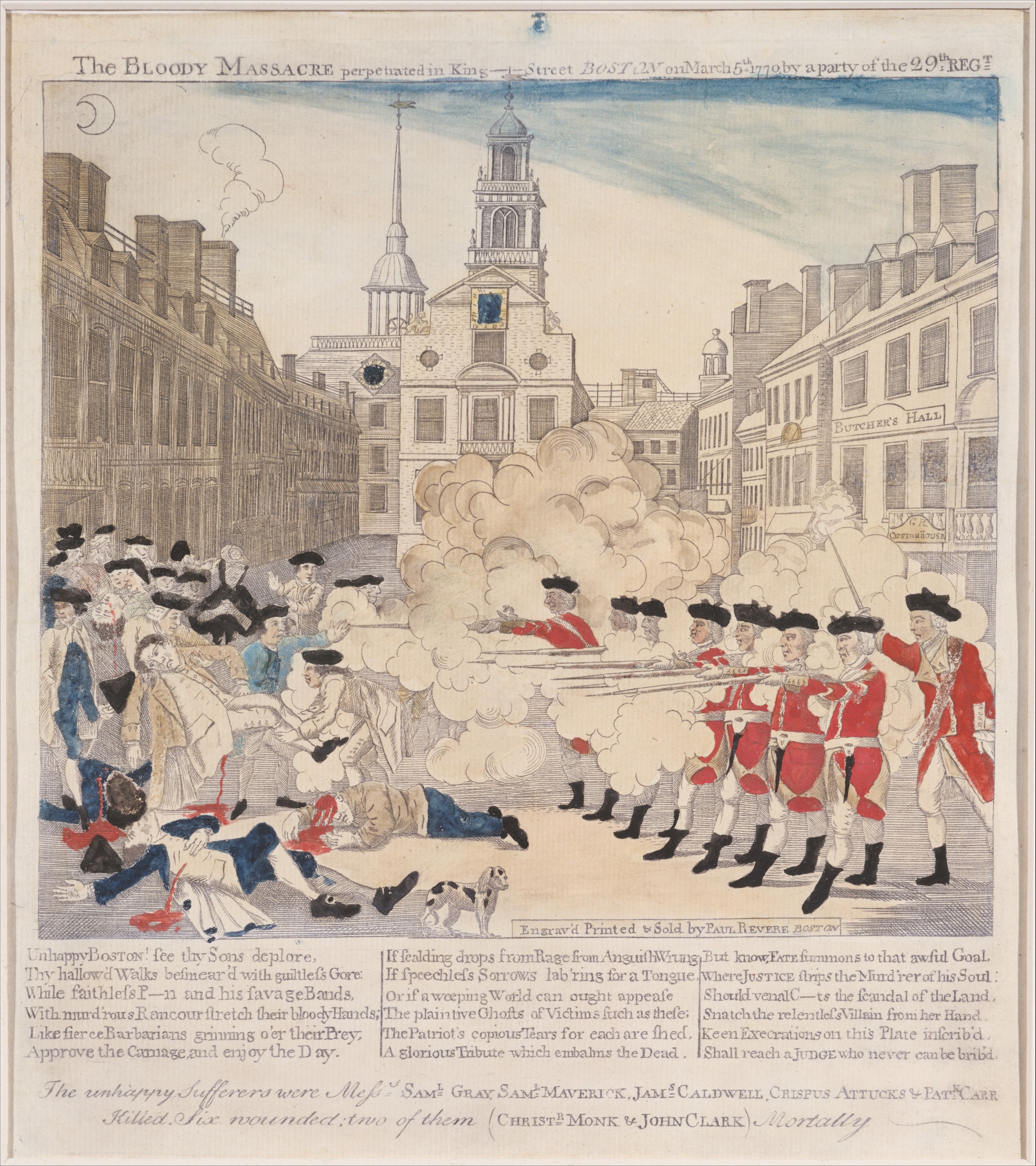
Amidst the chaos, shouting, and projectiles, a soldier was reportedly struck, leading to a musket shot being fired. Whether it was accidental, a warning, or a deliberate act remains a subject of historical debate. Regardless, this single shot broke the tension, and other soldiers, perhaps in panic or believing they had been ordered to fire, discharged their weapons into the crowd.

When the smoke cleared, several colonists lay wounded or dead. The immediate answer to “How many people died in the Boston Massacre?” is three at the scene. These were:
- Crispus Attucks: A man of Wampanoag and African descent, widely considered the first casualty of the American Revolution. He was shot twice in the chest.
- James Caldwell: A young sailor, also shot in the chest.
- Samuel Gray: A rope maker, shot in the head.
Two other men succumbed to their wounds shortly thereafter:
- Patrick Carr: An Irish immigrant and leather breeches maker, who died on March 8.
- Samuel Maverick: A 17-year-old apprentice, who died hours after the incident on March 6.
Therefore, the definitive answer is five people died as a direct result of the Boston Massacre. Six others were wounded but survived.
The Aftermath and its Revolutionary Impact
The immediate aftermath of the Boston Massacre sent shockwaves through the colonies. The event was quickly seized upon by Patriot leaders, who masterfully used it to galvanize public opinion against British rule.
Justice and Propaganda
In a remarkable turn of events, Captain Preston and eight of his soldiers were arrested and charged with murder. What followed was one of the most significant trials in colonial history, where principles of justice and the rule of law were put to the test. Ironically, the defense counsel for the British soldiers was none other than John Adams, a staunch Patriot and future President of the United States, alongside Josiah Quincy II. Adams believed that every individual, regardless of their actions, deserved a fair trial.
Through his brilliant legal arguments, Adams convinced the jury that the soldiers had acted in self-defense, or at least under extreme provocation, facing a riotous and dangerous crowd. Ultimately, Captain Preston and six of his men were acquitted. Two soldiers, Hugh Montgomery and Matthew Kilroy, were found guilty of manslaughter, branded on the thumb as punishment, and then released. This outcome, while upholding legal principles, did little to soothe colonial anger.
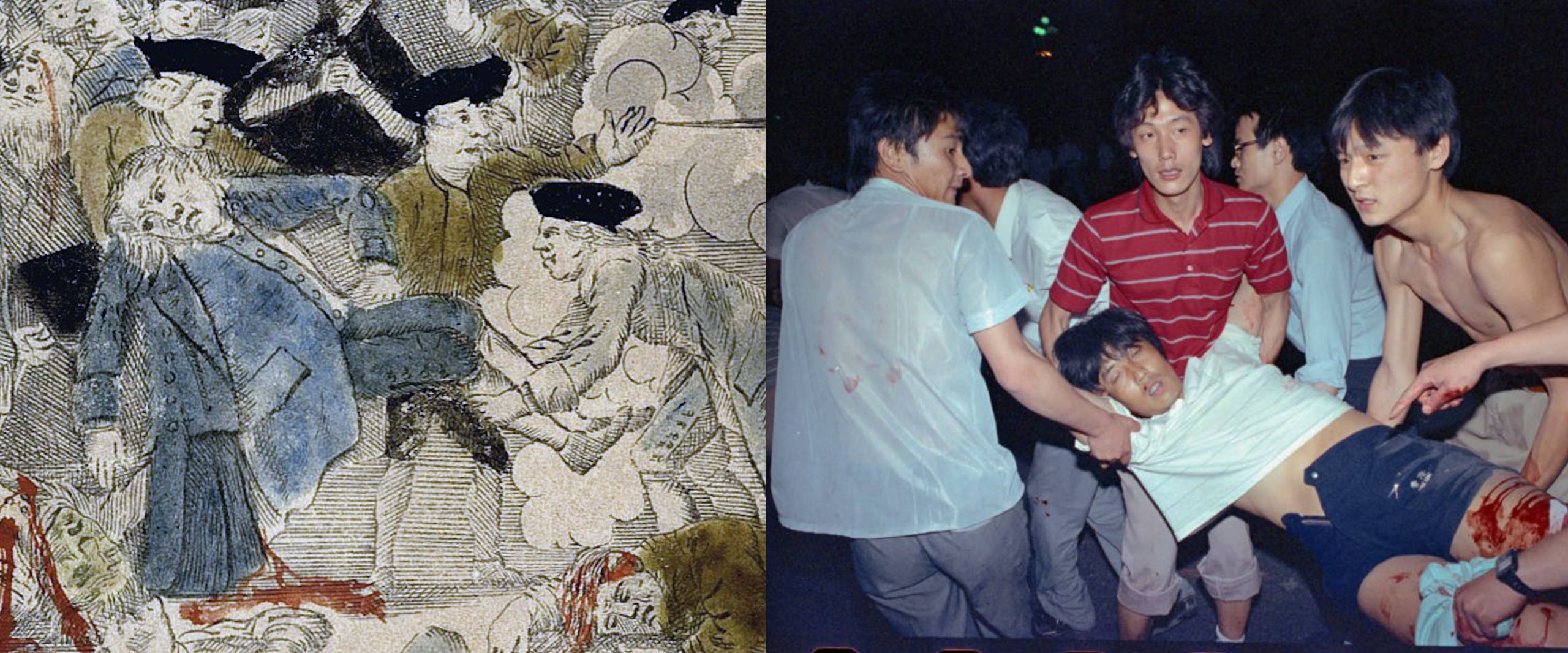
Meanwhile, figures like Samuel Adams and Paul Revere ensured that the narrative of the “massacre” resonated deeply with the populace. Revere’s famous engraving, “The Bloody Massacre in King-Street Boston on March 5th 1770 by the Party of the 29th Regt.”, depicted a brutal and unprovoked attack by uniformed British soldiers on innocent, unarmed colonists. While a powerful piece of propaganda, it visually simplified the complex events, stoking outrage and solidifying the image of Britain as a tyrannical oppressor.
A Catalyst for Independence
The Boston Massacre served as a critical turning point. It exposed the deep chasm between colonial aspirations and British policy, demonstrating that armed conflict was a real and terrifying possibility. While the immediate aftermath saw a temporary easing of tensions – the British troops were removed from Boston, and the Townshend Acts were largely repealed (except for the tax on tea) – the seeds of revolution had been firmly planted.
The event fostered a sense of unity among the colonies and strengthened the resolve of Patriot leaders to resist British authority. It showed colonists that their grievances were not merely economic, but fundamentally about liberty and the right to self-governance. Just five years later, the first shots of the American Revolution would be fired at Lexington and Concord, events that could trace their ideological lineage back to the bloody evening on King Street.
Experiencing the Boston Massacre Today: A Traveler’s Guide
For modern travelers, visiting Boston offers a unique opportunity to walk in the footsteps of history and understand the legacy of events like the Boston Massacre. The city has preserved its past remarkably well, making it an ideal destination for history buffs, families, and anyone interested in the foundational story of the United States.
Walking the Freedom Trail
The most iconic way to explore Revolutionary War history in Boston is by embarking on the Freedom Trail. This 2.5-mile red-lined path connects 16 historically significant sites, providing a comprehensive tour of the city’s pivotal moments. The site of the Boston Massacre is a key stop on this trail, marked by a cobblestone circle directly in front of the Old State House at 206 Washington Street. Standing at this very spot allows visitors to visualize the scene, to imagine the tension, the shouts, and the tragic outcome.
Beyond the Massacre site, the Freedom Trail guides you to other essential landmarks that illuminate the broader context of the Revolution:
- Old State House: Massachusetts’s oldest public building, which served as the seat of colonial government. From its balcony, the Declaration of Independence was first read to the people of Boston.
- Faneuil Hall: Known as the “Cradle of Liberty,” this marketplace and meeting hall was where Samuel Adams and other Patriots rallied support for independence.
- Old North Church: Famous for the lanterns that signaled Paul Revere’s ride, alerting colonists to the approach of British troops by sea.
- Bunker Hill Monument: Commemorating the first major battle of the Revolutionary War in Charlestown.
- USS Constitution: The oldest commissioned warship afloat in the world, nicknamed “Old Ironsides.”
Many tour operators offer guided walks of the Freedom Trail, providing insightful commentary and bringing the stories to life. For those who prefer independent exploration, downloadable audio guides and maps are readily available.
Planning Your Historical Getaway and Accommodation
A trip to Boston is more than just a history lesson; it’s a vibrant travel experience that blends historical reverence with modern tourism and lifestyle offerings. When planning your visit, consider the range of accommodation options available to suit every taste and budget.
Hotels and Resorts: Boston boasts an impressive selection of hotels, from luxurious five-star resorts to charming boutique hotels and budget-friendly options.
- Luxury Stays: For an opulent experience, consider The Langham Boston, housed in a former Federal Reserve Bank building near the Financial District, or the elegant Four Seasons Hotel Boston overlooking the Public Garden. These provide excellent amenities, fine dining, and easy access to downtown attractions.
- Historic Charm: The Omni Parker House, the longest continuously operating hotel in the United States, offers a glimpse into Boston’s past, with its rich history and prime location right on the Freedom Trail.
- Modern & Boutique: For those seeking a contemporary vibe, The Verb Hotel in the Fenway neighborhood offers a unique, music-themed experience, while Kimpton Marlowe Hotel in Cambridge provides stylish accommodations with a focus on local artistry.
- Family & Budget-Friendly: Options like the Hyatt Regency Boston or Marriott Long Wharf offer reliable comfort and amenities for families. For budget-conscious travelers, hostels like Hostelling International Boston provide affordable and social stays.
Neighborhoods to Explore:
- Downtown/Financial District: Ideal for proximity to the Freedom Trail and historic sites.
- North End: Boston’s oldest residential neighborhood, famous for its Italian-American heritage and delicious food scene.
- Beacon Hill: Picturesque streets, gas lamps, and historic brownstones offer a glimpse into upscale Boston.
- Back Bay: Known for its beautiful Victorian architecture, high-end shopping on Newbury Street, and cultural landmarks like Copley Square and the Boston Public Library.
- Cambridge: Just across the Charles River, home to Harvard University and MIT, offering a vibrant academic atmosphere and unique cultural experiences.
Beyond History: While the Boston Massacre and other revolutionary events form the core of a historical trip, Boston offers a plethora of other attractions. Explore the Museum of Fine Arts, catch a Red Sox game at Fenway Park, stroll through the Boston Public Garden, or enjoy fresh seafood at the Boston Seaport District. The city’s culinary scene is diverse, from classic New England clam chowder to world-class fine dining.
Getting to Boston is convenient, with Logan International Airport (BOS) serving as a major hub. The city also has an excellent public transportation system, the “T,” making it easy to navigate between historical sites and other attractions. Consider visiting in the spring or fall for pleasant weather and fewer crowds, though each season offers its unique charm.
The legacy of the Boston Massacre is not merely a historical footnote; it is a foundational story embedded in the very fabric of Boston. By visiting the sites, understanding the context, and reflecting on the sacrifices made, travelers gain a deeper appreciation for the courage and convictions that led to the birth of a nation. Whether you’re a seasoned historian or a curious newcomer, a trip to Boston promises an enriching and unforgettable journey into the heart of American history.