
The question of whether olives can thrive in the Sunshine State is one that sparks curiosity among gardeners, food enthusiasts, and those dreaming of cultivating their own Mediterranean bounty. While Florida’s subtropical climate presents unique challenges compared to the traditional olive-growing regions of the Mediterranean, the answer is a nuanced yes. With careful selection of olive varieties and attentive cultivation practices, it is indeed possible to grow olives in Florida, yielding both decorative trees and, with dedication, delicious fruit.
Understanding Florida’s Climate for Olive Cultivation
Florida’s climate, characterized by its high humidity, abundant rainfall, and generally warm temperatures, differs significantly from the arid, Mediterranean-style conditions where olives traditionally flourish. Traditional olive groves in countries like Italy, Spain, and Greece benefit from distinct dry summers and mild, wet winters, which are crucial for the olive tree’s life cycle, particularly for fruit development and disease prevention.
The Challenge of Humidity and Pests
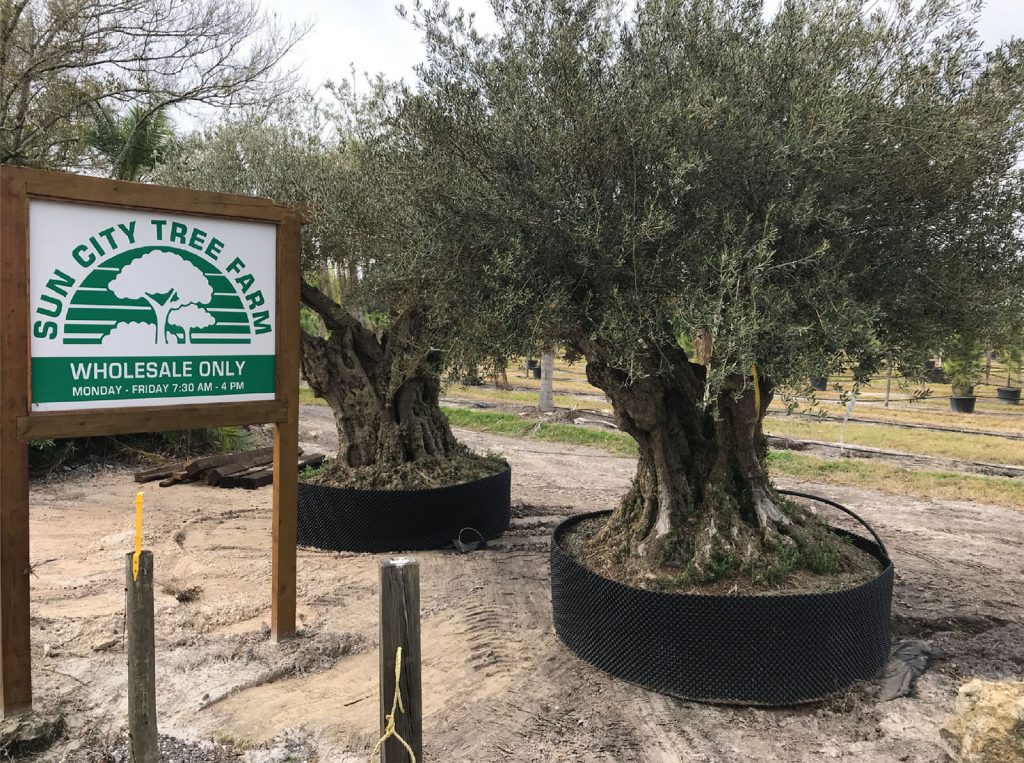
Florida’s high humidity can create a breeding ground for fungal diseases that are detrimental to olive trees. Fungal issues such as olive knot and anthracnose, which are less prevalent in drier climates, can become significant problems. Furthermore, the state’s warm winters, while seemingly advantageous, can sometimes prevent the necessary chilling hours that some olive varieties require for optimal flowering and fruit set. The absence of a prolonged, cold dormancy period can impact the tree’s reproductive cycle.
Heat and Sunlight
On the positive side, Florida offers ample sunlight, a vital component for healthy olive tree growth and fruit production. The extended periods of sunshine are beneficial. However, the intense heat of Florida summers, coupled with the ever-present humidity, necessitates careful management to prevent stress on the trees.
Olive Varieties Suited for Florida
The key to successful olive cultivation in Florida lies in selecting the right varieties. Not all olive cultivars are created equal, and some are far more tolerant of humid conditions and less reliant on significant chilling hours than others. Horticulturalists and experienced growers have identified several varieties that show promise and are already being successfully cultivated in various parts of the state, from the sandy soils of the Panhandle to the clay-rich earth of the central regions.
Arbequina: The Resilient Choice
The ‘Arbequina’ olive is often cited as one of the most adaptable varieties for Florida. Originating from Catalonia, Spain, it is known for its vigor and ability to produce fruit even with fewer chilling hours. Arbequina trees are relatively self-fertile, meaning they can produce a good crop without needing a specific pollinator variety nearby, though planting multiple varieties can sometimes enhance yield. The olives themselves are small to medium-sized and are excellent for producing a smooth, fruity olive oil. Their adaptability makes them a popular choice for both home gardens and small-scale commercial ventures in Florida.
Mission Olive: A Historical Presence
The ‘Mission’ olive, an old Spanish variety, has a historical presence in Florida and is another contender. While it may require a bit more attention to disease management due to humidity, its resilience and capacity for fruit production make it a viable option. The Mission olive yields a medium-sized fruit that can be used for both oil production and table olives, offering a more robust flavor profile. Its historical roots in similar climates suggest an inherent ability to adapt.
Other Promising Varieties
Beyond Arbequina and Mission, other varieties that show potential include ‘Manzanillo,’ ‘Koroneiki,’ and ‘Picual.’ ‘Manzanillo’ is a well-known table olive variety that can also produce oil. ‘Koroneiki,’ a Greek variety, is prized for its high-quality oil and is known for its adaptability. ‘Picual,’ another Spanish favorite, is highly productive and offers a rich, peppery oil. When selecting a variety, it is crucial to research its specific tolerance to humidity and its chilling hour requirements to match it with your local Florida microclimate. Consulting with local agricultural extension offices or experienced Florida olive growers can provide invaluable guidance on the best-performing varieties for your specific region within the state.
Planting and Care for Olive Trees in Florida
Successfully growing olives in Florida involves more than just planting a tree; it requires a tailored approach to care that addresses the state’s unique environmental conditions. Proper site selection, soil preparation, watering, fertilization, and pruning are all critical factors for ensuring healthy growth and fruit production.
Site Selection: Maximizing Sunlight and Airflow
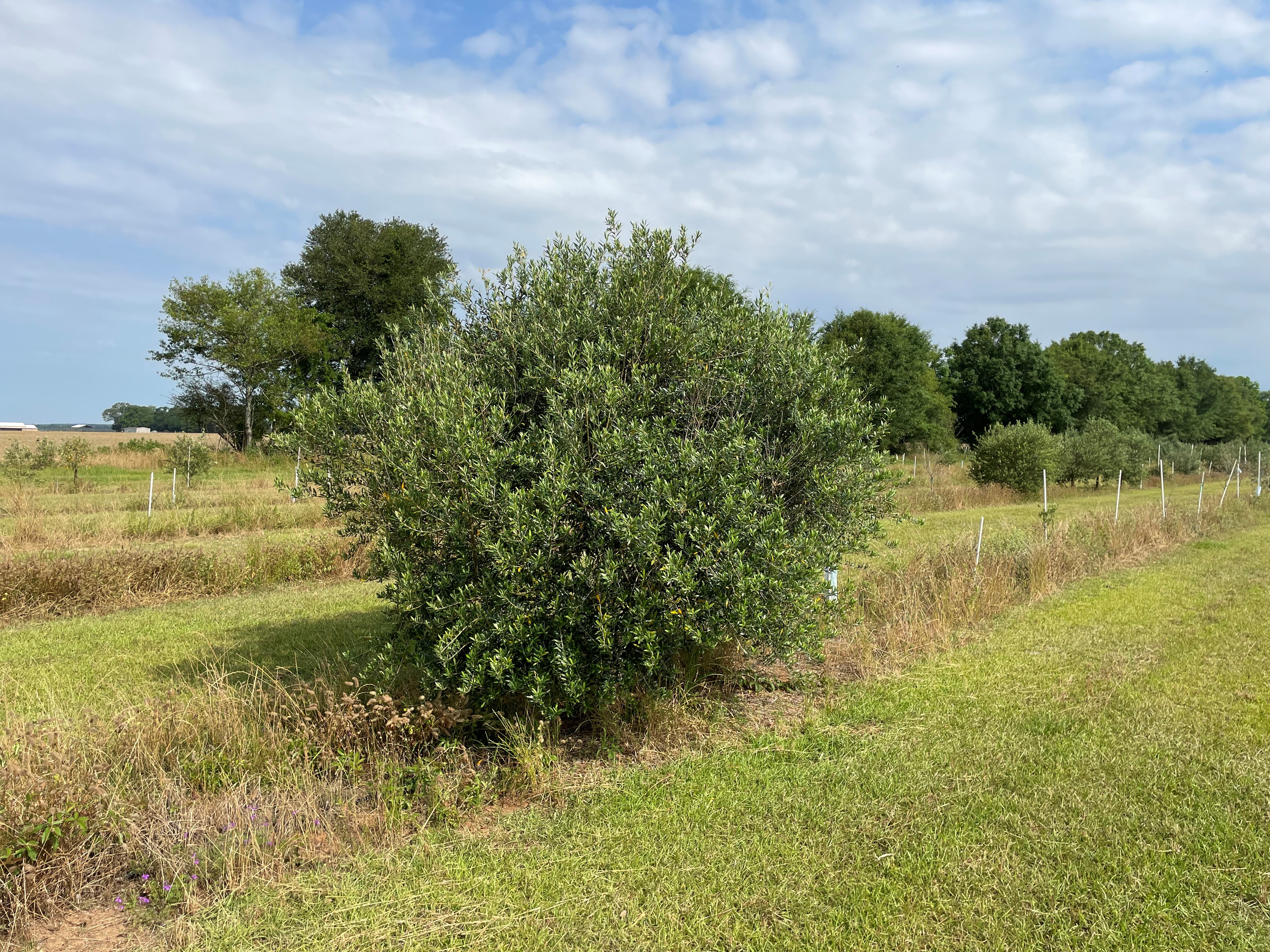
The most crucial aspect of site selection is ensuring the olive tree receives ample sunlight. Aim for a location that gets at least six to eight hours of direct sunlight per day. Good air circulation is also vital, as it helps to mitigate the risk of fungal diseases. Avoid planting in low-lying, frost-prone areas or spots where water tends to collect. Elevated locations or gentle slopes are generally preferable. Planting near a building or fence can sometimes provide a bit of microclimate protection, especially from colder winds in the northern parts of Florida, but ensure this does not impede airflow.
Soil Preparation and Drainage
Olives prefer well-draining soil. Florida soils can vary, and while some areas have naturally sandy, well-draining soils, others may have heavy clay that retains too much moisture. If your soil is heavy, amending it with organic matter such as compost and incorporating coarse sand can improve drainage. Raised beds are an excellent option for Florida gardeners, especially in areas with dense clay soil, as they promote superior drainage and allow for better aeration. The ideal soil pH for olive trees is slightly alkaline to neutral, generally between 6.0 and 7.5.
Watering and Irrigation
Young olive trees require consistent watering to establish a strong root system. Once established, they are relatively drought-tolerant, but during prolonged dry spells, supplemental watering will be necessary, especially when trees are flowering or fruiting. The challenge in Florida is to avoid overwatering, which can lead to root rot, particularly in humid conditions. Drip irrigation is an efficient method for delivering water directly to the root zone and can help manage moisture levels effectively. Allow the soil to dry out slightly between waterings.
Fertilization for Optimal Growth
Olive trees are not heavy feeders. Over-fertilization can lead to excessive leaf growth at the expense of fruit production. A balanced, slow-release fertilizer applied in early spring, before new growth begins, is usually sufficient. Look for fertilizers with a NPK ratio that is not excessively high in nitrogen. The specific fertilization needs will vary depending on soil test results and the age and vigor of the tree.
Pruning for Health and Productivity
Pruning is essential for maintaining the health, shape, and productivity of olive trees in Florida. Pruning should be done during the dormant season, typically late winter or early spring, after the risk of frost has passed. The primary goals of pruning are to remove dead, damaged, or diseased branches, to improve air circulation within the canopy, and to shape the tree for easier harvesting. For Florida’s humid climate, it is particularly important to prune for an open canopy to reduce the incidence of fungal diseases. Removing suckers that grow from the base of the trunk is also crucial.
Harvesting and Using Florida-Grown Olives
The culmination of successful olive cultivation in Florida is the harvest. While the yield and quality may differ from traditional olive-growing regions, harvesting and enjoying home-grown olives is a rewarding experience. The timing of the harvest and the intended use of the olives will dictate the optimal picking time and the preparation methods.
When to Harvest
The harvest season for olives in Florida typically occurs in the fall, generally from September through November, though this can vary depending on the specific variety and local weather patterns. Olives change color as they ripen, progressing from green to a purplish-black hue. For oil production, olives are often harvested when they are mature but still firm, typically when they are turning from green to a reddish-purple or a dark purple. For table olives, the harvest time may vary based on the desired flavor and texture. Some varieties are best harvested when fully ripe and black, while others can be picked green for curing.
Processing for Table Olives
Freshly picked olives are intensely bitter and inedible due to high levels of oleuropein, a compound that needs to be removed through processing. There are several methods for curing table olives at home:
- Water Curing: This is a labor-intensive but effective method where olives are soaked in fresh water changed daily for several weeks until the bitterness is reduced. The water is then replaced with a brine solution for fermentation and preservation.
- Brine Curing: Olives are submerged in a salt brine (typically a 10% salt solution). This method also requires regular monitoring and occasional brine changes to prevent spoilage and ensure proper fermentation.
- Lye Curing: This method uses a dilute lye solution to quickly remove bitterness. It requires extreme caution due to the caustic nature of lye. After lye treatment, olives are thoroughly rinsed and then typically placed in a salt brine.
Each curing method results in different flavor profiles and textures, allowing for experimentation.

Making Olive Oil
Producing your own olive oil from Florida-grown olives is an ambitious but achievable goal. After harvesting, the olives need to be processed relatively quickly to maintain freshness. The traditional method involves crushing the olives into a paste, followed by malaxation (a process of gently mixing the paste), and then extraction to separate the oil from the solids and water. For small-scale production, home olive mills or even modified kitchen equipment can be used, though achieving the purity and quality of commercial olive oil may require specialized knowledge and equipment. The resulting oil, even if not perfectly refined, can offer a unique, locally sourced flavor that is deeply satisfying. The fruit of your labor, quite literally, can become a staple in your kitchen, a testament to the possibility of growing olives in the Sunshine State.
LifeOutOfTheBox is a participant in the Amazon Services LLC Associates Program, an affiliate advertising program designed to provide a means for sites to earn advertising fees by advertising and linking to Amazon.com. Amazon, the Amazon logo, AmazonSupply, and the AmazonSupply logo are trademarks of Amazon.com, Inc. or its affiliates. As an Amazon Associate we earn affiliate commissions from qualifying purchases.