
Florida, renowned for its sun-drenched shores and vibrant coastal ecosystems, beckons travelers with the alluring prospect of sleeping under the stars with the gentle rhythm of the waves as a lullaby. The question of whether one can truly camp on the beach in the Sunshine State is a common one, sparking dreams of rustic getaways and unforgettable adventures. While the idyllic image of pitching a tent directly on the sand is powerful, the reality is nuanced. Florida’s diverse coastline, managed by various state and federal entities, presents a mosaic of regulations and opportunities for beach camping. This exploration delves into the possibilities, guiding prospective campers through the prerequisites, prime locations, and essential considerations for an authentic beach camping experience in Florida.
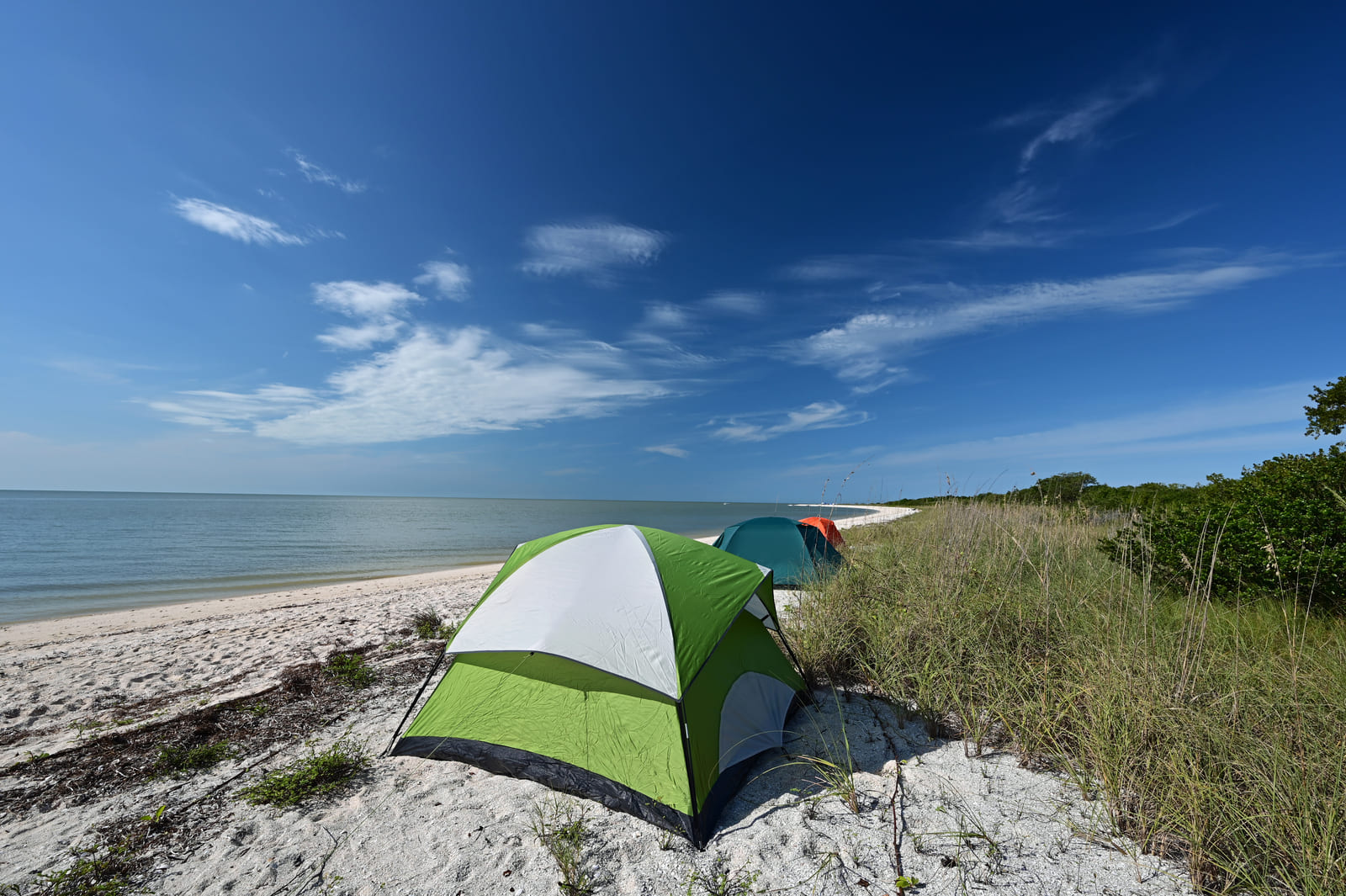
Understanding Florida’s Beach Camping Landscape
Beach camping in Florida is not a universal right but rather a privilege governed by specific rules and designated areas. The allure of waking up to a sunrise over the Atlantic or Gulf of Mexico is undeniable, but it’s crucial to understand that most of Florida’s popular, developed beaches do not permit overnight camping directly on the sand. This restriction is in place for several reasons, including environmental protection, public safety, and the management of high-traffic tourist areas. However, this doesn’t mean the dream is unattainable. Florida’s extensive coastline offers a surprising number of opportunities for those willing to seek them out.
Permitted Camping Zones
The primary areas where beach camping is allowed generally fall into two categories: primitive camping areas managed by state parks and natural areas, and certain sections of the Gulf Coast known for their more remote and less developed stretches of sand. These locations often require a more adventurous spirit and a greater reliance on self-sufficiency.
-
State Parks and Aquatic Preserves: Many of Florida’s state parks, particularly those situated on islands or along more isolated coastlines, offer designated primitive beach camping sites. These sites are often accessible only by foot, boat, or kayak, adding an element of exclusivity and adventure to the experience. Examples include sites within Topsail Hill Preserve State Park or along the pristine shores of the Florida Keys. These areas are meticulously managed to preserve their natural beauty and delicate ecosystems.
-
Gulf Coast Islands: The Gulf Coast of Florida boasts numerous barrier islands and remote beaches that are less developed and more conducive to primitive camping. Islands such as those found within the Caladesi Island State Park or the undeveloped areas near St. Joseph Peninsula State Park often provide designated primitive camping spots. Access might be by boat, kayak, or a significant hike, requiring campers to be well-prepared.
-
Private Campgrounds and Resorts: While not strictly “on the beach” in the wild sense, numerous private campgrounds and resorts along Florida’s coast offer sites that are either directly on the sand or mere steps away. These facilities provide amenities and a more structured camping experience, often with clear guidelines for overnight stays.
Regulations and Restrictions
It is imperative to research and adhere to the specific regulations of any intended camping location. Ignorance of the rules can lead to fines or eviction.
-
Permits and Reservations: Most designated beach camping areas require advance reservations and permits, often obtainable through the Florida State Parks system or the specific managing authority. These permits ensure that the number of campers does not overwhelm the environment and helps manage resource use.
-
Leave No Trace Principles: A fundamental aspect of beach camping in Florida is the strict adherence to Leave No Trace principles. This means packing out everything you pack in, minimizing your impact on the environment, respecting wildlife, and leaving the area as pristine as you found it. Campfires, for instance, may be prohibited or restricted to designated fire rings to protect the fragile dune systems.
-
Prohibited Areas: It’s crucial to be aware that many popular public beaches, including those in bustling cities like Miami Beach or Clearwater Beach, strictly prohibit overnight camping on the sand. These areas are typically zoned for day-use activities and managed for high volumes of visitors.
Planning Your Florida Beach Camping Adventure
Successful beach camping requires careful planning, especially given the unique environmental considerations and logistical challenges. From selecting the right gear to understanding local wildlife and weather patterns, thorough preparation is key to a safe and enjoyable experience.
Essential Gear for Beach Camping
The gear you choose will depend on the remoteness of your chosen site and the duration of your stay. For primitive beach camping, prioritizing lightweight, durable, and water-resistant equipment is essential.
-
Shelter: A sturdy, well-ventilated tent designed to withstand wind and sand is crucial. Consider a tent with a good rainfly and sand stakes for secure anchoring. Hammocks can also be a viable option in areas with suitable tree cover, though they are less common directly on open beaches.
-
Sleeping System: A comfortable sleeping bag suitable for Florida’s warm nights and a sleeping pad for insulation and cushioning are vital.
-
Cooking and Food Storage: Non-perishable food items are a must. Invest in a portable stove and fuel if fires are prohibited or not feasible. Proper food storage is paramount to prevent attracting wildlife, including raccoons and even bears in certain coastal areas. Bear-resistant containers or hanging food bags may be necessary.
-
Water and Filtration: Carrying ample potable water is non-negotiable. In more remote areas, a water filter or purification tablets can be a lifesaver, but relying solely on natural water sources should be approached with extreme caution.
-
Navigation and Safety: A map, compass, and/or GPS device are essential, especially if venturing to less-trafficked areas. A first-aid kit, insect repellent, sunscreen, and a reliable flashlight or headlamp with extra batteries are also indispensable.
Environmental Considerations and Wildlife
Florida’s coastal environments are rich in biodiversity, and campers must be mindful of their impact on these delicate ecosystems.
-
Dune Protection: The sand dunes along Florida’s beaches are critical natural barriers that protect inland areas from storm surge and erosion. It is strictly forbidden to walk on, damage, or camp within the dune systems. Always use designated boardwalks or access points.
-
Wildlife Encounters: Be prepared for encounters with local wildlife. This can range from seabirds and shorebirds to marine life such as dolphins and manatees. Observe animals from a safe distance and never feed them. In some more remote areas, encounters with alligators or venomous snakes are possible, so staying aware of your surroundings is key. Sea turtle nesting seasons (typically May through October) require extra vigilance; disturbing nesting sites or hatchlings is illegal and harmful.
-
Tides and Weather: Understand the tidal patterns of your chosen beach. High tides can inundate campsites, especially on narrower strips of sand. Florida is also prone to sudden thunderstorms and tropical weather systems. Always check the weather forecast before and during your trip and have a contingency plan.
Top Destinations for Beach Camping in Florida
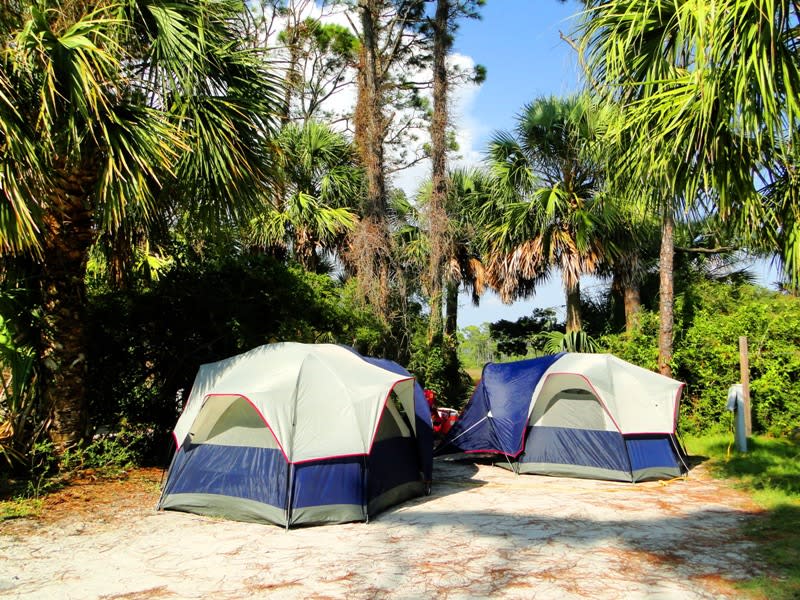
While not every sandy stretch allows overnight stays, several remarkable locations in Florida offer the chance to camp near or on the beach, providing an immersive natural experience. These destinations cater to different levels of adventure and desired amenities.
Primitive Beach Camping Hotspots
These locations offer a more rugged and natural experience, often requiring self-sufficiency and a spirit of adventure.
-
Dry Tortugas National Park: Accessible only by ferry or seaplane from Key West, this remote park offers a truly unique beach camping experience. Campers can set up tents at designated primitive campsites on Garden Key, with the historic Fort Jefferson as a dramatic backdrop. The crystal-clear waters and vibrant coral reefs make for exceptional snorkeling and diving. Reservations are essential and often book up months in advance.
-
St. George Island State Park: Located on Florida’s “Forgotten Coast,” this park offers primitive beach camping sites on its eastern end. Campers can enjoy miles of undeveloped shoreline, excellent birdwatching, and the chance to feel truly disconnected. Access to these sites is often by foot or kayak, requiring campers to pack in all their supplies.
-
Cayo Costa State Park: Situated on a barrier island accessible only by boat or ferry, Cayo Costa offers a secluded paradise. The park provides primitive beach camping sites directly on the Gulf of Mexico, allowing for an intimate connection with the coastline. Kayaking, shelling, and observing wildlife are popular activities here.
Designated Campgrounds with Beach Access
For those seeking a balance between nature and convenience, these locations offer developed campgrounds with easy access to the beach.
-
Long Key State Park: In the heart of the Florida Keys, Long Key offers campsites that are a short walk from the beach. While not directly on the sand, the proximity provides the soothing sounds of the ocean and quick access for swimming and sunbathing. It’s a great option for those who want a more established camping experience with amenities.
-
Anastasia State Park: Located near St. Augustine, this park features a campground with sites that are a stone’s throw from the beach. Campers can enjoy the historic charm of the nearby city along with the natural beauty of the coastal environment. The park also boasts ancient sand dunes and diverse birdlife.
-
Fort Clinch State Park: Situated on Amelia Island in Northeast Florida, this park offers camping opportunities with beach access. Campers can explore the historic Fort Clinch and enjoy the natural beauty of the island’s beaches and maritime hammock.
Responsible Beach Camping in Florida
Embracing the privilege of beach camping in Florida comes with the responsibility to protect its natural treasures. Adhering to guidelines and practicing environmental stewardship ensures that these unique experiences remain available for future generations.
Minimizing Your Impact
The core principle of responsible camping is to leave no trace. This means being mindful of every action and its potential consequences.
-
Waste Management: Pack out all trash, including food scraps. Use designated receptacles if available, but be prepared to carry everything back with you. Avoid burying trash, as it can be unearthed by animals or washed into the ocean.
-
Campfire Safety: If campfires are permitted, use existing fire rings. Keep fires small and manageable, and ensure they are completely extinguished with water and ashes before leaving or going to sleep. Be aware of any fire bans in effect due to dry conditions.
-
Water Conservation: While on the coast, water can be a precious resource. Be mindful of your water usage, especially in primitive camping areas where replenishment might be difficult.
Respecting Wildlife and Ecosystems
Florida’s coastal habitats are home to a diverse array of wildlife, and respecting their space is paramount.
-
Observe, Don’t Disturb: Maintain a safe and respectful distance from all wildlife. Never attempt to feed or touch animals, as this can disrupt their natural behaviors and poses risks to both the animal and yourself.
-
Shoreline Etiquette: Avoid disturbing nesting areas for shorebirds or sea turtles. If you encounter tracks or nests, do not approach them. Be mindful of where you walk to avoid trampling vegetation or disturbing sensitive habitats.
-
Fishing and Shelling Regulations: If you plan to fish or collect shells, familiarize yourself with local regulations. Many areas have restrictions on what can be collected, and fishing licenses are often required.

Safety First
The unique environment of beach camping presents specific safety challenges that require preparedness.
-
Sun Protection: The Florida sun is intense. Use high-SPF sunscreen, wear protective clothing, a wide-brimmed hat, and seek shade during the hottest parts of the day.
-
Hydration: Stay well-hydrated by drinking plenty of water, especially in the heat and humidity.
-
Emergency Preparedness: Inform someone of your camping plans, including your location and expected return time. Carry a fully charged cell phone, but be aware that cell service can be spotty in remote coastal areas. Know the location of the nearest emergency services.
By understanding the regulations, planning meticulously, and committing to responsible practices, campers can indeed find the magic of sleeping under the stars with the soothing serenade of the ocean in Florida. The reward is an unforgettable connection with the state’s breathtaking coastline.
LifeOutOfTheBox is a participant in the Amazon Services LLC Associates Program, an affiliate advertising program designed to provide a means for sites to earn advertising fees by advertising and linking to Amazon.com. Amazon, the Amazon logo, AmazonSupply, and the AmazonSupply logo are trademarks of Amazon.com, Inc. or its affiliates. As an Amazon Associate we earn affiliate commissions from qualifying purchases.