
The question of whether one can legally hunt or “shoot” alligators in Florida is a complex one, deeply intertwined with conservation efforts, public safety, and regulated recreational opportunities. Far from being a free-for-all, alligator hunting in the Sunshine State is a strictly controlled activity, managed by the Florida Fish and Wildlife Conservation Commission (FWC) to ensure the sustainable management of the alligator population and the safety of residents and visitors. Understanding the regulations, seasons, and methods involved is crucial for anyone considering participating in this unique aspect of Florida tourism and wildlife management.
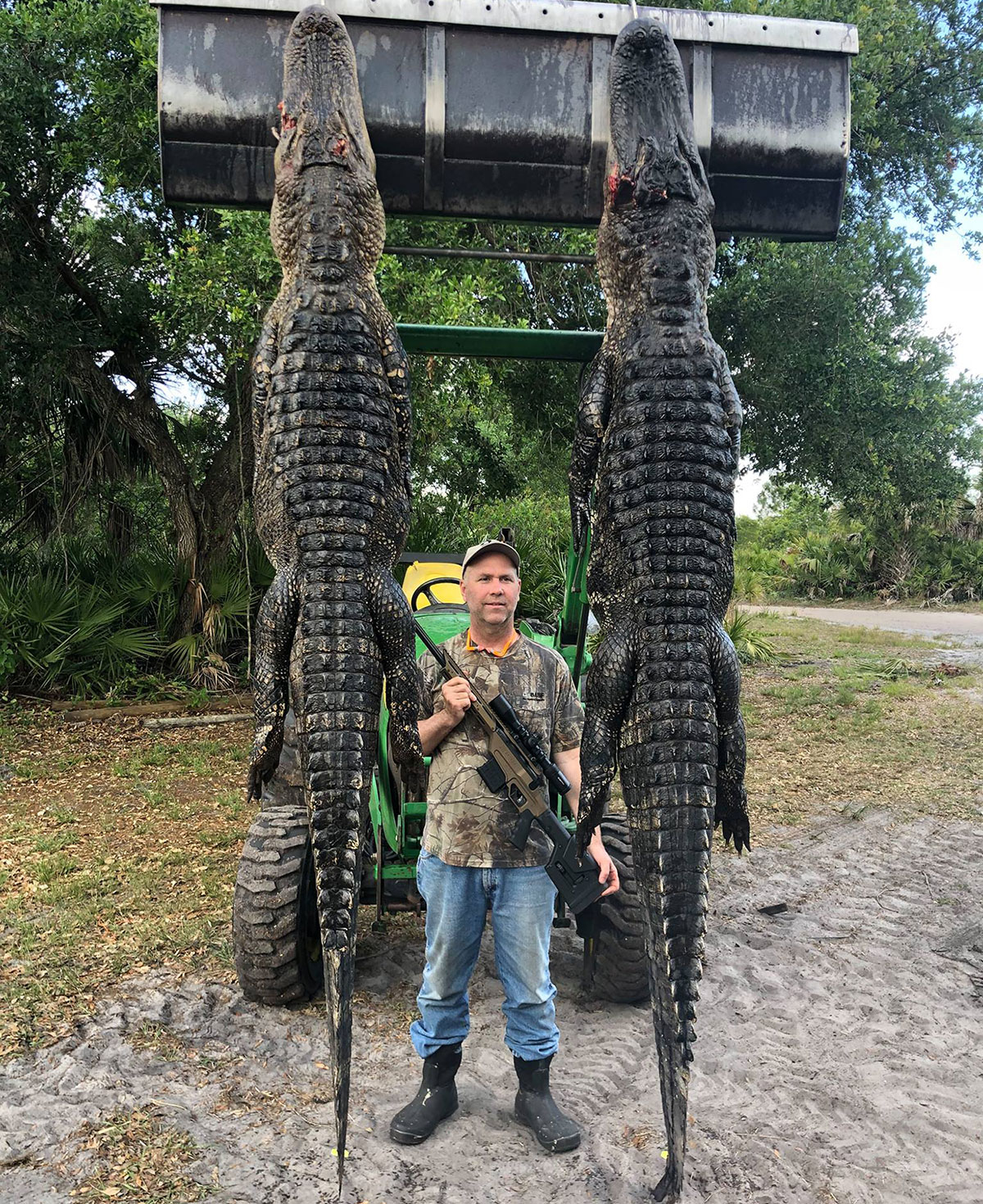
Alligator Hunting in Florida: A Regulated Pursuit
Alligator hunting in Florida is not a casual pursuit. It is a carefully managed program designed to control alligator populations where they might pose a threat to human safety or property, and also to provide a regulated hunting experience. The FWC oversees this program with a focus on conservation and responsible harvesting.
Legal Framework and Permits
The ability to hunt alligators in Florida is contingent upon obtaining the appropriate permits and adhering to specific regulations. The FWC issues an annual quota of permits, making alligator hunting a selective and limited activity.
The Alligator Harvest Program
Florida has a well-established Alligator Harvest Program. This program is designed to manage the state’s robust alligator population, which numbers in the millions. The primary goals are:
- Population Management: To control alligator populations in areas where they may become a nuisance or pose a danger.
- Conservation: To ensure the long-term health and sustainability of the species.
- Economic Benefits: To support a regulated harvest that provides economic opportunities through the sale of alligator meat and hides.
- Public Safety: To reduce the number of nuisance alligators that come into conflict with humans.
Obtaining a Hunting License and Permit
To legally hunt alligators in Florida, individuals must obtain a valid hunting license and an alligator hunting permit. These permits are not easily acquired and are typically awarded through a lottery system or available for purchase through specific channels. The FWC manages this process diligently to prevent overharvesting.
- Alligator Harvest Permit: This is the primary document authorizing the hunt. It specifies the season, the harvest unit (a designated geographical area), and the number of alligators that can be harvested.
- Valid Hunting License: Hunters must also possess a valid Florida hunting license.
- Tagging Requirements: Harvested alligators must be tagged with a valid hide validation and carcass tag to ensure accountability and track the harvest.
Harvest Units and Quotas
Florida is divided into several Alligator Harvest Units. The FWC sets quotas for each unit based on population estimates and management goals. This localized approach allows for tailored management strategies across different regions of the state. The number of permits issued is carefully calibrated to stay within these quotas, reflecting a commitment to sustainable hunting practices.
The Alligator Hunting Season
The alligator hunting season in Florida is a specific period defined by the FWC. It typically runs from mid-August through November. This timing is strategic, taking advantage of favorable weather conditions and the behavior of alligators during these months.
- Season Dates: The exact dates are announced annually by the FWC.
- Duration: The season is open for a defined number of days, allowing hunters a limited window to pursue their quarry.
Legal Hunting Methods
The FWC mandates specific methods for harvesting alligators. These methods are designed to be effective and humane, while also minimizing risks to hunters and others.
- Harpoon and Snare: The most common legal methods involve using a harpoon or snatch hook to secure the alligator, followed by a swift and effective kill.
- Firearms: While firearms are used in some regulated hunting scenarios, their use for alligator hunting is highly restricted and often subject to specific guidelines, particularly regarding the location and safety precautions. The primary aim is to dispatch the animal humanely and safely.
- No Live Capture for Sport: It is important to note that capturing alligators alive for any purpose other than scientific research or nuisance abatement by authorized personnel is generally prohibited and considered harmful to the animal.
Alligators as a Tourism Attraction and Experiential Opportunity
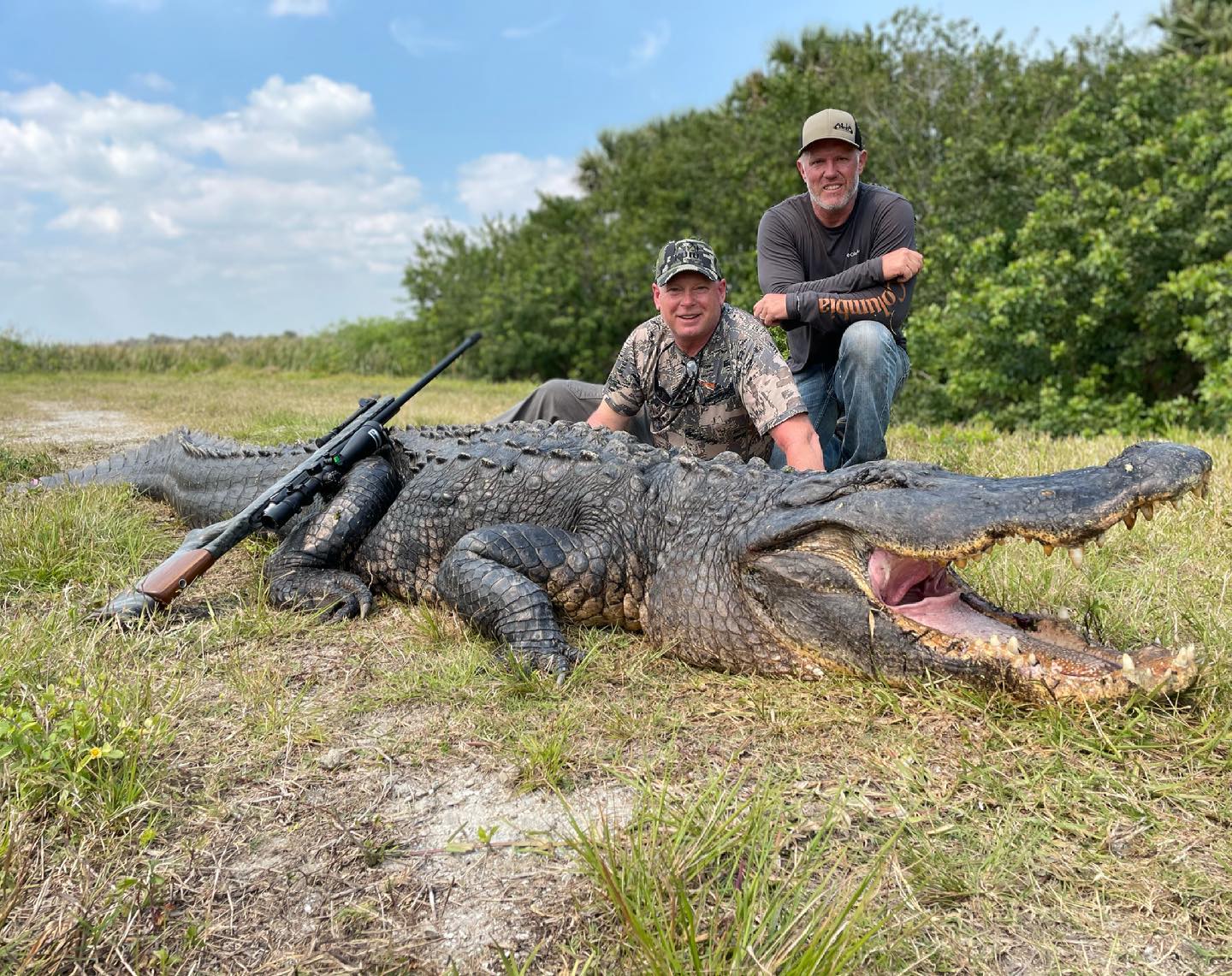
Beyond the regulated hunting season, alligators are a significant draw for tourists in Florida, offering a variety of safe and engaging ways for visitors to experience these ancient reptiles. From guided tours to educational exhibits, the allure of the alligator is a cornerstone of the state’s wildlife tourism.
Guided Alligator Hunts and Tours
For those interested in the hunting aspect, licensed alligator hunting guides are available. These professionals offer excursions that adhere strictly to FWC regulations. Participating in a guided hunt provides an opportunity to learn about alligator behavior, ecology, and safe hunting practices under expert supervision.
- Experienced Guides: Reputable guides possess extensive knowledge of local waterways, alligator habits, and the legal requirements for harvesting.
- Safety First: Guided hunts prioritize the safety of participants, employing appropriate equipment and techniques.
- Ethical Practices: Guides emphasize ethical hunting, ensuring that all harvested animals are utilized and respected.
Wildlife Viewing and Eco-Tours
For individuals who prefer to observe alligators in their natural habitat without hunting, Florida offers numerous opportunities:
- Everglades National Park: This iconic destination is teeming with alligators and offers various ways to see them, including airboat tours, kayaking, and nature trails.
- ‘Gatorland’: Known as the “Alligator Capital of the World,” this theme park and wildlife preserve in Orlando provides close-up encounters and educational shows about alligators and other reptiles.
- State Parks and Wildlife Refuges: Many of Florida’s state parks, such as [‘Paynes Prairie Preserve State Park’ and [‘Myakka River State Park’, are excellent locations for spotting alligators in their natural environments. Boat tours and boardwalks offer safe viewing platforms.
- ‘Airboat Tours’: These thrilling tours are a popular way to explore the wetlands and see alligators from a unique perspective. Many operators are knowledgeable about the local wildlife and can point out these reptiles.
Educational Experiences
Beyond direct observation, Florida offers extensive educational opportunities centered around alligators. Museums, nature centers, and accredited zoos provide insights into alligator biology, their role in the ecosystem, and conservation efforts.
- ‘Florida Museum of Natural History’: Located in Gainesville, this museum features exhibits on Florida’s diverse wildlife, including extensive information on alligators.
- Nature Centers: Numerous county and city nature centers across the state offer educational programs and exhibits featuring live alligators or their remains.
Understanding Alligator Behavior and Safety
Encountering alligators in their natural habitat is a common occurrence in Florida. While hunting is a regulated activity, everyday interactions require a strong emphasis on safety and respect for these powerful creatures.
Natural Habitat and Lifestyle
American alligators ( Alligator mississippiensis ) are apex predators and an integral part of Florida’s wetland ecosystems. They inhabit freshwater environments such as swamps, marshes, rivers, lakes, and ponds. Their presence helps maintain the health of these habitats by controlling populations of other animals and shaping the landscape.
- Diet: Alligators are opportunistic carnivores, feeding on fish, birds, mammals, and amphibians.
- Nesting: Female alligators build nests of vegetation and mud to lay their eggs.
- Thermoregulation: Being cold-blooded, alligators bask in the sun to regulate their body temperature.
Safety Guidelines for Alligator Encounters
The FWC provides clear guidelines for safely coexisting with alligators. The most important rule is to never feed them. Feeding alligators habituates them to humans, making them more aggressive and posing a significant risk to public safety.
- Maintain a Safe Distance: Never approach, feed, or harass an alligator, especially a mother with young. Observe them from a safe distance, typically at least 100 feet.
- Supervise Children and Pets: Keep a close eye on children and pets when near any body of water, as they are more vulnerable to alligator attacks. Do not allow pets to swim or drink in areas where alligators are known to be present.
- Dispose of Garbage Properly: Avoid leaving food scraps or fish remains near the water, as this can attract alligators.
- Swim in Designated Areas: Swim only in designated swimming areas that are regularly maintained and monitored for alligator activity.
- Report Nuisance Alligators: If an alligator appears to be a threat to people or property, contact the FWC’s Nuisance Alligator Removal Program.

Legal Protections and Conservation Status
The American alligator was once an endangered species due to overhunting and habitat loss. However, thanks to dedicated conservation efforts and the implementation of protective regulations, their populations have rebounded significantly.
- Recovery: The American alligator was removed from the endangered species list in 1987, a testament to successful conservation strategies.
- Regulated Harvest: The current regulated hunting program is a part of these ongoing conservation efforts, ensuring that the population remains healthy and sustainable.
- Continued Monitoring: The FWC continues to monitor alligator populations and their habitats to ensure their long-term survival.
In conclusion, while the title “Can You Shoot Alligators In Florida?” might evoke images of unfettered hunting, the reality is a carefully managed system that balances human safety, conservation, and regulated recreational opportunities. Understanding and respecting these regulations is paramount for anyone venturing into the wild spaces of the Sunshine State, where these ancient reptiles remain a captivating and vital part of the natural landscape.
LifeOutOfTheBox is a participant in the Amazon Services LLC Associates Program, an affiliate advertising program designed to provide a means for sites to earn advertising fees by advertising and linking to Amazon.com. Amazon, the Amazon logo, AmazonSupply, and the AmazonSupply logo are trademarks of Amazon.com, Inc. or its affiliates. As an Amazon Associate we earn affiliate commissions from qualifying purchases.