
Navigating the intricacies of voting procedures is a cornerstone of civic engagement, and for many, understanding the rules surrounding documenting their participation is a common question. This is particularly true in states like Florida, where electoral processes are closely watched. The question, “Can you take a picture of your ballot in Florida?” touches upon the intersection of individual rights, election integrity, and the desire to share one’s civic actions. While the idea of photographing one’s ballot might seem straightforward, the legal landscape surrounding it is nuanced and has seen evolving interpretations and specific legislative actions.

Understanding Ballot Secrecy and Election Laws
At the heart of the question lies the principle of ballot secrecy. This fundamental aspect of democratic elections aims to protect voters from coercion, intimidation, or retribution by ensuring that their vote remains private. The secrecy of the ballot prevents anyone from knowing how an individual has voted, thereby fostering an environment where citizens can cast their vote freely based on their own conscience and preferences. In Florida, like in most jurisdictions, this principle is enshrined in election law.
The rationale behind ballot secrecy is multifaceted. Historically, in societies where voting was not secret, individuals could be pressured by employers, landlords, or community leaders to vote in a certain way. The secret ballot, introduced to protect these freedoms, ensures that the only person who knows how you voted is you. This, in turn, is believed to encourage broader participation as individuals feel more secure in exercising their right to vote without fear of repercussions.
The Evolution of Florida’s Rules
Florida’s specific stance on photographing ballots has been shaped by legislation and court rulings. For a significant period, taking a “ballot selfie” was generally prohibited. This prohibition was often justified on the grounds that it could compromise ballot secrecy. The argument was that if voters could take pictures of their marked ballots, these images could potentially be used to prove how someone voted, either to themselves or to others, thus undermining the very purpose of the secret ballot.
However, as technology advanced and the practice of sharing civic engagement online became more prevalent, the conversation began to shift. Many voters expressed a desire to share their participation in the electoral process as a form of civic pride or encouragement to others. This led to a re-evaluation of the existing laws in various states, including Florida. The legal battles and public discourse surrounding this issue highlighted the tension between the desire to maintain strict ballot secrecy and the growing acceptance of digital sharing of personal experiences, even those related to civic duties.
Legislative Changes and Current Status
In response to these evolving social norms and legal challenges, Florida enacted legislation that clarified its position. Specifically, Florida Statute 101.5616 was amended. The key change was the introduction of a provision that explicitly permits voters to take photographs of their marked ballots, with certain conditions.
The current law in Florida states that a voter may photograph their marked ballot, provided that they do not reveal the identity of any other voter or any information that could be used to identify another voter’s ballot. This means that while you can take a picture of your own marked ballot, you must ensure that in the photograph, no other ballots or any identifying markers of other voters are visible. The intent of this amendment was to allow voters to document their participation without compromising the integrity of the election or the secrecy of other voters’ choices.
This legislative adjustment reflects a balancing act. On one hand, it acknowledges the desire of individuals to express their civic engagement and share their voting experience. On the other hand, it maintains the critical safeguard of ballot secrecy, ensuring that the fundamental principles of fair elections are upheld. The emphasis remains on protecting the individual voter’s right to cast a ballot free from influence and ensuring that the collective will of the electorate is not tainted by undue pressure or exposure.
Where and How You Can and Cannot Take Photos
The permission to photograph your ballot in Florida is not a blanket endorsement of photography within all voting spaces. Election laws often distinguish between the act of marking and submitting a ballot and the broader environment of the polling place or early voting center. Understanding these distinctions is crucial to avoid inadvertently breaking election rules.
Inside the Voting Booth
The voting booth is considered a private space designed for the voter to make their selections without observation. While Florida now permits photographing your marked ballot, this permission is primarily intended for after you have completed your selections and are ready to leave the booth, or once you have cast your ballot. The act of taking a photograph while you are in the process of marking your ballot, especially in a way that could be construed as seeking assistance or revealing your choices to someone else through the camera’s lens, could still be problematic.
Election officials are tasked with maintaining order and ensuring the integrity of the voting process. If a voter is seen taking photos in a manner that disrupts other voters, appears to be soliciting illegal assistance, or captures images that might compromise ballot secrecy for others, they may be asked to stop or even face consequences. Therefore, the best practice is to complete your voting, exit the privacy of the booth if you are using one, and then, if you choose, take a photograph of your ballot in a way that adheres to the statute.
At the Polling Place or Early Voting Center
Beyond the individual voting booth, the rules regarding photography at polling places and early voting centers are generally stricter. The primary concern here is to prevent any form of campaigning, electioneering, or activities that could intimidate or influence voters.
- No Electioneering: Most jurisdictions, including Florida, prohibit electioneering within a certain distance of polling places. This typically includes wearing campaign T-shirts, displaying campaign materials, or actively soliciting votes. Taking photographs of other voters, poll workers, or the general environment of the polling place could be interpreted as a form of electioneering or could make other voters feel uncomfortable and observed, thus potentially infringing on their right to vote without intimidation.
- Preserving the Atmosphere: The goal is to maintain a calm and orderly atmosphere conducive to voting. Unrestricted photography can be disruptive, leading to congestion, noise, and a general sense of unease. Election officials have the authority to regulate conduct within the polling place to ensure a smooth and secure voting experience for everyone.
- Privacy of Others: Even if you are only intending to photograph your own ballot, the broader context of a polling place contains many individuals. Capturing images that inadvertently include other voters or their identifying information is a violation of the statute. Therefore, it is generally advisable to refrain from taking any photographs within the active voting areas of a polling place or early voting center, even if you have just cast your ballot.
Mail-in Ballots
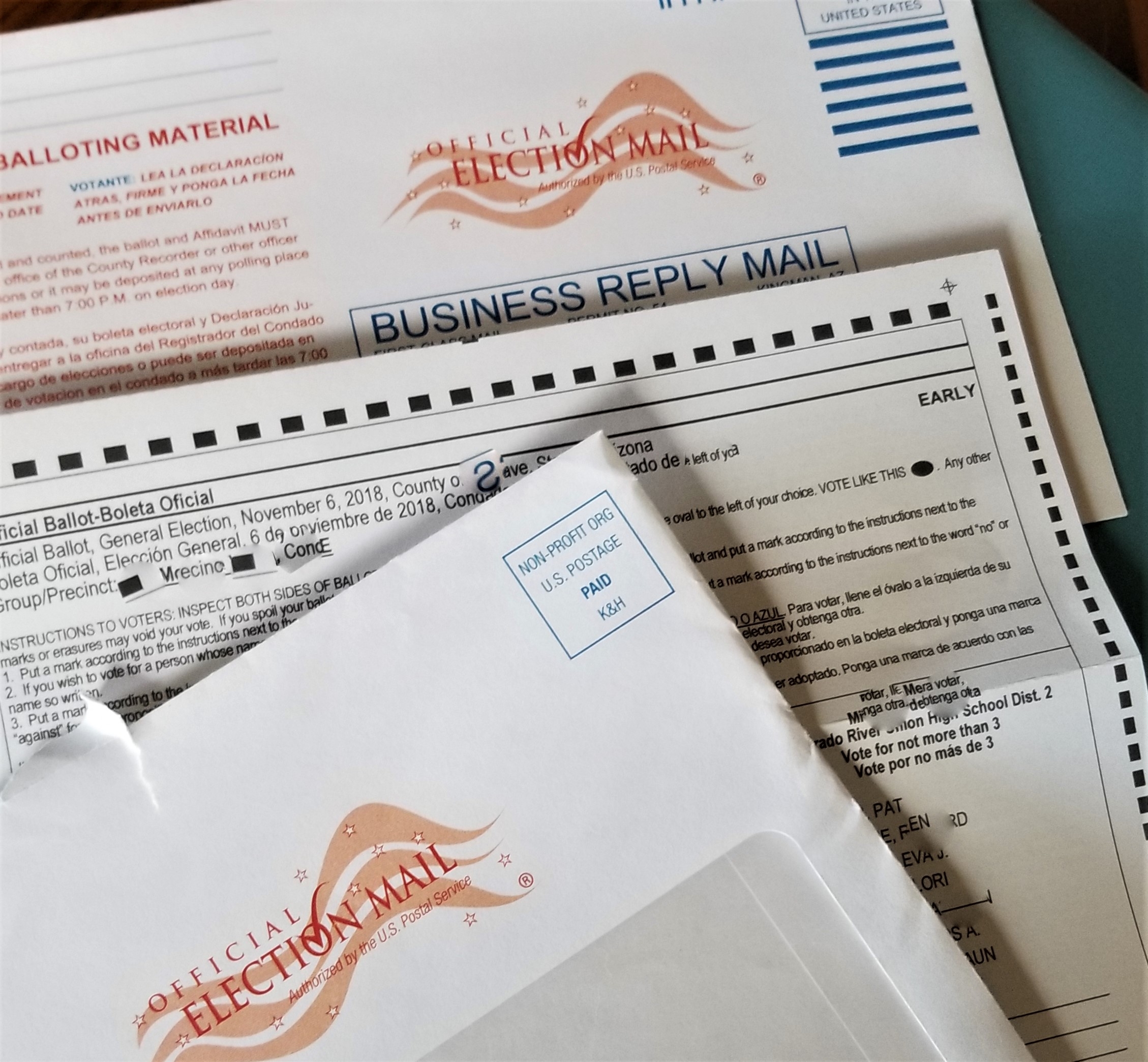
For voters who choose to vote by mail, the context is different, and the same restrictions largely do not apply once the ballot is in the voter’s possession at home.
- At Home: When you receive your mail-in ballot at home, you are in a private setting. Florida law permits you to photograph your marked mail-in ballot before you seal it in the return envelope. This is often done to serve as a personal record or to share the act of voting on social media.
- No Other Voters: The crucial caveat remains: ensure your photograph does not reveal the identity or vote of any other voter. This is particularly relevant if you are photographing a ballot that was submitted by multiple members of your household. Each voter’s ballot should be photographed independently, or the photograph should be framed carefully to show only the intended ballot.
- Sealing and Returning: After you have marked and, if you choose, photographed your mail-in ballot, it is essential to follow all instructions for sealing it in the provided envelopes and returning it promptly. The photograph is a personal artifact; the secure return of the ballot itself is what ensures your vote is counted.
Legal and Ethical Considerations
The right to vote is a fundamental pillar of democracy, and the laws surrounding its exercise are designed to protect both the individual voter and the integrity of the electoral system. The ability to photograph one’s ballot, while now permitted under specific conditions in Florida, still carries significant legal and ethical considerations that voters should be aware of.
The Intent of the Law
The legislative amendment allowing ballot photography was a response to public sentiment and the desire for greater transparency and personal expression in civic participation. It was not intended to create a loophole for vote-selling or coercion. Therefore, voters exercising this right should do so with an understanding of the underlying principles.
- Civic Pride: The most common and ethically sound reason for photographing a ballot is to express civic pride and encourage others to participate in the democratic process. Sharing an image of a completed ballot can serve as a visual reminder to friends and family that voting is important and accessible.
- Personal Record: Some voters may wish to keep a personal record of their completed ballot for their own reference. This can be helpful for individuals who want to track their voting history or remember how they voted on specific issues or candidates.
Potential for Misuse
Despite the legal allowance, the potential for misuse of ballot photography remains a concern. It is imperative for voters to be vigilant and responsible.
- Vote Buying: While difficult to enforce in practice, the ability to photograph a ballot could theoretically be used to prove to a third party how an individual voted. This is why the law still emphasizes the privacy of other voters and the integrity of the voting process. It is illegal in Florida to buy or sell votes, and using ballot photos for such purposes would be a violation of election law.
- Coercion and Intimidation: Although the secret ballot is designed to prevent this, the existence of verifiable proof of how someone voted (through a photograph) could, in certain social contexts, create new avenues for subtle pressure or intimidation. Voters should be mindful of their surroundings and the implications of sharing their voting information, even if the act of photographing is legal.

Best Practices for Voters
To ensure compliance with the law and uphold the spirit of free and fair elections, voters in Florida should adhere to the following best practices:
- Know the Law: Familiarize yourself with Florida Statute 101.5616 and any local election board guidelines.
- Privacy is Paramount: Ensure that any photograph you take does not reveal the identity of any other voter or any part of another voter’s ballot. If you are unsure, do not take the picture or frame it very carefully.
- Respect Polling Place Rules: Do not take photographs inside polling places or early voting centers in a way that disrupts others, appears to be electioneering, or compromises the privacy of other voters. Focus on photographing your ballot at home if you received it by mail or after you have fully exited the voting area.
- Share Responsibly: If you choose to share a photograph of your ballot online, do so in a way that promotes civic engagement and avoids any appearance of impropriety.
- Consult Election Officials: If you have any doubts or specific questions about the rules, it is always best to contact your local Supervisor of Elections for clarification. They are the definitive source for election-related information in your county.
By understanding and respecting the legal framework, voters in Florida can confidently exercise their right to photograph their ballots when and where permitted, contributing to a transparent and engaged democratic process.
LifeOutOfTheBox is a participant in the Amazon Services LLC Associates Program, an affiliate advertising program designed to provide a means for sites to earn advertising fees by advertising and linking to Amazon.com. Amazon, the Amazon logo, AmazonSupply, and the AmazonSupply logo are trademarks of Amazon.com, Inc. or its affiliates. As an Amazon Associate we earn affiliate commissions from qualifying purchases.