
Florida, a state synonymous with sunshine, citrus, and sandy beaches, also harbors a more surprising agricultural bounty: avocados. While often overshadowed by its more famous produce, the Sunshine State has cultivated a robust avocado industry, making it a significant player in the domestic supply. This exploration delves into the viability of avocado cultivation in Florida, examining the optimal growing conditions, the primary regions of production, the varieties that thrive, and the burgeoning tourism opportunities tied to this creamy fruit.
The Climate for Cultivation: Florida’s Avocado Advantage
The success of any agricultural endeavor hinges on its environmental suitability, and Florida’s subtropical climate provides a fertile ground for avocado trees. Unlike many other fruit-bearing plants that require distinct seasons, avocados are tropical and subtropical in origin, thriving in consistently warm temperatures and high humidity.
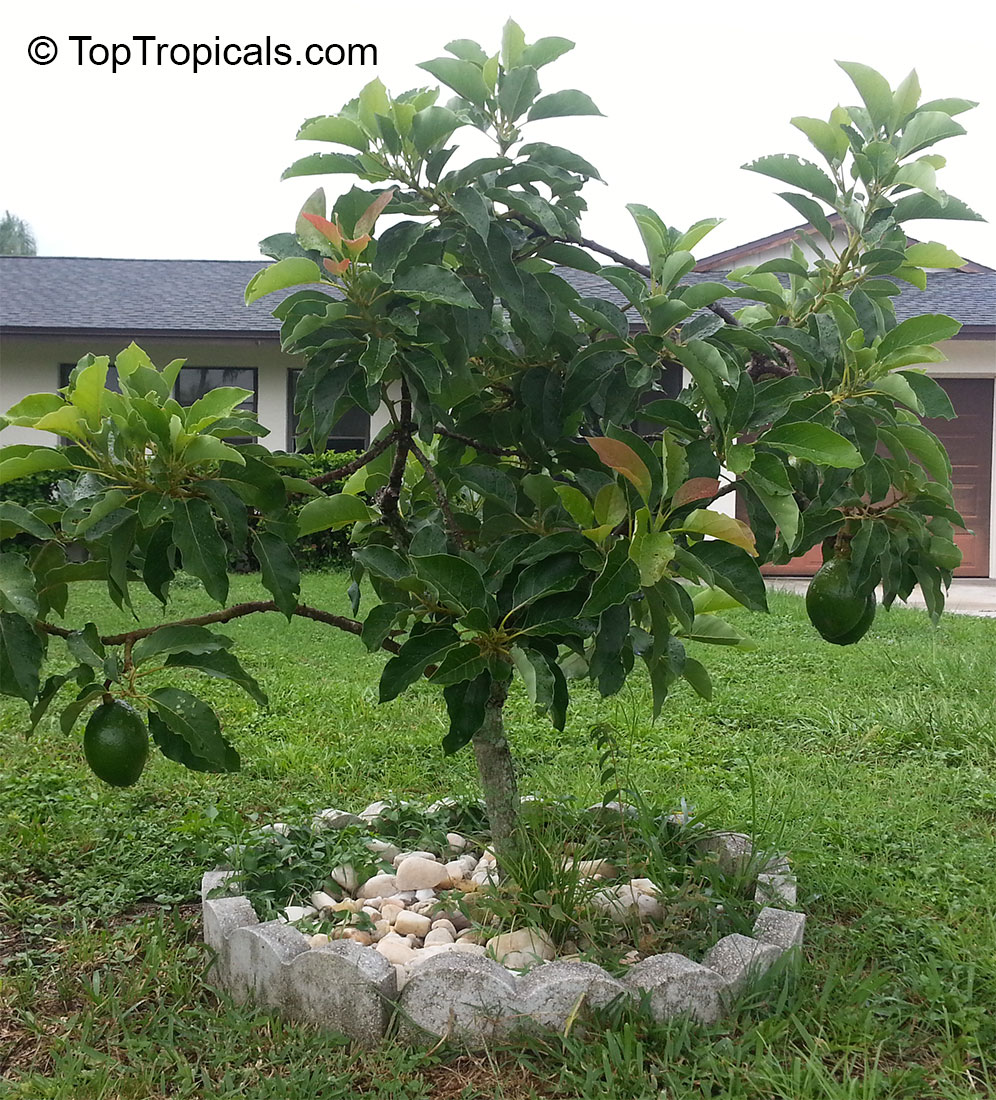
Temperature and Frost Tolerance
Avocado trees are sensitive to cold, particularly young trees. Ideal temperatures for avocado growth range from 60°F to 85°F (15°C to 30°C). Florida’s geography, with its southern expanse largely free from significant frost, offers a distinct advantage. While the northern parts of the state may experience occasional cold snaps that can damage or kill young trees, the central and southern regions, especially South Florida, provide a more consistent thermal environment. Some hardier varieties, like the ‘Mexican’ and ‘Guatemalan’ types, can tolerate brief periods of cooler weather, but the more sensitive ‘Hass’ variety, while increasingly grown, requires careful site selection and management in colder microclimates.
Rainfall and Water Management
Avocados require ample water, but they are also susceptible to root rot if their roots sit in waterlogged soil. Florida’s abundant rainfall, averaging 50 to 60 inches annually, can be beneficial, but effective drainage is paramount. Growers often rely on well-draining soils, such as sandy loams, and implement irrigation systems to supplement rainfall during dry spells, ensuring consistent moisture without oversaturation. The hurricane season, while bringing necessary rainfall, also presents a challenge, as strong winds can damage trees and heavy rains can lead to flooding and root rot. Growers must employ robust windbreak strategies and ensure excellent drainage to mitigate these risks.
Regions of Production: Where Florida’s Avocados Flourish
While avocado trees can be found growing in various parts of Florida in backyards and small groves, large-scale commercial production is concentrated in specific areas that offer the most conducive growing conditions.
South Florida: The Epicenter of Cultivation
South Florida, with its consistently warm climate and protection from freezing temperatures, is the undisputed heartland of Florida’s avocado industry. Counties like Miami-Dade, Broward, and Palm Beach are home to the majority of the state’s commercial avocado groves. The fertile soils, often a mix of sandy loams and marl, coupled with the reliable warmth, allow these trees to thrive and produce fruit consistently. This region benefits from the lowest risk of frost, making it ideal for a wider range of avocado varieties.
Central Florida: Emerging Opportunities
While not as dominant as the south, Central Florida is also emerging as a significant area for avocado cultivation. Areas around Orlando and further inland, while experiencing slightly cooler temperatures than the coast, are still viable for certain avocado varieties, particularly those with better cold tolerance. Growers in these regions often employ more careful site selection, utilizing natural windbreaks or planting hardier types. The growth of the agricultural sector in these counties has seen an increase in avocado acreage as farmers diversify their crops.
The Keys and Southwest Florida: Niche Markets
The unique climate of the Florida Keys offers excellent conditions for avocados, though the limited land availability and higher development pressures restrict large-scale commercial operations. Similarly, Southwest Florida, including areas like Naples and Fort Myers, has suitable conditions, and avocado groves can be found, often contributing to the local food scene and farmers’ markets.

Varieties That Thrive: A Diverse Avocado Palette
Florida cultivates a broader spectrum of avocado varieties than many other regions, with a particular emphasis on types that perform well in its humid, subtropical climate. While the globally dominant ‘Hass’ variety is present, Florida is a significant producer of “Florida avocados,” which are often larger, have a smoother, thinner skin, and a less oily, more watery flesh compared to their ‘Hass’ counterparts.
Florida Avocados: The Local Stars
The “Florida avocado” is not a single variety but rather a classification encompassing several distinct cultivars. These often include:
- ‘Simmonds’: One of the oldest and most widely planted varieties, known for its large fruit and smooth, leathery skin.
- ‘Pollock’: Another classic, producing large, glossy green fruit with a smooth texture.
- ‘Booth 8’: A prolific producer of medium to large fruit with a rich flavor.
- ‘Waldin’: Characterized by its slightly oblong shape and smooth, green skin.
These varieties are prized for their refreshing taste and are often preferred for lighter dishes, salads, and as a cooling element in warm-weather cuisine. They tend to have lower fat content than ‘Hass’ avocados, making them a lighter, albeit less creamy, option.
The Growing Presence of ‘Hass’ and Other Cultivars
While “Florida avocados” hold their own, the demand for the globally recognized ‘Hass’ avocado has led to increased cultivation in Florida. However, the ‘Hass’ variety is more susceptible to certain diseases and requires very specific microclimates to thrive, particularly concerning frost. Growers are increasingly experimenting with other tropical and subtropical varieties like ‘Reed’, ‘Pinkerton’, and ‘Fuerte’ to diversify their offerings and find cultivars best suited to Florida’s unique agricultural landscape. The research and development efforts at institutions like the University of Florida are crucial in identifying and propagating new avocado varieties that can withstand local conditions and disease pressures.
Beyond the Grove: Avocado Tourism and Culinary Experiences
The presence of thriving avocado groves in Florida has naturally led to the development of unique tourism and culinary experiences, allowing visitors and locals alike to engage with this versatile fruit.
Farm Stands and U-Pick Experiences
A quintessential Florida experience during avocado season is a visit to a local farm stand or an organized “u-pick” event. Many avocado farms, particularly in South Florida, open their gates to the public, offering the chance to harvest ripe avocados directly from the tree. This hands-on activity provides a direct connection to the source of the food and is a popular family outing. These farm stands often sell other local produce, artisanal goods, and freshly made avocado-themed treats, further enhancing the visitor experience.
Culinary Delights and Avocado Festivals
The rich culinary scene of Florida readily incorporates avocados into its diverse gastronomic offerings. From traditional guacamole to innovative avocado-infused desserts, restaurants across the state showcase the fruit’s versatility. The annual South Florida Avocado Festival, held in communities like Homestead, is a testament to the fruit’s cultural significance. These festivals celebrate all things avocado, featuring cooking demonstrations, food vendors, educational talks, and opportunities to sample a wide array of avocado varieties and preparations. They draw in food enthusiasts, tourists, and local families, fostering a community around this beloved tropical fruit.

Eco-Tourism and Agricultural Tours
For those interested in the agricultural side of Florida, guided tours of avocado groves offer an educational glimpse into the cultivation process. These tours often cover topics such as tree care, harvesting techniques, and the challenges and rewards of growing avocados in a subtropical environment. Some tours also highlight the ecological benefits of avocado farming, including its role in supporting local biodiversity and preserving agricultural landscapes. This form of tourism appeals to travelers seeking authentic, immersive experiences that connect them with the land and its products.
In conclusion, the question of whether avocados grow in Florida is a resounding yes. The state’s favorable climate, particularly in its southern regions, coupled with dedicated growers and a growing appreciation for local produce, has established Florida as a significant avocado-producing state. Beyond its agricultural output, the story of avocados in Florida is also one of evolving culinary traditions, engaging tourism, and a deep connection to the land.
LifeOutOfTheBox is a participant in the Amazon Services LLC Associates Program, an affiliate advertising program designed to provide a means for sites to earn advertising fees by advertising and linking to Amazon.com. Amazon, the Amazon logo, AmazonSupply, and the AmazonSupply logo are trademarks of Amazon.com, Inc. or its affiliates. As an Amazon Associate we earn affiliate commissions from qualifying purchases.