
Navigating the requirements for domestic travel can sometimes feel as complex as international journeys. For many, a trip to the Sunshine State is a cherished annual tradition, a chance to bask in its warm climate, explore its diverse attractions, and create lasting memories. However, a common question arises for those planning their Florida adventure: “Do I need a passport to go to Florida?” The answer, for the vast majority of travelers, is a clear and straightforward no. As a U.S. state, Florida is an integral part of the United States, and travel within the contiguous United States does not necessitate a passport.
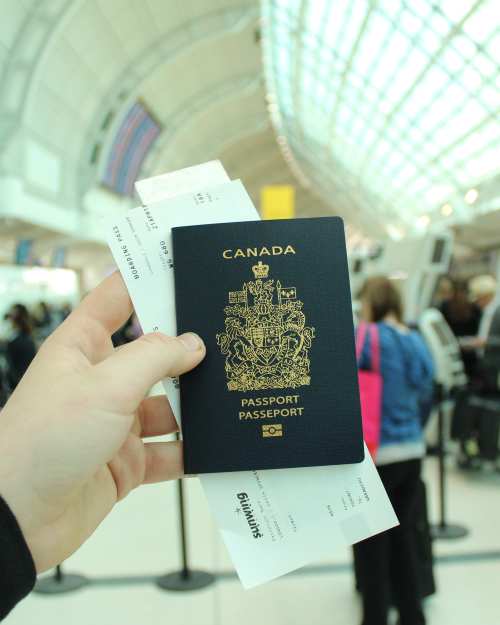
This distinction is crucial for both domestic and international travelers considering a visit. U.S. citizens and legal permanent residents traveling from other U.S. states or territories do not require a passport to enter Florida. The primary identification needed is typically a government-issued photo ID, such as a driver’s license or state-issued identification card. This applies whether you are flying, driving, or taking a train or bus to reach your destination. The ease of access is one of the many reasons why Florida remains a perennially popular destination for Americans seeking a vacation close to home.
Understanding Domestic Travel Requirements
The concept of a “passport” is intrinsically linked to international travel, serving as official documentation that verifies your identity and nationality for entry into foreign countries. When traveling within the United States, the established framework of domestic travel applies. This means that the borders you are crossing are internal to the nation, and therefore, the stringent passport requirements for international borders do not come into play.
Identification for Domestic Air Travel
While a passport is not required to enter Florida from another U.S. state, it’s important to note that specific identification is necessary for certain modes of transport. For air travel, the Transportation Security Administration (TSA) mandates that all individuals aged 18 and older present a valid, government-issued photo identification at security checkpoints. The most common forms of identification accepted include:
- A U.S. driver’s license
- A U.S. state-issued identification card
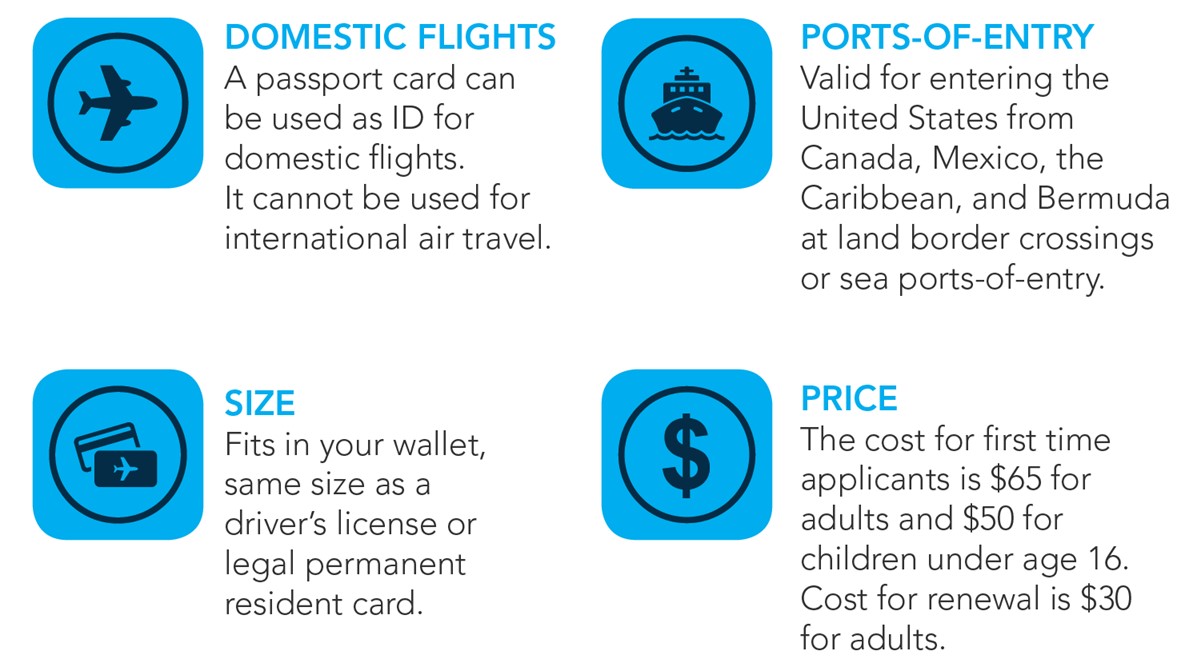
- A U.S. passport card
- A U.S. Department of Homeland Security trusted traveler cards (such as Global Entry, NEXUS, or SENTRI)
- A U.S. military ID
- A permanent resident card
It is worth reiterating that a U.S. passport book is also an acceptable form of identification for domestic flights, though it is generally overkill for this purpose if you possess a valid driver’s license. The key takeaway is that you need a form of identification that proves who you are and your age, especially for TSA security checks. This simplifies the process for millions of Americans who choose to fly to destinations like Orlando for theme park adventures or to the pristine beaches of Miami.
Identification for Land and Sea Travel
For travelers driving to Florida, or arriving by bus or train, the identification requirements are typically less stringent than for air travel. While you may not be asked to present identification at every checkpoint, it is always advisable to carry a government-issued photo ID, such as a driver’s license. This is useful for various situations, including checking into hotels, renting a car, or in the unlikely event of a traffic stop.
For those arriving in Florida via cruise ships that depart from and return to a U.S. port and only visit U.S. territories or the Caribbean, a passport is generally not required. However, the specific requirements can vary by cruise line and itinerary. For cruises that touch international ports, a passport is almost always mandatory. This highlights the importance of checking with your specific travel provider for precise documentation needs, even for what might seem like a “domestic” trip.
Special Considerations for Non-U.S. Citizens
While U.S. citizens and legal permanent residents do not need passports to travel to Florida from within the United States, the situation differs significantly for individuals who are not U.S. citizens. Non-U.S. citizens entering the United States, even if their final destination is a U.S. state like Florida, must possess the appropriate documentation to enter the country.

Entry Requirements for International Visitors
Foreign nationals visiting Florida must adhere to U.S. immigration laws. This typically involves possessing a valid passport from their country of citizenship and obtaining the necessary visa or entry authorization. Depending on your nationality and the purpose of your visit, you may need:
- A U.S. Visa: This is a document issued by a U.S. embassy or consulate that allows foreign nationals to travel to a U.S. port-of-entry to request permission to enter. There are various types of visas, such as tourist visas (B-2), business visas (B-1), or student visas (F-1).
- Visa Waiver Program (VWP): Citizens of certain countries may be eligible to travel to the United States for tourism or business for stays of 90 days or less without obtaining a visa, provided they have a valid passport and an approved electronic travel authorization (ESTA) through the Electronic System for Travel Authorization.
It is imperative for all non-U.S. citizens to verify their specific entry requirements well in advance of their travel to Florida. Mistakes or omissions in documentation can lead to denied entry, significant delays, or other complications. Consulting the U.S. Department of State or the U.S. Citizenship and Immigration Services website, or contacting the nearest U.S. embassy or consulate, are the most reliable ways to obtain accurate and up-to-date information.
Residents of U.S. Territories
For residents of U.S. territories such as Puerto Rico, the U.S. Virgin Islands, Guam, or American Samoa, travel to Florida is considered domestic travel. Therefore, they do not require a passport to enter Florida. However, they will need to present a valid government-issued photo ID for identification purposes, especially for air travel, similar to U.S. citizens.
Planning Your Florida Journey
Understanding the documentation requirements is just one piece of the puzzle when planning a trip to Florida. The state offers an incredible array of experiences, from the world-renowned theme parks of Orlando to the vibrant nightlife of Miami Beach, the historical charm of St. Augustine, and the natural beauty of the Everglades National Park.
Choosing Your Destination
Florida’s diversity means there’s something for every type of traveler. Families might gravitate towards the magical kingdom of Walt Disney World Resort or the thrilling rides at Universal Orlando Resort. Beach enthusiasts will find paradise along the Gulf Coast, with destinations like Clearwater Beach and Siesta Key Beach consistently ranked among the nation’s best. History buffs can step back in time in St. Augustine, the oldest continuously inhabited European-established settlement in the contiguous United States. For those seeking vibrant culture and urban excitement, cities like Tampa and Fort Lauderdale offer a wealth of dining, entertainment, and cultural attractions.
Transportation Options
The ease of access to Florida from other U.S. states is a significant draw. Many major airlines offer frequent flights to key airports such as Orlando International Airport, Miami International Airport, and Tampa International Airport. For those who prefer a road trip, Florida is accessible via a well-developed network of interstate highways, including I-75, I-95, and I-10. Amtrak also provides passenger rail service to various cities throughout the state.
Accommodation in the Sunshine State
Florida boasts an extensive range of accommodation options to suit every budget and travel style. From luxurious beachfront resorts and family-friendly hotels to charming bed and breakfasts, vacation rental homes, and budget-friendly motels, visitors are spoiled for choice. Popular areas like Kissimmee offer numerous properties catering to theme park visitors, while coastal towns provide an abundance of seaside inns and villas. Booking in advance, particularly during peak seasons like spring break, summer holidays, and winter months, is highly recommended to secure the best rates and availability. Many hotels and resorts offer amenities like swimming pools, on-site dining, and easy access to local attractions, enhancing the overall travel experience.
In conclusion, for U.S. citizens and legal permanent residents traveling to Florida from within the United States, a passport is not required. A valid government-issued photo ID will suffice for identification purposes, particularly for air travel. This straightforward requirement simplifies domestic travel, allowing millions to easily access and enjoy all that Florida has to offer. For international visitors, however, adhering to U.S. entry regulations, including possessing a valid passport and any necessary visas or authorizations, remains paramount. Careful planning and understanding these basic requirements will ensure a smooth and enjoyable journey to the Sunshine State.
LifeOutOfTheBox is a participant in the Amazon Services LLC Associates Program, an affiliate advertising program designed to provide a means for sites to earn advertising fees by advertising and linking to Amazon.com. Amazon, the Amazon logo, AmazonSupply, and the AmazonSupply logo are trademarks of Amazon.com, Inc. or its affiliates. As an Amazon Associate we earn affiliate commissions from qualifying purchases.