
Florida, a state renowned for its sun-drenched beaches, vibrant theme parks, and unique wildlife, often conjures images of playful dolphins and majestic alligators. However, a more elusive resident also calls the Sunshine State home: the scorpion. While perhaps not as universally recognized as its reptilian counterparts, the presence of scorpions in Florida is a valid concern for residents and visitors alike, particularly those venturing into its wilder landscapes or enjoying its abundant natural beauty. Understanding which species inhabit the state, where they are most commonly found, and how to coexist safely is crucial for a complete appreciation of Florida’s diverse ecosystem.

Scorpion Inhabitants of the Sunshine State
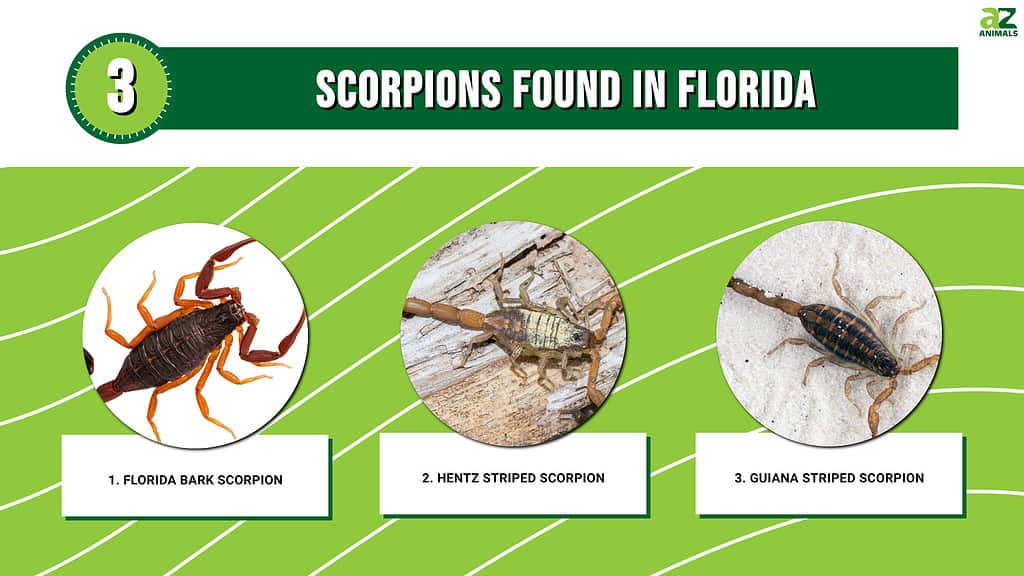
Contrary to popular belief, Florida is home to several species of scorpions, though thankfully, none are considered dangerously venomous to humans. The most prevalent and widely distributed species is the Florida Bark Scorpion (Centruroides gracilis). This species is not to be confused with its more notorious cousin, the Arizona Bark Scorpion, which possesses a venom potent enough to cause significant medical concern. The Florida Bark Scorpion, while capable of delivering a sting that can be painful and may cause localized swelling or redness, is generally considered mild in its effects. Their stings are typically comparable to that of a bee or wasp sting, with symptoms usually subsiding within a few hours.
Another species occasionally found, though less commonly encountered, is the Southern Unstriped Scorpion (Vaejovis carolinianus). This scorpion is smaller than the Bark Scorpion and is primarily found in wooded and sandy areas. Its sting is also not considered medically significant to humans.
It is important to differentiate these native species from any potential introduction of other scorpion types, though such occurrences are rare and unlikely to establish themselves within the established Florida ecosystem. The focus for residents and visitors should remain on understanding and respecting the native scorpion populations.
Identifying Florida Scorpions
Distinguishing between the various scorpion species that may be encountered in Florida can be challenging for the untrained eye, but there are some general characteristics to note. The Florida Bark Scorpion is typically light brown to yellowish in color, with a slender body and long, segmented tail. They often measure between 2 to 3 inches in length. As their name suggests, they are arboreal, meaning they prefer to live in trees, under bark, and in decaying wood.
The Southern Unstriped Scorpion is generally darker, often appearing brown or black, and is smaller, typically around 1.5 inches in length. They are more terrestrial, preferring to dwell in leaf litter, under rocks, and within burrows in the ground.
Venom and Stings: What to Expect
The sting of a Florida scorpion, primarily the Florida Bark Scorpion, is characterized by a sharp, burning sensation at the point of contact. This is often followed by localized pain, swelling, and redness. Some individuals may experience a mild itching or tingling sensation. Allergic reactions are rare but possible, similar to reactions from bee stings. If a sting occurs, it is advisable to:
- Clean the affected area with soap and water.
- Apply a cold compress to reduce swelling and pain.
- Take over-the-counter pain relievers if necessary.
- Monitor the sting site for any signs of infection or unusual reactions.
In the unlikely event of a severe allergic reaction (difficulty breathing, dizziness, widespread rash), immediate medical attention should be sought. For the vast majority of scorpion stings in Florida, these simple home care measures are sufficient.
Where Do Scorpions Lurk in Florida?
Florida’s diverse habitats provide ample opportunities for scorpions to thrive. While they can be found throughout the state, certain environments are more conducive to their presence. Understanding these preferred habitats can help individuals take appropriate precautions, especially when exploring the natural landscapes that make Florida such a popular tourist destination.
Natural Habitats and Biodiversity Hotspots
The Florida Bark Scorpion, being largely arboreal, is commonly found in areas with abundant trees and decaying wood. This includes:
- Pine forests: Especially those with significant amounts of deadwood and pine straw.
- Hammocks: Densely wooded areas with a mix of hardwood trees.
- Mangrove forests: Along the coastlines, where decaying organic matter and sheltered environments exist.
- Under loose bark and in tree hollows: These offer protection from predators and the elements.
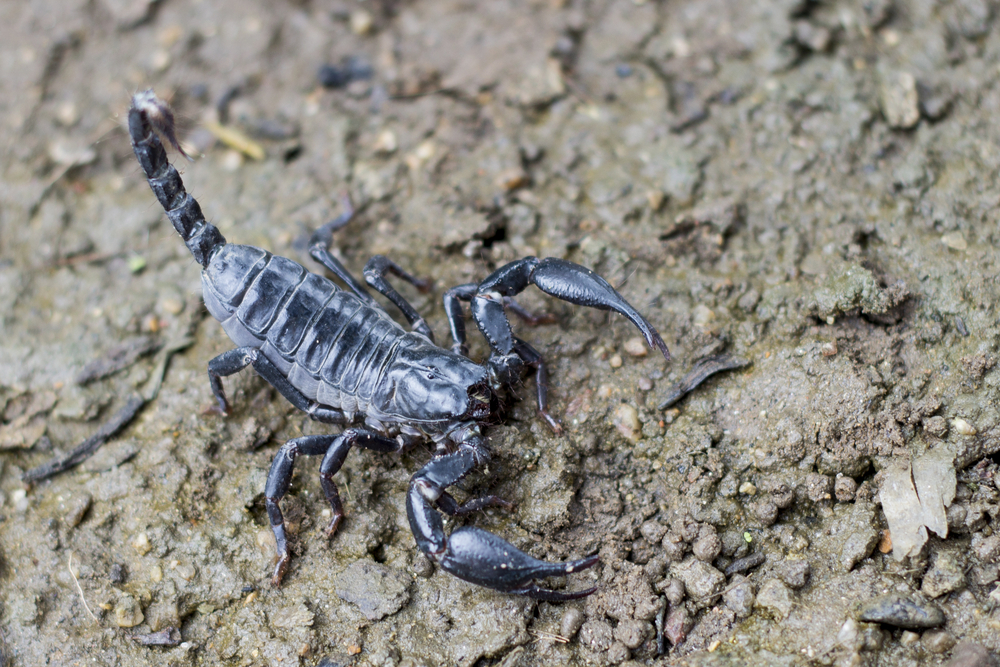
The Southern Unstriped Scorpion prefers ground-level environments:
- Sandy woodlands: Common in inland Florida.
- Leaf litter: Providing camouflage and a hunting ground for insects.
- Under rocks and logs: Offering shelter and moisture.
- In rotten logs and debris piles: Similar to their arboreal cousins, they seek sheltered, decaying organic matter.
These species are nocturnal, meaning they are most active during the night. During the day, they typically seek shelter in dark, secluded locations, making them less likely to be encountered by casual daytime explorers.
Urban and Suburban Encounters
While natural environments are their primary domain, scorpions can also venture into urban and suburban areas, particularly those with abundant green spaces and access to food sources. This is especially true for the Florida Bark Scorpion, which can adapt to living in structures that mimic their natural habitats. Common places where encounters might occur include:
- Garages and sheds: These often contain piles of wood, stored items, and dark corners.
- Woodpiles: A prime habitat for scorpions seeking shelter and hunting grounds.
- Underneath outdoor furniture and potted plants: Especially if these items are left undisturbed for long periods.
- In cracks and crevices of homes and outbuildings: They may seek entry in search of insects or shelter.
- Around swimming pools: Particularly if there are surrounding bushes or debris.
It is important to note that scorpions are not typically aggressive and will only sting defensively if they feel threatened or are accidentally provoked. They are more likely to flee than confront.
Coexisting with Florida’s Scorpions: Safety and Prevention
Understanding the behavior and habitats of Florida’s scorpion population is the first step towards safe coexistence. By taking simple preventative measures, residents and visitors can significantly minimize the risk of unwanted encounters, allowing for a more comfortable and informed experience of the state’s natural world.
Outdoor Activities and Precautions
For those who enjoy hiking, camping, or simply exploring Florida’s beautiful natural parks, such as the Everglades National Park or the Ocala National Forest, a few precautions can ensure a pleasant and safe outing:
- Wear sturdy footwear: Boots are recommended when walking through grassy or wooded areas, especially at dusk or dawn.
- Shake out shoes and clothing: Before putting on shoes or clothes that have been left outdoors overnight, especially if they were on the ground.
- Be cautious when handling firewood: Inspect logs before bringing them near your campsite or home.
- Avoid reaching into dark crevices or holes: Always use a stick or tool to investigate before putting your hand into an unknown space.
- Use insect repellent: While not a deterrent for scorpions, it can help manage other biting insects that share their habitat.
- Camp safely: Set up tents on clear ground, away from dense vegetation or piles of debris.
Home and Garden Safety Measures
Securing your home and garden can prevent scorpions from becoming unwelcome guests. These measures are particularly relevant for those staying in rental properties or vacation homes in more rural or wooded areas:
- Seal entry points: Inspect the exterior of your home for cracks and crevices and seal them with caulk. Ensure screens on windows and doors are intact.
- Reduce clutter: Keep yards tidy by removing piles of leaves, wood, rocks, and other debris that can provide shelter for scorpions.
- Trim vegetation: Keep bushes and tree branches trimmed away from the house, as these can serve as bridges for scorpions to reach the building.
- Check outdoor equipment: Regularly inspect items stored outdoors, such as lawnmowers, gardening tools, and outdoor furniture, before use.
- Use caution when watering plants: Especially if they are in containers or near the foundation of the house.
- Consider professional pest control: If you have persistent issues or are particularly concerned, a pest control professional can offer advice and treatments.
What to Do if You Encounter a Scorpion
Encountering a scorpion in your living space can be startling. The best course of action is to remain calm.
- Do not panic: Scorpions are not inherently aggressive and will likely try to escape.
- Contain the scorpion if possible: If it is safe to do so, place a jar or container over the scorpion and slide a piece of paper underneath to trap it. This allows for its safe removal.
- Remove it from your home: Release the scorpion outdoors, preferably in a wooded area away from your house.
- If you are bitten: Follow the first aid steps mentioned earlier. Seek medical attention if symptoms are severe or if an allergic reaction is suspected.
By understanding the nature of scorpions in Florida, their habitats, and simple preventative measures, visitors and residents can confidently enjoy the diverse natural wonders the state has to offer, with a heightened awareness of its less commonly discussed inhabitants.
LifeOutOfTheBox is a participant in the Amazon Services LLC Associates Program, an affiliate advertising program designed to provide a means for sites to earn advertising fees by advertising and linking to Amazon.com. Amazon, the Amazon logo, AmazonSupply, and the AmazonSupply logo are trademarks of Amazon.com, Inc. or its affiliates. As an Amazon Associate we earn affiliate commissions from qualifying purchases.