
Florida’s legal landscape surrounding abortion is a complex and evolving issue, deeply intertwined with state law, court rulings, and societal perspectives. Understanding the current regulations and historical context is crucial for anyone seeking or providing reproductive healthcare services within the Sunshine State. This article aims to provide a comprehensive overview of abortion access in Florida, focusing on its legal framework, accessibility, and the factors influencing these aspects.
The Legal Framework of Abortion in Florida
Florida’s approach to abortion has undergone significant shifts over the years, reflecting broader national trends and state-specific legislative actions. The state has a history of implementing regulations that aim to balance a woman’s right to choose with its interest in protecting potential life.
Gestational Limits and Mandatory Waiting Periods
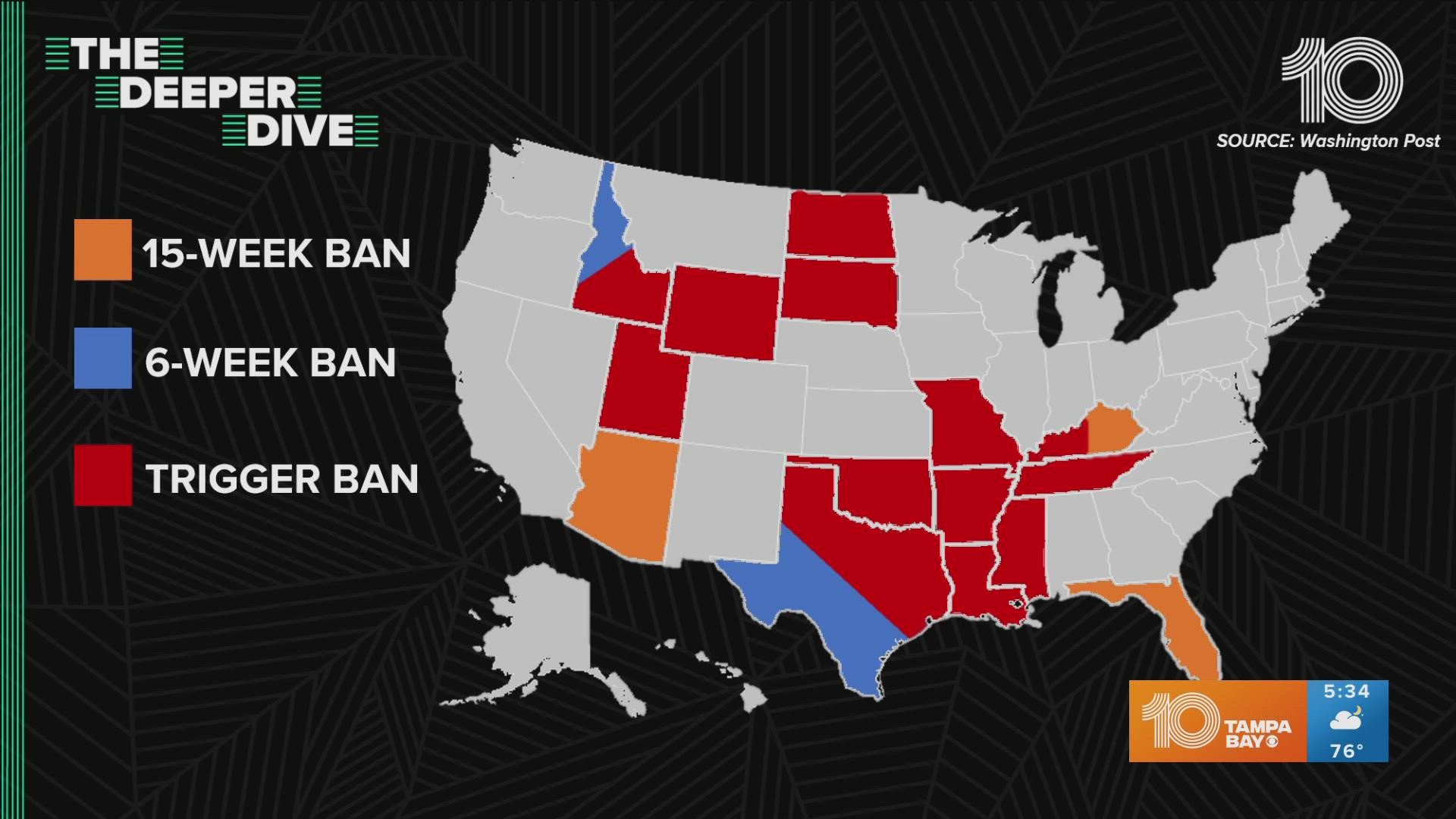
Currently, Florida law permits abortions up to 15 weeks of gestation, with limited exceptions. This 15-week ban was a significant development, replacing a previous 24-week ban. The law, signed in 2023, also includes provisions for exceptions in cases of rape, incest, or medical necessity to save the life of the pregnant individual or to prevent serious injury. These exceptions, however, often come with strict requirements for reporting and documentation.
Prior to this, Florida had a 24-hour mandatory waiting period for abortions. While the 15-week ban is now the primary gestational limit, understanding the history of such waiting periods provides context for the state’s approach to regulating abortion access. These waiting periods were designed to ensure that individuals seeking abortions had sufficient time to consider their options, though critics argued they created unnecessary barriers to care.
Parental Consent and Notification Laws
For minors seeking abortions in Florida, parental consent or notification laws are in effect. These laws require that a minor obtain consent from at least one parent or guardian, or secure a judicial waiver, before undergoing an abortion. The judicial waiver process allows a minor to petition a court for permission to have an abortion without parental involvement, typically demonstrating maturity or that parental involvement is not in their best interest. These regulations are intended to involve parents in significant healthcare decisions for their minor children.
Restrictions on Abortion Providers
Florida has also implemented specific regulations for facilities that provide abortion services. These can include requirements for the type of facility, the qualifications of medical staff, and reporting mandates. Such regulations are often framed as measures to ensure patient safety and uphold medical standards, but they can also impact the availability and accessibility of abortion services, particularly in more rural areas of the state.
Accessibility and Availability of Abortion Services
Beyond the legal framework, the practical accessibility of abortion services in Florida is influenced by various factors, including the number of providers, geographic distribution, and economic considerations.
Geographic Distribution of Providers
The concentration of abortion providers in Florida is not uniform across the state. Major metropolitan areas like Miami, Orlando, and Tampa tend to have more clinics and medical facilities offering abortion services. However, residents in more rural or less populated regions may face significant travel distances to access care. This geographic disparity can create substantial logistical and financial burdens for individuals seeking abortions, especially for those with limited resources or who rely on public transportation.

Financial Barriers and Insurance Coverage
The cost of an abortion can be a significant barrier for many individuals. While some insurance plans, including those offered through the Affordable Care Act marketplace plans (with limited exceptions for cases of rape, incest, or life endangerment), may cover abortion services, coverage can vary widely. Many individuals seeking abortions may be uninsured or underinsured, requiring them to pay out-of-pocket. State funding for abortion services is also restricted, with exceptions typically limited to cases of rape, incest, or life endangerment, aligning with federal Hyde Amendment restrictions. This financial strain can delay or prevent access to care.
The Role of Advocacy Groups and Support Networks
Numerous reproductive health organizations and advocacy groups play a crucial role in supporting individuals seeking abortions in Florida. These organizations often provide a range of services, including:
- Information and Education: Offering accurate information about Florida’s laws, available services, and patient rights.
- Financial Assistance: Providing funds to help cover the cost of the procedure, travel, and accommodation.
- Logistical Support: Assisting with appointment scheduling, transportation, and finding temporary lodging for those traveling from out of state or from distant parts of Florida.
- Emotional Support: Offering counseling and emotional support throughout the process.
These networks are vital in navigating the complexities of accessing abortion care in the state.
Recent Legal Challenges and Future Outlook
The legal landscape of abortion in Florida has been subject to ongoing legal challenges and potential future changes. The state’s abortion laws are frequently contested in court, and legislative actions continue to shape the accessibility of these services.
Court Rulings and Legal Battles
Florida’s 15-week abortion ban has faced significant legal challenges. The outcome of these legal battles can directly impact the current and future availability of abortion services. Courts have played a critical role in interpreting state laws and constitutional protections related to reproductive rights. The ongoing litigation reflects the deep societal divisions and legal complexities surrounding abortion access.
Impact of National Policy Shifts
National policy shifts, particularly concerning the interpretation of federal constitutional rights, have had a profound impact on state-level abortion laws, including those in Florida. The overturning of Roe v. Wade by the Supreme Court in June 2022 returned the authority to regulate or ban abortion to individual states. This decision amplified the importance of state legislative actions and court rulings in determining abortion access within Florida.

Evolving Legislative Landscape
The legislative environment in Florida remains dynamic. Future legislative sessions could introduce new bills aimed at further restricting or, conversely, expanding abortion access. Staying informed about proposed legislation and the outcomes of legislative debates is essential for understanding the trajectory of abortion rights in the state.
In conclusion, while Florida currently allows abortions up to 15 weeks of gestation with specific exceptions, the legal and practical landscape is complex and subject to change. Understanding the state’s gestational limits, parental consent laws, provider regulations, and the practical barriers of accessibility is crucial. The ongoing legal challenges and evolving legislative environment underscore the continued importance of this issue in Florida.
LifeOutOfTheBox is a participant in the Amazon Services LLC Associates Program, an affiliate advertising program designed to provide a means for sites to earn advertising fees by advertising and linking to Amazon.com. Amazon, the Amazon logo, AmazonSupply, and the AmazonSupply logo are trademarks of Amazon.com, Inc. or its affiliates. As an Amazon Associate we earn affiliate commissions from qualifying purchases.