
The Sunshine State, with its idyllic beaches, vibrant theme parks, and laid-back lifestyle, is a perennial favorite for travelers. When planning a trip to Florida, understanding the nuances of its accommodations, particularly concerning unique architectural features like basements, can enhance your travel experience. This exploration delves into the prevalence, reasons behind the rarity, and alternative underground features that might be encountered, offering valuable insights for the discerning traveler.
The Uncommonality of Traditional Basements in Florida
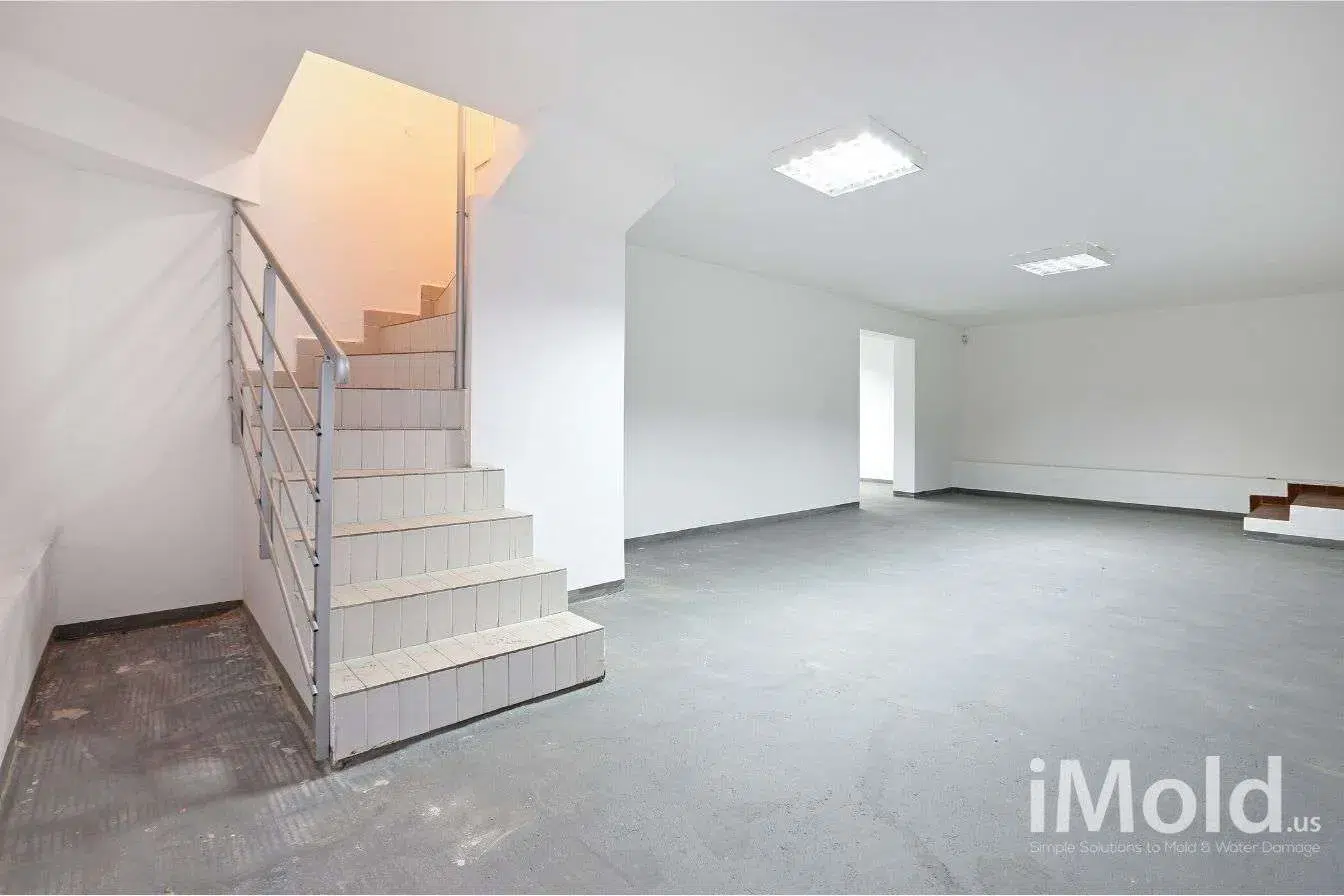
To directly answer the question: traditional, full-story basements are exceedingly rare in Florida. This absence isn’t a matter of architectural preference but rather a consequence of the state’s unique geological and hydrological conditions. For any traveler accustomed to the ubiquitous basements found in many other parts of the United States, this might come as a surprise. Understanding why this is the case is crucial for setting expectations and appreciating the local building practices that prioritize durability and flood resilience.
Geological Factors
Florida is largely composed of porous limestone and sand, a geological makeup that significantly influences construction methods. This porous nature means that the ground readily absorbs water.
- High Water Table: One of the primary reasons for the lack of basements is the state’s consistently high water table. In many areas, the ground is saturated with water just a few feet below the surface. Excavating deep enough for a traditional basement would mean constantly battling groundwater intrusion, requiring extensive and costly dewatering systems and waterproofing. The effort and expense involved make it impractical for most residential and commercial constructions.
- Soil Instability: The sandy and limestone soil can also be less stable than the dense, clay-heavy soils found in other regions. Excavating a large void for a basement could potentially compromise the structural integrity of the surrounding land and any adjacent buildings.
Climatic and Hydrological Considerations
Beyond the underlying geology, Florida’s climate presents further challenges for subterranean construction.
- Frequent Rainfall and Flooding: The state experiences heavy rainfall throughout the year, and its low elevation makes it susceptible to flooding, particularly during hurricane season. Basements, by their very nature, would be prone to inundation, leading to structural damage, mold growth, and potential health hazards. Building codes and common sense dictate construction methods that elevate living spaces above potential floodwaters.
- Hurricane Impact: The threat of powerful hurricanes necessitates building practices that prioritize resilience. Homes and buildings are typically constructed with foundations designed to withstand high winds and potential storm surges, often involving elevated structures rather than deep excavations that could weaken their stability.
Economic Practicality
The combination of geological and climatic challenges translates into significant economic hurdles for building basements in Florida.
- Increased Construction Costs: The extensive engineering, waterproofing, and pumping systems required to maintain a dry and stable basement in Florida would dramatically increase construction costs. For developers and homeowners, these added expenses often outweigh any perceived benefits, especially when alternative solutions for storage and living space are readily available.
- Limited Market Demand: Given the inherent difficulties and costs, there is a limited market demand for basements among prospective buyers and renters in Florida. This further disincentivizes developers from undertaking such projects.
Alternatives to Traditional Basements in Florida
While traditional basements are scarce, residents and visitors in Florida still utilize underground or semi-underground spaces for various purposes. These alternatives are adapted to the local environment, offering practical solutions without the inherent risks associated with deep excavations in high water tables.
Crawl Spaces
A more common feature than a full basement is a crawl space. These are shallow, unfinished spaces between the ground and the first floor of a building.
- Purpose and Design: Crawl spaces provide access for plumbing, electrical wiring, and HVAC systems, making maintenance and repairs significantly easier. They also offer a degree of insulation from the ground and can provide limited, albeit often damp, storage space.
- Ventilation: Properly designed crawl spaces are typically vented to allow for air circulation, helping to mitigate moisture buildup. However, in Florida’s humid climate, moisture management remains a critical aspect of crawl space maintenance.
Elevated Foundations and Stilt Homes

One of the most characteristic and practical solutions to Florida’s flood-prone nature is the use of elevated foundations.
- Flood Mitigation: Many homes, especially in coastal areas and flood zones, are built on stilts or concrete pillars. This elevates the primary living area several feet above the ground, offering crucial protection against storm surges and rising floodwaters. The space beneath these homes can be used for parking, storage, or simply left open.
- Architectural Style: This style is not only functional but has also become an iconic part of the Florida architectural landscape, particularly in regions like the Florida Keys and along the coastline.
Storm Shelters and Safe Rooms
For protection against severe weather, particularly hurricanes and tornadoes, some homes and public buildings in Florida may feature specialized underground or reinforced safe rooms.
- Purpose: These are not intended for general living or storage but are specifically designed to provide a secure refuge during extreme weather events. They are built to withstand high winds and debris impact.
- Location: While some may be partially underground, they are constructed with robust materials and advanced engineering to ensure their integrity in adverse conditions.
Underground Utilities and Infrastructure
While residential basements are rare, much of Florida’s essential infrastructure, such as utility lines (water, sewer, electricity, and telecommunications), are located underground.
- Necessity: Burying these lines helps protect them from weather damage, including high winds and lightning strikes, which are common in the state.
- Maintenance Challenges: Despite the benefits, maintaining these underground systems can still be challenging due to the high water table and the porous nature of the soil, often requiring specialized techniques for repairs and upgrades.
Implications for Travelers in Florida
For visitors to Florida, understanding the absence of basements has practical implications for their travel experience, particularly concerning accommodation choices and understanding local building practices.
Accommodation Types
When booking hotels, resorts, or vacation rentals in Florida, travelers will rarely encounter rooms or amenities located in traditional basements.
- Ground Floor Access: Most accommodations offer easy ground-floor access, or rooms are situated on elevated floors. The concept of a “basement suite” is virtually non-existent.
- Storage and Amenities: Storage areas in hotels or rental properties will typically be above ground, in separate utility rooms, or in garages. Any hotel laundry facilities, maintenance areas, or back-of-house operations that might traditionally be in a basement will be located on the ground floor or in separate structures.
- Unique Stays: Travelers seeking unique lodging experiences might find charming older homes with partially exposed foundations or elevated structures offering interesting architectural layouts. However, the standard dark, subterranean room is not a feature to expect.
Packing and Preparation
While not directly related to basements, the unique building methods in Florida are a reminder of the state’s climate.
- Flood Preparedness: Understanding that many homes are elevated for flood protection underscores the importance of heeding any local advisories or warnings regarding weather, especially during hurricane season.
- Moisture Awareness: Given the humidity, travelers might notice that some accommodations, especially those with crawl spaces or older construction, may have a slightly different indoor air quality compared to more arid regions. However, modern hotels and well-maintained rentals implement effective climate control to ensure comfort.

Exploring Local Architecture
Appreciating Florida’s built environment involves recognizing its adaptation to local conditions.
- Stilt Houses and Elevated Homes: Take notice of the prevalent elevated homes, particularly in coastal communities like Miami Beach, Fort Lauderdale, or the picturesque villages of the Florida Keys. These are not just architectural quirks but vital elements of flood resilience.
- Post-War Bungalows: Many older neighborhoods feature charming bungalows, often built on low concrete slabs or with minimal crawl spaces, reflecting building techniques from an era when flood concerns might have been less emphasized or understood.
In conclusion, while the iconic image of a Florida vacation might conjure images of sun-drenched beaches and vibrant cityscapes, a deeper look reveals a fascinating interplay between architecture, geology, and climate. The absence of traditional basements is a testament to the ingenuity of builders and engineers in creating structures that are not only aesthetically pleasing but also resilient and practical in this unique subtropical environment. For travelers, this understanding adds another layer of appreciation to the diverse and dynamic landscape of the Sunshine State, ensuring a more informed and insightful visit.
LifeOutOfTheBox is a participant in the Amazon Services LLC Associates Program, an affiliate advertising program designed to provide a means for sites to earn advertising fees by advertising and linking to Amazon.com. Amazon, the Amazon logo, AmazonSupply, and the AmazonSupply logo are trademarks of Amazon.com, Inc. or its affiliates. As an Amazon Associate we earn affiliate commissions from qualifying purchases.