
Navigating the Sunshine State’s regulations can sometimes feel like a complex roadmap, especially when it comes to ensuring your vehicle is road-ready. For many visitors and new residents alike, a common question arises: “Does Florida have car inspections?” The answer, at its core, is a straightforward “no,” but understanding the nuances and related regulations provides a clearer picture for anyone planning to drive in Florida. This guide will delve into the absence of mandatory annual safety or emissions inspections, explore existing vehicle requirements, and offer practical advice for a smooth driving experience across the state’s diverse landscapes, from the vibrant streets of Miami to the historic charm of St. Augustine.

Understanding Florida’s Inspection Policy
For decades, Florida has opted out of requiring annual safety or emissions inspections for passenger vehicles. This policy was established to reduce the financial burden on vehicle owners and streamline the registration process. Unlike many other states that mandate regular checks of brakes, lights, tires, and exhaust systems, Florida relies on a different approach to ensure vehicle safety and environmental responsibility.
The Rationale Behind the Decision
The decision to forgo mandatory inspections was largely economic. Proponents argued that the cost of inspections, coupled with potential repair expenses, placed an undue hardship on many citizens. Furthermore, advancements in vehicle technology and manufacturing standards were believed to have improved overall vehicle reliability and reduced emissions significantly, lessening the perceived need for such regular checks. The focus shifted from prescriptive annual checks to enforcement of existing traffic laws and a reliance on public awareness and responsible vehicle ownership.
Emissions Testing: A Thing of the Past
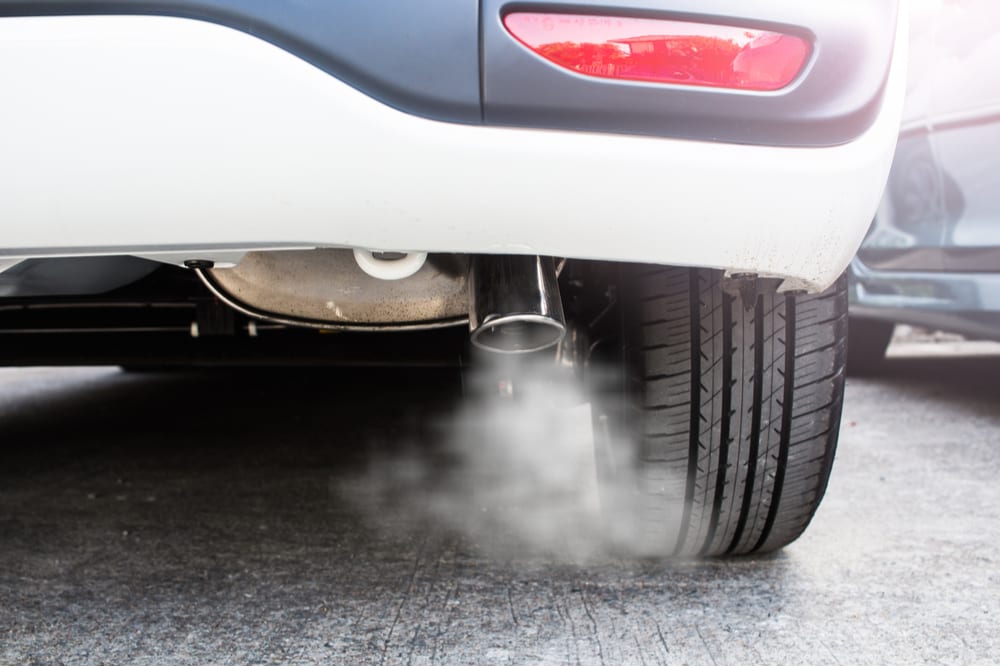
It’s worth noting that Florida did have an emissions testing program in place for several years, primarily targeting certain counties with higher air pollution concerns. However, this program was also phased out, further solidifying the state’s stance against mandatory environmental checks for most vehicles. This move aligned with national trends where many states have either eliminated or never implemented such programs, citing cost-effectiveness and the improved environmental performance of modern vehicles.
Essential Vehicle Requirements in Florida
While Florida doesn’t require annual safety or emissions inspections, this does not mean vehicles on its roads are unregulated. Several fundamental requirements ensure that vehicles are legally permitted to operate and contribute to public safety and environmental well-being. Understanding these provisions is crucial for all drivers.
Registration and Titling
The most fundamental requirement for any vehicle operating in Florida is proper registration and titling. This process, managed by the Florida Department of Highway Safety and Motor Vehicles (FLHSMV), ensures that vehicles are legally recognized and that ownership is established. When you register a vehicle, you will need to provide proof of ownership, a valid identification, and pay the applicable fees. Out-of-state vehicles being brought into Florida typically need to be registered within 30 days of establishing residency.
Proof of Financial Responsibility (Auto Insurance)
One of the most critical requirements is proof of financial responsibility, which in Florida translates to maintaining minimum levels of auto insurance coverage. Drivers are legally obligated to have at least $10,000 of Personal Injury Protection (PIP) and $10,000 of Property Damage Liability (PDL) coverage. PIP covers medical expenses and lost wages for you and your passengers, regardless of who is at fault for an accident. PDL covers damage to another person’s property. Driving without the required insurance is a serious offense with significant penalties, including license suspension and fines. Many drivers opt for additional liability coverage to ensure greater protection in case of severe accidents.
Vehicle Equipment Standards
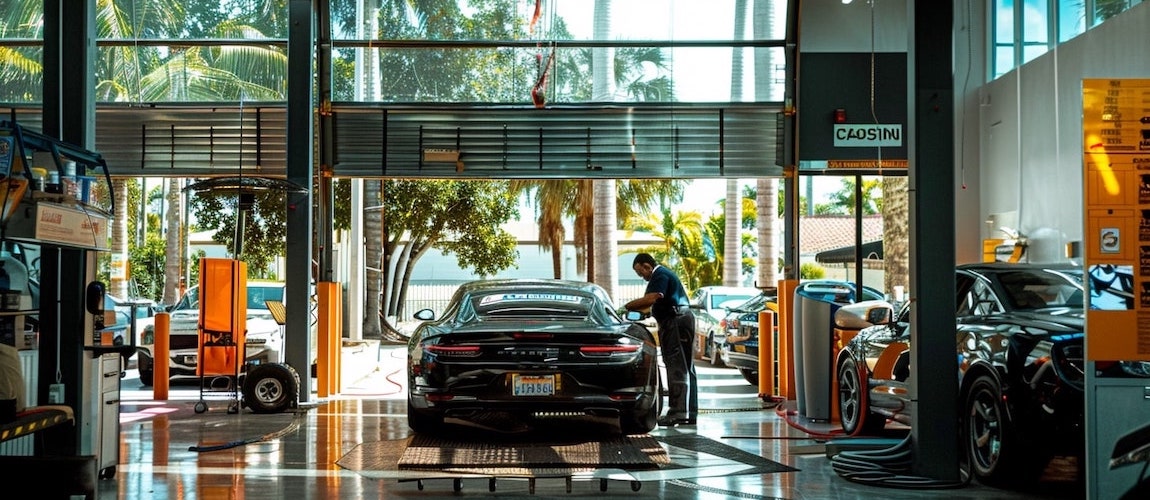
Although there are no periodic inspections, Florida law does stipulate that vehicles must meet certain equipment standards to be operated on public roads. This includes functional headlights, taillights, brake lights, turn signals, a working horn, a windshield that is not obstructed, and functioning windshield wipers. While these are not checked annually, law enforcement officers can issue citations if a vehicle is observed to be operating with faulty or missing equipment that compromises safety. This “enforcement on the spot” approach is the state’s primary method for ensuring vehicle roadworthiness.
Driving in Florida: What Visitors and Residents Should Know
The absence of mandatory car inspections in Florida simplifies certain aspects of vehicle ownership and operation. However, it also places a greater emphasis on individual responsibility for maintaining a safe and legal vehicle. Whether you are a tourist exploring the beaches of Clearwater or a new resident settling in Orlando, being aware of these regulations is paramount.
Maintaining Your Vehicle
With no mandated inspections, the onus is entirely on the vehicle owner to ensure their car is in good working order. Regular maintenance, as recommended by the vehicle manufacturer, is crucial. This includes checking tire pressure, ensuring brakes are functioning properly, monitoring fluid levels, and verifying that all lights and signals are operational. Proactive maintenance not only ensures compliance with the law but also promotes safety for yourself, your passengers, and other road users. It can also prevent costly repairs down the line.
Dealing with Out-of-State Vehicles
If you are bringing a vehicle from another state into Florida, you will need to register it here. The registration process generally involves presenting your out-of-state title, proof of Florida insurance, and a valid identification. Unlike some states, Florida typically does not require an initial vehicle inspection for registration purposes, provided the vehicle was legally registered in its previous state. However, you will be subject to all Florida laws regarding vehicle equipment and financial responsibility once registered.
Traffic Laws and Enforcement
While inspections are absent, traffic laws in Florida are actively enforced. Speeding, reckless driving, impaired driving, and violations of traffic signals are all subject to penalties. Furthermore, police officers can pull over vehicles if they observe equipment violations that pose a safety risk. This proactive enforcement serves as a deterrent and a means of ensuring that vehicles on the road are safe to operate, even without a formal inspection process. Paying close attention to speed limits, especially in areas like national parks or around theme parks such as Walt Disney World, and adhering to all traffic signals is vital.
Beyond Inspections: Ensuring a Smooth Drive
The absence of car inspections in Florida offers convenience, but it underscores the importance of responsible ownership. By understanding the state’s requirements and maintaining your vehicle diligently, you can ensure a safe and enjoyable driving experience, whether you’re commuting to work in Tampa or embarking on a road trip down the scenic Overseas Highway towards the Florida Keys.
Choosing the Right Insurance
Given the mandatory requirement for PIP and PDL, understanding your insurance options is key. While the minimum coverage is a legal necessity, many drivers choose to enhance their policies with additional liability coverage, comprehensive, and collision insurance. This provides greater financial protection in the event of an accident, theft, or damage to your vehicle. Researching different insurance providers and comparing quotes can help you find a policy that fits your needs and budget. Exploring options in cities like Jacksonville or smaller towns requires diligent research.
Preparing for Roadside Emergencies
While not directly related to inspections, being prepared for potential vehicle issues is always wise. Carrying a basic emergency kit, including jumper cables, a first-aid kit, water, and non-perishable snacks, can be invaluable. Ensuring your spare tire is properly inflated and that you know how to change it is also a smart practice. Familiarizing yourself with the services offered by roadside assistance providers, such as AAA, can also offer peace of mind when driving through less populated areas of Florida.
In conclusion, Florida does not have mandatory annual car inspections for safety or emissions. However, this absence does not negate the importance of safe and legal vehicle operation. Adhering to registration requirements, maintaining adequate insurance, and ensuring your vehicle’s equipment is in good working order are all essential responsibilities for every driver in the Sunshine State. This approach empowers individuals to take ownership of their vehicle’s condition, contributing to safer roads for everyone.
LifeOutOfTheBox is a participant in the Amazon Services LLC Associates Program, an affiliate advertising program designed to provide a means for sites to earn advertising fees by advertising and linking to Amazon.com. Amazon, the Amazon logo, AmazonSupply, and the AmazonSupply logo are trademarks of Amazon.com, Inc. or its affiliates. As an Amazon Associate we earn affiliate commissions from qualifying purchases.