
The Sunshine State, a perennial favorite for vacationers and snowbirds alike, presents a unique question for those planning a visit: does Florida observe Daylight Saving Time (DST)? Understanding how time shifts impact your travel plans is crucial for a seamless and enjoyable experience. While the federal government allows states to opt out of DST, Florida’s current status is a dynamic one, influenced by legislative action and ongoing debate. This guide aims to clarify the situation, providing practical insights for travelers, ensuring your itineraries align with local clocks and maximizing your time in this vibrant destination.

The Shifting Sands of Florida’s DST Status
Florida’s relationship with Daylight Saving Time has been a subject of considerable discussion and legislative effort over the years. Unlike states that have consistently adhered to or opted out of the practice, Florida has seen attempts to permanently adopt DST, commonly referred to as “Sunshine Protection.” Understanding the historical context and current legislative landscape is key to grasping why this question is not as straightforward as it might seem for other parts of the United States.
A Brief History of Florida and Daylight Saving Time
For many years, Florida, like the majority of the U.S., followed the standard practice of observing Daylight Saving Time. This meant that clocks would spring forward in March and fall back in November, providing an extra hour of daylight during the warmer months. This practice was largely taken for granted by residents and visitors alike, a predictable rhythm of the year.
However, the desire for more year-round daylight, particularly in a state renowned for its outdoor activities and tourism, began to gain traction. Proponents argued that permanent DST would boost the economy, enhance recreational opportunities, and potentially reduce crime rates. This sentiment led to various legislative proposals aimed at making DST permanent in the Sunshine State.
The Sunshine Protection Act: A Glimpse into Permanent DST
The most prominent effort to achieve year-round DST in Florida was the “Sunshine Protection Act.” This bill, which has seen multiple iterations and gained significant public support, aimed to establish permanent DST throughout the state. The rationale behind such an act is rooted in the idea of aligning Florida’s time with its abundant sunshine, offering more daylight hours for businesses, tourism, and daily life, especially during the late afternoon and early evening.
Supporters of permanent DST often point to the benefits for outdoor recreation, such as extended opportunities for golf, beach visits, and theme park enjoyment well into the evening. Furthermore, an extra hour of daylight after typical working hours could theoretically encourage more evening activities, thereby boosting economic revenue for businesses reliant on tourism and leisure. The psychological impact of brighter evenings, particularly during seasons when days naturally shorten, is also frequently cited as a positive factor.
However, the implementation of permanent DST across the entire United States is a complex issue. While states can opt out of DST and remain on standard time year-round, enacting permanent DST requires congressional approval due to the Uniform Time Act of 1966. This federal layer of complexity has been a significant hurdle for Florida’s aspirations to permanently remain on DST.
The Current Reality: Still Observing Standard DST Practices
As of the most recent legislative sessions and federal rulings, Florida continues to observe Daylight Saving Time according to the established federal schedule. This means that clocks in Florida will spring forward by one hour on the second Sunday in March and fall back by one hour on the first Sunday in November.
This adherence to the standard DST schedule is important for travelers to note. Your arrival in cities like Miami, Orlando, or Tampa will be subject to these time changes. If you are traveling from a state that also observes DST, your arrival time will be as expected. However, if you are coming from a state that has opted out of DST and remains on standard time year-round (such as Arizona or Hawaii), you will need to adjust your expectations and timepieces accordingly.
The decision to revert to standard time in the fall and spring is not merely an arbitrary one. Standard time, also known as “true solar time,” is generally considered more aligned with the natural solar cycle. Astronomically, noon is when the sun is at its highest point in the sky. Standard time aims to keep this solar noon closer to the clock’s noon, which has implications for early morning light and the duration of daylight in the mornings. The debate over which time is “better” for public well-being and economic activity is ongoing, with valid arguments on both sides.
Practical Implications for Travelers Planning a Florida Visit
For tourists and business travelers alike, understanding Florida’s DST status is more than just a trivia point; it has tangible effects on your travel plans, from flight schedules and booking accommodations to scheduling activities and experiencing the local atmosphere. Being aware of these time shifts can prevent confusion and ensure you make the most of your valuable time in the Sunshine State.
Scheduling Flights and Transportation
When booking flights to major Florida airports such as Miami International Airport, Orlando International Airport, or Tampa International Airport, airlines will automatically adjust flight times to reflect Daylight Saving Time. This means a flight scheduled to depart at 3:00 PM EST during standard time will depart at 4:00 PM EDT during DST. It is always prudent to double-check your flight confirmations closer to your departure date, as minor adjustments can occur, and ensuring you are aware of the current time zone for both your departure and arrival is critical.
Similarly, for ground transportation, rental car pick-ups, and even ferry services to islands like the Florida Keys, being mindful of the time changes will prevent missed appointments or delayed excursions. If you are driving into Florida from a region with a different DST observance, remember to adjust your watch or GPS as you cross state lines.
Booking Accommodations and Activities
When booking hotels, resorts, or vacation rentals in destinations like South Beach, Clearwater Beach, or Naples, the listed check-in and check-out times will reflect local DST. For example, a hotel might list check-in at 3:00 PM. During DST, this will be 3:00 PM EDT, which is an hour later than it would be during standard time.
The same applies to booking tours, making dinner reservations, or planning visits to attractions like Walt Disney World Resort or Universal Orlando Resort. Early morning tours or sunset cruises will have their timing adjusted. If you’re planning to catch a sunrise on the Atlantic coast or a sunset over the Gulf of Mexico, knowing whether DST is in effect will help you plan those picturesque moments perfectly. Many attractions and restaurants will specify times in Eastern Daylight Time (EDT) during DST and Eastern Standard Time (EST) during the rest of the year.
Experiencing Florida’s Attractions
The extra hour of daylight during DST can significantly enhance your experience of Florida’s numerous attractions. Theme parks remain open later, allowing for more rides and entertainment, especially during the summer months when schools are out. Beaches are more accessible for evening strolls or swimming as the sun sets later. Golf courses can accommodate more tee times in the extended daylight.
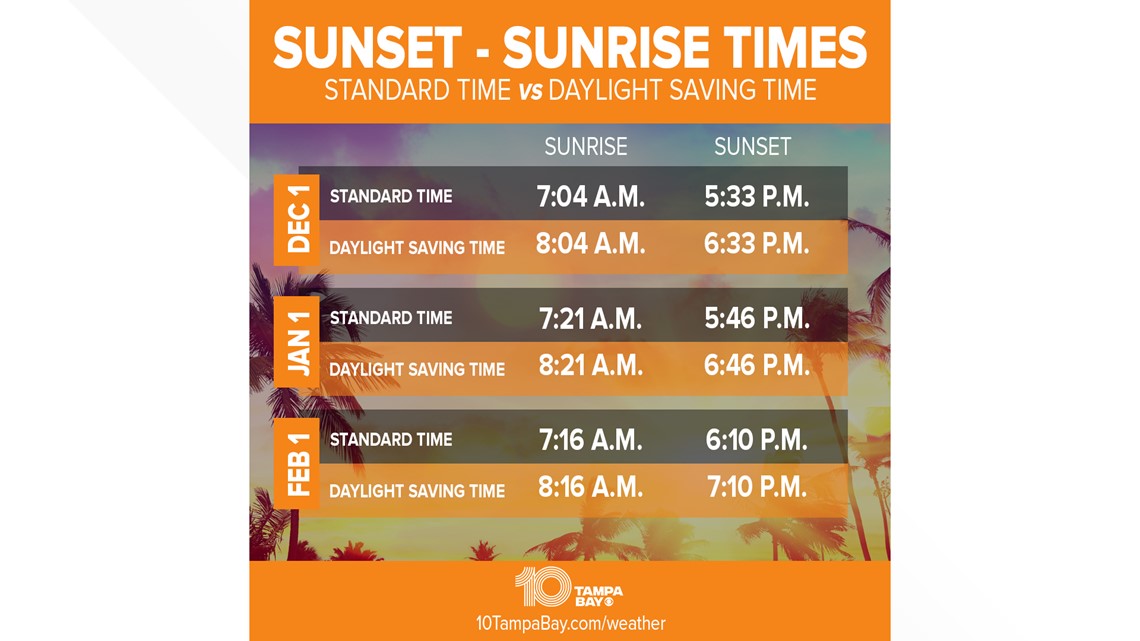
Conversely, during the fall and winter months, when Florida reverts to standard time, the days will naturally feel shorter in the late afternoons. This can be a factor when planning outdoor activities. However, standard time also means that sunrises will be earlier, which can be a boon for early risers wanting to catch the dawn over the ocean or embark on a fishing trip.
Navigating the Time Zones: Tips for a Smooth Visit
To ensure your trip to Florida is as seamless as possible, here are some practical tips for navigating the Daylight Saving Time changes:
- Stay Informed: Before your trip, check the current DST status for Florida. While it currently observes the standard schedule, legislative changes could occur. Reliable sources include official government websites or reputable travel advisories.
- Synchronize Your Devices: Most smartphones and smart devices automatically update their time based on your location. Ensure this feature is enabled. However, it’s always wise to manually confirm the time upon arrival, especially if you have older devices or a more complex travel itinerary.
- Communicate with Your Travel Companions: If you are traveling with family or friends, ensure everyone is aware of the current time and any upcoming time changes. This prevents confusion about meeting times or scheduled events.
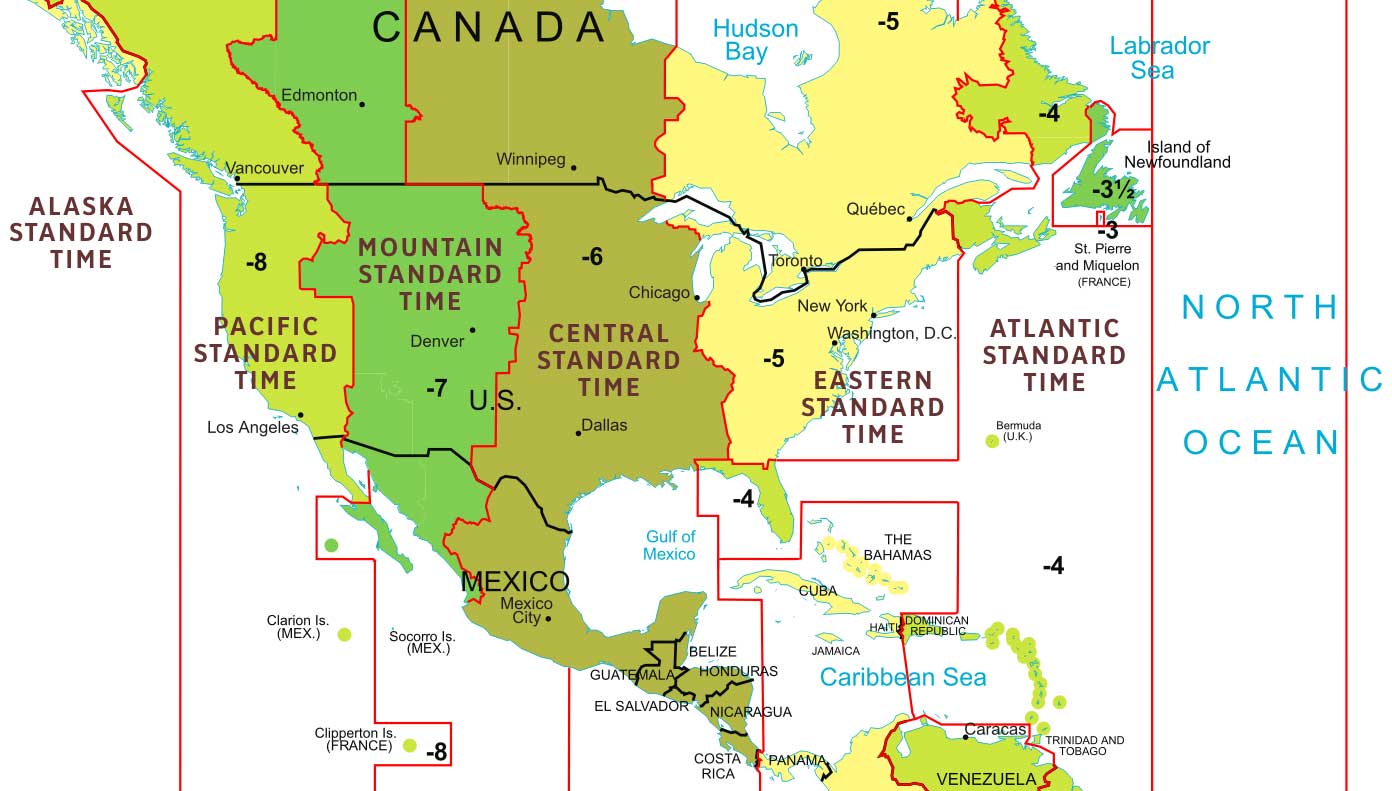
- Factor in Time Zones for Calls: When making calls to people outside of Florida, remember to consider both DST and the destination’s specific time zone (e.g., Eastern, Central). Florida primarily observes Eastern Time, but the westernmost part of the Florida Panhandle is in the Central Time Zone. This small geographical nuance can sometimes cause confusion.
- Embrace the Sunshine: Whether it’s DST or standard time, Florida offers an abundance of sunshine. Plan your activities to maximize daylight, and don’t forget to pack sunscreen and stay hydrated, regardless of the clock’s setting.
The Western Panhandle: A Unique Time Zone Consideration
While most of Florida operates within the Eastern Time Zone, a significant portion of the western Florida Panhandle, west of the Apalachicola River, observes Central Time. This includes cities like Pensacola and Panama City. This geographical distinction means that even when DST is in effect across the state, there will be a one-hour difference between Pensacola and Miami, for instance.
Eastern vs. Central Time in Florida
When planning a trip that spans across these regions, or if you are coordinating with individuals in different parts of the state, this time zone difference is crucial. For example, if it is 10:00 AM Eastern Daylight Time (EDT) in Miami, it will be 9:00 AM Central Daylight Time (CDT) in Pensacola.
This also means that if Florida were to enact permanent DST and remain on Eastern Daylight Time year-round, the western panhandle would also need to align its permanent time zone. The federal government’s role in approving permanent DST would likely address these interstate and intrastate time zone complexities.
Impact on Local Activities and Travel
For travelers focused on destinations within the Eastern Time Zone, such as Orlando, Fort Lauderdale, or the Florida Keys, the DST observance will be consistent across these areas. However, if your travel plans include exploring the Gulf Coast beaches of the panhandle, like those near Destin, or visiting historical sites in St. Augustine, it is essential to be aware of the time zone differences.
This is particularly important for booking accommodations, arranging transportation, and scheduling activities. Rental car companies, airlines, and tour operators will operate according to the local time zone of their service area. Always confirm the specific time zone for your location within Florida to avoid any misunderstandings.
The Future of Florida’s Time: Ongoing Debates and Possibilities
The conversation surrounding Daylight Saving Time in Florida is far from over. While the state currently adheres to the traditional DST schedule, the possibility of future legislative changes remains. Understanding the motivations behind these debates provides context for the current situation and what the future might hold for timekeeping in the Sunshine State.
Arguments for Permanent Standard Time
While the “Sunshine Protection Act” aimed for permanent DST, there are also arguments for making permanent standard time. Proponents of permanent standard time emphasize the benefits of aligning clocks more closely with solar time, which can lead to earlier sunrises. This is often seen as beneficial for school children who need to travel to school in the morning and for those who prefer to have daylight in the early hours. Health experts sometimes argue that permanent standard time is more in line with our natural circadian rhythms.
The Role of Federal Legislation
As mentioned previously, any move towards permanent Daylight Saving Time in Florida, or any state for that matter, requires federal approval under the Uniform Time Act. This means that even if Florida’s legislature passes a bill to make DST permanent, it would need to be ratified by Congress. This federal oversight is a significant factor in why the state’s DST status can be a subject of ongoing discussion rather than a settled matter.
Staying Updated for Future Travel
For frequent visitors or those considering long-term stays in Florida, it is advisable to stay informed about any potential legislative changes regarding timekeeping. While the current practice is to observe standard DST, future sessions of the Florida Legislature could revisit the issue, and federal action or inaction will ultimately shape the long-term outcome. Keeping an eye on news from Tallahassee and Washington D.C. will provide the most current information.
Ultimately, whether Florida is on Daylight Saving Time or standard time, the allure of its beautiful beaches, vibrant cities, and diverse attractions remains constant. By understanding the nuances of its time observance, travelers can plan their perfect Sunshine State getaway with confidence and ease.
LifeOutOfTheBox is a participant in the Amazon Services LLC Associates Program, an affiliate advertising program designed to provide a means for sites to earn advertising fees by advertising and linking to Amazon.com. Amazon, the Amazon logo, AmazonSupply, and the AmazonSupply logo are trademarks of Amazon.com, Inc. or its affiliates. As an Amazon Associate we earn affiliate commissions from qualifying purchases.