
Understanding the governance of a state is crucial for anyone interested in its future, including those planning to visit, invest, or even relocate. For Florida, a popular destination and a significant economic powerhouse, the question of governor term limits directly impacts the continuity and direction of its public policy. This exploration delves into the specifics of Florida’s gubernatorial term limits, examining their origins, implications, and how they shape the state’s political landscape.
The Framework of Florida’s Gubernatorial Terms
The concept of term limits for elected officials is designed to prevent the concentration of power and encourage fresh perspectives in government. In Florida, the governor and other specified state officials are subject to these restrictions. The current framework for gubernatorial term limits in Florida was established through a voter-approved initiative.
Constitutional Amendment and Its Provisions
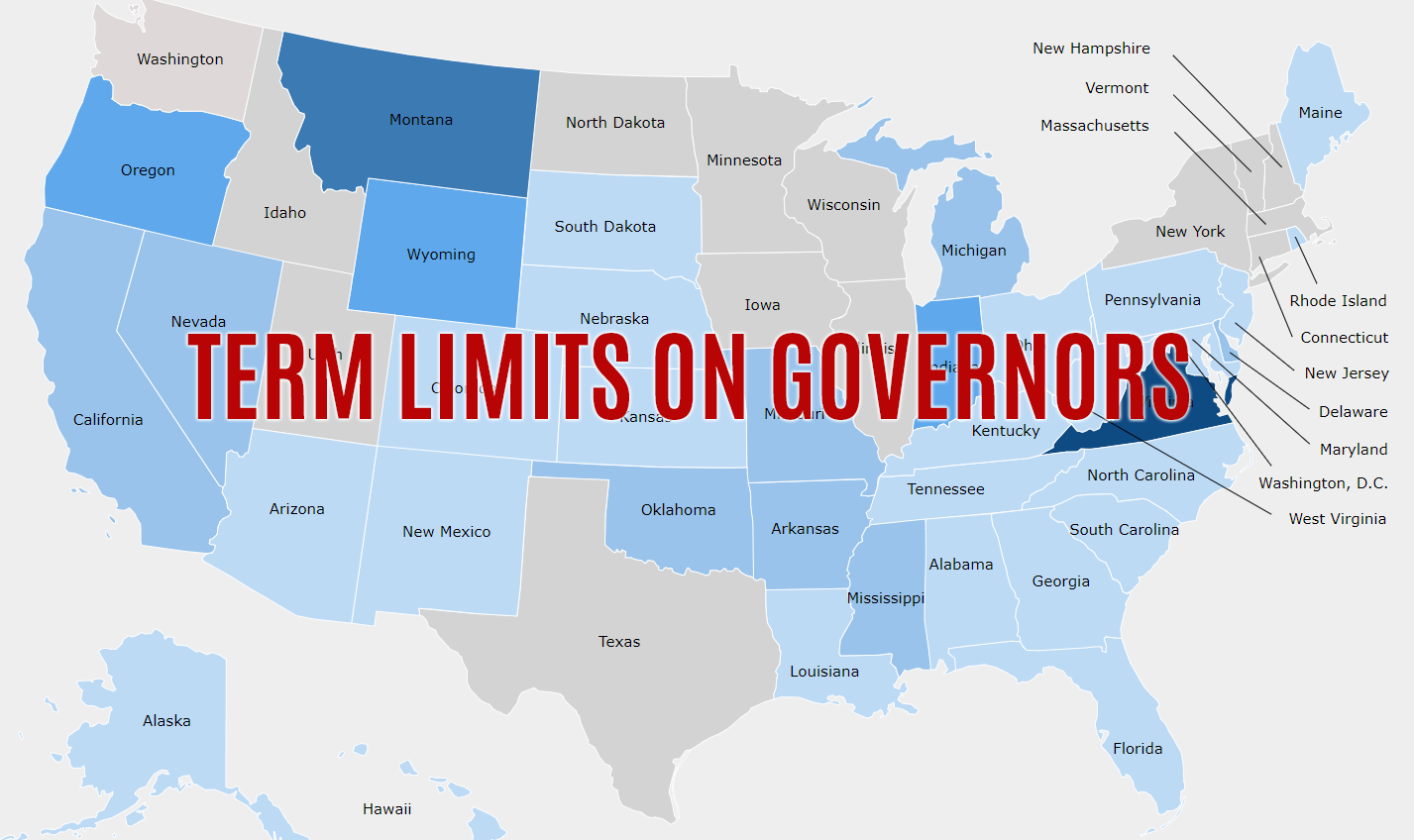
The primary mechanism for establishing term limits in Florida is through its state constitution. In 1992, voters approved a constitutional amendment that imposed term limits on various state and local elected officials, including the governor, lieutenant governor, cabinet members (Attorney General, Chief Financial Officer, and Commissioner of Agriculture), state legislators, and county constitutional officers.
Under this amendment, the governor is limited to serving two consecutive four-year terms. This means a governor can be re-elected for a second term, but after completing that second consecutive term, they are ineligible to run for governor again immediately. They must leave office for at least one full four-year term before they can seek the governorship once more. This provision aims to ensure a regular infusion of new leadership and prevent long-term entrenchment.
Historical Context and Rationale
The push for term limits in Florida, as in many other states, stemmed from a growing public sentiment that elected officials were becoming too entrenched and unresponsive to the needs of their constituents. Proponents argued that term limits would:
- Increase Fresh Perspectives: New leaders would bring new ideas and approaches to governance.
- Reduce Incumbency Advantage: Level the playing field for challengers.
- Prevent Corruption: Reduce the opportunities for long-term power accumulation and potential abuses.
- Promote Citizen Engagement: Encourage more individuals to run for office, knowing there was a defined endpoint.
The amendment was a significant political event, reflecting a desire for accountability and a desire to move away from career politicians holding continuous office. It has had a profound impact on the state’s political dynamics since its inception.
Implications for Florida’s Governance and Tourism
The existence of gubernatorial term limits in Florida has several significant implications, not only for the state’s internal politics and economic development but also for its vast tourism industry.
Policy Consistency and Change
Term limits can lead to a dynamic where major policy initiatives are either accelerated or face a natural endpoint. A governor serving their second and final term might be more inclined to pursue ambitious, legacy-defining projects, knowing they cannot be held accountable for their long-term consequences in the same office. Conversely, the prospect of a new administration can create uncertainty for long-term investments and planning, particularly in sectors that rely on stable state policies, such as the tourism and hospitality industries.

For instance, policies related to environmental protection, infrastructure development (crucial for areas like the Everglades National Park or Miami Beach), and economic incentives for tourism businesses can be subject to shifts with each new administration. While continuity is often desired, the infusion of new leadership also brings the possibility of innovative solutions and a fresh approach to challenges faced by the state’s popular destinations.
Political Landscape and Candidate Pool
The two-term limit shapes the strategies of aspiring politicians. It creates predictable openings for higher office, influencing the career paths of lieutenant governors, cabinet members, and state legislators who may see the governorship as a viable next step after a governor’s tenure concludes. This can lead to more competitive races for governor as individuals and their political factions position themselves for these future opportunities.
This political dynamism can indirectly affect tourism. A stable political climate, while sometimes achieved through long-serving leaders, can also be fostered by a predictable and competitive electoral process. Voters, aware of the term limits, can plan their political engagement, and candidates understand the electoral cycles.
Impact on Tourism Development and Marketing
The tourism industry in Florida is a cornerstone of its economy, attracting millions of visitors annually to destinations like Orlando, Tampa Bay, and the Florida Keys. Governors often play a significant role in promoting the state as a travel destination, supporting tourism infrastructure, and advocating for policies that benefit the industry.
With term limits, there’s a potential for both continuity and change in the state’s approach to tourism marketing and development. A governor nearing the end of their term might continue existing successful tourism initiatives, while a new governor could introduce a different strategic vision. This requires the Visit Florida organization and other tourism stakeholders to adapt their strategies to potentially shifting political priorities. The consistent election cycles, however, ensure that the importance of tourism is always a consideration for candidates seeking statewide office.
Navigating the Two-Term Limit
The two-term limit for the governor in Florida is a well-established feature of the state’s governance. Understanding this structure is essential for citizens and those who engage with the state’s economy and culture.
The Re-election Process
A Florida governor can serve a maximum of eight consecutive years. To do so, they must win re-election after their first four-year term. This process involves campaigning, engaging with voters, and presenting a platform for their second term. The incumbent governor’s record from their first term becomes a key point of discussion and evaluation during the re-election campaign.
Post-Term Limit Options
Once a governor has served two consecutive terms, they are termed out of the office of governor. However, this does not necessarily mean the end of their public service career. They can potentially run for other elected positions in the future, provided those offices do not have their own term limits that would preclude them, or if they choose to wait out a full term before seeking the governorship again. This provision allows for experienced leaders to potentially return to public service in different capacities after a period out of office.

Conclusion: A Dynamic Leadership Model
In conclusion, Florida does indeed have governor term limits, specifically a two-consecutive-term limit. This constitutional provision has shaped the state’s political landscape and continues to influence its governance, policy-making, and economic strategies, including those vital to its robust tourism sector. The term limits ensure a regular transition of leadership, fostering an environment where fresh ideas can emerge while also necessitating adaptability from various sectors, including the thriving tourism industry that draws visitors to the Sunshine State year after year. This model of dynamic leadership contributes to the ongoing evolution of Florida as a state of opportunity and a premier global destination.
LifeOutOfTheBox is a participant in the Amazon Services LLC Associates Program, an affiliate advertising program designed to provide a means for sites to earn advertising fees by advertising and linking to Amazon.com. Amazon, the Amazon logo, AmazonSupply, and the AmazonSupply logo are trademarks of Amazon.com, Inc. or its affiliates. As an Amazon Associate we earn affiliate commissions from qualifying purchases.