
Florida, often lauded for its sun-drenched beaches and vibrant theme parks, is also a state that experiences its fair share of severe weather. While many visitors associate the Sunshine State primarily with hurricanes and tropical storms, understanding its tornado risk is crucial for both residents and tourists. This comprehensive guide delves into the presence and effectiveness of tornado sirens across Florida, offering insights for those planning a visit or looking to enhance their preparedness within the state.
Understanding Tornado Risk in Florida
While not as notorious for tornadoes as states in Tornado Alley like Texas or Oklahoma, Florida does experience a significant number of tornadoes annually. The state’s unique geographical position, coupled with warm, moist air from the Gulf of Mexico and the Atlantic Ocean, creates conditions conducive to severe thunderstorm development. These storms can, in turn, spawn tornadoes, particularly during the spring and early summer months.

Tornado Season and Activity Patterns
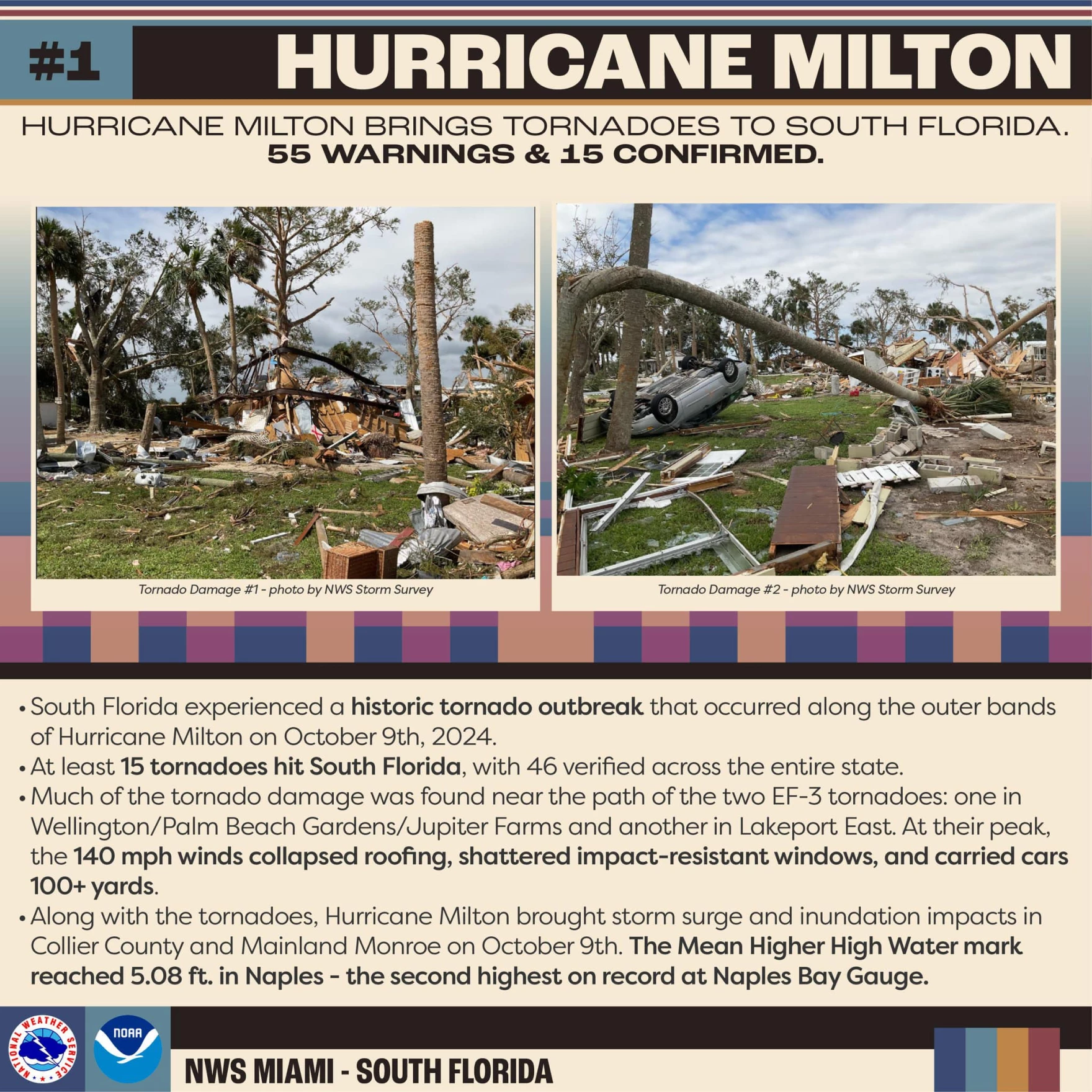
Florida’s tornado activity tends to peak between February and May, though tornadoes can occur at any time of year. Unlike the supercells often associated with classic tornado outbreaks in the central United States, Florida tornadoes are frequently spawned by landfalling tropical cyclones or by cold fronts moving across the peninsula. They are often shorter-lived and less intense than their Plains counterparts, but they can still cause considerable damage and pose a serious threat.
The western panhandle of Florida, for instance, can see increased activity due to its proximity to weather systems developing over the Gulf of Mexico. Inland areas, particularly those with a higher density of mobile home parks, are also vulnerable. Understanding these patterns is the first step in appreciating the need for robust warning systems.
Types of Tornadoes in Florida
The tornadoes that affect Florida can vary. While strong, long-track tornadoes are less common, waterspouts that move ashore and strengthen into tornadoes are a distinct possibility. These can emerge suddenly, making timely warnings essential. Furthermore, the frequent thunderstorms that dot Florida’s landscape can produce “landspouts,” which form under developing cumulus clouds without the need for a rotating updraft in the parent storm, further complicating prediction and warning efforts.
The Role of Tornado Sirens in Florida
The question of whether Florida has tornado sirens is complex. Unlike many landlocked states with established outdoor siren networks for a variety of threats, the situation in Florida is more nuanced and often relies on a combination of warning methods.
Official Stance and Local Implementation
There is no statewide mandate requiring every municipality in Florida to install and maintain a comprehensive network of outdoor tornado sirens. This means that the presence and operational status of these sirens can vary significantly from county to county and even city to city. Some larger metropolitan areas or counties with a history of significant tornado damage may have invested in siren systems, while many smaller towns and rural areas may not.
The decision to implement siren systems is typically made at the local government level, influenced by factors such as perceived tornado risk, budget constraints, and population density. Emergency management agencies at the county level are responsible for the installation, maintenance, and activation of any sirens they operate.
Limitations and Alternatives
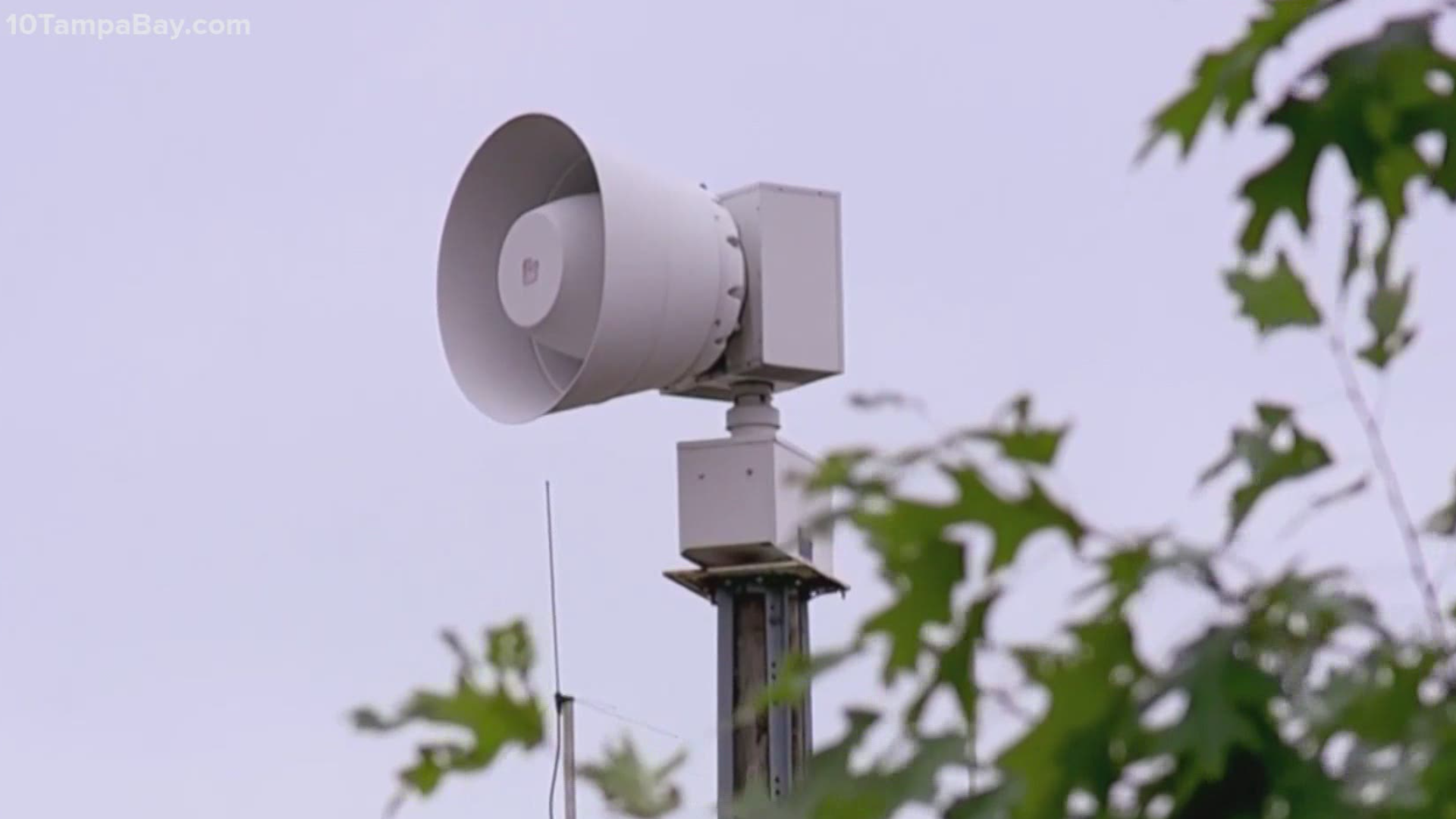
Even where sirens exist, their effectiveness can be limited. Sirens are designed to alert people who are outdoors or near windows. They are not effective for individuals inside well-built homes, businesses, or hotels. Moreover, sirens can be muffled by wind, rain, and urban noise.
Given these limitations, Florida emergency management officials often emphasize a multi-layered approach to tornado warnings. This includes:
- Emergency Alert System (EAS): Broadcasts warnings over radio and television.
- Wireless Emergency Alerts (WEA): Sends text-like messages directly to mobile phones.
- NOAA Weather Radio: Provides continuous weather updates and alerts.
- Local Emergency Sirens (where available): Used to alert those outdoors or in vulnerable structures.
- Social Media and Local News Outlets: Often used to disseminate information quickly.
Tornado Preparedness for Travelers and Residents
Whether you are a tourist planning a vacation to Orlando to visit Walt Disney World Resort or a long-term resident of Miami, understanding how to stay informed about tornado threats is paramount.
Staying Informed During Your Visit
For travelers, preparedness begins before you even leave home.
Before You Travel
- Check the Forecast: Monitor weather forecasts for your destination throughout your trip, especially during the spring and summer months.
- Familiarize Yourself with Your Accommodation: When checking into your hotel, resort, or vacation rental, identify the safest place within the building. This is typically an interior room on the lowest floor, away from windows. Ask the hotel staff about their emergency procedures. Many resorts, like those in the Florida Keys, have specific protocols for severe weather.
- Download Weather Apps: Install reliable weather applications on your smartphone that provide real-time alerts for severe weather.
During Your Stay
- Pay Attention to Local Alerts: If a tornado watch is issued for the area you are visiting, it means conditions are favorable for tornadoes to develop. A tornado warning means a tornado has been sighted or indicated by radar, and immediate action is required.
- Listen for Siren Sounds: While not universally present, be aware of any siren sounds in your vicinity. However, do not solely rely on sirens for warnings.
- Seek Shelter Immediately: If a tornado warning is issued and you are in a vulnerable location, seek sturdy shelter immediately. This might mean heading to the designated safe area in your hotel, a basement if available, or an interior room. For those at popular attractions like Universal Studios Florida, follow the guidance of park staff, who are trained to move guests to safe interior locations.
Preparedness for Florida Residents
For residents, a proactive approach is key.
Developing a Family Emergency Plan
- Identify Safe Rooms: Designate a safe room in your home – typically a basement, storm cellar, or an interior bathroom or closet on the lowest floor.
- Practice Drills: Conduct regular tornado drills with your family so everyone knows where to go and what to do.
- Assemble a Disaster Kit: Prepare a kit with essential supplies, including water, non-perishable food, a first-aid kit, flashlights, batteries, a battery-powered or hand-crank radio, medications, and important documents.
Understanding Warning Systems
- Sign up for Local Alerts: Register for your county’s emergency notification system. These systems can send alerts directly to your phone or email.
- Invest in a NOAA Weather Radio: A NOAA Weather Radio with a tone alert feature is an invaluable tool for receiving immediate weather warnings directly from the National Weather Service.
- Stay Informed via Multiple Channels: Do not rely on a single source of information. Monitor local news, radio, weather apps, and official social media accounts.
Conclusion: A Layered Approach to Safety
In conclusion, while Florida does not possess a ubiquitous network of tornado sirens across every town and city, the state does employ various methods to warn its residents and visitors of impending tornado threats. The absence of widespread sirens underscores the importance of personal preparedness and the utilization of modern technology, such as wireless emergency alerts and reliable weather apps. By staying informed, understanding the local risk, and having a plan in place, individuals can significantly enhance their safety when severe weather strikes in the Sunshine State, ensuring that a vacation to Key West or a residency in Tampa remains a pleasant experience, even in the face of meteorological challenges.
LifeOutOfTheBox is a participant in the Amazon Services LLC Associates Program, an affiliate advertising program designed to provide a means for sites to earn advertising fees by advertising and linking to Amazon.com. Amazon, the Amazon logo, AmazonSupply, and the AmazonSupply logo are trademarks of Amazon.com, Inc. or its affiliates. As an Amazon Associate we earn affiliate commissions from qualifying purchases.