
Florida’s wild landscapes, from the Everglades National Park to the rolling hills of the Panhandle, evoke images of unique wildlife. When one thinks of iconic predators in the Sunshine State, alligators, panthers, and black bears often come to mind. However, the question of whether wolves inhabit Florida’s natural spaces is a fascinating one, often leading to confusion and misconceptions. This exploration delves into the historical presence, current status, and potential for wolves in the diverse ecosystems of Florida.
A Look Back: Wolves in Florida’s Past
To understand the current situation, it’s crucial to examine the historical distribution of wolves in North America and specifically in the southeastern United States. For millennia, wolves were integral to the ecological balance of this region. The species most commonly associated with the southeastern United States was the red wolf (Canis rufus).
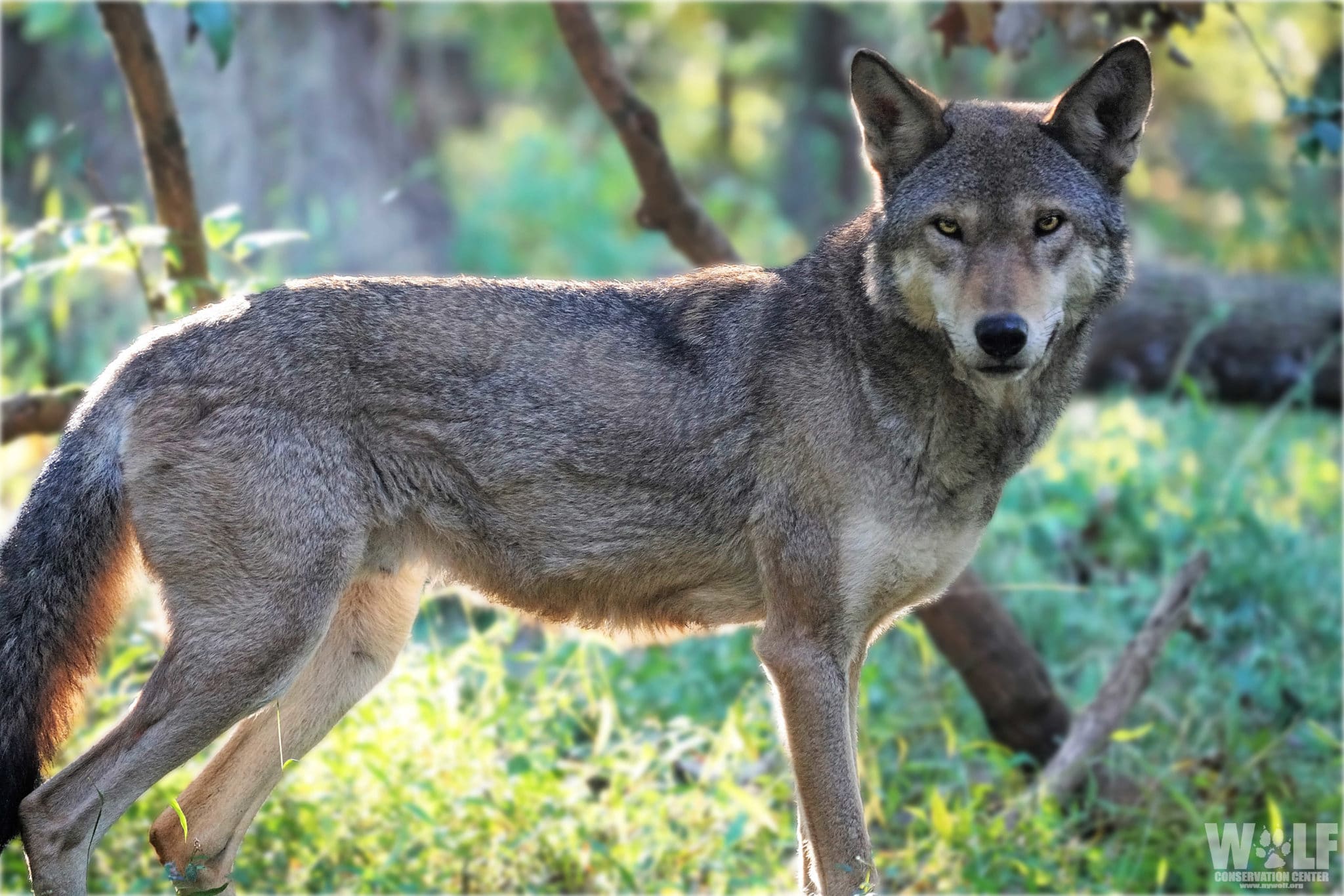
The Red Wolf’s Historical Range
The red wolf once roamed widely across the eastern and central United States, with its historical range extending from the Atlantic coast to the Great Plains and from the Great Lakes down into Texas and Florida. These adaptable canids played a vital role in controlling populations of prey animals like deer and other herbivores, influencing vegetation patterns and maintaining the health of the ecosystem. Early European settlers and naturalists documented their presence in Florida, noting their ecological significance.
Factors Leading to Decline
Several factors contributed to the dramatic decline of the red wolf population in Florida and across its range. Habitat loss and fragmentation due to agricultural expansion and human settlement were primary drivers. Additionally, red wolves were often perceived as threats to livestock, leading to widespread hunting and eradication efforts. By the mid-20th century, the red wolf was on the brink of extinction, with wild populations virtually disappearing.
The Modern Status: Reintroduction and Recovery Efforts
The story of wolves in Florida is not solely about their disappearance; it also involves dedicated efforts towards their recovery and reintroduction. Recognizing the ecological void left by the absence of apex predators, conservationists and wildlife agencies began exploring the possibility of bringing the red wolf back to its ancestral territories.
The Red Wolf Reintroduction Program
The most significant initiative aimed at restoring wolves to the southeastern United States has been the U.S. Fish and Wildlife Service (USFWS) Red Wolf Recovery Program. This program, initiated in the late 1980s, focused on reintroducing the species to areas where they had been extirpated. While the primary focus of this program has historically been in North Carolina, understanding its implications for Florida is crucial.
The red wolf is genetically distinct from the gray wolf (Canis lupus), which is typically associated with more northern and western regions of North America. The recovery efforts have centered on the red wolf’s unique adaptations and its role in southeastern ecosystems. The program involved breeding wolves in captivity and then releasing them into carefully selected wild areas.
Challenges and Setbacks
Despite considerable effort and initial successes, the red wolf recovery program has faced significant challenges. Legal battles, changes in policy, and ongoing conflicts with landowners have impacted the program’s effectiveness and the sustainability of wild wolf populations. In some areas, the program has been scaled back or ended, leading to a reduction in the number of wild red wolves.
For Florida specifically, while the red wolf recovery program has not established a self-sustaining wild population within the state in recent decades, the possibility and historical precedent are important. Understanding the ecological requirements and potential habitat suitability remains a topic of discussion among wildlife biologists. The state’s vast wilderness areas, though fragmented, could theoretically support a recovered wolf population if managed effectively and with public support.
What About Gray Wolves in Florida?
Given the widespread perception of wolves in North America, it’s natural to question the presence of gray wolves in Florida. However, the ecological niche and historical distribution of gray wolves differ significantly from those of the red wolf.
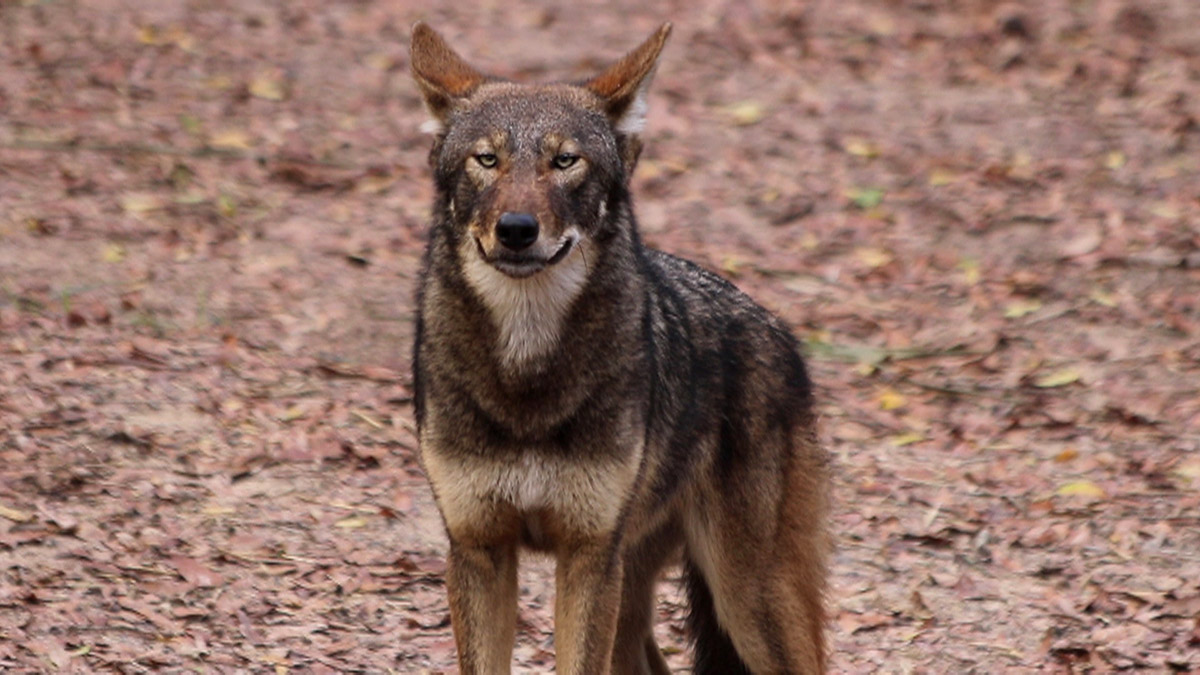
Gray Wolf Distribution
Gray wolves are historically found in the northern latitudes of North America, including the boreal forests and mountains of Canada, Alaska, the northern United States (such as the Rocky Mountains and the Great Lakes region), and parts of Eurasia. Their habitat preferences lean towards larger, more contiguous wilderness areas, often with colder climates and a different prey base compared to the subtropical environment of Florida.
Habitat and Prey Considerations
Florida’s climate, vegetation, and the types of prey available are not typically considered ideal for sustaining a viable population of gray wolves. The state’s warm, humid climate and the prevalence of species like white-tailed deer, which are smaller than the elk and moose that form a significant part of the gray wolf’s diet in other regions, present a less suitable environment. Furthermore, the dense human population and extensive development across much of Florida create significant habitat fragmentation, which is a major deterrent for a wide-ranging predator like the gray wolf. Therefore, established wild populations of gray wolves are not found in Florida.
Identifying Florida’s Canids: Red Wolves vs. Coyotes
The question of “wolves” in Florida can sometimes be complicated by the presence of other canid species, particularly coyotes. Misidentification can lead to confusion about the presence of wolves.
The Rise of the Eastern Coyote
Over the past century, the coyote (Canis latrans) has expanded its range eastward across North America, including into Florida. The coyotes found in the southeastern United States, often referred to as eastern coyotes or coywolves, are genetically distinct from their western counterparts. They exhibit some hybridization with gray wolves and possibly red wolves in their genetic makeup, leading to larger body sizes and broader dietary habits than typical western coyotes. This has sometimes led to speculation about whether these animals are actually red wolves or a new wolf species.
However, these eastern coyotes are not red wolves. While they are canids, they belong to a different species and have different ecological roles and characteristics. Red wolves are significantly larger than coyotes and have distinct physical features and behaviors.
Distinguishing Features
Red wolves are typically larger and leaner than coyotes, with longer legs and a more slender muzzle. Their coat color often ranges from reddish-gray to buffy gray, with less variation than seen in coyotes. Behaviorally, red wolves are known to form more stable pack structures and occupy a higher trophic level in the ecosystem, preying on larger animals. Coyotes, on the other hand, are more adaptable generalists, often scavenging and preying on smaller mammals, birds, and fruits.
It is crucial for conservation efforts and public understanding to accurately distinguish between these species. The USFWS has stated that the coyotes present in regions historically occupied by red wolves are not red wolves, reinforcing the need for precise identification.
The Future of Wolves in the Sunshine State
The question of whether wolves belong in Florida is a complex one, involving ecological, historical, and social considerations. While wild wolf populations are not currently established in the state, the potential for their return remains a subject of interest.
Conservation Potential and Challenges
The vastness of some of Florida’s wilderness areas, such as the Big Cypress National Preserve and portions of the Ocala National Forest, could theoretically offer suitable habitat for red wolves, provided these areas are sufficiently large and connected. However, the primary challenges to reintroduction are significant. These include the need for extensive habitat corridors, the management of human-wildlife conflict, public acceptance, and the availability of sufficient prey populations.
The current status of the red wolf recovery program, with its challenges in North Carolina, also casts a shadow over potential future efforts in Florida. Any future reintroduction would likely require a robust, well-funded, and politically supported program, alongside significant public engagement and education.

Tourism and Wildlife Viewing
For travelers and nature enthusiasts visiting Florida, the experience of its wildlife is a significant draw. While spotting a wolf in the wild is highly improbable, the state’s rich biodiversity offers abundant opportunities to observe other fascinating creatures. From manatees and dolphins in the coastal waters to black bears and elusive Florida panthers in its wilderness areas, the Sunshine State remains a premier destination for wildlife encounters. Understanding the historical context of wolves and the ongoing conservation of other apex predators adds a deeper layer to the appreciation of Florida’s natural heritage. The conversation about wolves in Florida is thus less about present-day sightings and more about conservation history, ecological restoration, and the potential for nature’s return to its rightful place.
LifeOutOfTheBox is a participant in the Amazon Services LLC Associates Program, an affiliate advertising program designed to provide a means for sites to earn advertising fees by advertising and linking to Amazon.com. Amazon, the Amazon logo, AmazonSupply, and the AmazonSupply logo are trademarks of Amazon.com, Inc. or its affiliates. As an Amazon Associate we earn affiliate commissions from qualifying purchases.