
Florida, often called the “Sunshine State,” conjures images of perpetual sunshine, sandy beaches, and vibrant tourism. While the state undeniably basks in ample sunlight, the question of its solar panel adoption warrants a deeper exploration beyond mere climate. Understanding Florida’s embrace of solar energy requires examining its historical context, current policies, the economics driving its growth, and the tangible impact on its burgeoning tourism sector. The state’s journey with solar is a dynamic one, influenced by a confluence of environmental consciousness, economic incentives, and the ever-present need to power its vast array of attractions and accommodations.

The Sunshine State’s Solar Trajectory
Florida’s relationship with solar power has evolved significantly over the past few decades. While early adoption was relatively slow, a combination of falling technology costs, increasing environmental awareness, and supportive governmental policies has accelerated its growth. The state’s natural endowment of sunshine presents a compelling economic and environmental argument for solar energy. Unlike many other states that face prolonged periods of cloud cover or extreme weather that can disrupt energy generation, Florida’s consistent sunshine offers a stable and predictable source of renewable power. This inherent advantage positions Florida as a prime candidate for large-scale solar deployment, not just for residential use but also for the energy demands of its massive tourism infrastructure.
Early Adoption and Policy Shifts
In the initial phases of solar technology development, the high cost of panels and installation was a significant barrier to widespread adoption across the United States, and Florida was no exception. However, as the technology matured and manufacturing scaled up, the price of solar photovoltaic (PV) systems began a dramatic descent. This economic shift was a critical catalyst. Concurrently, a growing understanding of climate change and the desire for energy independence spurred a national conversation about renewable energy.
Florida, like many states, began to implement policies aimed at encouraging solar adoption. These policies often included tax incentives, net metering programs, and renewable energy portfolio standards. Net metering, in particular, proved to be a crucial element, allowing homeowners and businesses that generated their own electricity from solar panels to receive credit on their utility bills for the excess energy they sent back to the grid. This not only reduced electricity costs for solar owners but also provided a tangible return on investment, making solar a more attractive option.
The Growth of Solar Farms
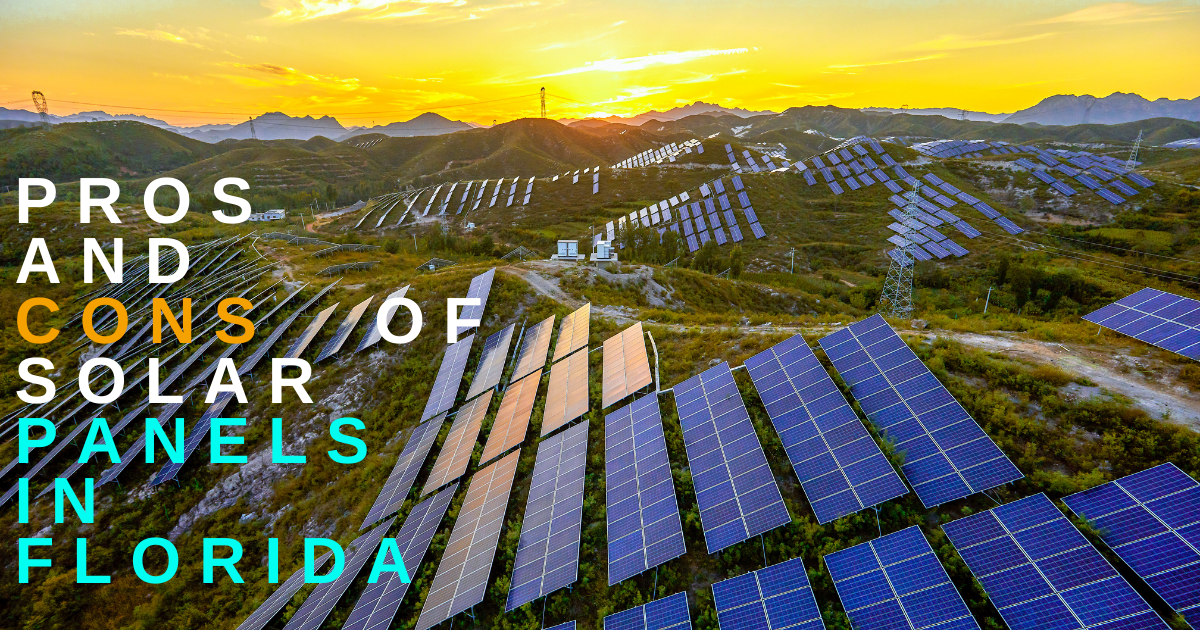
Beyond residential installations, Florida has witnessed a significant expansion of large-scale solar farms. These utility-scale projects are vital for meeting the energy needs of a state with a rapidly growing population and a massive tourism industry. Major utility companies have invested heavily in developing these solar farms, recognizing both the environmental benefits and the long-term cost savings associated with renewable energy. The vast, open tracts of land available in many parts of Florida, particularly in its central and northern regions, have been ideal for housing these expansive solar arrays. Cities like Orlando, Tampa, and Jacksonville are becoming hubs for significant solar development, contributing to the state’s overall renewable energy capacity.
Solar’s Impact on Florida’s Tourism Ecosystem
The widespread adoption of solar energy in Florida has a direct and multifaceted impact on its tourism industry. From the hotels and resorts that host millions of visitors annually to the theme parks and attractions that draw global crowds, the energy demands are immense. Leveraging solar power offers a way to mitigate these costs, enhance sustainability credentials, and appeal to an increasingly eco-conscious traveler.
Sustainable Stays and Eco-Tourism
As travelers become more aware of their environmental footprint, the sustainability practices of hotels and resorts are increasingly influencing booking decisions. Florida’s tourism sector has responded by integrating renewable energy solutions. Many of the state’s prominent hotels and resorts are now incorporating solar panels into their infrastructure. This includes rooftop installations on guest wings, administrative buildings, and even carports.

For instance, major resort complexes in destinations like Miami and the Florida Keys are actively pursuing solar initiatives. These efforts not only reduce their operational carbon emissions but also provide a compelling marketing angle. Travelers can now choose accommodations that align with their values, seeking out “green” hotels that demonstrate a commitment to environmental responsibility. This trend is particularly strong in areas where natural beauty is a primary draw, such as the coastal regions and the Everglades National Park.
Powering Attractions and Theme Parks
Florida’s iconic theme parks, such as those in Orlando, are massive consumers of electricity. The energy required to power rides, light up elaborate nighttime shows, and maintain climate-controlled environments is substantial. In response, many of these entertainment giants have invested significantly in solar energy. Disney World, for example, has developed large solar farms to power its operations, demonstrating a commitment to sustainability on a grand scale. Similarly, Universal Orlando Resort and other major attractions are exploring and implementing solar solutions to offset their energy consumption and reduce their environmental impact. This not only helps manage escalating energy costs but also bolsters their image as responsible corporate citizens.
Economic Benefits for Businesses and Visitors
The economic advantages of solar energy extend beyond cost savings for businesses. By reducing their reliance on volatile fossil fuel markets, businesses in the tourism sector can achieve greater cost predictability, which can translate into more stable pricing for accommodations and attractions. Furthermore, a commitment to sustainability can enhance brand reputation and attract a wider customer base.
For visitors, this can mean enjoying their vacation knowing that the energy powering their experience is cleaner and more sustainable. It contributes to a more positive overall impression of Florida as a destination that values its natural resources and is actively working to preserve them for future generations. The reduction in greenhouse gas emissions associated with widespread solar adoption also contributes to cleaner air and a healthier environment, which are direct benefits to anyone visiting the state.
Challenges and Future Outlook
Despite the impressive growth, Florida’s solar journey is not without its challenges. Navigating regulatory landscapes, ensuring grid stability with a higher penetration of intermittent renewable energy, and addressing upfront installation costs remain areas of focus. However, the overarching trend is one of continued expansion and innovation.
Regulatory and Grid Integration Issues
The integration of a large volume of solar energy into the state’s existing power grid requires careful planning and investment. Utility companies must manage the intermittent nature of solar power, ensuring a consistent and reliable supply of electricity even when the sun is not shining. This often involves investing in energy storage solutions, such as batteries, and upgrading grid infrastructure.
Furthermore, the regulatory environment surrounding solar energy can be complex. Debates over net metering policies, interconnection standards, and solar tax credits can influence the pace of adoption. Policymakers in Florida are continuously working to strike a balance between encouraging renewable energy growth and ensuring the stability and affordability of the electricity grid for all consumers.
The Future of Solar in the Sunshine State
The future of solar energy in Florida appears bright, mirroring the state’s abundant sunshine. As technology continues to improve and costs decline, solar power is expected to play an even larger role in meeting the state’s energy demands. Continued investment in solar farms, coupled with increasing residential and commercial rooftop installations, will be crucial.
Moreover, the synergy between solar energy and the tourism industry is likely to deepen. As more businesses and attractions embrace sustainable practices, Florida will solidify its reputation not only as a premier tourist destination but also as a leader in renewable energy adoption. This creates a virtuous cycle where environmental stewardship and economic prosperity go hand in hand, ensuring the long-term appeal and resilience of the Sunshine State. The ongoing commitment to solar power by entities like Florida Power & Light and Duke Energy Florida underscores this forward-looking approach, promising a cleaner and more sustainable energy future for all Floridians and its visitors.
LifeOutOfTheBox is a participant in the Amazon Services LLC Associates Program, an affiliate advertising program designed to provide a means for sites to earn advertising fees by advertising and linking to Amazon.com. Amazon, the Amazon logo, AmazonSupply, and the AmazonSupply logo are trademarks of Amazon.com, Inc. or its affiliates. As an Amazon Associate we earn affiliate commissions from qualifying purchases.