
The Sunshine State. Land of perpetual warmth and endless blue skies. For many, the allure of Florida conjures images of sun-drenched beaches, vibrant theme parks, and an almost mythical guarantee of pleasant weather. But does this idyllic vision hold true? The question, “Does It Rain Every Day In Florida?”, is a common one for prospective visitors and new residents alike, often stemming from a general understanding of its subtropical climate. The reality, however, is more nuanced than a simple yes or no. While Florida does experience frequent rainfall, it’s far from a daily deluge across the entire state, year-round. Understanding the patterns and types of rain is key to appreciating the unique weather tapestry of this popular destination.
Understanding Florida’s Tropical Climate
Florida, situated in the southeastern United States, is predominantly a subtropical and tropical climate zone. This classification is the primary driver behind its weather patterns, including its rainfall. The state’s geography, surrounded by the Atlantic Ocean to the east and the Gulf of Mexico to the west, plays a significant role in moderating temperatures and increasing humidity, which in turn fuels precipitation.
The Impact of Humidity
High humidity is a hallmark of Florida’s climate. This moisture-laden air is crucial for cloud formation and subsequent rainfall. During warmer months, as the sun heats the land and water, moisture evaporates and rises. When this warm, moist air encounters cooler air masses, condensation occurs, forming clouds. These clouds can rapidly develop into rain-producing systems, especially in the afternoon. This is why a common Florida weather phenomenon is the afternoon thunderstorm.
Regional Variations in Rainfall
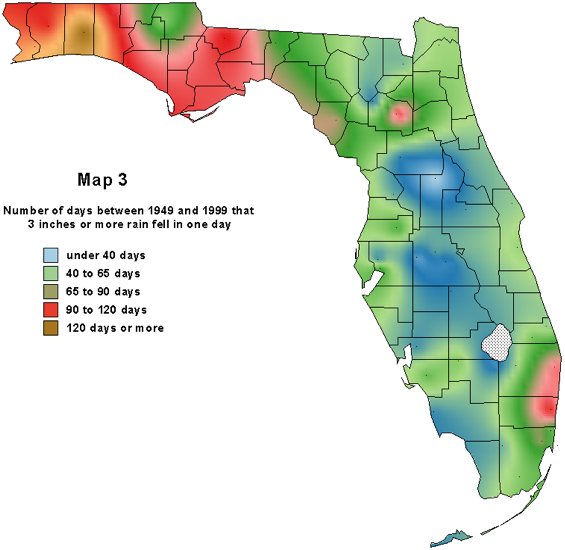
It’s important to recognize that Florida is not a monolithic entity when it comes to weather. There are regional variations in rainfall patterns. For instance, the western and southern parts of the state, particularly along the Gulf Coast, tend to receive more rainfall than the eastern coast. This is partly due to the prevailing winds and the influence of the Gulf of Mexico. Cities like Miami, known for its vibrant atmosphere and beautiful beaches, experience a distinct wet season.
Florida’s Distinct Rainy Seasons
The concept of “rainy season” is more applicable to Florida than a constant, daily downpour. The state experiences two primary seasons that significantly impact its rainfall: the dry season and the wet season.
The Dry Season (Approximately November to April)
During the dry season, Florida experiences its most pleasant weather. While not entirely devoid of rain, precipitation becomes less frequent and generally less intense. Temperatures are cooler, and humidity levels are lower, making it an ideal time for outdoor activities and exploring attractions like Walt Disney World or Universal Studios Florida. Rainfall during this period is often a result of cold fronts moving through the state from the north, bringing with them transient showers rather than prolonged periods of rain. This season is a significant draw for tourists seeking sunshine and comfortable temperatures.
The Wet Season (Approximately May to October)

The wet season is when the answer to “Does It Rain Every Day In Florida?” leans towards a more frequent yes, though still not guaranteed. This period is characterized by higher temperatures, increased humidity, and a significant rise in rainfall. The primary culprit is the interaction of heat, humidity, and atmospheric instability, which leads to the formation of daily, localized thunderstorms.
The Nature of Wet Season Rain
- Afternoon Thunderstorms: These are the quintessential wet season rain events. They typically develop rapidly in the afternoon, often between 2 PM and 5 PM. They can be intense, with heavy downpours, thunder, and lightning, but they are usually short-lived, often lasting from 30 minutes to an hour. Following the storm, the skies can clear just as quickly, leaving behind the refreshed scent of rain-soaked earth and a still-warm environment.
- Convective Rainfall: This type of rainfall is driven by the convection of warm, moist air rising and cooling. It’s highly localized, meaning one neighborhood might experience a heavy downpour while another just a few miles away remains dry. This is why a visitor in Orlando might see a quick shower, while someone in Tampa at the same time experiences clear skies.
- Tropical Storms and Hurricanes: While not a daily occurrence, the wet season is also the period when Florida is most vulnerable to tropical storms and hurricanes. These systems can bring widespread, prolonged, and significant rainfall, sometimes lasting for days. However, these are distinct weather events and not the typical daily rain showers associated with the season. The National Hurricane Center monitors these threats closely.
Managing Expectations for a Florida Visit
For travelers planning a trip to Florida, understanding these rain patterns can help manage expectations and ensure a more enjoyable experience. The notion of a “rainy day” in Florida during the wet season might mean a brief, albeit intense, afternoon shower that passes quickly, leaving plenty of sunshine for the remainder of the day. It rarely equates to an all-day, persistent downpour that can cancel all outdoor plans, especially outside of a major storm event.
Packing for All Weathers
Even during the wet season, it’s advisable to pack for a range of conditions. Lightweight, quick-drying clothing is essential. A portable umbrella or a light, waterproof jacket is a prudent addition to any suitcase. Sunscreen remains a must, as the sun’s rays are strong even after a shower.
Flexibility in Planning
For those visiting during the wet season, a degree of flexibility in itinerary planning is beneficial. If a storm rolls in, there are numerous indoor attractions to explore. Many of Florida’s world-class museums, aquariums, and indoor entertainment venues provide excellent refuge. For example, in Miami, the Phillip and Patricia Frost Museum of Science or the Pérez Art Museum Miami offer engaging experiences. In Orlando, the vast indoor offerings of the theme parks themselves provide ample shelter.
Timing Your Visit
If a guaranteed dry spell is a top priority, planning a trip during the dry season (November to April) is the most sensible approach. This period offers the highest probability of uninterrupted sunshine and pleasant outdoor conditions, ideal for exploring natural wonders like the Everglades National Park or relaxing on the beaches of Clearwater.

Conclusion: A Spectrum of Sunshine and Showers
So, does it rain every day in Florida? No, not in the sense of constant, unending rain. The state experiences a dynamic climate with distinct wet and dry seasons. While the wet season (May-October) is characterized by frequent, often intense, but typically brief afternoon thunderstorms, the dry season (November-April) offers significantly less rainfall and more consistent sunshine. Understanding these patterns allows visitors to better prepare for their trip, manage their expectations, and ultimately, make the most of the diverse experiences that Florida has to offer, rain or shine. The allure of the Sunshine State lies not just in its abundant sunshine, but also in the refreshing, life-giving rain that punctuates its warm, vibrant landscape.
LifeOutOfTheBox is a participant in the Amazon Services LLC Associates Program, an affiliate advertising program designed to provide a means for sites to earn advertising fees by advertising and linking to Amazon.com. Amazon, the Amazon logo, AmazonSupply, and the AmazonSupply logo are trademarks of Amazon.com, Inc. or its affiliates. As an Amazon Associate we earn affiliate commissions from qualifying purchases.