
Wisteria, with its cascading floral displays, evokes images of ancient European gardens and Southern charm. Many travelers and nature enthusiasts dream of experiencing its fragrant beauty firsthand, often associating it with historic estates and picturesque landscapes. However, for those planning a visit to the Sunshine State, a pressing question arises: can this beloved vine thrive in Florida’s unique climate? The answer, like many things in nature, is nuanced, depending heavily on the specific species of wisteria and the microclimate within Florida. Understanding these distinctions is crucial for anyone seeking to admire or cultivate these stunning flowering plants across the state, from the rolling hills of North Florida to the coastal plains of the South.
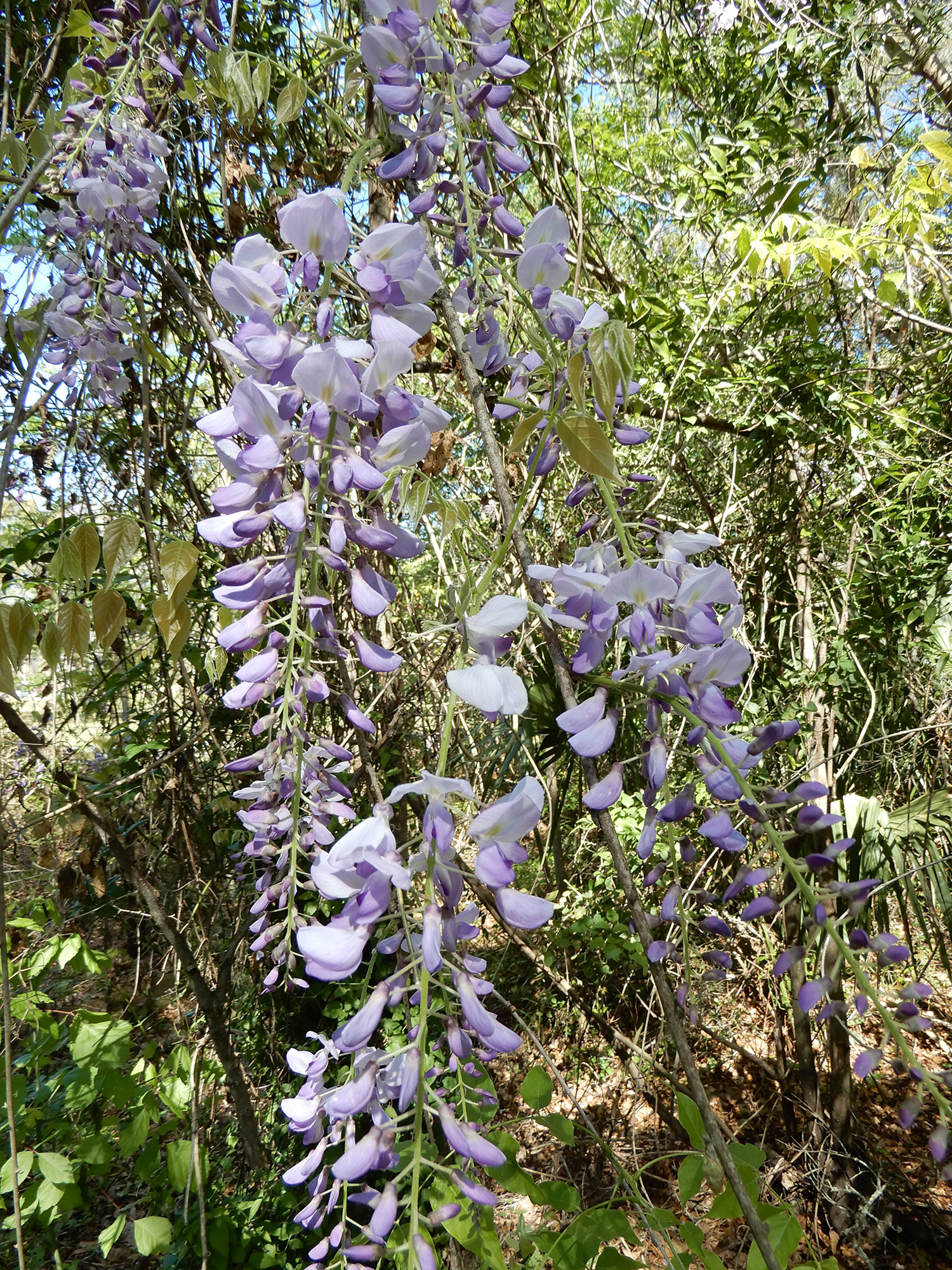
Understanding Wisteria Species and Their Florida Suitability
The genus Wisteria encompasses several species, each with distinct characteristics and varying degrees of adaptability to different environments. When considering wisteria in Florida, it’s essential to differentiate between the Asian varieties, primarily Chinese Wisteria (Wisteria sinensis) and Japanese Wisteria (Wisteria floribunda), and the native American species, most notably American Wisteria (Wisteria frutescens) and Kentucky Wisteria (Wisteria macrostachya). This distinction is paramount, as invasive tendencies and hardiness vary significantly.
Invasive Asian Wisteria in Florida
Chinese Wisteria and Japanese Wisteria are renowned for their vigorous growth and breathtaking blooms, often featuring racemes of purple, pink, or white flowers that can reach up to two feet in length. However, these traits also contribute to their invasive nature in many parts of the United States, including sections of Florida. Their aggressive root systems and rapid vine growth allow them to overwhelm native vegetation, disrupting ecosystems and posing a significant horticultural challenge.
In North Florida, particularly in areas with milder winters and sufficient rainfall, these Asian species can become problematic. They are known to escape cultivation, colonizing natural areas, climbing and smothering trees, and outcompeting native plants for light and resources. Consequently, many Florida counties and environmental organizations actively discourage or prohibit the planting of Chinese Wisteria and Japanese Wisteria due to their detrimental impact on local biodiversity. While they might be found in older, established gardens or historic sites where they have been present for decades, their introduction into new landscapes is generally frowned upon and often illegal.
The Resilience of Native Wisteria
In stark contrast to their Asian counterparts, the native wisteria species are far better suited to Florida’s climate and possess significantly less invasive tendencies. American Wisteria, native to the southeastern United States, including Florida, offers a more manageable and ecologically sound option. Its flowers, while generally shorter and less dramatic than those of Asian varieties, are still beautiful, typically lavender-blue and fragrant. It is less aggressive and does not pose the same threat to native plant communities.
Kentucky Wisteria, though primarily found further north, can also be cultivated in some parts of Florida, particularly in the northern regions. Like American Wisteria, it is a non-invasive alternative with attractive floral displays. These native species are often more resistant to local pests and diseases and require less intensive care once established, making them ideal choices for gardeners and landowners looking to incorporate wisteria into their Florida landscapes without ecological concerns.
Cultivating Wisteria in Florida: A Gardener’s Guide
For those who are captivated by the allure of wisteria and wish to cultivate it within the Sunshine State, careful selection and mindful placement are key. The success of growing wisteria in Florida hinges on choosing the right species and providing appropriate growing conditions. This approach ensures that the beauty of wisteria can be enjoyed without contributing to ecological imbalance.
Site Selection and Soil Preparation
Regardless of the species chosen, wisteria thrives in full sun to partial shade. Adequate sunlight is essential for robust flowering. While wisteria can tolerate a range of soil types, it prefers well-draining soil. In Florida, where heavy clay soils and sandy soils are common, amending the soil with compost and organic matter is highly recommended. This improves drainage, aeration, and nutrient content, creating a more favorable environment for root development. Avoid planting wisteria in waterlogged areas, as this can lead to root rot, a common problem in Florida’s humid climate.
For native species like American Wisteria, less intensive soil preparation may be necessary, as they are adapted to local conditions. However, even they benefit from improved soil structure. When considering Asian varieties (where permissible and with extreme caution), enhancing drainage becomes even more critical due to their aggressive growth habits.
Support Structures and Pruning
Wisteria is a vigorous climber and requires a sturdy support structure to thrive. This could be a strong pergola, a robust arbor, a sturdy fence, or even a large, healthy tree (though this can make pruning and maintenance more challenging). The structure must be able to withstand the immense weight of a mature wisteria vine, which can grow to be very large and heavy.
Pruning is perhaps the most critical aspect of wisteria care, especially in Florida’s long growing season. Pruning is essential for several reasons:
- Controlling Size and Shape: Wisteria can quickly become unmanageable without regular pruning. Pruning helps maintain its desired form and prevents it from encroaching on other plants or structures.
- Encouraging Blooms: Wisteria blooms on old wood. Pruning at the correct times of the year encourages the development of flowering spurs. Two main pruning sessions are typically recommended:
- Summer Pruning (Late July to August): This involves cutting back the long, leggy shoots that have grown throughout the spring and summer. Cut these back to about six leaves or two to three buds. This helps to reduce the plant’s size and directs energy into the development of flower buds for the following year.
- Winter Pruning (Late January to February): After the plant has gone dormant, a more severe pruning can be done. This involves cutting back the side shoots (laterals) that grew from the main branches to about two or three buds. This stimulates more flowers and keeps the plant tidy.
- Preventing Invasiveness: For Asian varieties, diligent pruning is a non-negotiable task. It helps to contain the plant and prevent it from spreading unwanted seeds or suckers. In Florida, where aggressive growth is amplified by the climate, neglecting pruning can lead to significant problems.
Native wisteria species, while less vigorous, also benefit from pruning to encourage flowering and maintain shape. However, they generally require less intensive management than their invasive Asian counterparts.
Watering and Fertilization

Wisteria prefers consistent moisture, especially when young and establishing its root system. Once established, it can tolerate some drought, but prolonged dry spells can reduce flowering. Deep watering is more beneficial than frequent, shallow watering, encouraging deeper root growth. In Florida’s often rainy climate, overwatering can be a concern, so ensuring good drainage is paramount.
Fertilization for wisteria is generally not as critical as for many other flowering plants. In fact, over-fertilizing, particularly with high-nitrogen fertilizers, can promote leafy growth at the expense of flowers. A light application of a balanced, slow-release fertilizer in the spring can be beneficial, especially if the soil is poor. For native species, even less fertilization may be needed, as they are adapted to the nutrient levels of their natural habitats.
Experiencing Wisteria Blooms in Florida
While the cultivation of invasive Asian wisteria is discouraged, the opportunity to witness its breathtaking beauty still exists in Florida, often in historical settings or through carefully managed botanical gardens. Furthermore, the native species offer a more sustainable way to enjoy wisteria’s charm.
Historic Sites and Botanical Gardens
Many historic homes and gardens throughout Florida, particularly in the northern part of the state like St. Augustine or along the Natchez Trace Parkway, may feature old plantings of Chinese Wisteria. These venerable vines, sometimes centuries old, are a testament to the plant’s tenacity and enduring appeal. Visiting these locations during the spring blooming season, typically March through May depending on the specific region and cultivar, can be a magical experience. The air is thick with their sweet fragrance, and the sight of the cascading blooms against historic architecture is unforgettable.
Botanical gardens, such as the Naples Botanical Garden or the Fairchild Tropical Botanic Garden, often showcase a variety of plant species, including both native and non-native ones. These institutions are excellent places to learn about wisteria’s suitability in Florida, observe different species, and sometimes even purchase native varieties for home cultivation. They often provide educational resources about responsible gardening practices.
Enjoying Native Wisteria
For residents and visitors seeking to actively enjoy wisteria in Florida, focusing on native species is the most responsible and rewarding approach. American Wisteria can be found in the wild in many Florida habitats, adding natural beauty to the landscape. Cultivated varieties of American Wisteria and Kentucky Wisteria can be planted in home gardens, community spaces, and public parks, contributing to local aesthetics without posing an environmental threat. Their bloom times often coincide with or follow the peak season for Asian wisteria, offering a prolonged period of floral enjoyment. By choosing native species, Floridians can celebrate the beauty of wisteria while actively participating in the conservation of their state’s precious natural heritage.
The Invasive Nature and Ecological Impact
The question of whether wisteria grows in Florida is not merely a horticultural one; it carries significant ecological implications. The enthusiastic proliferation of certain wisteria species has had a discernible impact on Florida’s delicate ecosystems, leading to concerns among botanists and conservationists. Understanding this impact is vital for making informed decisions about landscaping and plant choices across the state.
Outcompeting Native Flora
Chinese Wisteria and Japanese Wisteria are notoriously aggressive. Their rapid growth rate allows them to quickly cover and smother native plants, including trees and shrubs. This canopy effect deprives understory vegetation of essential sunlight, leading to a reduction in plant diversity. The sheer weight of the wisteria vines can also cause trees to break and fall, altering the forest structure. In Florida’s diverse habitats, from pine flatwoods to hammocks, the unchecked spread of these non-native vines can devastate the natural plant communities that are home to numerous species of wildlife.
Impact on Wildlife
The ecological disruption caused by invasive wisteria extends to the animal kingdom. While the flowers may attract pollinators, the overwhelming dominance of wisteria can lead to a monoculture, reducing the variety of food sources and habitats available to native insects, birds, and other animals. Native plants provide specialized food and shelter for native fauna, and when they are outcompeted, the entire food web can be affected. For instance, certain insects rely on specific host plants for survival, and if those plants are eliminated by invasive vines, the insect populations decline, impacting the animals that feed on them.
Management and Eradication Efforts
Recognizing the threat posed by invasive wisteria, many organizations and government agencies in Florida focus on management and eradication efforts. These can include manual removal of vines, application of herbicides, and public education campaigns to discourage the planting of invasive species. In protected areas and natural lands, significant resources are often dedicated to controlling existing infestations to protect native biodiversity. For homeowners, the most effective approach is to choose native alternatives like American Wisteria and to diligently remove any invasive wisteria that may appear on their property. This proactive stance is crucial for preserving Florida’s unique natural landscapes.

Conclusion: A Blooming Future for Florida Wisteria
The question of whether wisteria grows in Florida is answered with a resounding “yes,” but with a critical caveat: the type of wisteria matters immensely. While the lush, abundant blooms of Chinese Wisteria and Japanese Wisteria are undeniably captivating, their aggressive, invasive nature makes them a problematic choice for most of the Sunshine State. Their propensity to spread aggressively and overwhelm native vegetation poses a significant threat to Florida’s ecological balance.
However, this does not mean that the dream of wisteria’s cascading beauty must be abandoned. The native species, particularly American Wisteria and, in some northern areas, Kentucky Wisteria, offer a beautiful and sustainable alternative. These indigenous vines are well-adapted to Florida’s climate, are far less invasive, and provide essential habitat and food for local wildlife. Their cultural significance, while perhaps less dramatic than their Asian cousins, is deeply rooted in the natural heritage of the region.
For gardeners and enthusiasts across Florida, the future of wisteria lies in embracing these native options. By selecting appropriate species, understanding their cultivation needs, and prioritizing ecological responsibility, Floridians can enjoy the enchanting spectacle of wisteria without compromising the state’s precious natural resources. Whether found adorning historic sites in St. Augustine or planted thoughtfully in home gardens, wisteria can continue to be a source of beauty and delight, contributing to a more vibrant and ecologically sound landscape for generations to come.
LifeOutOfTheBox is a participant in the Amazon Services LLC Associates Program, an affiliate advertising program designed to provide a means for sites to earn advertising fees by advertising and linking to Amazon.com. Amazon, the Amazon logo, AmazonSupply, and the AmazonSupply logo are trademarks of Amazon.com, Inc. or its affiliates. As an Amazon Associate we earn affiliate commissions from qualifying purchases.