
Navigating the legal landscape of Florida can be a complex undertaking, particularly when personal safety is at stake. Filing a restraining order, officially known as a Petition for Protection Against Domestic Violence, is a crucial legal mechanism designed to shield individuals from abuse, harassment, or threats. This process, while straightforward in its intent, requires careful attention to detail and adherence to specific procedures within the Florida legal system. Whether you are seeking protection for yourself or for a child, understanding the steps involved is paramount.
Understanding the Types of Protection Orders in Florida
In Florida, the term “restraining order” generally encompasses several types of protective injunctions, each tailored to specific circumstances and relationships. The most common are Domestic Violence Injunctions, Sexual Violence Injunctions, and Stalking Injunctions. Each has distinct criteria for eligibility and a different process for obtaining.
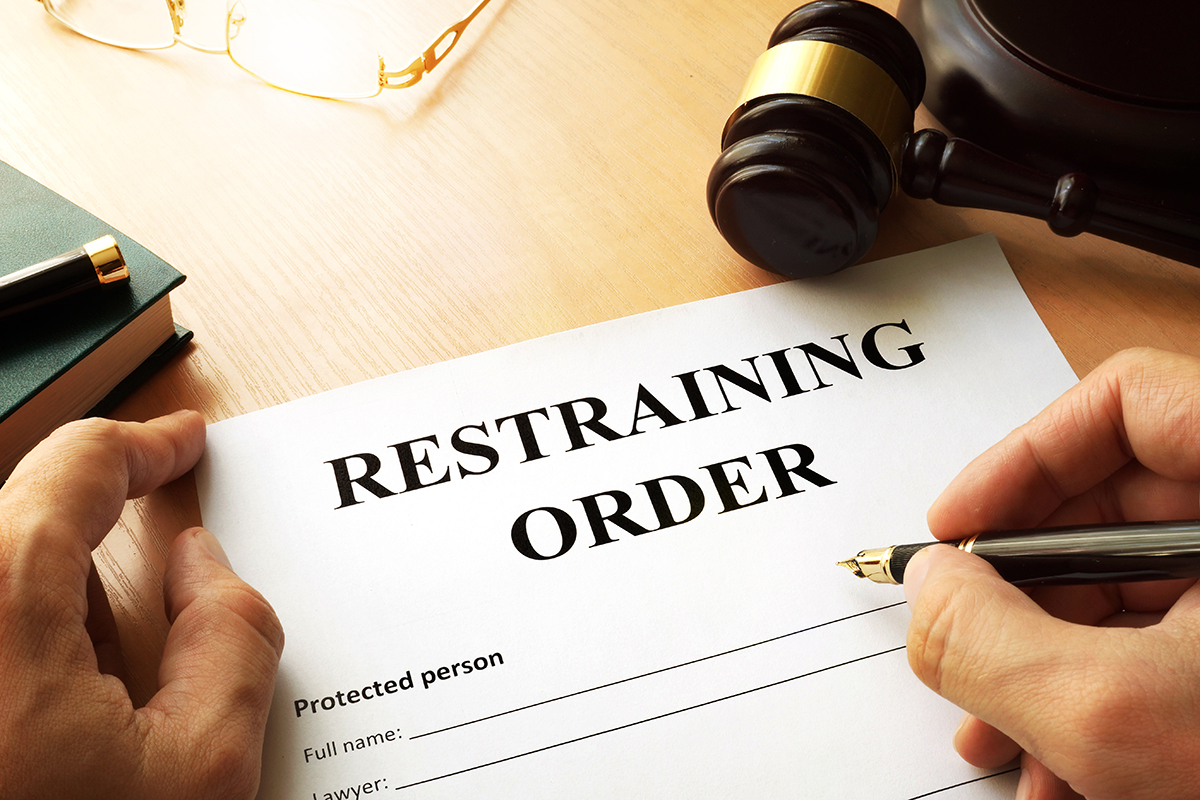
Petition for Protection Against Domestic Violence
This is the most frequently sought type of order. To qualify for a Domestic Violence Injunction, there must be a demonstrated relationship between the petitioner (the person seeking protection) and the respondent (the person against whom protection is sought). This relationship can include spouses, former spouses, blood relatives or relatives by marriage, persons who are presently living together as if a family, or persons who have had a child in common regardless of whether they have ever been married or lived together. The abuse must involve actual violence or a reasonable threat of violence.
Key Elements for Domestic Violence Petitions:
- Relationship: The petitioner and respondent must meet the specific relationship criteria as defined by Florida Statute 741.28.
- Abuse: This can include physical violence, sexual assault, or credible threats of violence. It also covers dating violence.
- Fear of Future Harm: The petitioner must demonstrate a reasonable belief that they are in imminent danger of becoming a victim of further abuse.
Petition for Protection Against Sexual Violence
This type of injunction is for individuals who have been subjected to sexual violence, regardless of whether there is a familial or dating relationship with the perpetrator. This can include incidents of rape, sexual battery, or aggravated sexual assault. The process for this petition is similar to domestic violence, but the underlying act is sexual in nature.
Petition for Protection Against Stalking
A Stalking Injunction is designed for situations where a person is being persistently harassed or followed, causing them substantial emotional distress or fear. This does not necessarily require physical violence but a pattern of conduct that would cause a reasonably prudent person to fear for their safety. The conduct must be directed toward a specific person and be repeated.
The Process of Filing a Petition for Protection
Filing a restraining order in Florida is a multi-step legal procedure that begins with completing a petition and often involves court hearings. It is advisable to seek legal counsel, though it is not strictly required, as understanding the nuances of the law can significantly impact the outcome.
Step 1: Obtain and Complete the Petition Forms
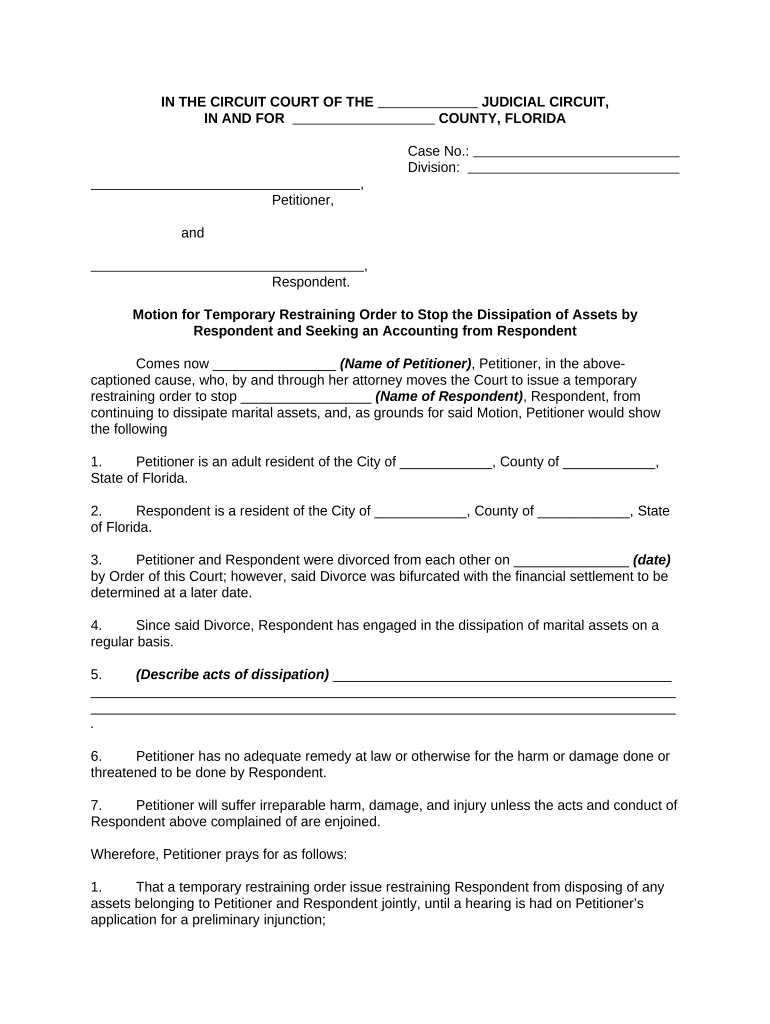
The first and most critical step is to obtain the appropriate petition forms. These are typically available from the Clerk of Court in the county where you reside or where the respondent resides, or where the alleged act of violence occurred. Many counties also provide these forms on their court websites. The forms are designed to be filled out by individuals without legal representation, but they must be completed accurately and thoroughly.
Key Information to Provide:
- Your Information: Full legal name, address, date of birth, and contact information.
- Respondent’s Information: Full legal name, address (if known), date of birth (if known), physical description, and information about their vehicle (if relevant).
- Details of Abuse/Threats: A clear, concise, and chronological account of the incidents that led you to seek protection. Be specific with dates, times, locations, and what happened. Include any threats made and the impact they have had on your safety and well-being.
- Relationship to Respondent: Clearly state your relationship to the respondent.
- Requested Relief: Specify the type of protection you are seeking, such as no contact, stay-away orders from your home, workplace, or children’s school.
Step 2: Filing the Petition with the Clerk of Court
Once the petition is completed, it must be filed with the Clerk of the Circuit Court in the appropriate county. There is typically no filing fee for domestic violence or sexual violence injunctions if you meet the eligibility criteria, due to the urgency and importance of these cases. However, for stalking injunctions, a fee may apply unless waived by the court.
When you file, you will usually need to provide several copies of the petition, one for the court, one for the respondent, and one for yourself. The Clerk will stamp your documents and assign a case number.
Step 3: Ex Parte Hearing
In cases of imminent danger, the court will typically schedule an emergency hearing, often within 24 hours of filing, known as an “ex parte” hearing. At this hearing, only you and your legal counsel (if you have one) will be present. The judge will review your petition and listen to your testimony to determine if there is sufficient evidence to grant a Temporary Injunction.
What Happens at the Ex Parte Hearing:
- Testimony: You will be asked to testify under oath about the events described in your petition.
- Judge’s Decision: The judge will decide whether to issue a Temporary Injunction based on your testimony and the petition. A Temporary Injunction is valid for a short period, usually 15 days, until a full hearing can be held. It provides immediate protection.
Step 4: Service of Process
If a Temporary Injunction is granted, the respondent must be formally notified of the petition and the upcoming court hearing. This is called “service of process.” Law enforcement officers, such as sheriff’s deputies, are responsible for serving the respondent with a copy of the petition and the Temporary Injunction. You cannot serve the papers yourself. The Clerk of Court will arrange for service.
It is crucial that the respondent is properly served for the court to proceed with a final hearing. If service cannot be completed, the Temporary Injunction may expire, and further steps will be needed to locate and serve the respondent.
Step 5: Final Hearing
After the respondent has been served, a final hearing will be scheduled. Both you and the respondent will have the opportunity to present evidence and witness testimony to the judge. The respondent has the right to contest the petition and present their side of the story.
Preparing for the Final Hearing:
- Gather Evidence: This may include photographs of injuries, text messages, voicemails, emails, police reports, witness statements, or any other documentation that supports your claims.
- Arrange for Witnesses: If there are individuals who witnessed the abuse or threats, ask them if they are willing to testify on your behalf.
- Legal Representation: While not mandatory, having an attorney can be invaluable in navigating the legal complexities of the hearing, presenting evidence effectively, and cross-examining the respondent or their witnesses.
- Be Prepared to Testify: You will likely need to testify again, providing a detailed account of the events and why you fear future harm.
Step 6: The Judge’s Final Order
After hearing all evidence and arguments, the judge will make a final decision. If the judge finds that domestic violence, sexual violence, or stalking has occurred, and there is a reasonable fear of future harm, a Final Judgment for Protection (often referred to as a permanent injunction) will be issued. This order can last for several years and may be renewed.
Terms of a Final Judgment for Protection:
- No Contact Order: Prohibits the respondent from contacting the petitioner in any way.
- Stay-Away Order: Requires the respondent to stay a specified distance away from the petitioner’s residence, workplace, and other specified locations.
- Possession of Residence: May grant the petitioner exclusive use of a shared residence.
- Firearm Restrictions: May prohibit the respondent from possessing firearms.
- Child Custody and Support: In some cases, the court may make temporary or permanent orders regarding child custody and support.
Legal Assistance and Support Resources
While Florida law provides mechanisms for individuals to file for protection without an attorney, the legal process can be daunting. Numerous organizations and legal aid societies offer assistance to victims of domestic violence and other forms of abuse.
Seeking Legal Counsel:
- Domestic Violence Shelters and Advocacy Groups: These organizations often have legal advocates who can explain the process, help with paperwork, and connect you with pro bono or low-cost legal services.
- Legal Aid Societies: These non-profit organizations provide free or low-cost legal representation to individuals who meet certain income requirements.
- Private Attorneys: If you can afford it, consulting with a private attorney experienced in domestic violence cases can provide comprehensive legal support and representation.
Emotional and Practical Support:
Beyond legal protection, victims of abuse often need emotional and practical support. Many resources are available to help individuals and families cope with the aftermath of abuse and rebuild their lives. These include counseling services, support groups, and emergency housing.
Filing for a restraining order in Florida is a significant step toward ensuring personal safety. Understanding the legal framework, meticulously completing the required documentation, and seeking appropriate support are vital to navigating this challenging, yet essential, process. The legal system is designed to provide a shield against harm, and by following these steps, individuals can actively pursue the protection they deserve.
LifeOutOfTheBox is a participant in the Amazon Services LLC Associates Program, an affiliate advertising program designed to provide a means for sites to earn advertising fees by advertising and linking to Amazon.com. Amazon, the Amazon logo, AmazonSupply, and the AmazonSupply logo are trademarks of Amazon.com, Inc. or its affiliates. As an Amazon Associate we earn affiliate commissions from qualifying purchases.