
Navigating the intricacies of vehicle ownership in a state as dynamic as Florida can sometimes feel like a complex journey. While the allure of sunshine, theme parks, and pristine beaches often takes center stage, the practicalities of managing your assets, particularly your vehicle, are equally important. One such practical matter that many residents and newcomers grapple with is the transition to electronic vehicle titles, often referred to as e-titles. This modern approach to vehicle documentation offers numerous advantages, including enhanced security, streamlined processes, and reduced reliance on physical paperwork, aligning with Florida’s commitment to embracing digital solutions across various sectors.
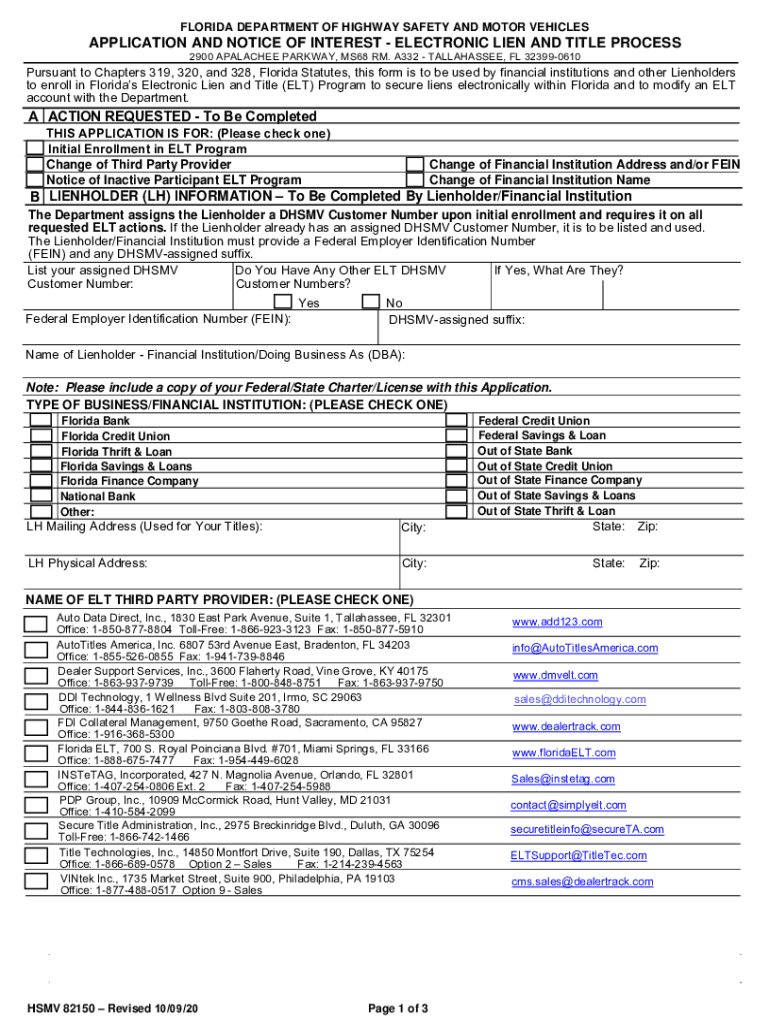
The concept of an electronic title signifies a shift from the traditional paper certificate of title to a digital record maintained by the Florida Department of Highway Safety and Motor Vehicles (FLHSMV). This digital format ensures that your vehicle’s ownership information is securely stored, easily accessible, and protected against loss or damage. For individuals who frequently engage in travel, whether for leisure to destinations like the Everglades National Park or for business across the state, having a simplified and secure way to manage vehicle documentation is paramount. The process of obtaining an electronic title in Florida is designed to be straightforward, aiming to ease the administrative burden for vehicle owners.
Understanding Electronic Titles in Florida
An electronic title, or e-title, is essentially a digital record of your vehicle’s ownership. Unlike the physical paper title that you might have previously received, an e-title exists solely in an electronic format within the FLHSMV database. This system has been implemented to enhance efficiency and security for vehicle owners and the state alike. The primary benefits of opting for an e-title include:
- Enhanced Security: Physical titles can be lost, stolen, or damaged, leading to significant administrative hurdles and potential fraud. E-titles are stored securely in a digital system, reducing these risks considerably.
- Streamlined Processes: When it comes time to sell your vehicle, transfer ownership, or apply for a loan, the electronic title process can be significantly faster and more convenient. Lenders and buyers can often access the necessary information with greater ease, reducing delays.
- Environmental Benefits: Reducing the need for printing and mailing physical documents contributes to a more sustainable approach, aligning with broader environmental consciousness often appreciated by those who enjoy Florida’s natural beauty.
- Convenience: For individuals who live a mobile lifestyle, perhaps frequently visiting or residing in different parts of Florida, such as the vibrant city of Miami or the historic streets of St. Augustine, having a digital record means not having to worry about carrying or misplacing important physical documents.
It is important to distinguish an e-title from a paper title that has been “indexed” or recorded electronically. An e-title means that the title is not issued in paper form at all. When a vehicle has an electronic title, the lienholder (if any) is notified electronically, and they hold the lien in electronic form. When the lien is satisfied, the lienholder electronically releases their interest, and the vehicle then becomes “clear” of any liens in the electronic system. This digital transfer of information is a key component of the e-title system.
The Role of Lienholders
The concept of an electronic title is intrinsically linked to lienholders, such as banks or credit unions that provide financing for vehicle purchases. In the traditional paper title system, the physical title is often held by the lienholder until the loan is fully repaid. With e-titles, this process is also digitized.
- Electronic Lien Recording: When you finance a vehicle in Florida and opt for an e-title, the lienholder will electronically record their lien with the FLHSMV.
- Electronic Lien Release: Once the loan is paid off, the lienholder electronically releases their lien. This electronic release is automatically updated in the FLHSMV system, clearing the title without the need for physical paperwork to be mailed, processed, and then potentially re-filed or destroyed.
- Title Issuance Upon Lien Release: If there are no other liens on the vehicle, and once the lienholder electronically releases their interest, the vehicle will be considered clear of liens in the electronic system. You may then have the option to have a paper title issued if you prefer, or you can continue with the electronic title.
This electronic management of liens significantly speeds up the process of transferring ownership after a loan is satisfied, which can be particularly beneficial for those looking to sell their vehicle quickly or trade it in for a new one, perhaps from a dealership in areas like Orlando.
How to Obtain an Electronic Title in Florida
The process of obtaining an electronic title in Florida is generally initiated when you purchase a new vehicle or transfer ownership of a vehicle that already has an electronic title. It is important to note that not all vehicles may be eligible for an e-title from the outset, particularly older vehicles with existing paper titles that may need to undergo a conversion process. However, for most new vehicle transactions or subsequent ownership changes, the electronic title is the default and preferred method.
New Vehicle Purchases
When you purchase a new vehicle from a dealership in Florida, the dealership typically handles the initial titling process.
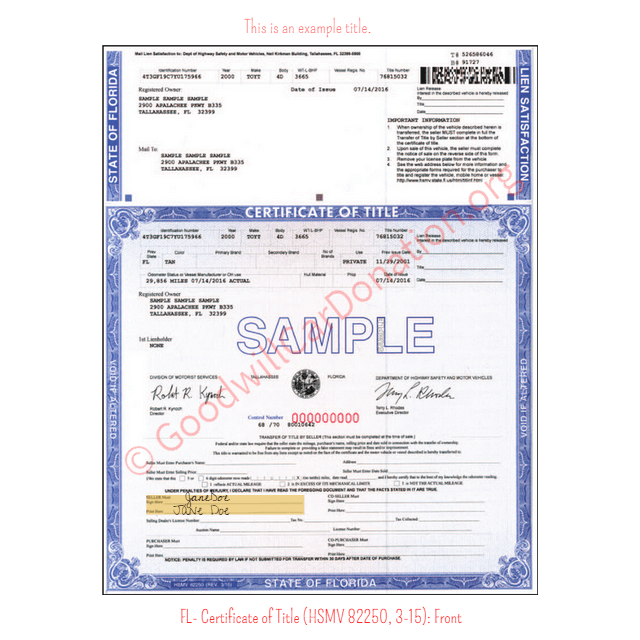
- Lienholder Notification: If you are financing the vehicle, the dealership will work with your chosen lender. The lender will then electronically record their lien with the FLHSMV.
- Electronic Title Creation: Upon completion of the necessary paperwork and registration, the FLHSMV will create an electronic title for your vehicle. Your lienholder will hold the electronic lien, and you will not receive a physical paper title unless you specifically request one.
- Information Access: You will receive confirmation of your vehicle’s registration and title status, which will indicate that it is an electronic title. You can usually access information about your vehicle’s title status through the FLHSMV’s online portal.
Transferring Ownership and Existing Paper Titles
If you are purchasing a used vehicle that currently has a paper title, or if you are transferring ownership of your own vehicle and wish to convert to an e-title, the process might involve a few more steps, especially if there’s a lien involved.
- Lienholder Cooperation: If there is an outstanding lien on the vehicle, the lienholder must be willing and able to participate in the electronic title system. You will need to confirm with your lender if they are an electronic lienholder with the FLHSMV.
- Application for Title: When you apply for a title transfer at a Florida county tax collector’s office, you can indicate your preference for an electronic title.
- Conversion Process: If the vehicle has an existing paper title and the lienholder is an electronic lienholder, the transition to an e-title is usually straightforward. The lien will be electronically recorded, and the paper title may be surrendered or invalidated.
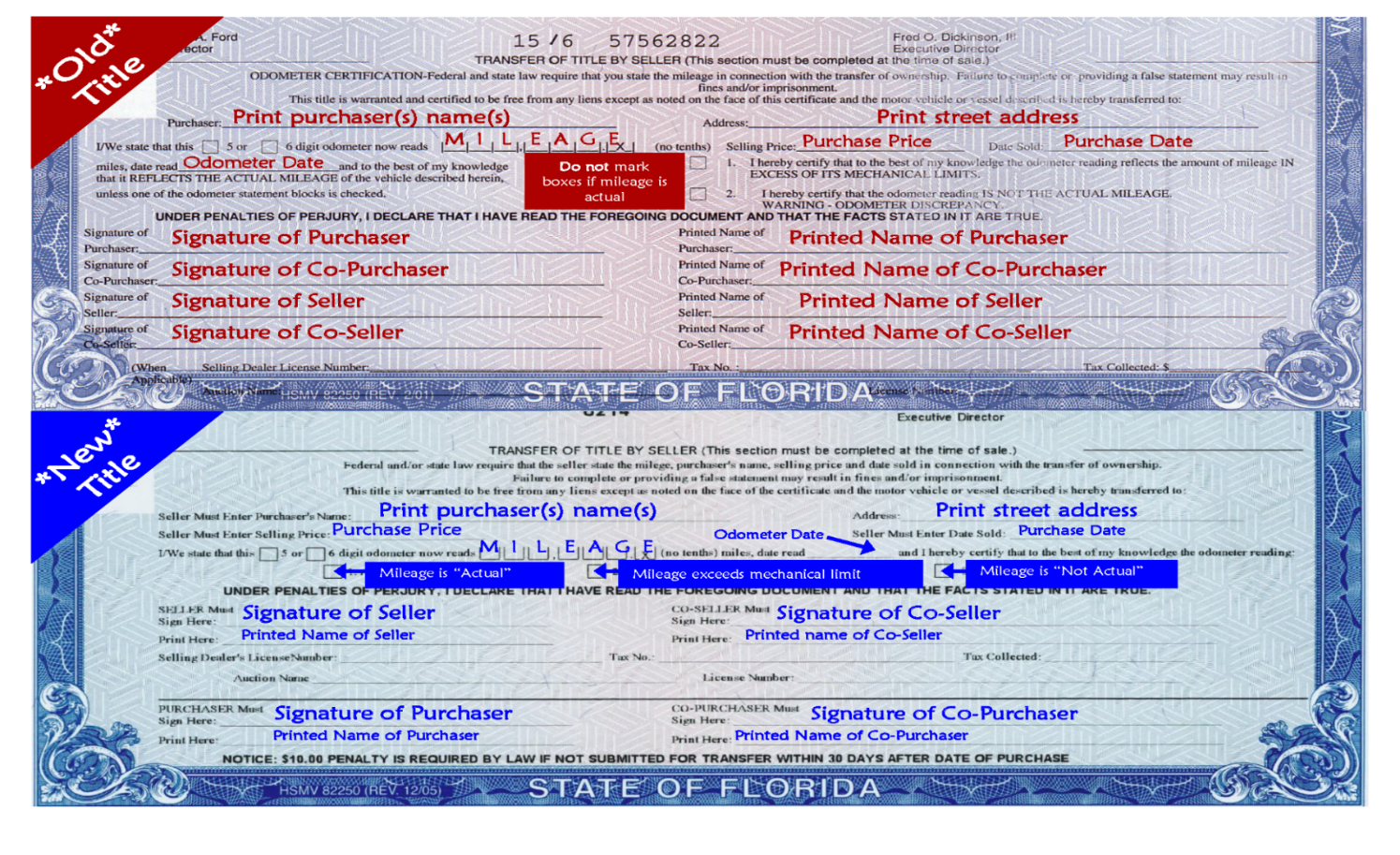
- Requesting a Paper Title: It is important to understand that even if your vehicle has an e-title, you can typically request a paper title be issued to you. This might be desirable for personal record-keeping or if you plan to sell the vehicle to a buyer who requires a physical title. To request a paper title, you will need to visit a county tax collector’s office and complete the necessary application. There may be a fee associated with this service.
Key Considerations
- Lienholder Agreement: The most crucial factor in obtaining and maintaining an e-title is the cooperation of your lienholder. Ensure your financial institution supports Florida’s electronic title program.
- County Tax Collector’s Office: All title and registration transactions in Florida are handled through the county tax collector’s offices. You will need to visit one of these offices to initiate most title-related processes, including requests for paper titles.
- Online Services: The FLHSMV offers various online services, and it’s always a good idea to check their official website for the most up-to-date information, forms, and any potential online application processes for title conversions or inquiries.
Benefits for Travelers and Mobile Lifestyles
For individuals who lead a mobile lifestyle, whether they are full-time residents of Florida who frequently travel across the state for work or pleasure, or those who are snowbirds spending significant time in the Sunshine State, the electronic title offers distinct advantages.
Simplified Travel and Relocation
Imagine driving from Miami down to the Florida Keys or up to the cultural attractions of Tampa. The last thing you want to worry about is misplacing your vehicle’s title.
- Reduced Risk of Loss: With an e-title, the risk of losing a critical ownership document while on the road is eliminated. This peace of mind is invaluable when you’re far from home or constantly on the move.
- Easier Vehicle Sales: If you decide to sell your vehicle while in Florida, and your lien is satisfied, the electronic transfer process can be significantly faster. This is especially helpful if you are planning to leave the state soon after the sale.
- Lender Accessibility: If you need to apply for a loan or use your vehicle as collateral while traveling, having an e-title can expedite the process, as lenders can more easily verify ownership and lien status electronically.
Managing Multiple Vehicles or Residences
For individuals who own multiple vehicles or maintain residences in different states, managing vehicle titles can become complicated. While the e-title system is specific to Florida, its digital nature simplifies the administrative aspect of ownership within the state.
- Streamlined Record Keeping: An electronic record is easier to access and manage than a pile of paper documents, especially when dealing with multiple vehicles registered in Florida.
- Interstate Transactions: While each state has its own titling laws, having your Florida title as an e-title can sometimes simplify the process when dealing with vehicle sales or registration in other states, as the electronic record is often more robust and easier to verify.
Ultimately, the move towards electronic titles in Florida reflects a broader trend towards digital efficiency. For residents and visitors alike who enjoy the state’s diverse offerings, from the theme parks of Orlando to the historic charm of St. Augustine, embracing the e-title system offers a more secure, convenient, and modern way to manage vehicle ownership. It allows you to focus more on experiencing the beauty and excitement of Florida and less on the administrative burdens of traditional paperwork.
LifeOutOfTheBox is a participant in the Amazon Services LLC Associates Program, an affiliate advertising program designed to provide a means for sites to earn advertising fees by advertising and linking to Amazon.com. Amazon, the Amazon logo, AmazonSupply, and the AmazonSupply logo are trademarks of Amazon.com, Inc. or its affiliates. As an Amazon Associate we earn affiliate commissions from qualifying purchases.