
Selling a car in the Sunshine State involves navigating a unique set of regulations and practical considerations. Whether you’re a long-time Florida resident or someone looking to offload a vehicle before relocating, understanding the process is crucial for a smooth and legal transaction. This guide will walk you through the essential steps, from preparing your car for sale to completing the necessary paperwork with the Florida Department of Highway Safety and Motor Vehicles (FLHSMV).
Preparing Your Vehicle for Sale
Before you even think about listing your car, thorough preparation can significantly impact its appeal and selling price. A well-maintained and presentable vehicle attracts more buyers and justifies a higher asking price.
Cleaning and Detailing
The first impression is paramount. A deep clean, both inside and out, is non-negotiable.
- Exterior Wash and Wax: Thoroughly wash the car to remove dirt, grime, and road salt. Pay attention to wheel wells, door jambs, and undercarriage. A good quality wax will add shine and protect the paint. Consider a professional detail if your budget allows.
- Interior Deep Clean: Vacuum carpets and upholstery meticulously. Wipe down all surfaces, including the dashboard, center console, door panels, and steering wheel, using appropriate cleaning products. Clean the windows and mirrors for a streak-free finish. Don’t forget to clean out the trunk.
- Odor Elimination: Address any lingering smells, such as smoke or pet odors. Air fresheners can mask problems, but a professional ozone treatment or thorough cleaning of upholstery and carpets is more effective.
Minor Repairs and Maintenance
Addressing small issues can prevent larger concerns from deterring potential buyers.
- Mechanical Check-up: While you don’t need to perform major repairs, ensure the car is running smoothly. Check fluid levels (oil, coolant, brake fluid), tire pressure, and windshield wiper fluid. If there are any minor, easily fixable issues, such as a burned-out headlight bulb or a loose trim piece, consider addressing them.
- Tire Condition: Ensure tires have adequate tread and are properly inflated. Uneven wear might indicate alignment issues that a buyer could flag.
- Check Engine Light: If the “check engine” light is on, it’s often best to have it diagnosed and repaired. A lit warning light is a major red flag for most buyers.
Gathering Necessary Documents
Having all your paperwork in order beforehand expedites the selling process.
- Title (Certificate of Title): This is the most critical document. It proves ownership of the vehicle. Ensure the title is in your name and is free of any liens. If there’s a lien, you’ll need to obtain a lien release from the financial institution.
- Vehicle Registration: While not always required for the sale itself, having your current registration readily available can be helpful.
- Maintenance Records: A detailed history of maintenance and repairs can significantly boost buyer confidence. Compile receipts and service records to showcase your car’s care.
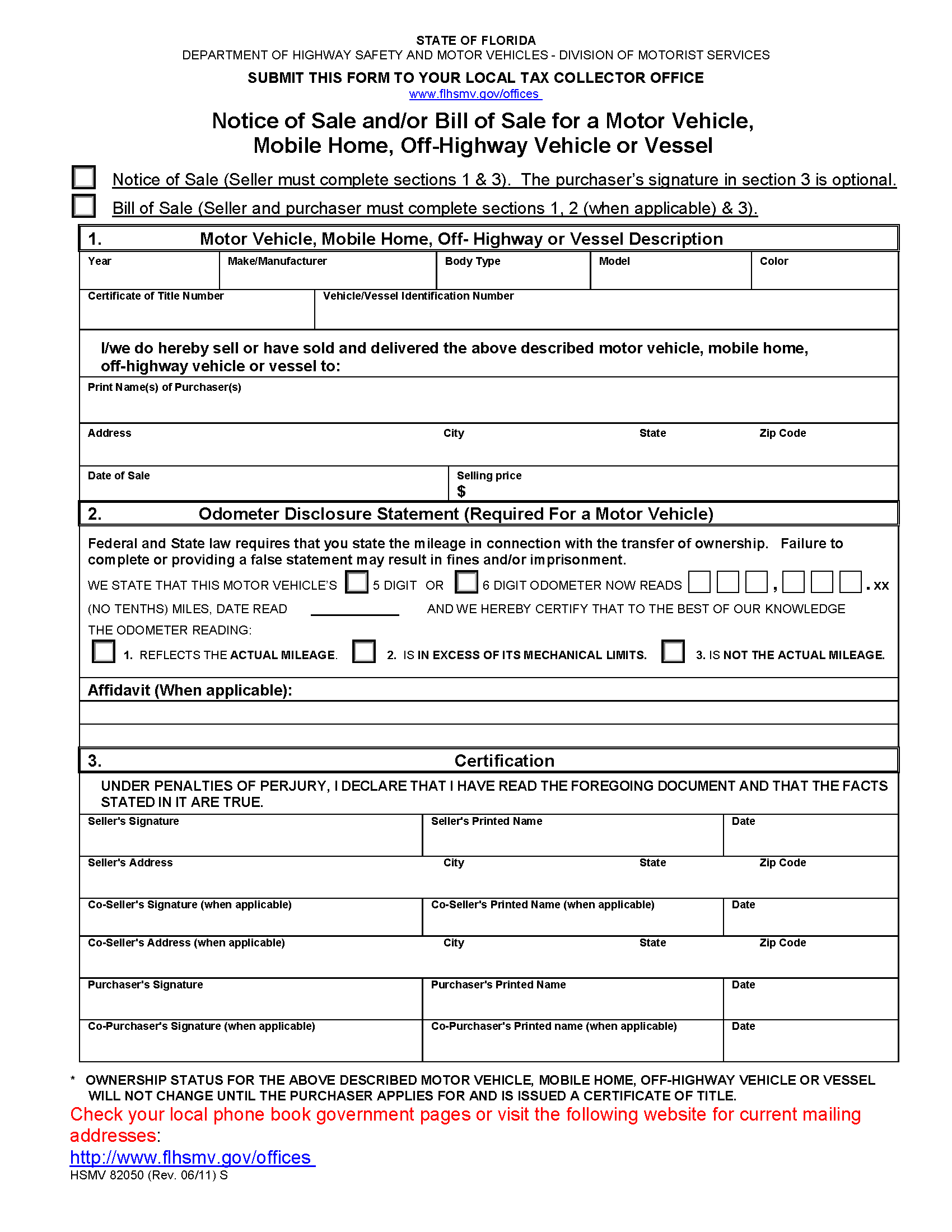
- Bill of Sale: This legally binding document outlines the terms of the sale between you and the buyer. You can find templates online or create your own, ensuring it includes all necessary information.
Pricing Your Vehicle
Determining the right price is a delicate balance between maximizing your return and attracting buyers.
Researching Market Value
Understanding the current market value of your car is essential.
- Online Valuation Tools: Utilize reputable online resources such as Kelley Blue Book (KBB), Edmunds, and NADA Guides. These platforms provide estimated values based on your car’s make, model, year, mileage, condition, and features.
- Local Market Analysis: Browse online marketplaces (e.g., Craigslist, Facebook Marketplace, AutoTrader) to see what similar vehicles are selling for in your area of Florida. Look for cars with comparable mileage, condition, and features.
Factors Influencing Price
Several elements will affect how much you can ask for your car.
- Mileage: Lower mileage generally commands a higher price.
- Condition: A well-maintained vehicle in excellent cosmetic and mechanical condition will fetch more.
- Features and Options: Desirable features like a sunroof, leather seats, advanced safety systems, or a premium sound system can increase value.
- Accident History: Vehicles with accident history, especially significant ones, will be valued lower.
- Geographic Location: While you’re selling in Florida, regional demand can sometimes influence pricing.
Selling Channels and Advertising
Choosing the right platform to advertise your car can significantly impact your reach and the speed of the sale.
Private Sale vs. Dealership Trade-in

Consider the pros and cons of each method.
- Private Sale: Generally yields a higher selling price as you bypass dealer markups. However, it requires more effort on your part for marketing, screening buyers, and handling paperwork.
- Dealership Trade-in: Offers convenience and immediate payment but typically results in a lower offer. This is often preferred if you’re buying another car from the same dealership.
- Consignment: Some dealerships offer consignment services where they sell your car for a fee. This can be a middle ground between a private sale and a trade-in.
Online Advertising Platforms
Leverage the power of the internet to reach a wide audience.
- Online Marketplaces: Craigslist, Facebook Marketplace, OfferUp, and Letgo are popular for private sales in Florida.
- Auto-Specific Websites: AutoTrader.com, Cars.com, and CarGurus.com are dedicated platforms that attract serious car buyers.
- Social Media: Post about your car sale on your personal social media profiles and local buy/sell groups.
Crafting an Effective Advertisement
A compelling ad will attract more serious inquiries.
- High-Quality Photos: Take clear, well-lit photos of your car from multiple angles, including the exterior (front, back, sides, wheels), interior (dashboard, front seats, back seats, trunk), and any notable features.
- Detailed Description: Be honest and comprehensive. Include the make, model, year, mileage, trim level, engine size, transmission type, color, and any significant options or features.
- Highlight Key Selling Points: Emphasize recent maintenance, upgrades, low mileage, or any other factors that make your car stand out.
- Honest Disclosure: Mention any known mechanical issues or cosmetic imperfections. Transparency builds trust.
- Clear Pricing Strategy: State your asking price and whether it’s firm or negotiable.
The Selling Process and Legalities in Florida
Understanding the specific requirements of the Florida Department of Highway Safety and Motor Vehicles is vital for a legally compliant sale.
Transferring Ownership
This is the most crucial step to ensure the sale is legitimate.
- Odometer Disclosure Statement: Federal and state law requires you to provide an accurate odometer reading at the time of sale. This is typically done on the title itself or a separate odometer disclosure statement form, which can be found on the FLHSMV website.
- Completing the Title: Sign the “Seller” section of the vehicle title. The buyer will sign the “Buyer” section. Ensure all names on the title are correctly spelled and match government-issued identification. If there are multiple owners listed on the title, all must sign.
- Lien Release: If you had a loan on the vehicle, you must have a lien release from the lender. This document confirms the loan has been paid off, and you have clear title to the car.
- DMV/Tax Collector Office: The buyer is responsible for transferring the title and registering the vehicle in their name at a local Florida Tax Collector office. You, as the seller, should also ensure you retain a copy of the completed title or bill of sale for your records.
Bill of Sale
While not always mandatory for title transfer if the buyer is registering it in Florida, a Bill of Sale is highly recommended for both parties.
- Essential Information: A bill of sale should include:
- Full names and addresses of both buyer and seller.
- Date of sale.
- Vehicle’s year, make, model, and Vehicle Identification Number (VIN).
- Odometer reading at the time of sale.
- Purchase price.
- Any warranties or “as-is” conditions.
- Signatures of both buyer and seller.
- Purpose: It serves as proof of the transaction, protecting both parties from future disputes regarding the sale price, condition, or ownership.
Reporting the Sale to the State
It’s good practice to notify the FLHSMV that you have sold the vehicle.
- Notice of Sale: While not a mandatory step for private sales to avoid future liability for parking tickets or tolls, it is highly recommended. Some states offer an online “notice of sale” or “notice of transfer” form that sellers can submit. Check the FLHSMV website for the most current procedures.
- Removing License Plates: In Florida, license plates are generally transferable to a new vehicle or can be surrendered to the county tax collector’s office. You should remove your license plates from the vehicle before the buyer takes possession. Do not leave them on the car.
Finalizing the Sale and Beyond
Once the paperwork is signed and the money has exchanged hands, there are a few concluding steps to ensure a clean break.
Handling Payment
Discuss payment methods with potential buyers early on.
- Cash: The safest option, especially for private sales. Meet at a secure location, such as a bank, to verify the cash.
- Cashier’s Check/Bank Draft: A more secure alternative to personal checks. Verify the authenticity of the check with the issuing bank before handing over the keys.
- Wire Transfer: Can be convenient but ensure funds have cleared before completing the sale.
- Avoid Personal Checks: These can bounce, leaving you without payment and your car.
Meeting Potential Buyers
Safety and professionalism are key when meeting strangers.
- Public, Well-Lit Location: Arrange to meet buyers in a public place during daylight hours. A busy shopping center parking lot or outside a police station are good options.
- Bring a Friend: If possible, have a friend or family member accompany you.
- Test Drives: Accompany the potential buyer on any test drives. Ensure they have a valid driver’s license before they drive. Consider having them sign a test drive waiver.
By following these guidelines, you can navigate the process of selling your car in Florida with confidence and achieve a successful transaction. Remember to prioritize honesty, thoroughness, and adherence to state regulations for a smooth and secure sale.
LifeOutOfTheBox is a participant in the Amazon Services LLC Associates Program, an affiliate advertising program designed to provide a means for sites to earn advertising fees by advertising and linking to Amazon.com. Amazon, the Amazon logo, AmazonSupply, and the AmazonSupply logo are trademarks of Amazon.com, Inc. or its affiliates. As an Amazon Associate we earn affiliate commissions from qualifying purchases.