
Navigating the political landscape can be a dynamic process, and for residents of the Sunshine State, understanding how to change your party affiliation in Florida is a key aspect of civic engagement. Whether you’ve recently moved to the state, experienced a shift in your political views, or simply wish to align your voter registration with your current party preference, the process is designed to be accessible. This guide will walk you through the essential steps, eligibility requirements, and important considerations for updating your political party in Florida.
Understanding Voter Registration in Florida
Before delving into the specifics of changing party affiliation, it’s crucial to grasp the fundamental principles of voter registration in Florida. Registration is the gateway to participating in elections, from local contests to national presidential races. Once registered, your information is maintained by the county’s Supervisor of Elections. This registration includes your name, address, and, importantly, your designated political party.

The Role of Party Affiliation
In Florida, your party affiliation is not merely a label; it dictates your ability to vote in certain types of elections. The state operates under a “closed primary” system for major political parties. This means that to vote for a party’s nominee in a primary election, you must be registered with that specific party. For example, to vote in the Democratic Party primary, you must be registered as a Democrat. Similarly, to participate in the Republican Party primary, you must be registered as a Republican.
This system ensures that the selection of candidates for the general election is primarily made by the party’s active members. However, there are exceptions. In Florida, all registered voters, regardless of party affiliation, can vote in non-partisan races and referendums. Additionally, some parties may choose to allow voters of other affiliations or no affiliation to participate in their primaries through a process known as a “cross-over” vote, though this is not the default and is decided on a case-by-case basis by the respective parties.
What Constitutes a “Party Affiliation”?
In Florida, the recognized political parties are the Democratic Party, the Republican Party, and a number of qualified third parties, such as the Libertarian Party and the Green Party. Voters can also choose to register with “No Party Affiliation” (NPA), often referred to as being an independent voter. This choice allows you to vote in any non-partisan elections and, as mentioned, potentially in some partisan primaries if the party allows it.
How to Change Your Party Affiliation
Changing your party affiliation in Florida is a straightforward process, primarily managed through the Supervisor of Elections in your county. The core of the change involves submitting an updated voter registration application.
Method 1: Online Voter Registration
The most convenient method for many Floridian voters is to update their registration online. The Florida Department of State offers an official online portal for voter registration and updates.
Steps for Online Update:
- Access the Portal: Visit the official Florida Department of State voter registration website.
- Select “Update Registration”: Look for an option that allows you to modify an existing registration.
- Provide Required Information: You will need to enter personal details to verify your current registration, such as your driver’s license number or Florida ID card number, date of birth, and Social Security number.
- Update Party Affiliation: On the application form, you will find a section to select your desired party affiliation from the list of recognized parties, or to choose “No Party Affiliation.”
- Review and Submit: Carefully review all the information you have entered to ensure accuracy before submitting the updated application.
This online method is typically the fastest and most efficient way to change your party affiliation.
Method 2: Mail-In Voter Registration Application
For those who prefer a paper-based process or do not have easy internet access, a mail-in application is also available. You can obtain a voter registration application form from various locations.
Where to Find Application Forms:
- Supervisor of Elections Offices: Each county’s Supervisor of Elections office provides these forms.
- Florida Department of Highway Safety and Motor Vehicles: When you obtain or renew a driver’s license or state ID at a Florida Department of Highway Safety and Motor Vehicles office, you are often given the opportunity to register or update your registration.
- Public Libraries: Many public libraries offer voter registration forms.
- Government Agencies: Other state and local government agencies may also have them available.
Steps for Mail-In Update:
- Download or Obtain a Form: Get a new voter registration application form. Ensure it is the most current version.
- Complete the Form: Fill out all sections of the application accurately. When you reach the “Party Affiliation” section, select your new party or choose “No Party Affiliation.”
- Sign and Date: Sign and date the application as required.
- Mail the Application: Mail the completed form to your local Supervisor of Elections office. The address can usually be found on the form itself or on the county Supervisor of Elections website.
Method 3: In-Person Submission
You can also deliver your updated voter registration application in person to your county’s Supervisor of Elections office. This method allows for immediate verification and often provides an opportunity to ask any questions you might have.
Key Considerations and Deadlines
When changing your party affiliation in Florida, there are several important points to keep in mind to ensure your change is processed in time for upcoming elections.
The Registration Deadline
The most critical factor for any voter registration change, including party affiliation, is the deadline. In Florida, voter registration books close 29 days before any primary or general election. This means that if you wish your new party affiliation to be effective for a specific primary election, you must submit your updated application at least 29 days before that primary.
For example, if a partisan primary election is scheduled for August 20th, your updated registration must be postmarked or received by the Supervisor of Elections office no later than July 22nd (assuming a 29-day window before August 20th). If you miss this deadline, your current registration will remain in effect for that particular election, and your new affiliation will be applied for subsequent elections.
Verifying Your Registration Status

After submitting your updated application, it’s wise to verify that the change has been processed correctly.
How to Verify:
- Online Voter Status Check: The Florida Department of State provides an online tool where you can enter your information to check your current registration status, including your party affiliation. This is the most efficient way to confirm your update.
- Contact Your Supervisor of Elections: You can also call or visit your county’s Supervisor of Elections office directly to inquire about your registration status.
Moving Within Florida
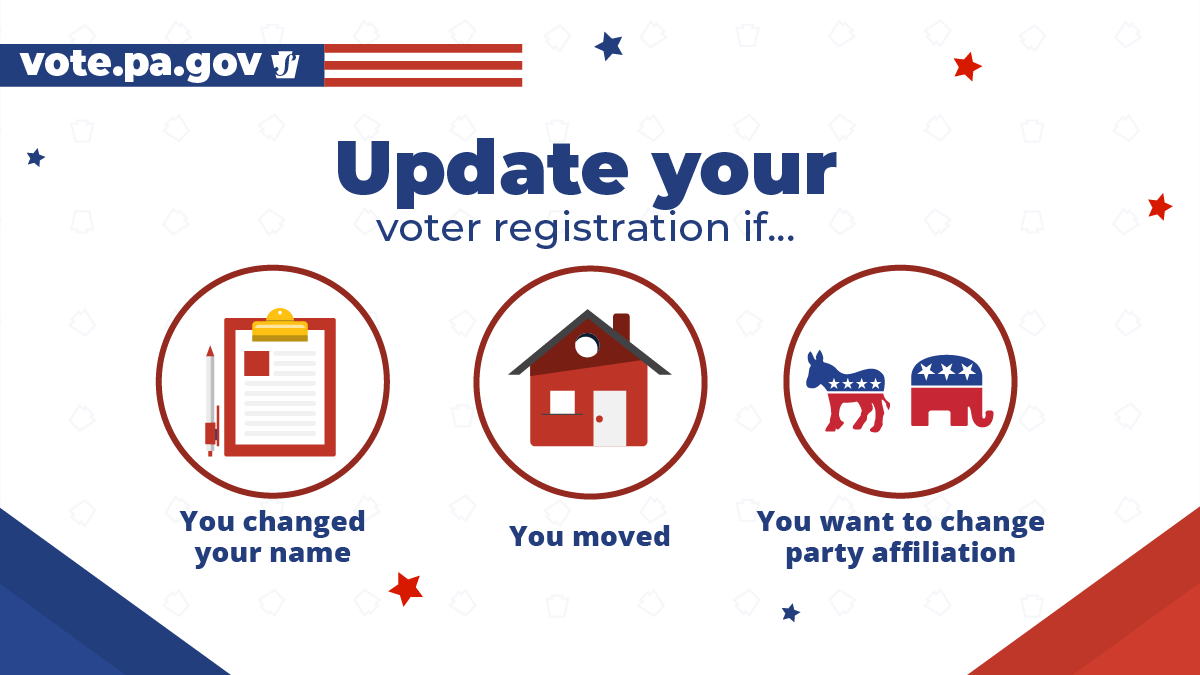
If you have recently moved to a new address within Florida, you must update your address on your voter registration. When updating your address, you can also change your party affiliation simultaneously. The process for updating your address is the same as changing your party affiliation, whether done online, by mail, or in person.
No Party Affiliation (Independent Voters)
Choosing “No Party Affiliation” (NPA) is a valid and common choice for many Floridian voters. NPA voters are not restricted from voting in the Republican or Democratic primaries in some circumstances, as state law requires that any voter, regardless of party affiliation, may vote in a party’s primary election if that party has not nominated a candidate for a particular office or if the candidate is unopposed. However, the general rule of closed primaries still applies for most partisan races. If you are NPA and wish to vote in a specific party’s primary, you would need to change your affiliation to that party by the deadline.
Third Parties and Minor Parties
Florida recognizes several third parties. If your political views align with a party other than the two major ones, you have the option to register with them. The process for registering with a third party is identical to registering with the Democratic Party or the Republican Party. Familiarize yourself with the platforms of these parties if you are considering such a change.
Potential Implications of Changing Party Affiliation
Understanding the consequences of changing your party affiliation is important for making an informed decision.
Primary Election Participation
As previously discussed, the most significant implication is your ability to vote in primary elections. If you switch to the Republican Party, you will be eligible to vote in Republican primary elections. Conversely, switching to the Democratic Party grants you access to Democratic primaries. If you change to “No Party Affiliation,” you will generally not be able to vote in partisan primary elections, though exceptions exist for unopposed candidates or when parties open their primaries.
Influence on Local and State Politics
Your party affiliation can also influence your engagement with local party organizations. Each party has committees and caucuses at the county and state levels. Registering with a party often means you can participate in local party meetings, influence party platforms, and potentially volunteer for party activities. This can be a way to become more involved in shaping the political direction of your community and the state.
Political Campaigns and Messaging
When you are affiliated with a political party, you may receive more targeted communications from that party and its candidates. This can include invitations to campaign events, volunteer opportunities, and specific messaging tailored to party members. While this can be beneficial for staying informed, it also means you might receive less information from opposing parties.
Long-Term Affiliation and Consistency
While you can change your party affiliation as often as you wish, there may be strategic considerations. Some political observers suggest that frequent changes could be viewed as indecisive, although in a democracy, voters have the right to change their minds and affiliations as their views evolve. It is generally recommended to ensure your chosen affiliation accurately reflects your current political beliefs and voting intentions.
Frequently Asked Questions About Changing Party Affiliation
Can I change my party affiliation on Election Day?
No, you cannot change your party affiliation on Election Day. Voter registration, including changes to party affiliation, closes 29 days before any primary or general election.
How many times can I change my party affiliation in Florida?
There is no limit to how many times you can change your party affiliation in Florida, provided you do so by the required deadlines before an election.
What happens to my old party affiliation when I change it?
When you successfully submit an updated registration with a new party affiliation, your previous affiliation is deactivated and replaced by the new one in the state’s voter registration system.
Do I need to re-register to vote if I only change my party affiliation?
No, you do not need to complete a full new voter registration if you are simply changing your party affiliation and your address and other personal information remain the same. An updated registration application is sufficient.
What is considered a “major” political party in Florida for primary voting?
In >>this.com/democratic-party”>Democratic Party and the >>this.com/floridian”>Floridian voters can effectively manage their party affiliation and ensure their participation in the electoral system aligns with their current political perspectives.
LifeOutOfTheBox is a participant in the Amazon Services LLC Associates Program, an affiliate advertising program designed to provide a means for sites to earn advertising fees by advertising and linking to Amazon.com. Amazon, the Amazon logo, AmazonSupply, and the AmazonSupply logo are trademarks of Amazon.com, Inc. or its affiliates. As an Amazon Associate we earn affiliate commissions from qualifying purchases.