
Obtaining a Commercial Driver’s License (CDL) in Florida is a pivotal step for anyone aspiring to a career in professional driving, whether it’s hauling goods across the country, transporting passengers, or operating specialized vehicles. This comprehensive guide will walk you through the essential steps, requirements, and considerations necessary to successfully acquire your CDL in the Sunshine State. From understanding the different CDL classes to navigating the written and skills tests, we’ll cover everything you need to know to embark on this rewarding professional journey.
Understanding CDL Classes and Endorsements
Before diving into the application process, it’s crucial to understand the different classifications of Commercial Driver’s Licenses and the endorsements that may be required depending on the type of vehicle you intend to operate. The classification system ensures that drivers possess the appropriate skills and knowledge for the specific commercial vehicles they will be handling.
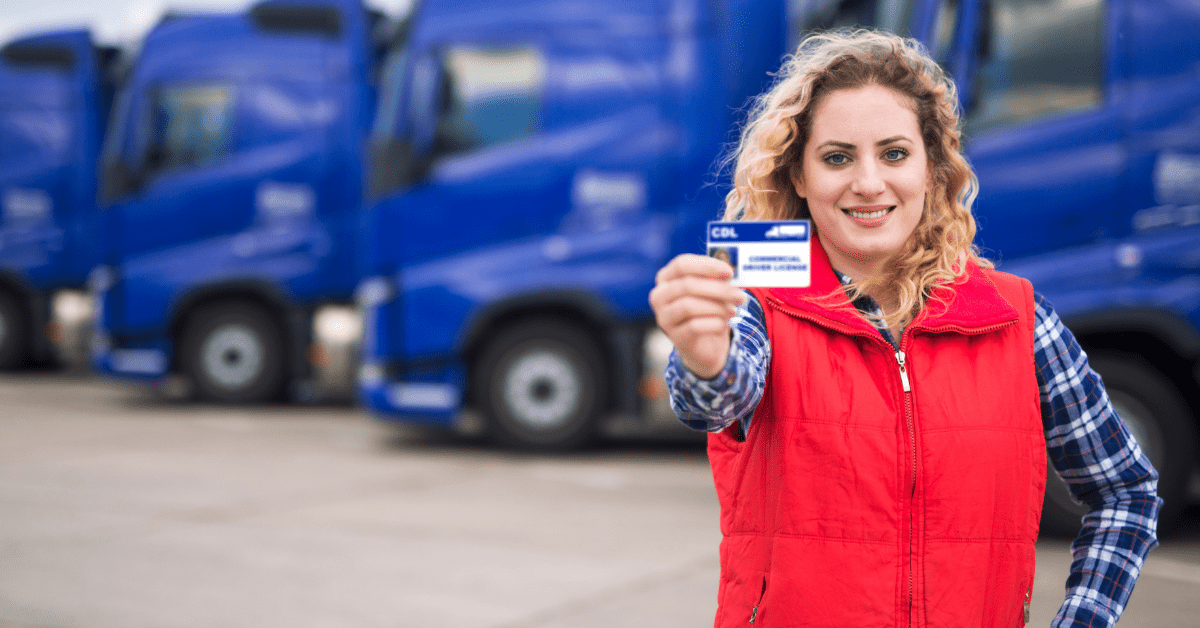
CDL Classifications
In Florida, CDLs are categorized into three main classes, each designed to align with the Gross Vehicle Weight Rating (GVWR) of the vehicle and the type of vehicle combination:
- Class A CDL: This license is required for operating any combination of vehicles with a Gross Combination Weight Rating (GCWR) of 26,001 pounds or more, provided the GVWR of the vehicle(s) being towed is in excess of 10,000 pounds. This typically includes large tractor-trailers and truck and trailer combinations.
- Class B CDL: This license is necessary for operating a single vehicle with a GVWR of 26,001 pounds or more, or any such vehicle towing a vehicle with a GVWR not in excess of 10,000 pounds. Examples include straight trucks, dump trucks, and large buses without a trailer.
- Class C CDL: This license is for operating vehicles that do not meet the criteria for Class A or Class B, but are designed to transport 16 or more occupants (including the driver), or are placarded for hazardous materials. This category often includes smaller buses and some specialized commercial vehicles.
Essential Endorsements
Beyond the basic class, certain types of cargo or passenger transport require additional endorsements on your CDL. These endorsements signify that you have passed specific tests demonstrating your proficiency in handling these specialized situations. Common endorsements include:
- H Endorsement (Hazardous Materials): Required for drivers who transport hazardous materials that require placarding. This involves a rigorous background check and a written test.
- P Endorsement (Passenger): Necessary for drivers operating vehicles designed to transport 15 or more passengers (including the driver). This includes school buses, tour buses, and transit buses.
- S Endorsement (School Bus): A specific endorsement for drivers operating school buses, requiring additional training and testing beyond the general passenger endorsement.
- N Endorsement (Tank Vehicles): Required for drivers operating vehicles designed to transport liquids or gaseous materials in bulk in permanently attached tanks, or in portable tanks.
- T Endorsement (Double/Triple Trailers): For drivers who will be pulling two or three trailers. This endorsement is less common now due to specialized equipment and regulations.
It is imperative to identify which class and any necessary endorsements align with your intended driving career before you begin the licensing process. This will dictate the specific tests you will need to pass and the knowledge you must acquire.
Eligibility Requirements for a [Florida] CDL
To be eligible for a Commercial Driver’s License in Florida, applicants must meet a set of specific criteria set forth by the Florida Department of Highway Safety and Motor Vehicles (FLHSMV). These requirements ensure that only qualified and safety-conscious individuals are granted the privilege of operating commercial vehicles.
Age and Residency
- Age: To obtain a CDL in Florida, you must be at least 18 years old. However, to drive a commercial vehicle across state lines (interstate commerce), you must be at least 21 years old.
- Residency: You must be a legal resident of Florida. Proof of residency, such as utility bills or a lease agreement, will be required.
Medical Certification
A critical component of obtaining a CDL is demonstrating medical fitness to operate a commercial vehicle. This involves obtaining a Medical Examiner’s Certificate.
- Medical Examination: You must pass a physical examination administered by a certified Medical Examiner listed on the Federal Motor Carrier Safety Administration (FMCSA) National Registry. The examination assesses your vision, hearing, blood pressure, and overall physical condition to ensure you can safely perform the duties of a commercial driver.
- Medical Examiner’s Certificate: Upon passing the examination, you will receive a Medical Examiner’s Certificate, which you will need to present to the FLHSMV.
Social Security Number and Identification
- Social Security Number: You must provide your Social Security number.
- Proof of Identity and Legal Presence: Applicants must present proof of identity and legal presence in the United States. Accepted documents typically include a U.S. Passport, U.S. birth certificate, or Permanent Resident Card.
Knowledge of Traffic Laws and Safe Driving Practices
While not explicitly a document to present, a thorough understanding of Florida traffic laws, commercial vehicle operation, and safe driving practices is fundamental. This knowledge will be tested through written examinations.
The Application and Testing Process
Once you have confirmed your eligibility, the next step is to navigate the application and testing procedures at a Florida Driver License Service Center. This process is designed to be thorough, ensuring that only competent drivers earn their CDL.
Step 1: Obtain a Commercial Learner’s Permit (CLP)
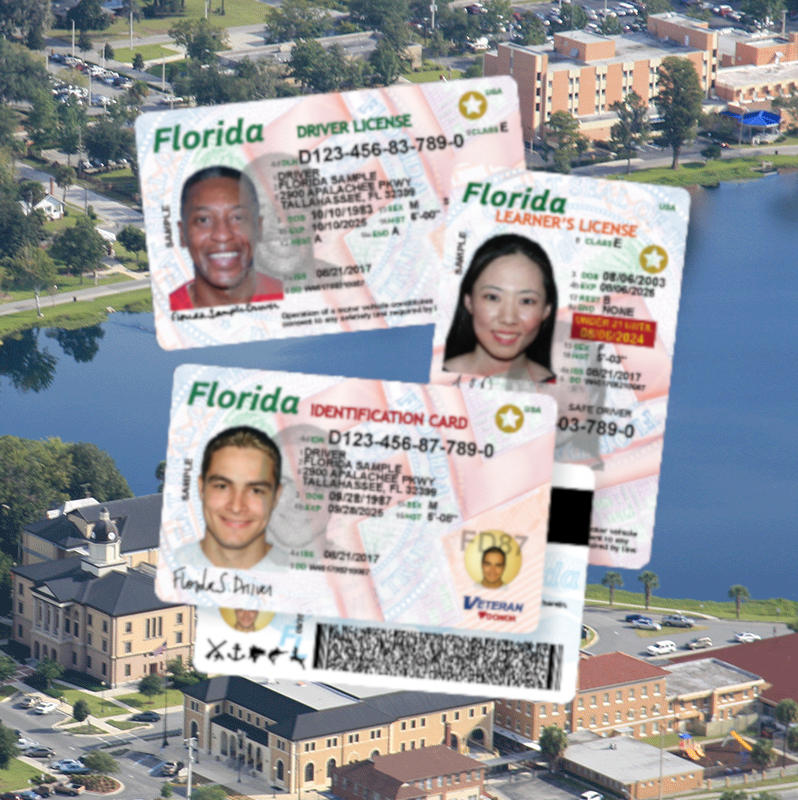
Before you can take the skills test, you must first obtain a Commercial Learner’s Permit (CLP). This permit allows you to practice driving commercial vehicles with a licensed CDL holder.
- Application: Complete the CDL application form and provide all necessary documentation, including proof of identity, residency, Social Security number, and your Medical Examiner’s Certificate.
- Written Tests: You will need to pass the general knowledge test for your chosen CDL class. If you are seeking endorsements like hazardous materials or passenger, you will also need to pass the relevant endorsement knowledge tests at this stage.
- Vision Test: You will undergo a vision screening.
Upon successful completion of these requirements, you will be issued a CLP. You must hold this permit for at least 14 days before you are eligible to take the CDL skills test.
Step 2: Prepare for and Schedule the CDL Skills Test
The CDL skills test is the practical examination that assesses your ability to safely operate a commercial vehicle. It typically consists of three parts:
- Pre-Trip Inspection: This involves a thorough inspection of the vehicle to ensure it is safe to operate. You will need to demonstrate your knowledge of all critical components.
- Basic Control Skills Test: This part evaluates your ability to maneuver the vehicle in a controlled environment, such as backing into a parking space or performing a sharp turn.
- Road Test: The final segment is a driving test on public roads, where your ability to operate the vehicle safely in traffic, obey traffic laws, and demonstrate defensive driving techniques will be assessed.
It is highly recommended to undergo professional CDL training to prepare for these tests. Many trucking schools offer comprehensive programs that cover all aspects of the CDL requirements and provide hands-on training.
Step 3: Take the CDL Skills Test
You must provide a commercial vehicle that is representative of the class of CDL you are seeking. The vehicle must be properly registered, insured, and in safe operating condition. You will need to present your CLP and your driver license to the examiner.
Step 4: Finalize Your CDL Application
Upon successfully passing all segments of the CDL skills test, you will be able to finalize your CDL application at a Driver License Service Center. You will pay the required fees and your photograph will be taken for the license. Your official CDL will then be mailed to you.
Advanced Considerations and Training Options
While the outlined steps cover the fundamental process of obtaining a CDL in Florida, there are several advanced considerations and training options that can significantly enhance your success and career prospects.
Choosing the Right CDL Training Program
The quality of your training can make a substantial difference in your ability to pass the tests and your confidence on the road. Florida offers various training avenues:
- Proprietary Trucking Schools: These schools are specifically designed to prepare individuals for CDL testing. They often offer intensive programs with experienced instructors and a fleet of vehicles for practice. Many also have affiliations with trucking companies, which can be beneficial for job placement after obtaining your license.
- Community College Programs: Some community colleges offer CDL training courses as part of their vocational or continuing education programs. These can sometimes be a more cost-effective option.
- Company-Sponsored Training: Some trucking companies offer to train and sponsor individuals through the CDL process, often with a commitment to work for them for a specified period.
When selecting a program, consider factors such as curriculum, instructor experience, pass rates, vehicle availability, and post-graduation job placement assistance.
Federal Requirements and Entry-Level Driver Training (ELDT)
The Federal Motor Carrier Safety Administration (FMCSA) mandates specific training requirements for aspiring CDL holders, known as Entry-Level Driver Training (ELDT).
- ELDT Compliance: Training providers must be registered with the FMCSA and adhere to the ELDT standards. This ensures a standardized level of education and proficiency across the nation.
- Curriculum Requirements: The ELDT program covers a range of topics, including fundamental operation, safe driving techniques, basic maintenance, and regulatory requirements.
Ensure that any training program you choose is ELDT compliant. Failure to complete ELDT requirements from an approved provider will prevent you from obtaining your CDL.

Keeping Your CDL Valid
Maintaining a valid CDL involves ongoing responsibilities beyond the initial testing.
- Medical Certification Renewals: Your Medical Examiner’s Certificate has an expiration date. You must renew it and submit an updated certificate to the FLHSMV before it expires to keep your CDL valid.
- License Renewals: Your CDL itself will have an expiration date and will need to be renewed periodically, typically every five or eight years, depending on the state’s regulations.
- Compliance with Regulations: CDL holders must stay informed about changes in federal and state regulations pertaining to commercial driving, including hours of service rules and hazardous materials transportation.
By diligently following the steps outlined in this guide and committing to ongoing education and compliance, you can successfully obtain your Commercial Driver’s License in Florida and begin a fulfilling and in-demand career on the road.
LifeOutOfTheBox is a participant in the Amazon Services LLC Associates Program, an affiliate advertising program designed to provide a means for sites to earn advertising fees by advertising and linking to Amazon.com. Amazon, the Amazon logo, AmazonSupply, and the AmazonSupply logo are trademarks of Amazon.com, Inc. or its affiliates. As an Amazon Associate we earn affiliate commissions from qualifying purchases.