
Understanding the Geographic Divide and Travel Implications
The question of “How far is Florida from Mississippi?” is more than just a simple measurement of miles. It delves into the practicalities of travel, the cultural connections and distinctions between these two Southern states, and the diverse landscapes one encounters when traversing this corridor. For travelers, understanding this distance is the first step in planning a journey that could range from a short weekend getaway to an extended exploration of the region’s unique offerings. The proximity of these states, while seemingly straightforward, presents a spectrum of travel experiences, from driving along scenic highways to considering quicker air travel options.

Defining the Boundaries: States and Their Proximity
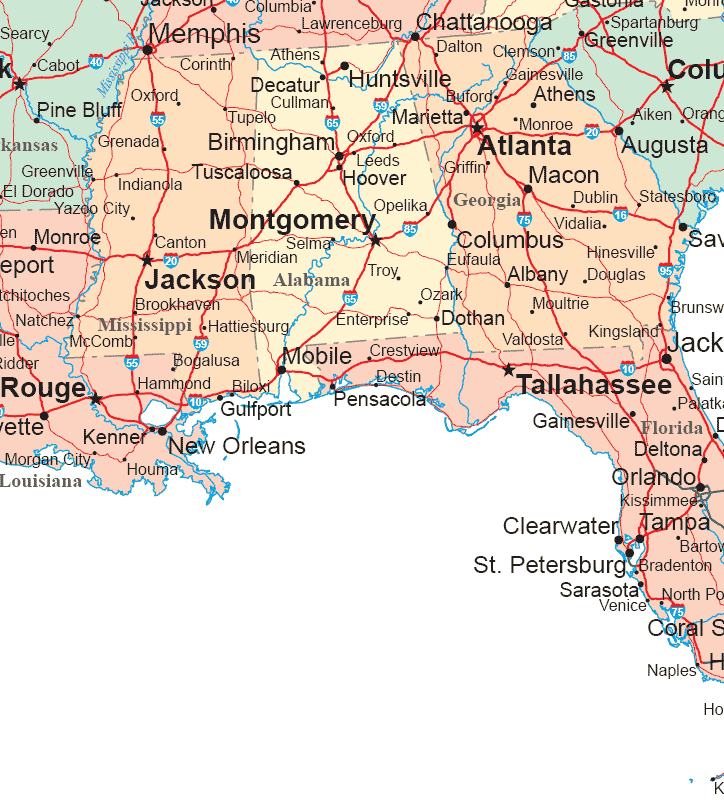
Florida and Mississippi share a common border, making the distance between their closest points relatively short. However, the popular destinations within each state can be hundreds of miles apart. For instance, the driving distance from the western edge of the Florida Panhandle, such as Pensacola, to the Mississippi state line is minimal. Yet, traveling from Miami, at Florida’s southern tip, to the Mississippi Gulf Coast city of Biloxi involves a significant journey. This variability is crucial for anyone planning a trip, as the starting and ending points within each state will dramatically alter the time and distance calculations. The geographic embrace of the Gulf of Mexico plays a significant role in shaping the coastlines of both states, influencing travel routes and vacation opportunities.
Key Travel Routes and Considerations
The primary arteries connecting Florida and Mississippi are a network of interstate highways. The most prominent is Interstate 10, which runs east-west across the southern United States, connecting major cities in both states. This highway is a vital link for those traveling between the Florida Panhandle and the Mississippi Gulf Coast, offering a direct and efficient route. For travelers venturing further south in Florida, or coming from the northern parts of Mississippi, other routes like Interstate 65 in Alabama become relevant, acting as a connector between the two states via a slightly more easterly path.
Driving Distances and Times
The actual driving distance can vary significantly depending on the specific origin and destination.
- Pensacola, Florida to Mobile, Alabama: This is one of the shortest inter-state drives, typically around 60 miles and taking a little over an hour via I-10. This stretch is popular for day trips and short excursions.
- Tallahassee, Florida to Hattiesburg, Mississippi: A more substantial drive, this journey covers approximately 350-400 miles and can take between 5.5 to 7 hours of driving time, again primarily utilizing I-10 and then potentially US Highway 98.
- Tampa, Florida to Jackson, Mississippi: This route represents a longer trek, often exceeding 600 miles and requiring around 9-10 hours of driving. Travelers would typically head north on I-75 to I-10 and then north on I-65 through Alabama to reach Jackson.
- Miami, Florida to Oxford, Mississippi: This is one of the most extensive cross-state journeys, covering over 900 miles and demanding at least 14-16 hours of continuous driving. This necessitates an overnight stop for most travelers. The route would likely involve I-95 north, connecting to I-10, and then a northerly progression through Alabama and Mississippi, potentially utilizing routes like US Highway 51.
When planning a road trip, it’s essential to factor in stops for rest, meals, and potential sightseeing along the way. The Appalachian Mountains are not a direct factor for this route, as the terrain is generally flatter through the Gulf Coast states, but the journey can still be demanding. Traffic congestion, especially around major metropolitan areas like Jacksonville, Mobile, and New Orleans (though technically in Louisiana, it’s a common transit point), can add significant time to travel estimates.
Air Travel Options
For those seeking to bridge the distance more rapidly, air travel offers a compelling alternative. Several airports in Florida serve as gateways to Mississippi, and vice versa. Major airports in Florida include Miami International Airport (MIA), Orlando International Airport (MCO), and Tampa International Airport (TPA). In Mississippi, the primary airports for commercial flights are Jackson-Medgar Wiley Evers International Airport (JAN) and Gulfport-Biloxi International Airport (GPT).
Direct flights between these cities are not always abundant, and many journeys may involve a layover, often in hubs like Atlanta or Charlotte. Flight times themselves are relatively short, typically ranging from 1.5 to 3 hours for direct flights, with layovers adding considerably to the total travel duration. While air travel significantly reduces the time spent in transit, it’s important to account for the additional time needed for airport procedures, including check-in, security, and boarding, as well as travel to and from the airports themselves.
Connecting Destinations: From Beaches to Cultural Hubs
The travel from Florida to Mississippi opens up a diverse array of travel experiences, catering to various interests.
Florida’s Coastal Charms and Inland Adventures
Florida is synonymous with its sun-drenched beaches, vibrant theme parks, and diverse ecosystems. Traveling from the western Panhandle, one can explore the pristine white sands of Destin and 30A. Moving eastward, the beaches of Clearwater and Siesta Key on the Gulf Coast offer different but equally stunning coastal experiences. On the Atlantic side, cities like St. Augustine, the oldest continuously inhabited European-established settlement in the United States, and the bustling metropolis of Miami with its Art Deco architecture and South Beach allure, present a different facet of the Sunshine State. Inland, the natural beauty of the Everglades National Park and the theme park mecca of Orlando offer distinct attractions.
Mississippi’s Rich History and Southern Hospitality
Mississippi, often called the “Magnolia State,” offers a journey into the heart of the Deep South, characterized by its rich history, soulful music, and warm hospitality. The Mississippi Gulf Coast, with cities like Biloxi, Gulfport, and Ocean Springs, provides a coastal experience with casinos, seafood restaurants, and a growing arts scene. Further inland, the historic capital city of Jackson boasts museums like the Mississippi Civil Rights Museum and the Museum of Mississippi History, offering profound insights into the state’s past. Northern Mississippi is the birthplace of the Blues, with destinations like Clarksdale and the Delta Blues Museum serving as pilgrimage sites for music lovers. The charming university town of Oxford, home to the renowned University of Mississippi (Ole Miss) and a vibrant literary scene, provides a picturesque escape.
Practical Travel Tips for the Journey
When planning a trip between Florida and Mississippi, several practical tips can enhance the travel experience.
Seasonality and Weather Considerations
The climate in both states is largely subtropical to temperate, with hot, humid summers and mild winters. The hurricane season, from June 1st to November 30th, is a significant factor, particularly for coastal travel. Travelers should monitor weather forecasts and be aware of potential disruptions during this period. Spring and fall generally offer the most pleasant weather for travel, with lower humidity and milder temperatures, making them ideal for exploring the outdoors. Summer can be intensely hot and humid, which might influence the enjoyment of outdoor activities.
Navigating the Route and Local Attractions
Utilizing GPS navigation systems is highly recommended for efficient travel. Familiarizing oneself with the primary interstate routes, particularly I-10, I-65, and connecting state highways, will streamline the journey. Along the way, there are numerous opportunities for spontaneous stops. For those traveling on I-10 through Alabama, the historic city of Mobile offers attractions such as the USS Alabama Battleship Memorial Park. Small towns and state parks pepper the route, providing chances to experience local culture and enjoy natural scenery. Planning to break up long drives with overnight stays in cities like Montgomery, Alabama, or the aforementioned Mississippi coastal towns can make the journey more relaxed and enjoyable.

Accommodation and Dining
Both states offer a wide range of accommodation options, from budget-friendly motels to luxurious resorts. The Florida Gulf Coast is dotted with beachfront hotels and condos, while cities like Orlando provide extensive family-friendly resorts. In Mississippi, you’ll find casino hotels on the coast, historic inns in charming towns, and standard hotel chains in larger cities. Dining experiences vary greatly, from fresh seafood shacks on the coast to soul food restaurants inland and the diverse culinary scenes of major cities like Miami and Jackson. Sampling local specialties, such as Gulf Coast oysters, Mississippi Delta tamales, or Florida’s famous key lime pie, is an essential part of the travel experience.
LifeOutOfTheBox is a participant in the Amazon Services LLC Associates Program, an affiliate advertising program designed to provide a means for sites to earn advertising fees by advertising and linking to Amazon.com. Amazon, the Amazon logo, AmazonSupply, and the AmazonSupply logo are trademarks of Amazon.com, Inc. or its affiliates. As an Amazon Associate we earn affiliate commissions from qualifying purchases.