
The question of distance between two prominent U.S. states, Florida and New Jersey, is more than a geographical inquiry; it’s a gateway to understanding diverse travel opportunities. Whether you’re planning a sun-drenched escape from the crisp autumn air of the Northeast or a journey to experience the vibrant culture of the Sunshine State, the mileage and time involved significantly shape your travel plans. This exploration delves into the various facets of traveling between these two distinct regions, covering driving routes, flight durations, and the overarching considerations for making this inter-state trip a memorable experience.
Understanding the Geographic Divide
The continental United States, while seemingly contiguous, presents a considerable span between the northern reaches of New Jersey and the southern tip of Florida. The approximate straight-line distance, often referred to as “as the crow flies,” is roughly 950 to 1,100 miles, depending on the specific starting and ending points within each state. For instance, the distance from the northern border of New Jersey near New York City to the southernmost point of Florida in Key West is substantially greater than a journey from southern New Jersey to northern Florida. This considerable expanse necessitates a strategic approach to travel planning.
Driving Distances and Times
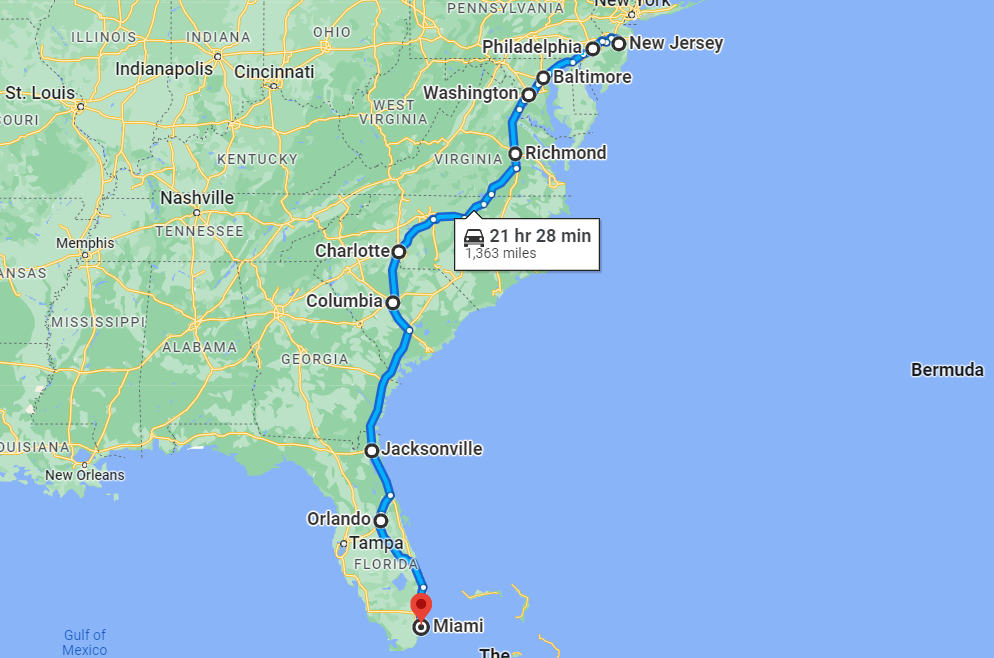
The most common way to traverse this distance for many travelers is by car. The driving distance typically ranges from 1,100 to 1,300 miles, translating into a considerable commitment of time.
Major Driving Routes and Considerations
The primary driving routes often involve utilizing major interstate highways. A common path from northern New Jersey to central Florida, such as to Orlando, would likely involve taking I-95 South for a significant portion of the journey. This route passes through states like Delaware, Maryland, Virginia, the Carolinas, and Georgia, before entering Florida.
- Estimated Driving Time: Without accounting for significant stops for rest, meals, or overnight stays, the direct driving time can range from 18 to 22 hours. However, realistically, this journey is best broken down into at least two, and preferably three, days of driving. This allows for safer travel and the opportunity to break up the monotony.
- Toll Roads: Be prepared for toll roads, particularly in the northeastern states and some sections of Florida. Utilizing an E-ZPass transponder can streamline passage through many toll plazas.
- Traffic: Major metropolitan areas along the route, such as the Washington D.C. metropolitan area, Richmond, Raleigh, and Jacksonville, can experience significant traffic congestion, especially during peak commuting hours and holiday travel periods. Planning your travel to avoid these times can save considerable time and frustration.
- Overnight Stays: Choosing strategic locations for overnight stays is crucial. Cities like Richmond, Charleston (South Carolina), or Savannah (Georgia) offer comfortable accommodations and are typically positioned around the halfway point of a two-day drive. Many travelers opt for the convenience of roadside hotels, while others might seek out more charming local inns.
- Vehicle Maintenance: Ensure your vehicle is in excellent condition for such a long drive. Check tires, brakes, fluids, and have a general tune-up before departing.
Air Travel: A Faster Alternative
For those seeking to minimize travel time, flying is the most efficient option. The flight distance is significantly shorter, and with direct flights, the journey can be completed in just a few hours.
Major Airports and Flight Durations
Both New Jersey and Florida are served by numerous major airports, offering a wide range of flight options.
- Airports in New Jersey and surrounding areas:
- Newark Liberty International Airport (EWR) (New Jersey)
- John F. Kennedy International Airport (JFK) (New York)
- LaGuardia Airport (LGA) (New York)
- Philadelphia International Airport (PHL) (Pennsylvania) – often used by those in southern New Jersey.

-
Airports in Florida:
- Miami International Airport (MIA)
- Fort Lauderdale-Hollywood International Airport (FLL)
- Orlando International Airport (MCO)
- Tampa International Airport (TPA)
- Jacksonville International Airport (JAX)
- Southwest Florida International Airport (RSW) (Fort Myers)
-
Flight Durations: Direct flights from the New York City metropolitan area to major Florida hubs like Orlando or Miami typically range from 2.5 to 3.5 hours. Flights to more southern destinations in Florida might be slightly longer.
Factors Affecting Flight Travel
- Booking in Advance: To secure the best fares, booking flights several weeks or even months in advance is highly recommended, especially for popular travel periods such as spring break, summer holidays, and winter escapes to Florida.
- Airport Transfers: Factor in the time and cost of getting to and from airports on both ends of your journey. This includes local transportation, parking, and shuttle services.
- Baggage Fees: Be aware of airline baggage policies, as fees can add to the overall cost of your travel.
- Direct vs. Connecting Flights: While direct flights are the quickest, connecting flights might offer lower fares. However, the added time for layovers and potential for delays can negate the savings.
- Time Zone Changes: Remember that Florida is in the Eastern Time Zone, the same as New Jersey, so you don’t need to adjust your watch for time differences.
Considering the Intervening Landscape
The journey between New Jersey and Florida is not merely about the mileage; it’s also about the transition through diverse American landscapes and cultures. Driving allows for an immersive experience of this transition.
Experiencing the Mid-Atlantic and Southeast
As you travel south, you’ll notice a distinct shift in geography, climate, and culture. The rolling hills and deciduous forests of the Mid-Atlantic states give way to the flatter terrains and pine forests characteristic of the Southeast.
- Mid-Atlantic States: Regions around Pennsylvania, Maryland, and Virginia offer historical significance, with proximity to landmarks like Gettysburg or the historic triangle of Williamsburg, Jamestown, and Yorktown.
- The Carolinas: Both North and South Carolina present varied attractions, from the Great Smoky Mountains in the west to the coastal beaches and historic cities like Charleston and Savannah.
- Georgia: Georgia continues this trend with its diverse offerings, from the historic charm of Savannah to the natural beauty of the Okefenokee Swamp.
- Florida’s Arrival: Upon entering Florida, the climate becomes noticeably warmer and more humid, a stark contrast to the cooler air of New Jersey. The landscape shifts to subtropical flora, and the culture begins to reflect a unique blend of Southern hospitality and Caribbean influences, particularly as you head further south.
Choosing Your Travel Style
The ultimate decision on how to travel between New Jersey and Florida depends on your priorities, budget, and the overall experience you wish to have.

Factors Influencing Your Choice
- Time Constraints: If time is of the essence, air travel is the clear winner. A weekend getaway or a short business trip would likely necessitate flying.
- Budget: Driving can sometimes be more cost-effective for families or groups, especially when factoring in the cost of multiple airline tickets. However, it’s essential to consider fuel, tolls, accommodation, and food expenses for a road trip.
- Desire for Exploration: For travelers who enjoy seeing the country, a road trip offers unparalleled opportunities for spontaneous stops, exploring roadside attractions, and experiencing the authentic pulse of different regions. This type of travel allows for a deeper connection with the journey itself.
- Comfort and Convenience: Air travel offers a more direct and often less physically demanding journey. However, it can also involve the stresses of airport security, potential delays, and the inherent discomfort of being confined to a seat for hours.
- Luggage Capacity: If you’re planning an extended stay in Florida and need to bring a significant amount of luggage, driving provides much greater flexibility than airline baggage restrictions.
Ultimately, the distance between Florida and New Jersey is a manageable span for American travelers, offering a spectrum of travel experiences from the expediency of air travel to the immersive adventure of a cross-country road trip. Each method presents its unique advantages, allowing you to tailor your journey to best suit your needs and desires.
LifeOutOfTheBox is a participant in the Amazon Services LLC Associates Program, an affiliate advertising program designed to provide a means for sites to earn advertising fees by advertising and linking to Amazon.com. Amazon, the Amazon logo, AmazonSupply, and the AmazonSupply logo are trademarks of Amazon.com, Inc. or its affiliates. As an Amazon Associate we earn affiliate commissions from qualifying purchases.