
Planning a road trip from the Gulf Coast to the heart of the Sunshine State? Understanding the travel distance between Fort Myers, Florida and Orlando, Florida is a crucial first step in mapping out your adventure. This journey, while seemingly straightforward, offers various routes, travel times, and considerations that can significantly impact your experience. Whether you’re heading to Orlando for its world-renowned theme parks, exploring its vibrant culinary scene, or using it as a gateway to other Central Florida attractions, knowing the specifics of the drive is paramount for efficient and enjoyable travel. This guide will delve into the primary routes, estimate travel times, and provide essential tips for making the most of your transition from the relaxed coastal vibes of Fort Myers to the energetic pulse of Orlando.
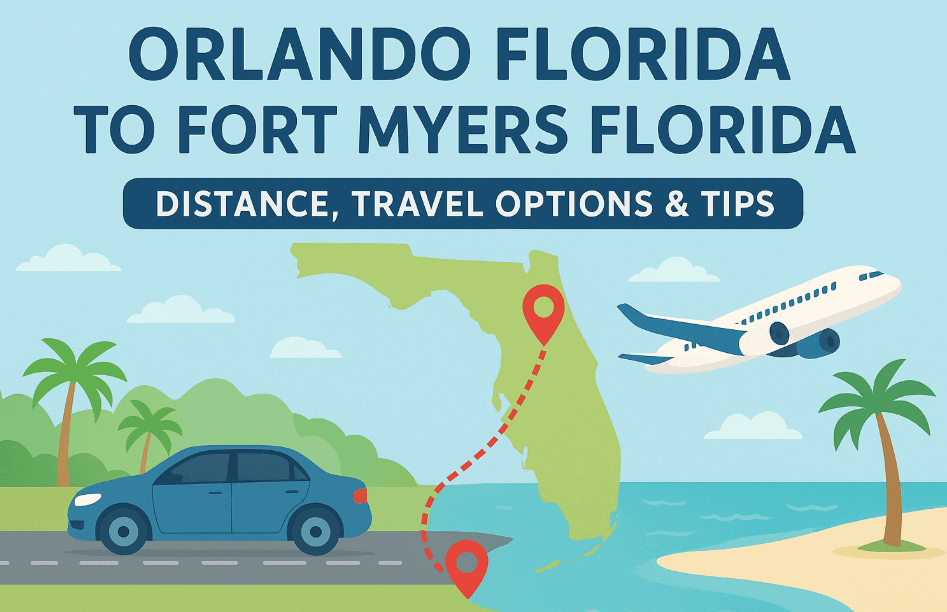
Understanding the Primary Travel Routes and Distances
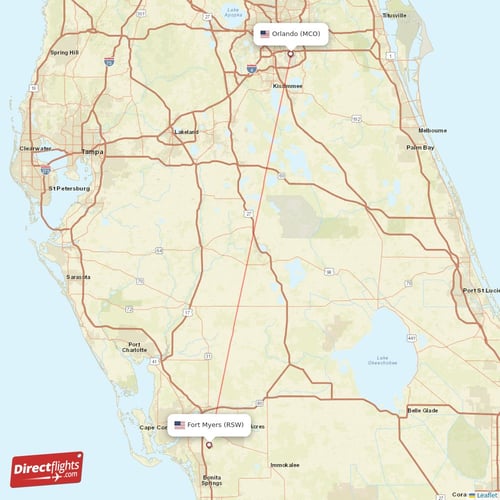
The journey between Fort Myers, Florida and Orlando, Florida is predominantly covered by a few key arterial roadways, each offering a slightly different experience and timing. The most common and direct route typically involves heading northeast from the Southwest Florida region.
The Interstate 75 and Florida’s Turnpike Combination
The most frequently traveled and generally fastest route utilizes a combination of Interstate 75 (I-75) and Florida’s Turnpike. This path is favored for its well-maintained infrastructure and the relative ease of navigation.
- The Initial Leg: From Fort Myers, you will typically start by taking I-75 North. This segment of the journey will lead you through diverse Floridian landscapes, from the agricultural fields of Southwest Florida to the more suburban and developed areas as you approach Central Florida. The drive on I-75 North generally lasts for a significant portion of the trip.
- Transition to the Turnpike: The crucial transition point usually occurs around the area of Wildwood, Florida, or slightly south of it, where you’ll merge onto Florida’s Turnpike North. This toll road is designed for efficient, high-speed travel and is specifically geared towards connecting major population centers and tourist destinations across the state.
- Approaching Orlando: Florida’s Turnpike North will then guide you directly into the Orlando metropolitan area. Exits along the turnpike are well-signed and provide access to various parts of Orlando, including the theme park districts, downtown, and surrounding neighborhoods.
Distance: The total mileage for this route typically falls between 150 and 170 miles, depending on your exact starting point in Fort Myers and your specific destination within Orlando. The variability arises from the intricate network of local roads that connect to the main arteries at both ends of the journey.
Alternative Routes and Their Considerations
While the I-75 and Florida’s Turnpike combination is the most common, other routes exist, though they are generally longer and may be subject to more varied traffic conditions.
- US Highway 41 and State Road 60: For those who prefer to avoid tolls or seek a more scenic, albeit slower, experience, a route involving US Highway 41 (Tamiami Trail) and then heading east on State Road 60 can be considered. This path takes you through more rural areas and smaller towns.
- Pros: Potentially more picturesque, avoidance of tolls.
- Cons: Significantly longer travel time, potentially slower speeds, more frequent stops for local traffic and signals, less direct access to major attractions in Orlando.
- US Highway 17: Another option involves heading north on US Highway 17 from the Fort Myers area and then connecting to routes that lead into Orlando. This route can also be more scenic but typically involves more local traffic and slower speeds compared to the interstate.
These alternative routes are best suited for travelers who have ample time, are looking for a more relaxed pace, or wish to explore the less-traveled parts of Florida. For most visitors focused on reaching Orlando efficiently, the interstate and turnpike option remains the most practical choice.
Estimating Travel Times and Factors Influencing Them
The estimated travel time between Fort Myers, Florida and Orlando, Florida can vary considerably. While navigation apps might suggest a baseline time, real-world conditions are often the deciding factor.
The Baseline Drive Time
Under optimal conditions, with light traffic and no significant delays, the drive via I-75 North to Florida’s Turnpike North typically takes approximately 2.5 to 3 hours. This estimate assumes you are driving at or near the posted speed limits and making minimal stops.
Factors That Can Extend Your Journey

Several elements can significantly impact your travel time, turning a swift 3-hour drive into a longer excursion:
- Traffic Congestion: This is perhaps the most significant variable.
- Rush Hour: Traveling during typical morning (6 AM – 9 AM) and evening (4 PM – 7 PM) rush hours in both the Fort Myers and Orlando metropolitan areas can add considerable time. The stretches of I-75 and Florida’s Turnpike that pass through these urban centers are particularly prone to congestion.
- Event-Related Traffic: Major events, such as sports games, concerts at venues like the Amway Center or sporting events at Camping World Stadium, can cause localized traffic slowdowns, especially on weekends or evenings.
- Construction and Roadwork: Florida is constantly undergoing infrastructure improvements. Construction zones, lane closures, and detours are common and can lead to unexpected delays. It’s wise to check local traffic reports before you depart.
- Time of Day and Day of Week: Weekends, especially Fridays and Sundays, tend to be busier as people travel for leisure. Holiday weekends are notorious for heavy traffic. Driving very early in the morning or late at night can often lead to a smoother journey.
- Weather Conditions: Florida’s weather can be unpredictable. Heavy rain, thunderstorms, or fog can reduce visibility and force drivers to slow down, thus increasing travel time. Hurricanes or tropical storms can cause widespread travel disruptions and road closures.
- Vehicle Performance and Fuel Stops: If your vehicle requires frequent refueling or experiences minor issues, these will naturally add to your overall travel duration. Planning your fuel stops in advance can mitigate this.
- Rest Stops and Meal Breaks: While essential for a comfortable road trip, unscheduled or lengthy stops for meals, rest breaks, or sightseeing will, of course, extend the total time from departure to arrival.
Recommendation: Always factor in at least an additional 30-60 minutes to your estimated travel time, especially if traveling during peak hours or on weekends, to account for potential delays. Using a real-time navigation app like Google Maps or Waze is highly recommended, as they provide live traffic updates and can suggest alternative routes if significant congestion is detected.
Preparing for Your Road Trip: Essential Tips and Considerations
A well-prepared road trip enhances comfort, safety, and overall enjoyment. When traveling from Fort Myers, Florida to Orlando, Florida, a few key preparations can make all the difference.
Vehicle Check and Maintenance
Before embarking on any road trip, a thorough check of your vehicle is essential.
- Tire Pressure and Tread: Ensure your tires are properly inflated to the recommended pressure and have adequate tread depth for safe driving, especially during rainy conditions.
- Fluid Levels: Check and top up essential fluids, including engine oil, coolant, brake fluid, and windshield wiper fluid.
- Brakes: Ensure your braking system is in good working order.
- Lights: Verify that all headlights, taillights, brake lights, and turn signals are functioning correctly.
- Emergency Kit: Pack a basic emergency kit that includes jumper cables, a first-aid kit, a flashlight, a spare tire and jack, and basic tools.
Navigation and Connectivity
- GPS and Mapping Apps: Utilize reliable GPS devices or smartphone mapping applications. Download offline maps for areas where cell service might be spotty.
- Chargers and Power Banks: Ensure you have car chargers for your devices and consider a portable power bank for backup.
- Vehicle Manual: Keep your vehicle’s owner’s manual accessible in case of any dashboard warning lights or minor issues.
Comfort and Entertainment
- Snacks and Drinks: Pack a cooler with water, beverages, and non-perishable snacks. This saves time and money compared to frequent stops at service stations.
- Comfortable Clothing: Dress in comfortable, breathable clothing suitable for Florida’s climate.
- Entertainment: Prepare playlists, podcasts, or audiobooks for your journey. If traveling with children, consider travel games or activities to keep them entertained.
- Pillows and Blankets: For longer drives, travel pillows and light blankets can enhance comfort.
Tolls and Payment
Florida’s Turnpike is a toll road, and while cash is accepted at some toll booths, the state is increasingly moving towards electronic toll collection.
- SunPass or E-ZPass: Consider purchasing a SunPass transponder or utilizing compatible systems like E-ZPass. This allows for seamless travel through toll plazas and often provides discounted rates. You can often purchase a SunPass at major service stations or online.
- Toll by Plate: If you don’t have a transponder, tolls are typically billed to your license plate via “Toll by Plate.” Ensure your vehicle registration information is up to date with the Department of Motor Vehicles to avoid issues with billing.
Safety Considerations
- Stay Alert: Avoid driving when fatigued. Take breaks every couple of hours to stretch your legs and refresh yourself.
- Observe Speed Limits: Adhere to posted speed limits and adjust your speed according to weather and traffic conditions.
- Maintain Safe Following Distance: Leave ample space between your vehicle and the one in front of you, especially on highways.
- Be Aware of Surroundings: Be mindful of other drivers and be prepared for sudden braking or lane changes.
- Plan Your Stops: If you need to stop, choose well-lit and populated rest areas or service stations.
By meticulously planning your route, estimating realistic travel times, and preparing your vehicle and yourself, the journey from Fort Myers, Florida to Orlando, Florida can be a smooth and enjoyable prelude to your Orlando adventures.
LifeOutOfTheBox is a participant in the Amazon Services LLC Associates Program, an affiliate advertising program designed to provide a means for sites to earn advertising fees by advertising and linking to Amazon.com. Amazon, the Amazon logo, AmazonSupply, and the AmazonSupply logo are trademarks of Amazon.com, Inc. or its affiliates. As an Amazon Associate we earn affiliate commissions from qualifying purchases.