
Planning a journey between two prominent Florida cities, Gainesville and Tampa, involves understanding the distance, travel times, and the most efficient routes to ensure a smooth and enjoyable experience. Whether you’re a local resident, a tourist exploring the Sunshine State, or a business traveler, knowing the specifics of this approximately 150-mile stretch is crucial for effective planning. This guide delves into the various aspects of traveling from Gainesville to Tampa, offering insights into driving, alternative transport, and considerations for making the most of your trip.
Driving Distances and Estimated Travel Times
The most common and direct method of travel between Gainesville and Tampa is by car. The distance is relatively manageable, making it a popular choice for many travelers.
Primary Driving Routes
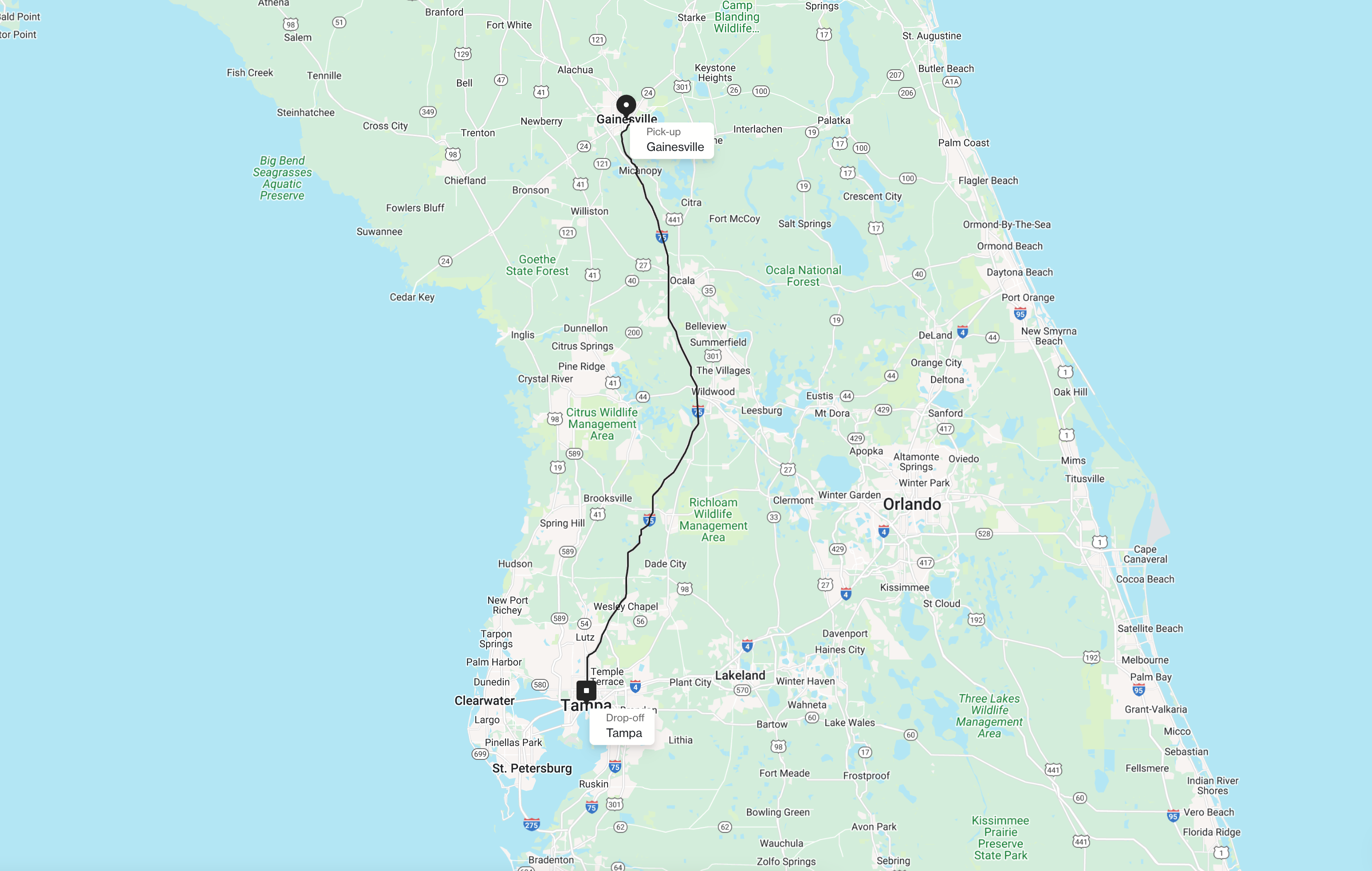
The primary route typically involves taking Interstate 75 South (I-75 S) for a significant portion of the journey.
-
Route 1: I-75 South Direct
- Distance: Approximately 145 to 155 miles, depending on your exact starting and ending points within each city.
- Estimated Drive Time: Under normal traffic conditions, the drive can take between 2 hours and 30 minutes to 3 hours.
- Details: This is generally the most straightforward and fastest route. You’ll depart Gainesville and merge onto I-75 South. You’ll continue on I-75 S for the majority of the trip, passing through cities like Wildwood and Dade City before reaching the outskirts of Tampa. The interstate provides a well-maintained highway with multiple lanes, designed for efficient long-distance travel.
-
Route 2: US-27 South and I-75 South (Slightly Longer)
- Distance: Might be marginally longer by a few miles.
- Estimated Drive Time: Potentially 10-20 minutes longer than the direct I-75 route.
- Details: In some cases, especially if starting from the eastern side of Gainesville, taking US-27 South for a segment before connecting to I-75 South might be an option. This route can offer different scenery and potentially bypass some congestion points, though it’s less commonly the primary choice for speed.
Factors Affecting Travel Time
It is crucial to acknowledge that the estimated drive times are based on ideal conditions. Several factors can significantly impact how long it takes to reach your destination:
- Traffic Congestion: Both Gainesville and Tampa experience traffic, particularly during peak commuting hours (typically 7-9 AM and 4-6 PM on weekdays). Travel through the greater Tampa Bay Area can be particularly affected by rush hour.
- Construction: Road construction projects are common on major Florida highways like I-75. Detours and lane closures due to construction can cause significant delays. It’s always advisable to check real-time traffic updates before and during your journey.
- Accidents: Unforeseen accidents can bring traffic to a standstill. Monitoring traffic apps or radio stations can help you reroute if necessary.
- Weather: Florida’s weather, especially during hurricane season (June 1 to November 30), can bring heavy rain, thunderstorms, and reduced visibility, slowing down travel.
- Time of Day/Day of Week: Traveling on a weekend, particularly a Friday afternoon or Sunday evening, can lead to increased traffic as people head to or return from leisure activities or family visits.
Exploring Alternative Transportation Options
While driving is the most popular method, other transportation options exist for traveling between Gainesville and Tampa. These can be beneficial for those who prefer not to drive, wish to save on fuel, or want to relax during their commute.
Bus Services
Several bus companies operate routes between Gainesville and Tampa, offering a budget-friendly alternative to driving.
- Providers: Companies like Greyhound are known to service this route.
- Departure/Arrival Points: Bus terminals are usually located in accessible parts of each city, with Gainesville’s terminal typically near downtown and Tampa’s near the Amalie Arena area or in the Ybor City district.
- Travel Time: Bus journeys are generally longer than driving due to stops and the nature of bus travel. Expect travel times to range from 3.5 to 5 hours, depending on the specific route and number of stops.
- Booking: Tickets can usually be booked online in advance, often offering better prices.

Ride-Sharing Services
For a more flexible and often quicker option than traditional bus services, ride-sharing platforms can be considered, though they are typically more expensive.
- Platforms: Services like Uber and Lyft operate in both Gainesville and Tampa.
- Availability: While you can find drivers for longer trips, arranging a long-distance ride-share for this specific route might require booking a private or scheduled service.
- Cost: The cost can be substantial, often comparable to or exceeding the cost of fuel for a personal vehicle, but it eliminates the need to drive.
- Convenience: This option offers door-to-door service, which can be a significant advantage.
Train Travel (Indirect)
Direct train services between Gainesville and Tampa are not readily available. However, it is possible to combine train travel with other modes of transport.
- Route: One could potentially take a train from Gainesville to a major transit hub like Orlando and then connect to a service heading to Tampa.
- Providers: Amtrak is the primary passenger rail service provider in the United States.
- Considerations: This option is generally the slowest and most complex, requiring multiple bookings and transfers. It is primarily for travelers who enjoy the scenic aspect of train journeys and have ample time. The total travel time could easily exceed 6-8 hours or more.
Planning Your Trip: Tips and Considerations
Beyond the distance and travel time, several practical considerations can enhance your journey from Gainesville to Tampa.
Pre-Trip Preparations
- Vehicle Check: If driving, ensure your vehicle is in good condition. Check tire pressure, oil levels, and fluids. A well-maintained car is essential for a long drive.
- Navigation: Utilize GPS navigation apps like Google Maps, Waze, or Apple Maps. Ensure your device is charged and consider a car charger or portable power bank. Download offline maps in case of spotty service.
- Snacks and Drinks: While there are numerous rest stops and service areas along I-75, having your own snacks and water can save time and money.
- Entertainment: Prepare playlists, podcasts, or audiobooks to make the drive more enjoyable.
During Your Journey
- Rest Stops: Plan for at least one or two stops to stretch your legs, use restrooms, and perhaps grab a quick meal. Service plazas on I-75 offer various amenities.
- Fuel: Keep an eye on your fuel gauge, especially if traveling during off-peak hours or through more rural stretches, as gas stations might be less frequent.
- Emergency Preparedness: Ensure you have a basic emergency kit in your car, including jumper cables, a first-aid kit, and a flashlight.

Arriving in Tampa
Upon arrival in Tampa, consider your onward transportation within the city.
- Parking: If you’ve driven, familiarize yourself with parking options in your specific destination area (e.g., downtown Tampa, Ybor City, or near attractions like Busch Gardens or Amalie Arena). Parking can range from free street parking to paid garages and lots.
- Public Transportation: Tampa’s public transportation system, operated by the Hillsborough Area Regional Transit Authority (HART), offers bus routes throughout the city.
- Ride-Sharing: Uber and Lyft are widely available for getting around Tampa once you’ve arrived.
This comprehensive look at the distance and travel options between Gainesville and Tampa aims to equip you with the knowledge needed for a well-planned and stress-free journey across the heart of Florida. Whether you choose the open road, a comfortable bus seat, or another alternative, your travel experience will be smoother with careful preparation.
LifeOutOfTheBox is a participant in the Amazon Services LLC Associates Program, an affiliate advertising program designed to provide a means for sites to earn advertising fees by advertising and linking to Amazon.com. Amazon, the Amazon logo, AmazonSupply, and the AmazonSupply logo are trademarks of Amazon.com, Inc. or its affiliates. As an Amazon Associate we earn affiliate commissions from qualifying purchases.