
Navigating the Distance Between Two Coastal Gems
The journey between New Orleans, Louisiana, and Pensacola, Florida, is a well-traveled route for many seeking to experience the distinct charms of the Gulf Coast. These two vibrant cities, separated by a tangible distance, offer vastly different yet equally compelling experiences. Understanding the mileage and the travel time is the first step for any traveler planning an itinerary that encompasses both the jazz-infused streets of New Orleans and the pristine beaches of Pensacola. This exploration delves into the specifics of this popular corridor, examining driving distances, estimated travel times, and considerations for making the most of the journey.

The Direct Route: Driving Distances and Times
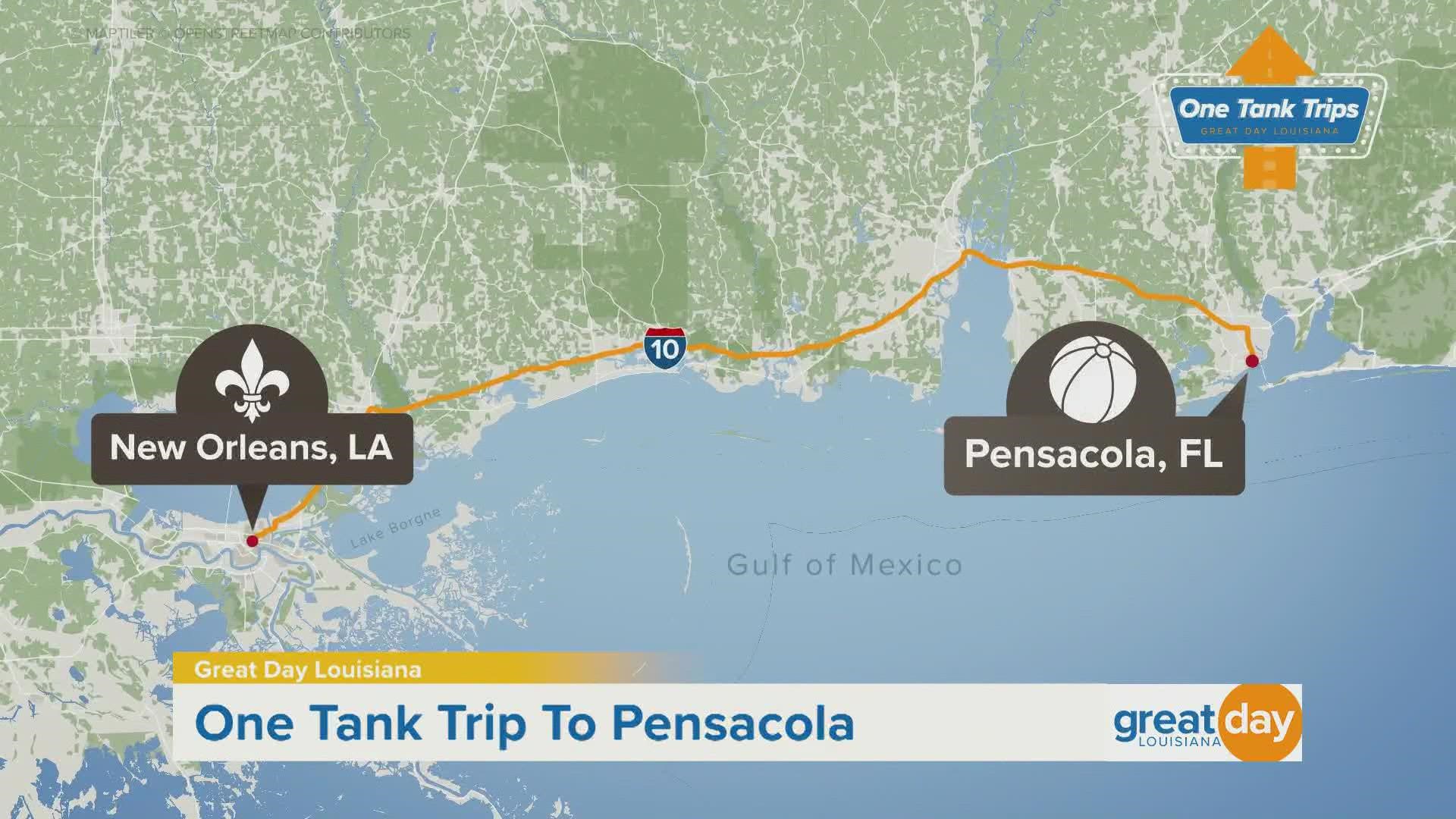
The most common method of travel between New Orleans and Pensacola is by car, offering flexibility and the opportunity to appreciate the changing landscapes. The primary route typically utilizes Interstate 10 (I-10) East for a significant portion of the journey.
- Distance: The approximate driving distance from New Orleans to Pensacola is around 200 to 210 miles, depending on the specific starting and ending points within each city. This makes it a manageable drive for a single day, though factoring in stops can extend the travel period.
- Estimated Travel Time: Under ideal conditions with minimal traffic and no significant stops, the drive can take approximately 3 to 3.5 hours. However, this figure is often an optimistic projection. Travelers should be prepared for potential delays, especially when passing through urban areas or during peak travel seasons. Factors such as construction, accidents, and holiday traffic can easily add an hour or more to the journey. The section of I-10 between Mobile, Alabama, and Pensacola can sometimes experience congestion.
- Route Considerations: The I-10 E route is generally well-maintained and offers a straightforward path. Drivers will traverse through parts of Mississippi and Alabama before reaching the Florida Panhandle. While I-10 is the most direct, alternative routes might exist for those seeking a more scenic drive, though they would inevitably increase travel time. For instance, exploring coastal highways could offer glimpses of smaller towns and bayous, but this is typically reserved for travelers with ample time and a desire for exploration beyond the quickest transit.
Beyond the Wheel: Alternative Travel Options
While driving is the most prevalent mode of transport, other options exist for reaching Pensacola from New Orleans, each with its own set of advantages and considerations.
Flying
- Direct Flights: Direct flights between New Orleans Louis Armstrong International Airport (MSY) and Pensacola International Airport (PNS) are not consistently available or may be seasonal. When available, the flight time is very short, typically under an hour. However, the overall travel time, including getting to the airport, security checks, boarding, deplaning, and collecting luggage, can often make it comparable to or even longer than driving.
- Connecting Flights: Numerous connecting flight options are usually available, but these significantly increase travel time and can be more costly.
- Cost and Convenience: The decision to fly often hinges on cost comparisons, the value of time, and personal preference. For those prioritizing speed and avoiding the intricacies of driving, a direct flight (when available) might be appealing, but it’s crucial to factor in all associated airport transit times and costs.
Bus and Train Travel
- Bus Services: Intercity bus services, such as Greyhound, operate routes connecting New Orleans and Pensacola. These services offer a budget-friendly alternative to flying or driving solo. The journey duration by bus is generally longer than driving, often ranging from 4 to 6 hours or more, depending on the number of stops. This option appeals to budget-conscious travelers or those who prefer not to drive long distances.
- Train Services: Amtrak’s service between New Orleans and Pensacola involves a route that is not direct. Travelers would typically need to travel east towards Jacksonville or Atlanta and then back west to Pensacola, making it a significantly longer and less practical option for this specific journey. The Crescent line, for instance, goes from New Orleans to New York, and a transfer would be required to reach Pensacola, often involving lengthy waits and detours. For this particular route, train travel is generally not recommended due to its inefficiency.
Planning Your Trip: Essential Considerations
When planning a trip from New Orleans to Pensacola, several factors can enhance the travel experience and ensure smooth transitions between these distinct destinations.
Timing and Traffic Patterns
- Peak Travel Times: The I-10 corridor can experience heavy traffic, particularly during weekday rush hours, major holidays, and spring break periods. Traveling on a Tuesday or Wednesday, outside of these peak times, can lead to a more relaxed drive.
- Road Conditions: Checking real-time traffic updates and road condition reports before and during the journey is advisable. Services like Google Maps or Waze provide valuable information on congestion, accidents, and construction zones.
Scenic Stops and Detours
While the direct drive is efficient, the region between New Orleans and Pensacola offers points of interest that can transform the journey into a more immersive experience.
- Mobile, Alabama: Located roughly halfway between the two cities, Mobile is a historic port city with attractions like the USS Alabama Battleship Memorial Park and the charming.Oakleigh Historic Complex. A stop here can break up the drive and offer a dose of Southern history.
- Coastal Mississippi: For those seeking a more leisurely pace, a slight detour south off I-10 can lead to the picturesque coastal towns of Mississippi, such as Ocean Springs or Biloxi. These areas boast beautiful beaches, casinos, and unique culinary scenes.
- Florida Panhandle Beaches: As you approach Pensacola, consider stopping at some of the stunning beaches along Florida’s coastline. Towns like Destin or Fort Walton Beach offer vibrant beach communities and recreational opportunities.
Accommodation and Local Amenities
- New Orleans and Pensacola: Both cities offer a wide array of accommodation options, from luxury hotels and boutique inns to budget-friendly motels and vacation rentals. Booking in advance, especially during peak seasons, is highly recommended.
- Mid-Route Options: If an overnight stop is desired, cities like Mobile provide sufficient lodging and dining facilities. Smaller towns along I-10 also have basic amenities for travelers needing a brief respite.
Thematic Journeys: Tailoring the Travel Experience
The distance between New Orleans and Pensacola can be framed within different travel themes, allowing for a more personalized and enriching experience.
The Culinary Explorer’s Route
For food lovers, the journey itself can be a gastronomic adventure. New Orleans is a global culinary capital, renowned for its Creole and Cajun cuisine, vibrant oyster bars, and beignets. As one travels east, the flavors evolve.
- Louisiana Flavors: Before departing New Orleans, indulge in iconic dishes like gumbo, jambalaya, and po’boys.
- Mississippi Gulf Coast Seafood: Along the coast of Mississippi, especially in towns like Biloxi and Ocean Springs, fresh seafood is a specialty. Enjoy locally caught shrimp, oysters, and fish, often prepared with a Southern flair.
- Pensacola’s Coastal Cuisine: Pensacola offers its own take on Gulf Coast flavors, with an emphasis on fresh seafood, often served in restaurants with stunning waterfront views. Look for local specialties and Southern-inspired dishes.
The History and Culture Buff’s Itinerary
The corridor between these two cities is steeped in history, offering opportunities to delve into the past.
- New Orleans’ Historic Districts: Explore the French Quarter, Garden District, and the historic cemeteries of New Orleans.
- Civil War and Maritime History in Mobile: Mobile boasts a rich history, including its role in the Confederacy. The USS Alabama Battleship Memorial Park is a significant historical site.
- Naval Aviation Heritage in Pensacola: Pensacola is famously known as the “Cradle of Naval Aviation.” The National Naval Aviation Museum is a must-visit for aviation enthusiasts, detailing the history of naval flight with an impressive collection of aircraft. The historic Naval Air Station Pensacola itself is a landmark.
The Beach Lover’s Transition
For those prioritizing sun, sand, and surf, the transition from the bayous of Louisiana to the white sands of Florida is a highlight.
- Louisiana’s Coastal Areas: While not as famed for beaches as Florida, Louisiana offers coastal wetlands and bayous that provide unique natural beauty and opportunities for wildlife viewing.
- Mississippi’s Coastal Retreats: The beaches of Mississippi, while perhaps less renowned than those in Florida, offer a more laid-back atmosphere and beautiful scenery.
- The Emerald Coast of Florida: As you reach Pensacola, you enter the famed Emerald Coast, known for its sugar-white sands and turquoise waters. Beaches like Pensacola Beach, Gulf Shores, and Orange Beach are prime destinations for sunbathing, swimming, and water sports.
Ultimately, the distance between New Orleans and Pensacola is more than just mileage; it represents a passage through diverse landscapes, cultures, and experiences. Whether traveling by car, plane, or bus, understanding the journey’s nuances allows for better planning and a more rewarding exploration of these captivating Gulf Coast cities.
LifeOutOfTheBox is a participant in the Amazon Services LLC Associates Program, an affiliate advertising program designed to provide a means for sites to earn advertising fees by advertising and linking to Amazon.com. Amazon, the Amazon logo, AmazonSupply, and the AmazonSupply logo are trademarks of Amazon.com, Inc. or its affiliates. As an Amazon Associate we earn affiliate commissions from qualifying purchases.