
Planning a trip that bridges the vibrant entertainment of Orlando, Florida with the natural charm of Ocala, Florida requires understanding the logistics of travel between these two distinct Central Florida destinations. While both are nestled within the Sunshine State, the journey offers a glimpse into differing landscapes and experiences. This guide details the distances, travel times, and practical considerations for traversing the approximately 75 miles that separate these two locales, catering to those seeking to seamlessly integrate theme park thrills with equestrian estates and natural wonders.
The Direct Route: Understanding the Distance and Driving Times
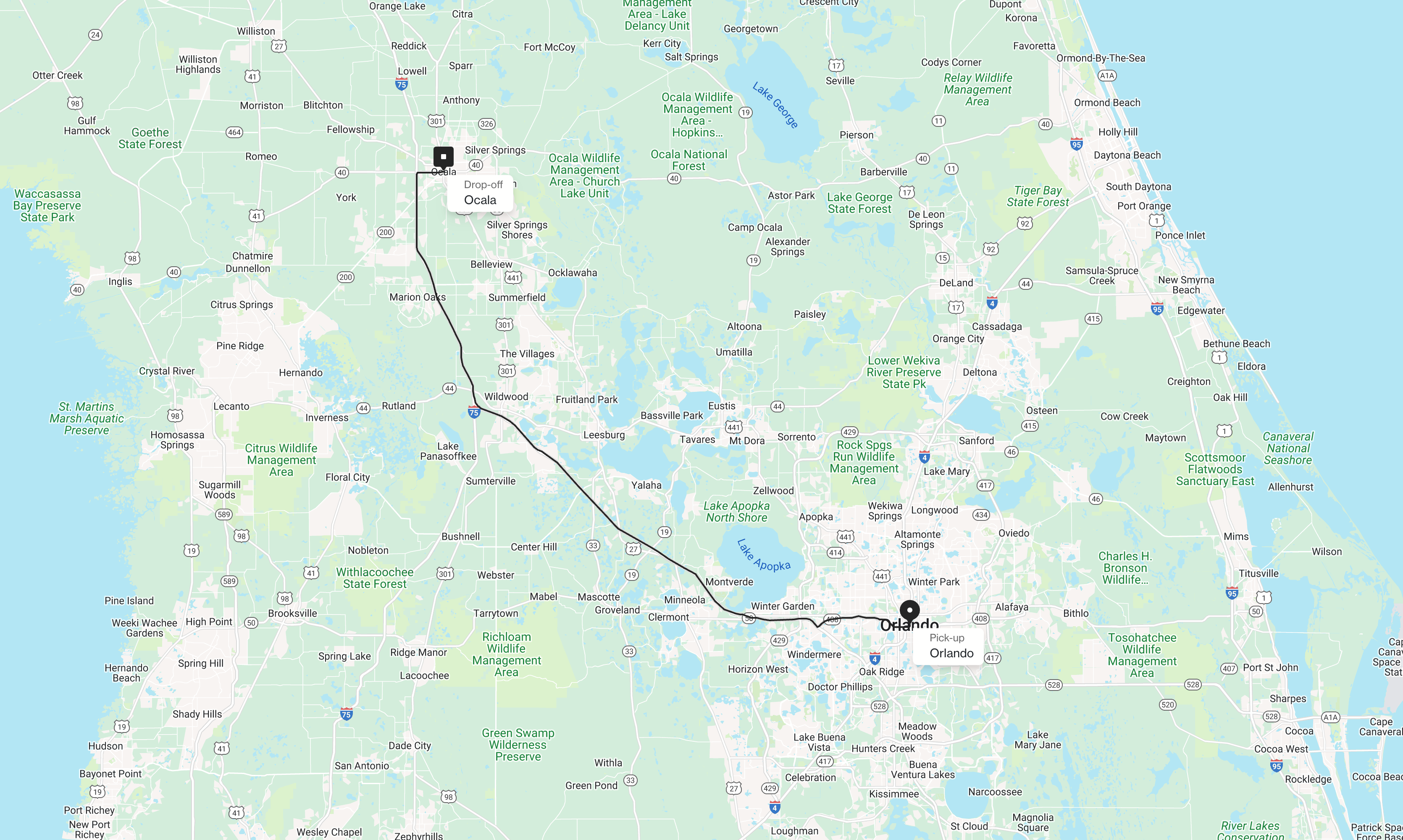
The most common method of travel between Orlando and Ocala is by car. The direct driving distance typically falls between 70 and 80 miles, depending on the specific starting and ending points within each city. This translates to an average driving time of approximately 1 hour and 15 minutes to 1 hour and 45 minutes. This timeframe, however, is highly susceptible to external factors, most notably traffic conditions.

Navigating the Interstates and State Roads
The primary route connecting Orlando and Ocala involves utilizing major roadways that are well-maintained and easily navigable.
I-75 North: The Backbone of the Journey
The most direct and efficient route for many travelers is to head north on I-75. From downtown Orlando, this typically involves an initial drive on local roads or shorter expressways to reach the entrance of I-75 North. The interstate offers a straightforward path for the majority of the journey, bypassing smaller towns and facilitating consistent speeds. As you approach Ocala, I-75 provides multiple exits that lead directly into the city and surrounding areas, including access to attractions like the World Equestrian Center.
Alternative State Road Routes
While I-75 is the dominant artery, alternative routes using state roads like US-27 North can offer a more scenic, albeit potentially slower, experience. These routes wind through smaller communities and agricultural landscapes, providing a different perspective of Central Florida. However, they often involve more traffic lights and lower speed limits, extending the travel time. These are generally best considered if you have ample time and wish to explore off-the-beaten-path locales.
Factors Influencing Travel Time
- Time of Day: Traveling during peak commute hours in Orlando (typically 7-9 AM and 4-6 PM on weekdays) can significantly increase your travel time, especially on the initial stretches leading to I-75. Likewise, approaching Ocala during its local rush hours can add delays.
- Day of the Week: Weekends, particularly during popular tourist seasons, can see increased traffic volume on both interstates and local roads as residents and visitors engage in recreational activities.
- Construction and Roadwork: Central Florida is constantly developing, and unexpected road closures or construction zones can create significant bottlenecks. It’s advisable to check real-time traffic conditions using GPS navigation apps before and during your journey.
- Weather Conditions: Florida weather can be unpredictable. Heavy rain, thunderstorms, or fog can reduce visibility and necessitate slower driving speeds, thereby extending your travel time.
Beyond the Car: Exploring Other Travel Options
While driving is the most common and flexible way to travel between Orlando and Ocala, other options exist for travelers who prefer not to drive or wish to experience the journey differently.
Ride-Sharing Services and Taxis
For those not wishing to rent a car or drive themselves, ride-sharing services like Uber and Lyft are readily available in both Orlando and Ocala. Booking a ride for this distance is feasible, though it is important to note that the cost will be considerably higher than driving your own vehicle or a rental. It’s recommended to obtain a fare estimate beforehand. Similarly, traditional taxi services can be arranged, but they are generally the most expensive option for such a trip.
Private Transportation and Shuttles
For groups or individuals seeking a more personalized and convenient travel experience, private transportation services and dedicated shuttles can be arranged. These services offer the advantage of a pre-booked, direct journey with a professional driver. This can be particularly appealing for business travelers or those with specific timing requirements. Companies specializing in airport transfers and inter-city transport often cater to this need.
The Feasibility of Public Transportation
Currently, direct public transportation options between Orlando and Ocala are limited. Unlike major metropolitan areas with extensive intercity bus or train networks connecting them, this particular route is not well-served by frequent, direct public transit. While it might be possible to piece together a journey involving multiple bus transfers, it would be significantly time-consuming and impractical for most travelers seeking efficiency. This underscores why driving or utilizing ride-sharing services remains the predominant choice for this specific intercity travel.
Making the Most of Your Journey: Travel Tips and Considerations
The roughly 75-mile distance between Orlando and Ocala presents an opportunity to transition from one distinct Florida experience to another. Whether your focus is on theme parks and entertainment or the serene beauty of rolling hills and equestrian culture, a little planning can enhance your journey.
Pre-Trip Planning and Navigation
- Utilize GPS: Before departing, program your destination into a reliable GPS device or smartphone navigation app. These tools provide real-time traffic updates, suggest alternative routes in case of delays, and help you navigate unfamiliar roads with confidence.
- Check Traffic Conditions: As mentioned, traffic is a significant factor. Websites and apps like Google Maps, Waze, or local news traffic reports can provide crucial insights into current road conditions, especially during peak travel times.
- Fuel Up: Ensure your vehicle has sufficient fuel before embarking on the journey. While there are service stations along I-75, it’s always prudent to start with a full tank.
On-the-Road Comfort and Safety
- Breaks: While the drive is relatively short, consider taking a brief stop if you feel fatigued, especially if encountering unexpected delays. Rest areas are available along I-75.
- Hydration and Snacks: Carry water and snacks to ensure comfort during the drive, particularly if traveling with children or during warmer months.
- Vehicle Check: Before any trip, a quick check of your vehicle’s tires, oil, and other essential fluids can prevent potential issues and ensure a smoother journey.
Preparing for Your Destination
- Orlando Focus: If your primary goal is Orlando’s renowned theme parks like Walt Disney World Resort or Universal Orlando Resort, book accommodations and park tickets in advance, especially during peak seasons. Consider the distance from your lodging to the parks and factor in daily travel time.
- Ocala Exploration: If your interests lie in Ocala’s natural beauty, such as the Ocala National Forest or its equestrian heritage, research specific attractions and their opening hours. The drive from Orlando positions you perfectly to then explore areas like Silver Springs State Park or the renowned horse farms.
Discovering the Intervening Landscape
The journey between Orlando and Ocala is more than just a transfer of mileage; it’s a transition through a diverse Central Florida topography. As you depart the urban sprawl of Orlando, the landscape gradually transforms.
From Theme Park Hub to Equestrian Heartland
The initial miles might still reflect suburban development and commercial areas. However, as you ascend I-75 northward, the scenery begins to open up. You’ll notice a shift from dense urban environments to more spread-out residential areas, followed by stretches of Florida’s characteristic pine forests and palmetto scrub. This is the transition zone where the bustling tourist industry of Orlando begins to recede, making way for the agricultural roots that define much of Marion County, the home of Ocala.
The Agricultural Influence of Marion County
Approaching Ocala, the visual cues of its identity as the “Horse Capital of the World” become apparent. Vast pastures, often bordered by white fencing, dot the landscape. You’ll see sprawling equestrian estates, training facilities, and glimpses of horses grazing peacefully. This pastoral scenery offers a stark contrast to the artificial landscapes of theme parks and provides a serene backdrop to your arrival. The transition is palpable, moving from a world of manufactured excitement to one of natural beauty and agricultural prowess.
Opportunities for Scenic Detours
While sticking to the interstates is the fastest route, those with a little extra time might consider brief detours to experience aspects of the intervening region.
Lake County’s Charm
Areas within Lake County, which lies between Orlando and Marion County, offer a glimpse into Florida’s lake-dotted interior. Towns like Mount Dora or Tavares provide a charming, historic atmosphere with antique shops and waterfront views, should you wish to make a short stop. These can be accessed via state roads branching off from the main north-south routes.

The Natural Appeal of the Ocala National Forest
While slightly off the most direct path towards downtown Ocala, the Ocala National Forest is a significant natural attraction in the region. If your travels allow, and you are heading into the eastern parts of Ocala or beyond, a brief exploration of its springs and trails can be a rewarding addition, offering a deep dive into Florida’s natural aquatic ecosystems.
Ultimately, the distance between Orlando, Florida and Ocala, Florida is a manageable one, making it an accessible journey for anyone looking to experience the multifaceted offerings of Central Florida. Whether you’re departing from the magic of Orlando or arriving in the equestrian tranquility of Ocala, the approximate 75 miles offer a smooth transition through a captivating region.
LifeOutOfTheBox is a participant in the Amazon Services LLC Associates Program, an affiliate advertising program designed to provide a means for sites to earn advertising fees by advertising and linking to Amazon.com. Amazon, the Amazon logo, AmazonSupply, and the AmazonSupply logo are trademarks of Amazon.com, Inc. or its affiliates. As an Amazon Associate we earn affiliate commissions from qualifying purchases.