
The allure of Key West, Florida, a sliver of paradise at the southernmost point of the continental United States, draws travelers from across the globe. Its unique blend of laid-back island charm, vibrant history, and stunning natural beauty makes it a quintessential destination. However, for many planning a trip, a fundamental question arises: “How far is it to Key West?” This inquiry encompasses not just geographical distance but also the various modes of travel and the experiences that lie between the point of departure and arrival. Understanding these distances and travel options is crucial for crafting an optimal itinerary.
Navigating the Distance: Driving to the Southernmost City
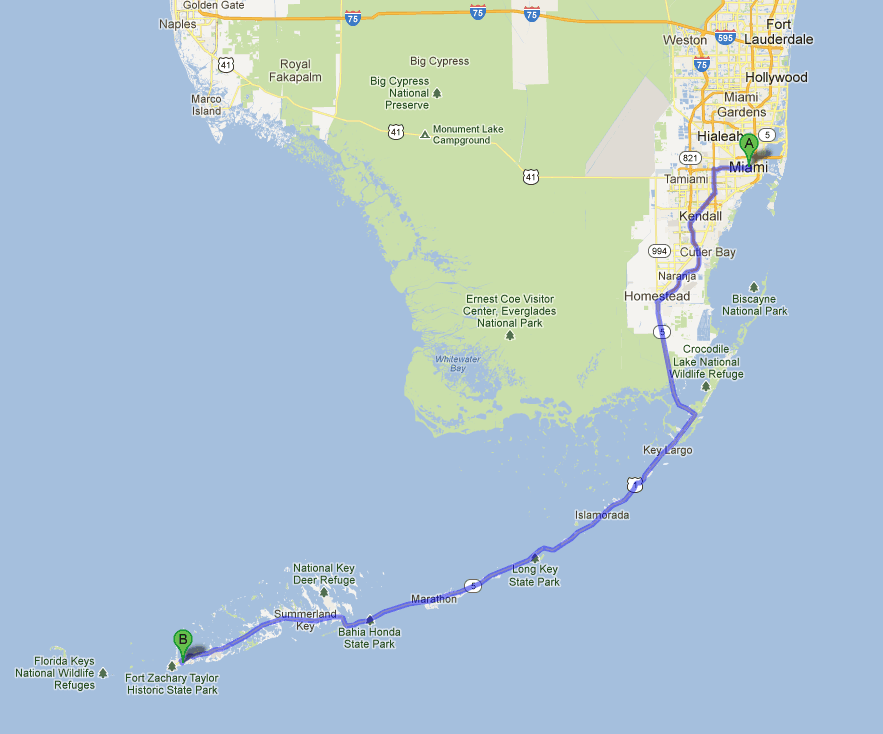
For those embarking on a road trip, the journey to Key West is an adventure in itself, primarily defined by the iconic Overseas Highway. This engineering marvel, comprised of 42 bridges spanning 113 miles, connects the Florida Keys chain to mainland Florida.
From Major U.S. Cities
The driving distance to Key West varies significantly depending on your starting point.
- Miami, Florida: Often considered the gateway to the Keys, Miami is approximately 160 miles from Key West. The drive typically takes around 3.5 to 4 hours, without accounting for traffic or stops. Travelers can choose to take the scenic U.S. 1 or the faster Florida’s Turnpike to Florida City, then merge onto the Overseas Highway.
- Orlando, Florida: For those coming from central Florida, Orlando is about 300 miles away, with a driving time of roughly 5.5 to 6 hours. The route usually involves the Florida’s Turnpike South, transitioning to the Homestead Extension of Florida’s Turnpike, and then U.S. 1 South.
- Tampa, Florida: Located on the west coast of central Florida, Tampa is approximately 330 miles from Key West. The drive generally takes about 6 to 6.5 hours, often utilizing I-75 South to I-4 East, then the Florida’s Turnpike South.
- Atlanta, Georgia: For travelers originating from the southeastern United States, Atlanta is a substantial drive of approximately 700 miles. This journey typically requires 10 to 12 hours of driving time, often broken into two days with an overnight stop. The primary route involves I-75 South.
- New York City, New York: A cross-country road trip from the Northeast, New York City is over 1,300 miles from Key West. This extensive drive usually necessitates at least two to three days, with major arteries like I-95 South being the common pathway.
The Overseas Highway Experience
The Overseas Highway itself is a destination. As you drive south, the mainland gradually recedes, replaced by a breathtaking expanse of turquoise waters and verdant islands. Each bridge offers a unique perspective, from the historic Seven Mile Bridge, an engineering marvel of its time, to the newer spans that ensure smooth passage. Along the way, numerous state parks and roadside attractions offer opportunities to break up the drive and soak in the Keys’ unique ambiance. Planning for frequent stops is essential to truly appreciate the journey.
Air Travel: Reaching Key West Swiftly
For those prioritizing speed and convenience, flying into Key West is the most efficient option. The island is served by the Key West International Airport (EYW).
Direct Flights and Connections
- From Major U.S. Hubs: Direct flights to Key West are available from several major cities, including Miami, Fort Lauderdale, Tampa, Orlando, Atlanta, and Charlotte. These flights are typically operated by airlines such as Delta Air Lines, American Airlines, and United Airlines, with seasonal service from other carriers.
- Connecting Flights: For travelers originating from cities not served by direct flights, connecting flights are readily available, most commonly through hubs like Miami or Fort Lauderdale. The total travel time, including layovers, can vary from 3 to 7 hours, depending on the connection.
- Flight Duration: The actual flight time from cities within Florida to Key West is remarkably short, often less than an hour. Flights from further afield, like Atlanta, are typically around 1.5 to 2 hours.
Airport Proximity and Transportation
Key West International Airport (EYW) is conveniently located just a few miles east of Key West‘s historic Old Town. Upon arrival, a variety of transportation options are available to reach your accommodation. Taxis and ride-sharing services are plentiful. Many hotels also offer shuttle services, and rental cars are available, though parking in Key West can be challenging and expensive. For shorter distances, the island is highly walkable and bike-friendly.

Boat Travel: A Nautical Approach
While not as common for most travelers, arriving in Key West by boat offers a unique and memorable experience, particularly for private vessel owners or those opting for cruise lines that include Key West in their itineraries.
Cruise Ship Itineraries
Several major cruise lines, including Carnival Cruise Line, Royal Caribbean International, and Norwegian Cruise Line, frequently feature Key West as a port of call on their Caribbean and Florida itineraries. These cruises typically depart from ports such as Miami, Fort Lauderdale, Tampa, or even further afield in Galveston, Texas. The time spent at sea before reaching Key West depends entirely on the departure port and the overall length of the cruise. A cruise departing from Miami might reach Key West on its first or second day at sea.
Private Boating and Marinas
For experienced sailors and boaters, Key West offers a welcoming harbor. The distance to Key West by water from mainland Florida ports like Marathon or Key Largo is significantly shorter than driving, but requires careful navigation due to shallow channels and navigational hazards. Key West boasts several well-equipped marinas, including the Marina Key West and the Conch Harbor Marina, which can accommodate vessels of various sizes. The journey by private boat allows for a more leisurely pace, with the freedom to anchor in secluded coves and explore the smaller, uninhabited islands along the way.
Factors Influencing Travel Time
The “how far” question also involves considering several factors that can significantly impact the actual time spent traveling to Key West.
Traffic and Seasonality
Florida is a popular tourist destination year-round, and Key West is no exception. During peak seasons, such as winter holidays, spring break, and the summer months, traffic on the Overseas Highway can be considerably heavier. This can add substantial time to driving journeys. Similarly, Key West International Airport experiences higher passenger volumes, potentially leading to longer check-in and security times. Traveling during the shoulder seasons (spring and fall) or weekdays can often result in a smoother and quicker journey.
Time Zones
While Key West is located in Florida, it observes Eastern Standard Time (EST) and Eastern Daylight Time (EDT), the same as the eastern seaboard of the United States. This simplifies time calculations for most domestic travelers, but it’s always good practice to confirm time zones when planning international travel or trips originating from regions with different timekeeping.

Stops and Sightseeing
The distance to Key West is not merely about miles; it’s also about the experiences along the way. For drivers, the Florida Keys offer countless opportunities for exploration. Key Largo, Islamorada, Marathon, and Big Pine Key each possess their own unique charm, with attractions like John Pennekamp Coral Reef State Park, the Dolphins Plus Marine Institute, and the opportunity to spot the endangered Key deer. Incorporating these stops can transform a straightforward drive into an extended, unforgettable journey. Likewise, for air travelers, the convenience of direct flights is often weighed against the desire for a more immersive experience of the Keys, which may lead some to choose driving or ferry services from nearby mainland airports.
Ultimately, the question of “how far to Key West” is multifaceted. Whether you are measuring by the mileage on the odometer, the hours in the sky, or the potential for adventure on the open water, the journey is as integral to the Key West experience as the destination itself. Understanding these distances and the unique travel opportunities they present will help any traveler craft their perfect arrival to this captivating island paradise.
LifeOutOfTheBox is a participant in the Amazon Services LLC Associates Program, an affiliate advertising program designed to provide a means for sites to earn advertising fees by advertising and linking to Amazon.com. Amazon, the Amazon logo, AmazonSupply, and the AmazonSupply logo are trademarks of Amazon.com, Inc. or its affiliates. As an Amazon Associate we earn affiliate commissions from qualifying purchases.