
Miami, Florida, a vibrant jewel on the southeastern coast of the United States, is renowned for its sun-drenched beaches, pulsating nightlife, and a unique cultural tapestry. While the allure of its tropical climate is a major draw for visitors and residents alike, understanding the nuances of its heat is crucial for planning any visit or simply appreciating daily life. The question “How hot is it in Miami, Florida?” is more than a simple inquiry about the current temperature; it delves into the seasonal variations, humidity levels, and the practical implications for experiencing this dynamic city.
Understanding Miami’s Tropical Climate
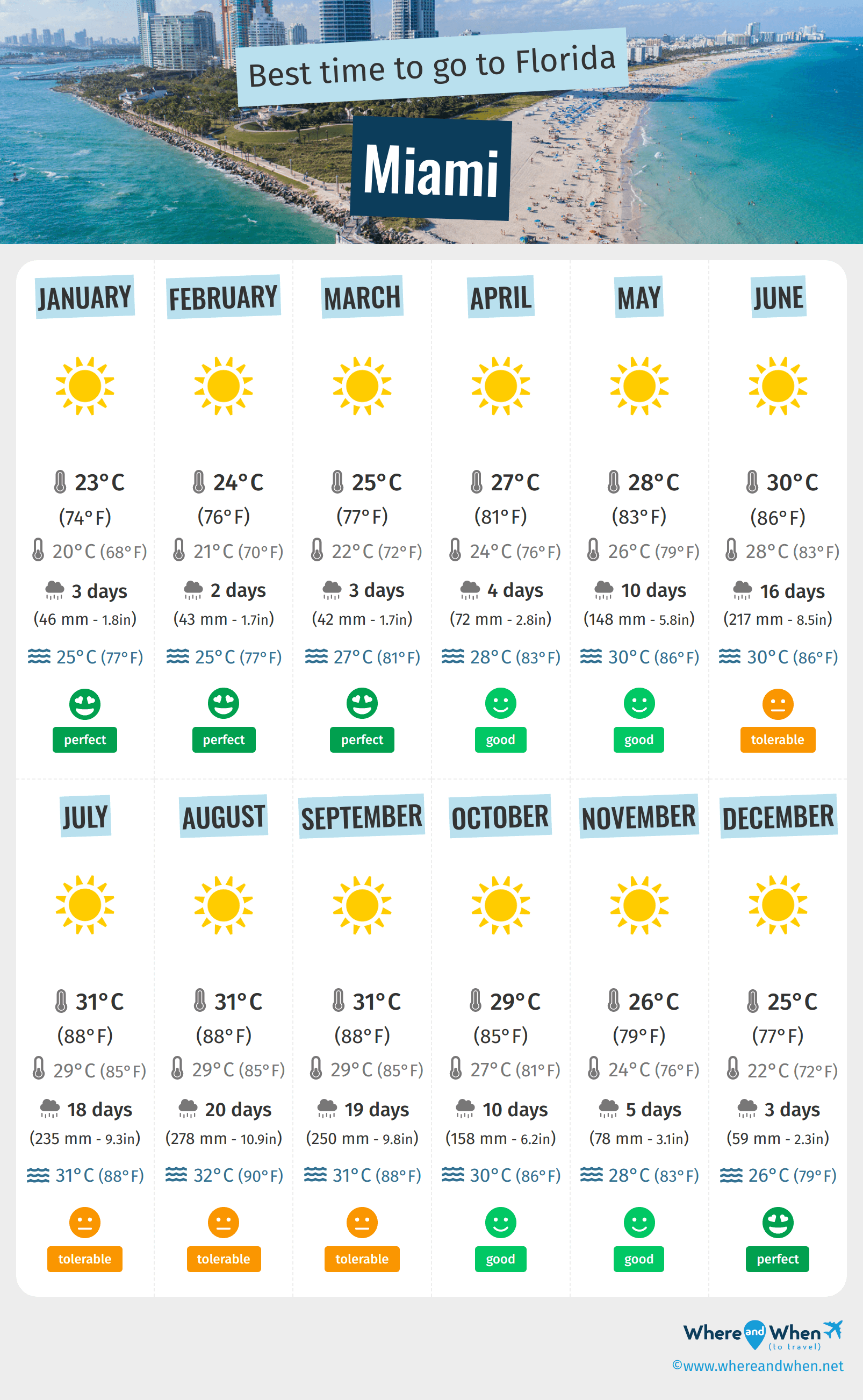
Miami boasts a tropical monsoon climate, characterized by hot, humid summers and warm, dry winters. This distinct climate pattern shapes everything from the city’s vegetation to its daily routines. The average annual temperature hovers around a comfortable 77°F (25°C), but this average masks significant seasonal fluctuations and the pervasive influence of humidity.
Seasonal Temperature and Humidity Patterns
The primary driver of Miami’s heat is its location in the subtropics, close to the equator. This proximity means that the sun’s rays are more direct throughout the year, contributing to consistently warm temperatures. However, it is the interplay between temperature and humidity that truly defines the Miami experience, often leading to what locals refer to as “muggy” conditions.
Summer (June – August): These months represent the peak of Miami’s heat and humidity. Daily high temperatures frequently reach the high 80s and low 90s Fahrenheit (around 30-33°C), but the “feels like” temperature, due to humidity, can soar into the triple digits. Dew points often exceed 70°F, creating a sticky, oppressive atmosphere. Thunderstorms are common during the summer afternoons, offering brief periods of relief from the heat, though they can be intense.
Fall (September – November): As summer wanes, temperatures begin to moderate, but humidity often remains high, particularly in September and October. Highs are typically in the mid-80s Fahrenheit (around 29-30°C). This season also marks the end of hurricane season, which can bring significant weather disruptions.
Winter (December – February): Miami’s winters are a welcome respite from the summer intensity. Temperatures are pleasantly warm, with average highs in the mid-70s Fahrenheit (around 24°C). Humidity levels are significantly lower, making these months ideal for outdoor activities. It’s not uncommon for occasional cold fronts to bring cooler temperatures, even dipping into the 50s Fahrenheit (around 10-15°C) overnight, but these are usually short-lived.
Spring (March – May): Spring marks a gradual transition back towards summer heat. Temperatures steadily rise, reaching the 80s Fahrenheit (around 27-29°C) by May. Humidity also begins to climb, signaling the approach of the hotter months. This is another popular time to visit, offering a good balance of warmth and manageable humidity.
The Impact of Humidity
Humidity is a critical factor in Miami’s perceived heat. When the air is saturated with moisture, sweat does not evaporate from the skin as efficiently, making it harder for the body to cool down. This is why a 90°F day in Miami can feel considerably hotter and more uncomfortable than a 90°F day in a drier climate. Understanding these humidity levels is key to staying comfortable. The dew point, which measures the actual amount of moisture in the air, is a more accurate indicator of how humid it will feel than relative humidity alone.
Practicalities of Miami Heat for Visitors and Residents
Navigating Miami’s climate requires some foresight, whether you’re a tourist planning a vacation or a local going about your daily life. Being prepared can transform a potentially uncomfortable experience into an enjoyable one.
Staying Cool and Hydrated
The most important advice for dealing with Miami’s heat is to stay hydrated and avoid prolonged direct sun exposure during the hottest parts of the day.
- Hydration: Carry a reusable water bottle and refill it frequently. Avoid excessive consumption of alcohol and caffeine, as these can contribute to dehydration. Electrolyte drinks can also be beneficial during strenuous activities.
- Sun Protection: Wear sunscreen with a high SPF, a wide-brimmed hat, and sunglasses. Seek shade whenever possible, especially between 10 AM and 4 PM when the sun is strongest.
- Clothing: Opt for lightweight, breathable fabrics like cotton and linen. Loose-fitting clothing will allow for better air circulation.
- Activity Timing: Schedule outdoor activities like exploring the Art Deco Historic District or visiting Vizcaya Museum & Gardens for the cooler morning or late afternoon hours. Consider indoor attractions during the peak heat of the day.
Air Conditioning: A Miami Essential
Air conditioning is not just a luxury in Miami; it’s a necessity. Most hotels, restaurants, shops, and residential buildings are climate-controlled, providing essential refuge from the heat and humidity. This ubiquitous presence of air conditioning allows for a comfortable urban experience even during the most intense heat waves. When booking accommodation, ensuring reliable air conditioning is a priority for many visitors. Many resorts, such as the Fontainebleau Miami Beach or the Faena Hotel Miami Beach, pride themselves on their excellent climate control systems.
Water Activities and Coastal Breezes
Miami’s extensive coastline offers natural cooling mechanisms. The Atlantic Ocean provides a refreshing escape, and many visitors spend considerable time on the beaches or engaging in water sports. The ocean breeze can also offer a significant cooling effect, especially along the coast. Evenings by the water, perhaps at South Pointe Park, can be particularly pleasant.
Beyond the Thermometer: Experiencing Miami’s Heat
The heat in Miami is not merely a meteorological fact; it’s an integral part of the city’s identity and influences its culture and lifestyle.
The Pace of Life
The heat often dictates a slower pace of life, particularly during the summer months. Locals may adjust their schedules, opting for early morning or late evening workouts and social gatherings. Siestas are not uncommon, and the vibrant nightlife often picks up steam as the sun sets and temperatures become more bearable.
Culinary Delights Shaped by Climate
Miami’s food scene is a reflection of its tropical environment. Fresh, light, and often cooling dishes are popular. Think of refreshing ceviches, tropical fruit smoothies, and plenty of seafood. The availability of ingredients like mangoes, avocados, and citrus fruits, which thrive in the warm climate, is a testament to how the environment shapes the local cuisine. Even the ubiquitous “cafecito,” a strong, sweet Cuban coffee, is often enjoyed iced during warmer months.
Embracing the Tropics
While the heat can be challenging, it also contributes to Miami’s allure. It’s the backdrop for the city’s vibrant outdoor culture, from street festivals to beach volleyball. The warmth encourages a certain laid-back attitude and an appreciation for the simple pleasures of sunshine and sea. For those who love warmth and sunshine, Miami offers an unparalleled tropical experience, blending urban sophistication with natural beauty. The city’s energy, amplified by its inviting climate, makes it a perennial favorite for travelers seeking a dynamic and exciting destination. Whether you’re planning to explore the wonders of Everglades National Park or simply relax on the shores of South Beach, understanding the heat is your first step to fully enjoying all that Miami, Florida has to offer.
LifeOutOfTheBox is a participant in the Amazon Services LLC Associates Program, an affiliate advertising program designed to provide a means for sites to earn advertising fees by advertising and linking to Amazon.com. Amazon, the Amazon logo, AmazonSupply, and the AmazonSupply logo are trademarks of Amazon.com, Inc. or its affiliates. As an Amazon Associate we earn affiliate commissions from qualifying purchases.