
The vast expanse of the southern United States encompasses two states renowned for their distinct attractions and vibrant cultures: Florida and Texas. For many travelers, the question of the flight duration between these two popular destinations is a crucial piece of information for planning a trip. Whether you’re envisioning a Disney World adventure followed by a pilgrimage to the Alamo, or a relaxing beach escape in Miami giving way to the bustling urban energy of Dallas, understanding flight times is paramount. This article delves into the intricacies of travel between Florida and Texas, exploring the factors that influence flight duration and providing estimated times for various city pairings.
Factors Influencing Flight Times
Several key elements contribute to the variation in flight durations between Florida and Texas. While the direct distance between the two states is a primary determinant, it’s by no means the only one. Understanding these variables can help travelers set realistic expectations and make informed decisions when booking their journeys.
Direct Distance and Geography
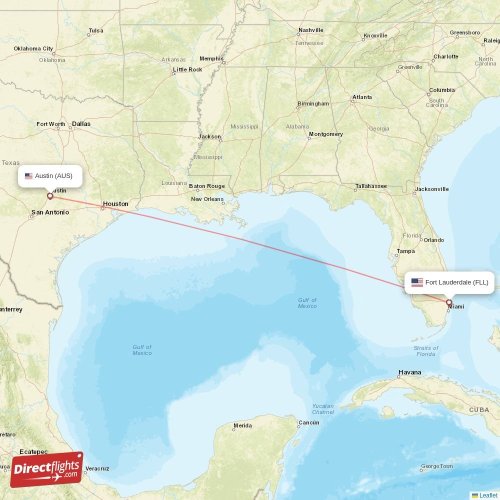
Florida is a long, peninsula-like state, stretching from the panhandle in the north to the southern tip in Key West. Texas, on the other hand, is the second-largest state in the U.S. by area and boasts a diverse geography, from its eastern piney woods to its western deserts and its long Gulf Coast. This significant geographical spread means that the “start” and “end” points within each state can dramatically alter the direct flight path and, consequently, the flight duration.
For instance, a flight from Jacksonville in northern Florida to El Paso in western Texas will naturally be longer than a flight from Miami on the southeastern tip of Florida to Houston on the eastern edge of Texas. The sheer distance to cover directly impacts the required flight time.
Airline Routes and Air Traffic Control
Airlines design their flight paths based on numerous factors, including efficiency, fuel consumption, passenger demand, and air traffic control (ATC) regulations. Direct flights are generally the shortest, but connecting flights, which might be necessary for certain city pairings or due to cost considerations, will inevitably add significant time to the total travel duration. This includes layover time at a connecting airport, such as Atlanta, a major hub for Delta Air Lines.
Air traffic control plays a vital role in managing the flow of aircraft, especially in busy airspace. During peak travel times or in areas with high air traffic density, planes may be required to fly indirect routes or circle before landing, all of which can extend flight times. The airspace over the southeastern U.S., including the corridors between Florida and Texas, is often quite congested.
Aircraft Type and Cruising Speed
Different aircraft models have varying cruising speeds. While most commercial jetliners fly at similar speeds, subtle differences can contribute to minor variations in flight duration. The type of aircraft assigned to a particular route is often dictated by passenger demand and the airline’s fleet management. However, for typical domestic flights between Florida and Texas, these differences are usually marginal compared to other factors.
Wind Conditions and Weather Patterns
Crucial for flight planning are prevailing wind conditions. Tailwinds, where the wind blows in the same direction as the aircraft, can significantly reduce flight times, while headwinds, blowing against the direction of travel, can lengthen them. These atmospheric conditions are dynamic and can change rapidly, influencing flight durations on a day-to-day basis. Severe weather, such as thunderstorms or hurricanes, can also lead to rerouting, delays, or even cancellations, impacting travel plans.
Estimated Flight Durations Between Major Cities
Given the aforementioned factors, providing exact flight times can be challenging. However, we can offer estimated durations for direct flights between some of the most popular city pairs in Florida and Texas. These estimates represent typical flight times and do not account for potential delays, significant weather events, or the time spent taxiing on the runway.
Florida to North Texas (Dallas-Fort Worth Area)
The Dallas-Fort Worth Metroplex is a major hub in the central United States, and flights from Florida to airports like Dallas/Fort Worth International Airport (DFW) or Dallas Love Field (DAL) are quite common.

- Orlando (MCO) to Dallas (DFW): Expect direct flights to be approximately 2 hours and 30 minutes to 3 hours. Orlando is situated in central Florida, and Dallas is in north Texas, making this a relatively common and moderate-length flight.
- Miami (MIA) to Dallas (DFW): Flights from southern Florida to north Texas tend to be slightly longer, typically ranging from 2 hours and 45 minutes to 3 hours and 15 minutes. The additional distance from Miami contributes to this slight increase.
- Tampa (TPA) to Dallas (DFW): Flights from the west coast of central Florida to north Texas generally fall within the 2 hours and 40 minutes to 3 hours and 5 minutes range.
Florida to South Texas (Houston, San Antonio Area)
Traveling to the southern parts of Texas, such as the sprawling metropolis of Houston or the historic city of San Antonio, can add a bit more time to the journey.
- Orlando (MCO) to Houston (IAH): Direct flights to Houston from central Florida typically take around 2 hours and 50 minutes to 3 hours and 20 minutes. This longer duration reflects the increased mileage to reach the southeastern corner of Texas.
- Miami (MIA) to Houston (IAH): Flights from Miami to Houston are comparable in duration to those from Orlando, often falling between 3 hours and 3 hours and 25 minutes.
- Tampa (TPA) to San Antonio (SAT): Journeys to San Antonio from the Tampa Bay area are generally in the 3 hours to 3 hours and 30 minutes range.
Florida to West Texas (El Paso Area)
Flights to the westernmost parts of Texas, such as El Paso, involve crossing a considerable distance and are the longest domestic flights typically found between the two states.
- Orlando (MCO) to El Paso (ELP): Direct flights to El Paso from Florida can extend to 4 hours to 4 hours and 30 minutes. This is a significant cross-country journey within the contiguous United States.
- Miami (MIA) to El Paso (ELP): Similarly, flights from the southern tip of Florida to the western border of Texas will also be in the 4-hour to 4.5-hour bracket.
Planning Your Trip and Considerations
When planning a trip from Florida to Texas, it’s wise to factor in more than just the flight duration. Travel is an experience, and understanding the nuances can lead to a smoother and more enjoyable journey.
Booking Direct vs. Connecting Flights
As previously mentioned, direct flights are almost always the quickest option. However, connecting flights can sometimes be more affordable. If you opt for a connecting flight, consider the layover time. A short layover might seem appealing, but it increases the risk of missing your connection if the first flight is delayed. Longer layovers offer more buffer but extend your total travel time considerably. Carefully compare the total travel time (including layovers) with the cost when making your booking. For example, a connecting flight through Chicago O’Hare International Airport (ORD) might add several hours to your journey.
Time Zone Differences
Remember that Texas observes Central Time (CT), while most of Florida observes Eastern Time (ET). Texas is one hour behind Florida. This means that if you depart Miami at 3:00 PM ET, you will arrive in Dallas at approximately 5:30 PM CT (factoring in a 3-hour flight and the 1-hour time difference). This time zone shift can impact your arrival day plans and how you perceive the duration of your journey.
Airport Travel and Procedures
The stated flight times are merely the time spent airborne. You must also account for travel to and from airports, check-in procedures, security screenings, and boarding. For domestic flights, it’s generally recommended to arrive at the airport at least two hours before departure. This buffer ensures you have ample time to navigate the airport and reach your gate without undue stress. Consider the size and complexity of the airports you’ll be using; a large international hub like George Bush Intercontinental Airport (IAH) in Houston might require more time than a smaller regional airport.

Choosing Your Destinations Wisely
The choice of specific cities within Florida and Texas will ultimately dictate the flight length. If minimizing travel time is a priority, consider flying into airports that are geographically closer to your intended final destination. For instance, if your plans are centered around the attractions of central Texas like Austin, flying into Austin-Bergstrom International Airport (AUS) directly might be more efficient than landing in Dallas and driving south.
In conclusion, while the exact flight duration from Florida to Texas can fluctuate based on a myriad of factors, understanding these elements empowers travelers to plan more effectively. From the broad geographical scope of both states to the intricate dance of airline routes and weather patterns, each component plays a role. By considering direct routes, potential layovers, time zone differences, and essential airport procedures, you can better anticipate your travel time and ensure a seamless transition from the Sunshine State to the Lone Star State.
LifeOutOfTheBox is a participant in the Amazon Services LLC Associates Program, an affiliate advertising program designed to provide a means for sites to earn advertising fees by advertising and linking to Amazon.com. Amazon, the Amazon logo, AmazonSupply, and the AmazonSupply logo are trademarks of Amazon.com, Inc. or its affiliates. As an Amazon Associate we earn affiliate commissions from qualifying purchases.