
Embarking on a journey from the sun-drenched shores of Florida to the lush, volcanic landscapes of Hawaii is a significant undertaking, a true transcontinental adventure across the United States. The question of “How long is the flight from Florida to Hawaii?” is a practical one, essential for planning your vacation, packing appropriately, and managing your expectations for the travel day. While the precise duration can fluctuate based on numerous factors, understanding these variables will provide a clear picture of what to anticipate.
Understanding the Variables Affecting Flight Duration
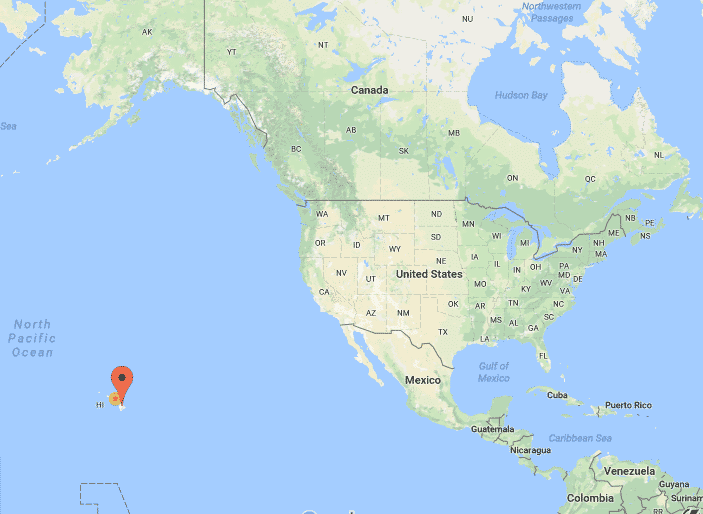
The primary determinant of flight time between Florida and Hawaii is the distance and the number of stops. Hawaii is situated in the mid-Pacific Ocean, making it a distant destination from the southeastern United States. Direct flights, while the most convenient, are exceedingly rare, if they exist at all, on this route. Therefore, virtually all travel will involve at least one, and often two, layovers.

The Impact of Layover Cities
The choice of layover city significantly influences the total travel time. Common connection points for flights from Florida to Hawaii include major West Coast hubs like Los Angeles, San Francisco, Seattle, and sometimes even further inland cities like Denver or Dallas.
- West Coast Hubs: Flights connecting through California or the Pacific Northwest typically involve a longer initial flight from Florida to the West Coast, followed by a shorter, albeit still substantial, flight across the Pacific to Honolulu (or other Hawaiian islands).
- Inland Hubs: If your itinerary includes a layover in a more central or eastern part of the country before heading west, this can add considerable time. However, it might sometimes offer better pricing or more convenient departure times from Florida.
The duration of the layover itself is another critical factor. A quick 1-hour connection is vastly different from a 4-hour layover or an overnight stop. When comparing flight options, pay close attention not just to the flight segments but also to the scheduled layover times.
Flight Path and Jet Streams
While less predictable and controllable by the traveler, flight paths and the influence of jet streams can also play a minor role in the overall duration. Airlines optimize routes for efficiency, considering factors like prevailing winds. Flying eastward generally benefits from tailwinds, while westward flights might encounter headwinds. The long haul from the continental United States to Hawaii is subject to these atmospheric conditions.
Aircraft Type and Speed
Different aircraft have varying cruising speeds. While most long-haul flights utilize modern, efficient jets capable of similar speeds, subtle differences can contribute to minor variations in flight times. This is generally a less significant factor compared to the number and duration of layovers.
Typical Flight Durations: A Realistic Outlook
Given the prevalence of one or two layovers, a direct flight from Florida to Hawaii is largely theoretical for most travelers. Therefore, the practical answer involves accounting for the entire journey from wheels up in Florida to wheels down in Hawaii.
One-Stop Itineraries
Flights with a single stop, typically on the West Coast, represent the most common and often the most efficient option for reaching Hawaii from Florida.
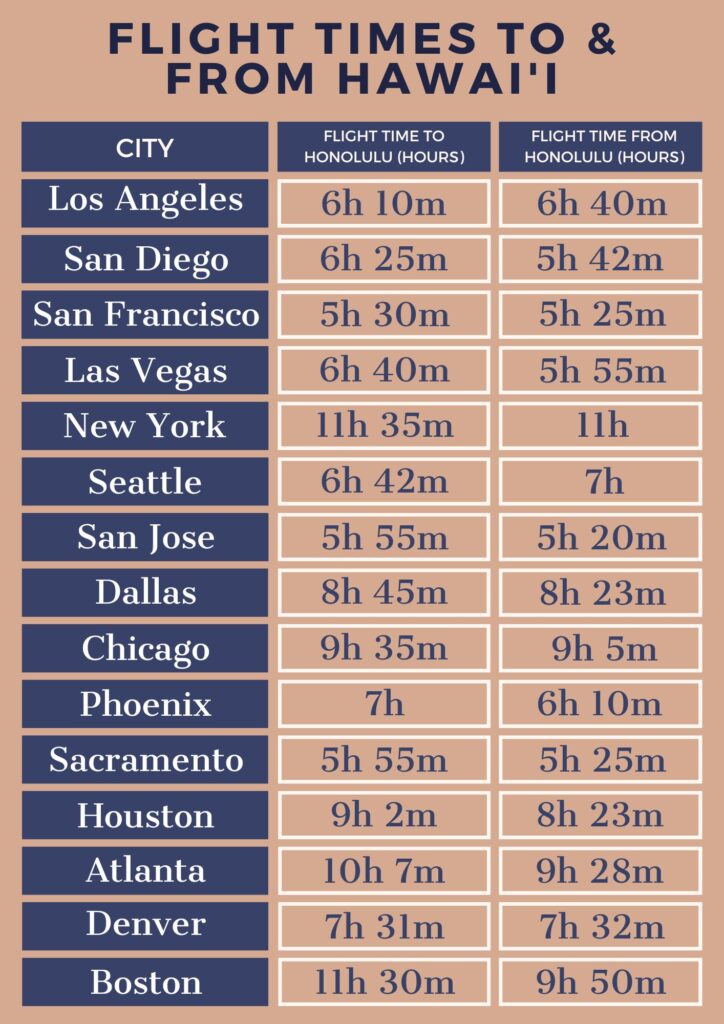
- Flight Segment 1 (Florida to West Coast): This leg can range from approximately 5 to 6.5 hours, depending on the specific departure city in Florida (e.g., Miami, Orlando, Tampa) and the destination West Coast city.
- Layover: This can vary from a swift 1-2 hours to a more substantial 3-5 hours.
- Flight Segment 2 (West Coast to Hawaii): This trans-Pacific flight typically lasts around 5 to 6 hours, again depending on the specific Hawaiian island and airport of arrival (most commonly Honolulu International Airport on Oahu).
Total Estimated Time (One Stop): When combining these elements, the total travel time for a one-stop itinerary usually falls within the range of 11 to 16 hours. This includes time spent on the ground during the layover. Some highly optimized itineraries might shave off a little time, while less ideal connections can push the total duration towards the higher end.
Two-Stop Itineraries
Flights involving two layovers are less desirable but may sometimes be the only available option or offer significant cost savings. These itineraries can extend the travel time considerably.
- Flight Segment 1 (Florida to First Layover City): This could be a domestic flight anywhere across the country.
- Layover 1: Variable.
- Flight Segment 2 (First Layover City to Second Layover City): Another domestic or potentially an international segment if connecting through certain Canadian hubs (less common for Florida to Hawaii).
- Layover 2: Variable.
- Flight Segment 3 (Second Layover City to Hawaii): This is often the trans-Pacific leg from a West Coast city, similar to the one-stop scenario.
Total Estimated Time (Two Stops): With two layovers, especially if they are spread across the country, the total travel time can easily extend to 15 to 20+ hours. This can be a grueling experience, and travelers opting for this route should be prepared for a full day, or even more, of continuous travel.
Making Your Long Journey More Comfortable
The extended travel time required to reach Hawaii from Florida necessitates thoughtful preparation to ensure a more comfortable and less stressful experience.
Strategic Flight Booking
- Time of Day: Consider booking flights that depart Florida in the morning or early afternoon. This can help align your arrival in Hawaii with the local daytime, making the adjustment to the time difference easier.
- Layover Length: While shorter layovers seem appealing, allow ample time for connections, especially in large airports. A layover of 2-3 hours is generally recommended to comfortably navigate the airport, grab a bite, and avoid the stress of missing a connecting flight due to delays.
- Airport Choice: Some airports are more user-friendly than others. Research the airports where your layovers will occur. Consider factors like ease of navigation, availability of amenities, and typical congestion. For example, Denver International Airport is a vast airport, while San Francisco International Airport is a major international gateway.
In-Flight Comfort and Preparation
- Carry-On Essentials: Pack your carry-on bag strategically. Include items that will make the long hours in the air more bearable.
- Comfort items: Neck pillow, eye mask, noise-canceling headphones, comfortable socks, and a light blanket or shawl.
- Entertainment: Books, e-reader, downloaded movies or TV shows, podcasts, and music. Ensure your devices are fully charged or bring a portable power bank.
- Hydration and Snacks: While airlines provide beverages, it’s wise to have your own reusable water bottle to fill after security. Pack non-perishable snacks to avoid relying solely on airline meals, which can be inconsistent.
- Personal Hygiene: A small travel kit with essentials like a toothbrush, toothpaste, face wipes, lip balm, and hand sanitizer can make a big difference.
- Clothing: Dress in layers. Airplane cabins can fluctuate in temperature. Opt for comfortable, loose-fitting clothing made from breathable fabrics.
- Movement: During longer flights, get up and walk around the cabin periodically (when permitted) to improve circulation and reduce stiffness. Stretching in your seat can also be beneficial.
Managing the Time Difference
Hawaii observes Hawaii Standard Time (HST), which is typically 5 hours behind Eastern Standard Time (EST) and 3 hours behind Pacific Standard Time (PST). This significant time difference can lead to jet lag.
- Adjust Gradually: Try to start adjusting your sleep schedule a day or two before your departure if possible.
- Stay Hydrated: Dehydration exacerbates jet lag symptoms.
- Seek Sunlight: Upon arrival, expose yourself to natural daylight, especially in the morning, to help reset your body clock.
- Avoid Heavy Meals and Alcohol: Especially in the hours before your intended bedtime in the new time zone.
Planning for the flight duration from Florida to Hawaii is a crucial step in ensuring a smooth and enjoyable start to your island adventure. By understanding the factors that influence flight times and preparing accordingly, you can transform what might seem like an arduous journey into a manageable and even relaxing prelude to the paradise that awaits.
LifeOutOfTheBox is a participant in the Amazon Services LLC Associates Program, an affiliate advertising program designed to provide a means for sites to earn advertising fees by advertising and linking to Amazon.com. Amazon, the Amazon logo, AmazonSupply, and the AmazonSupply logo are trademarks of Amazon.com, Inc. or its affiliates. As an Amazon Associate we earn affiliate commissions from qualifying purchases.